.webp&w=384&q=75)

Loading, please wait...
Loading, please wait...
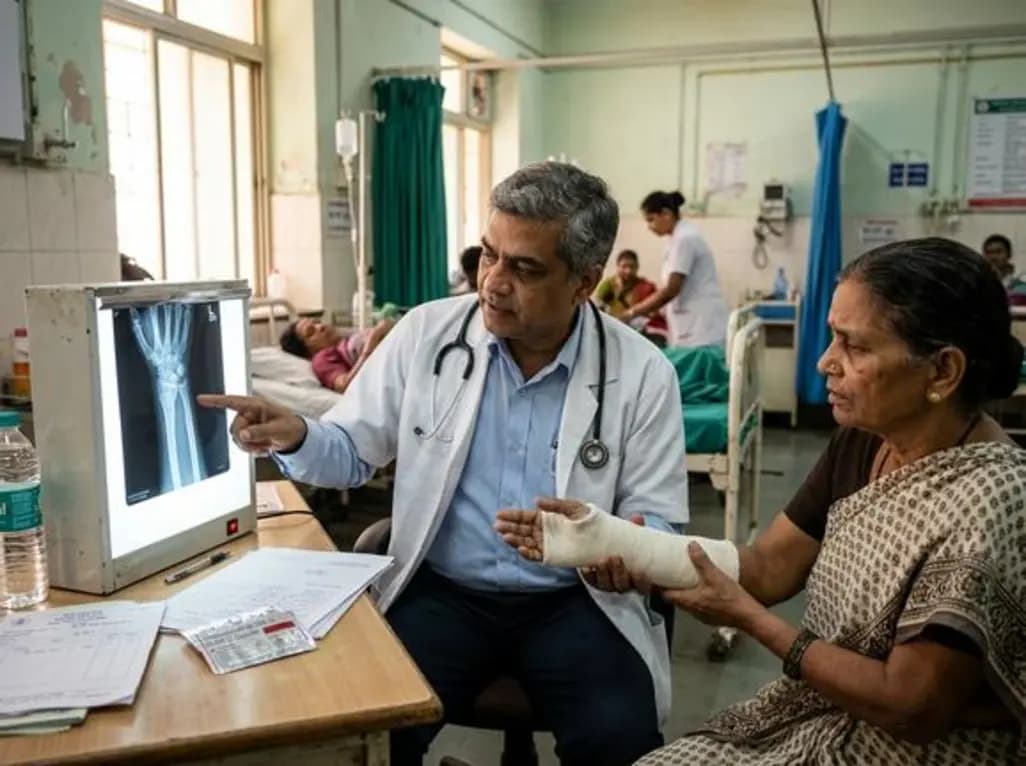
A silent crisis of Vitamin D deficiency is currently sweeping across India, severely impacting overall bone health. Consequently, this widespread deficiency increases the risk of fragility fractures. Despite living in a sun-drenched country, an overwhelming 70% to 80% of Indians suffer from inadequate Vitamin D levels. This massive deficiency affects all segments of the population, including children, active adults, postmenopausal women, and the elderly. Consequently, healthcare providers are increasingly focusing on aggressive intervention strategies to address this widespread medical concern.
Specifically, clinical research demonstrates a robust link between low Vitamin D levels and compromised bone strength. When a patient lacks this crucial vitamin, the intestines cannot absorb calcium efficiently. Consequently, this malabsorption leaves bones brittle, fragile, and prone to rapid deterioration. Over time, individuals develop osteopenia and osteoporosis, which significantly escalates the risk of sudden fragility fractures. Furthermore, Vitamin D supports optimal muscle function and physical balance. As a result, a deficiency in this nutrient impairs muscle strength, frequently causing accidental falls in older populations.
To counter severe deficiency, clinicians often recommend supervised, high-dose Vitamin D therapy. Indeed, this medical strategy rapidly replenishes depleted stores and restores normal calcium absorption. Additionally, it effectively relieves chronic bone and muscle pain. However, patients should only undergo this therapy under strict medical supervision to prevent potential toxicity. For example, clinical guidelines in India suggest a weekly dose of 60,000 IU of cholecalciferol for several weeks. Thereafter, patients continue with a monthly maintenance dose. Therefore, careful laboratory monitoring ensures safe treatment outcomes while protecting long-term skeletal health.
Additionally, healthcare professionals recommend regular screening and bone health assessments for high-risk demographics. Postmenopausal women, older adults over fifty, and individuals suffering from chronic body aches require careful evaluation. In addition, patients with a history of minor falls or chronic kidney diseases should also monitor their levels closely. Ultimately, adequate sunlight exposure, a calcium-rich diet, and targeted supplementation serve as the cornerstone of bone health in India.
Q1: Why is Vitamin D deficiency so common in India despite ample sunlight?
Urban lifestyles, indoor working environments, rising air pollution, and the consistent use of sunscreen limit the skin’s ability to synthesise Vitamin D. Additionally, sedentary habits, limited intake of fortified foods, and typical Indian attire further restrict natural synthesis.
Q2: What are the primary risks associated with prolonged Vitamin D deficiency?
Severe deficiency can lead to silent bone weakening, known as osteopenia and osteoporosis. This dramatically increases the risk of muscle weakness, balance issues, accidental falls, and fragility fractures, especially in older and postmenopausal populations.
Q3: Who should undergo routine Vitamin D evaluation and bone health assessments?
Clinical experts recommend evaluation for individuals over 50 years of age, postmenopausal women, patients with osteoporosis or a history of fractures, those suffering from persistent body aches, and individuals with chronic diseases affecting bone health.
Disclaimer: This content is for informational and educational purposes only. It does not constitute medical advice or replace professional judgment. Refer to the latest local and national guidelines for clinical practice.
References

Read summarized clinical updates, watch expert medical content, and earn CME certifications right from your smartphone.
Open your smartphone camera to scan and install.





Nearly 80% of Indians suffer from inadequate Vitamin D, causing silent bone weakening and sudden fractures. This expert guide reviews why mega-dose therapy is critical for high-risk patients, the key factors driving widespread deficiency, and the mandatory medical evaluations needed to protect skeletal health.
4 months ago
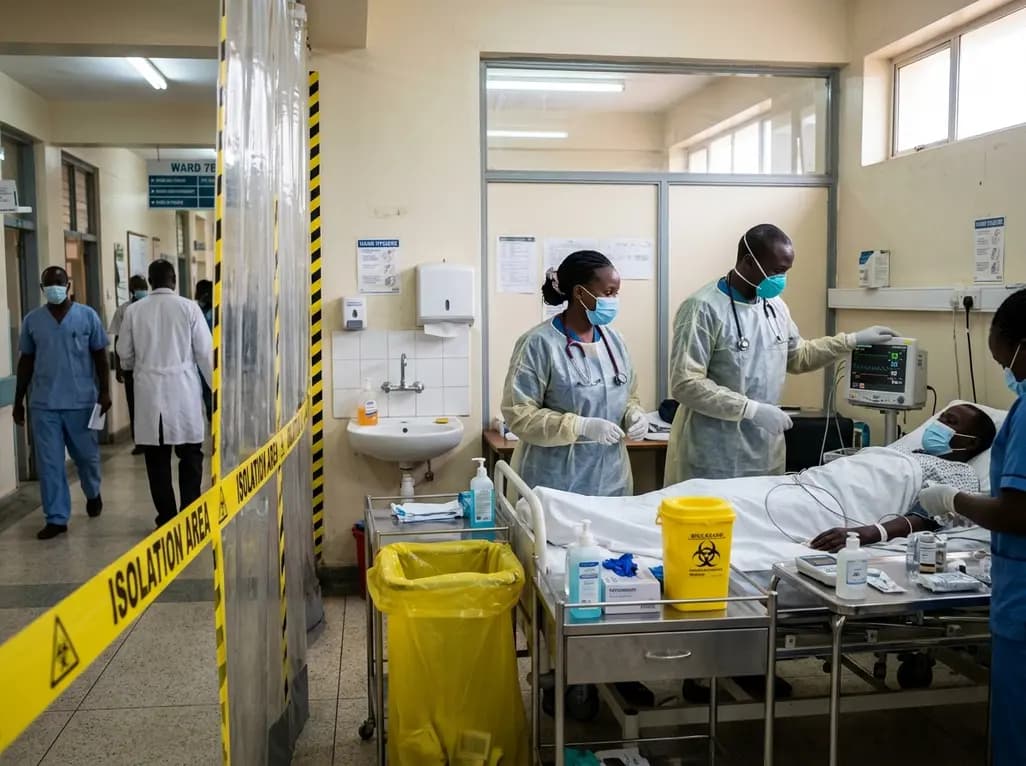
Kenya's confirmation of its eighth Ebola infection highlights the acute risk of secondary transmission in hospital environments. Clinicians must maintain high vigilance, enforce strict infection prevention protocols, and implement rapid triage mechanisms for viral hemorrhagic fevers across healthcare settings.
4 days back
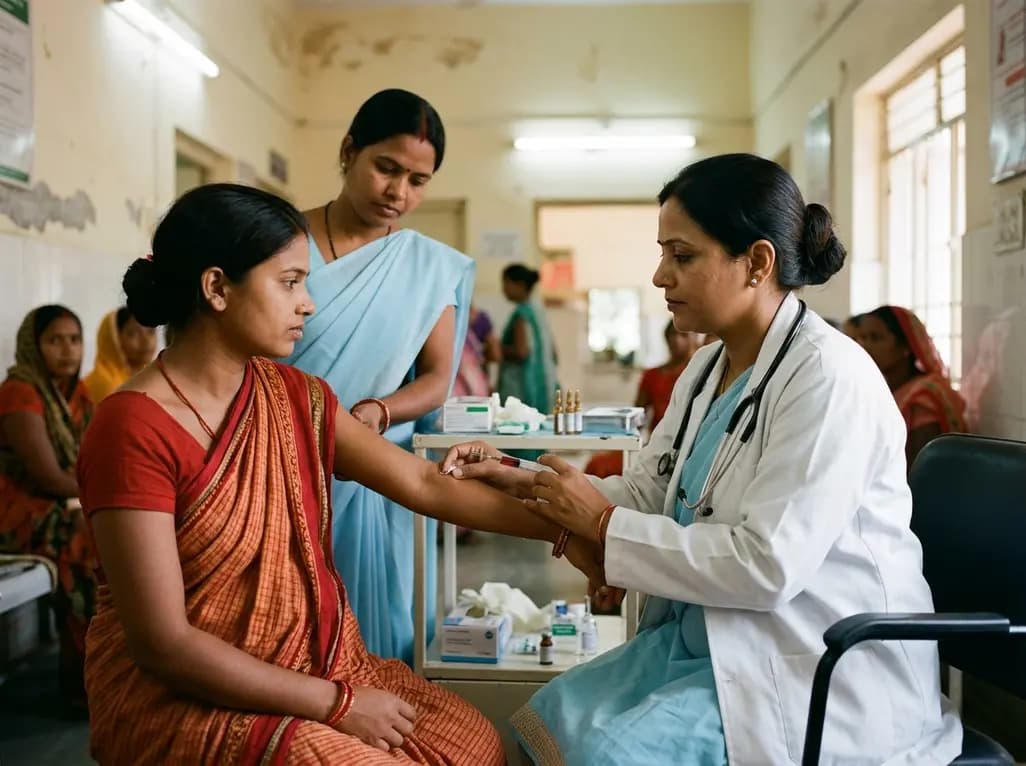
Maternal anaemia contributes to nearly half of pregnancy-related fatalities across India. To prevent complications, Uttar Pradesh has added single-dose parenteral iron to its essential medicines list. This clinical transition aims to restore haemoglobin rapidly and protect high-risk mothers across rural facilities.
Last week
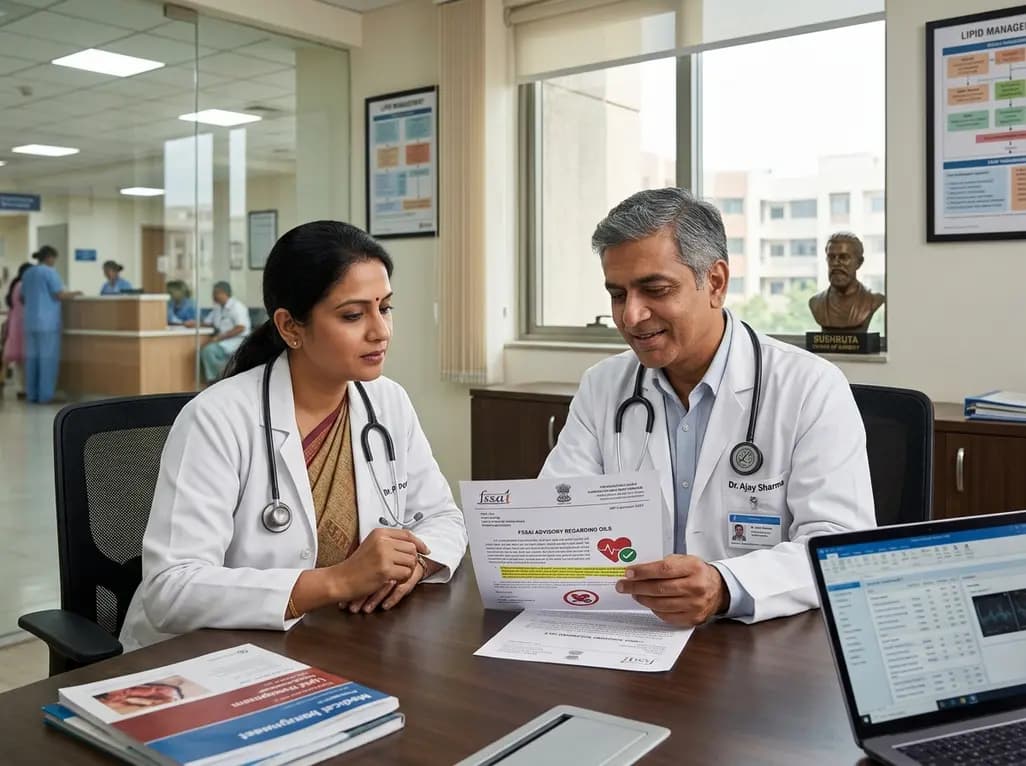
India's food safety authority FSSAI has issued show-cause notices to Gemini Edibles, BigBasket, and Flipkart for unpermitted cardiovascular claims regarding Freedom Rice Bran Oil. This regulatory move highlights the strict enforcement of advertising standards and the clinical necessity of evidence-based lipid care.
6 days back
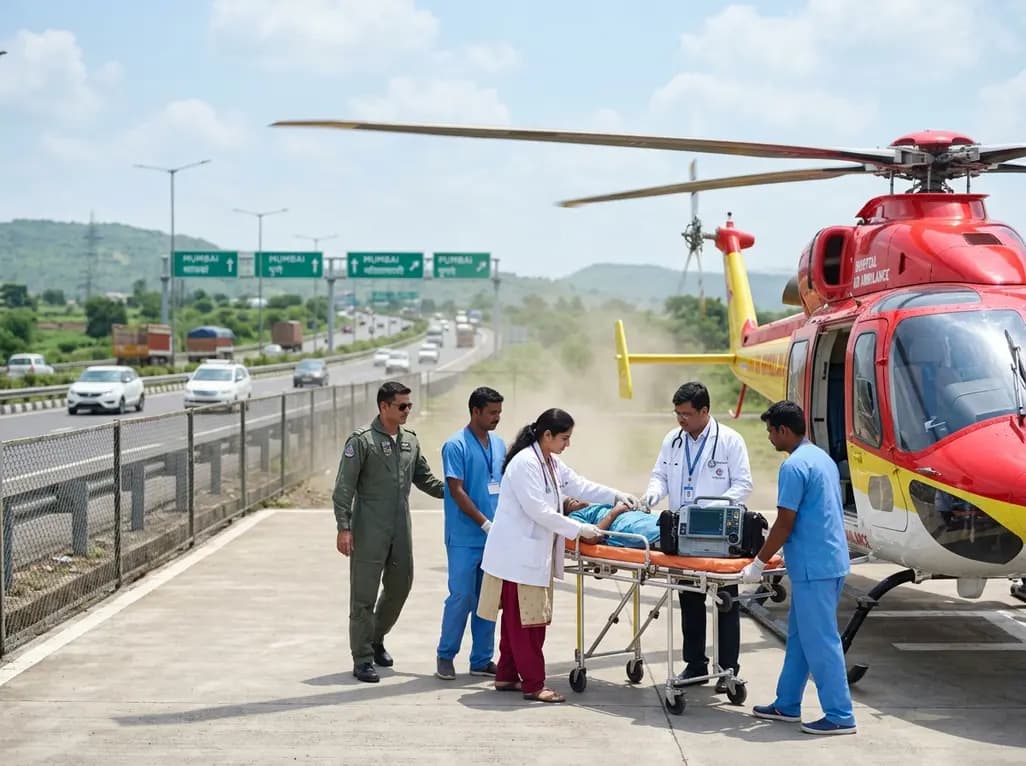
The state government is deploying helicopter emergency medical services across the Mumbai-Pune Expressway, Samruddhi Mahamarg, and Mumbai-Goa Highway. This initiative establishes unified standard operating procedures to enable rapid triage, advanced prehospital resuscitation, and seamless trauma care transfers.
Last week
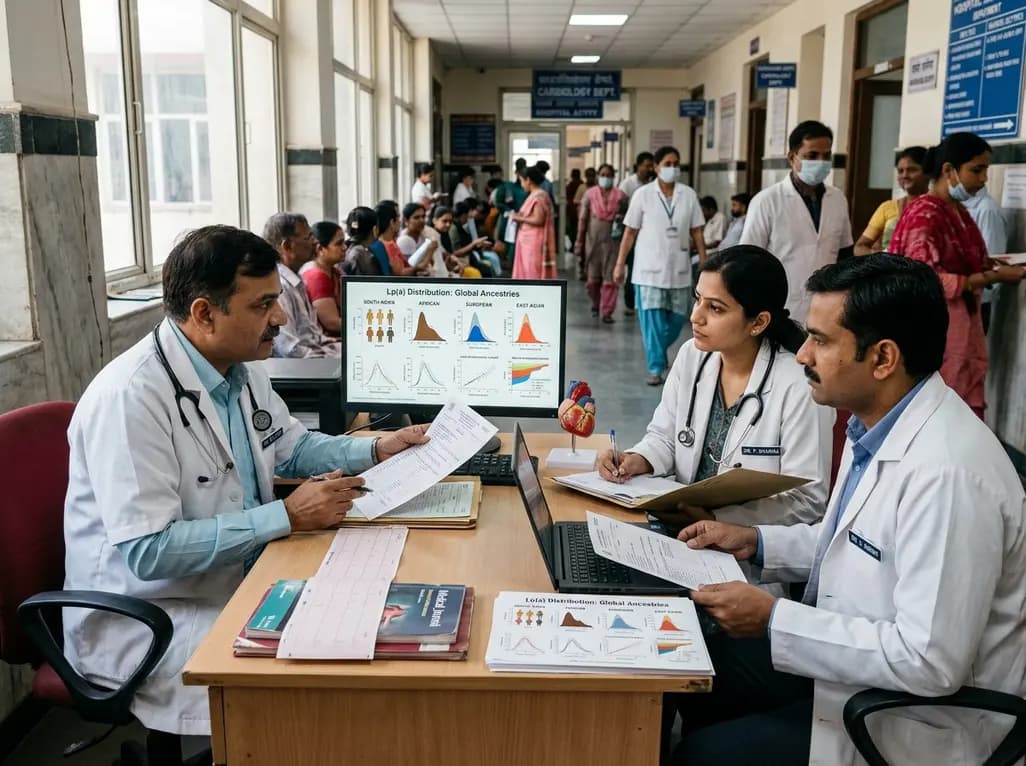
Atherosclerotic cardiovascular disease guidelines often rely on European-derived lipoprotein(a) cutoffs. However, baseline Lp(a) levels vary widely across ancestries, including South Asians and Africans. Clinicians must interpret Lp(a) values within overall absolute cardiovascular risk.
Last week
