.webp&w=384&q=75)

Loading, please wait...
Loading, please wait...
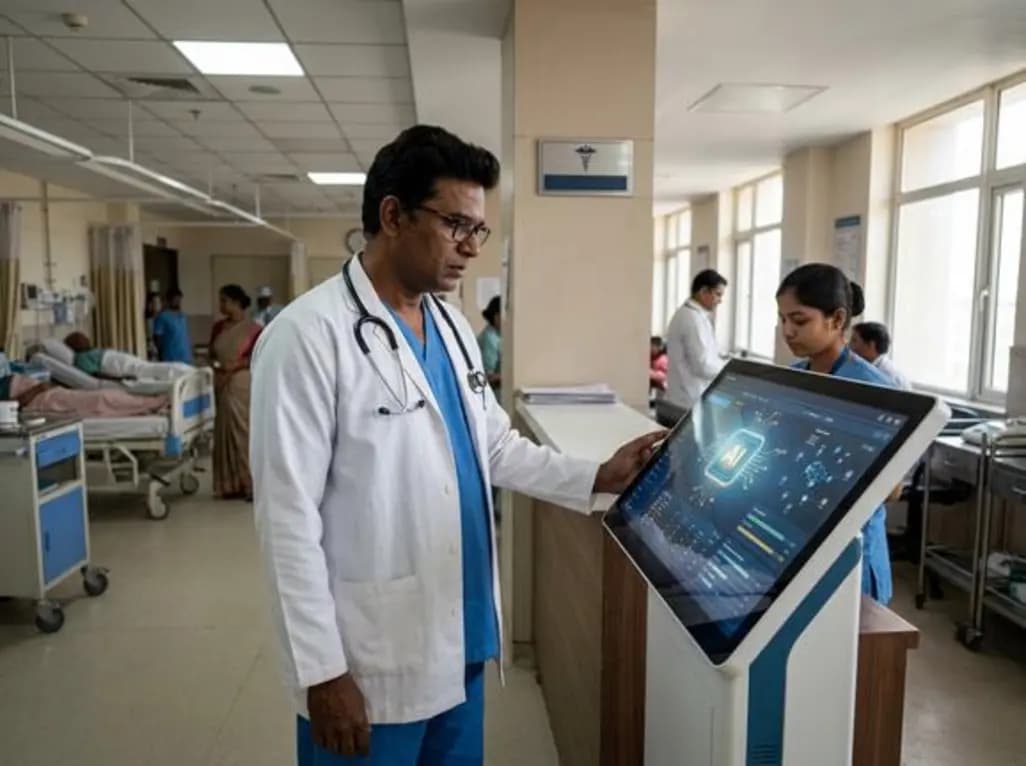
UnitedHealth Group is transforming the medical industry by investing $3 billion in artificial intelligence over 2026 and 2027. Specifically, this massive deployment focuses heavily on AI prior authorization and administrative workflows to cut soaring operational expenses. Consequently, the company reports an impressive 2-to-1 return on its investment, simplifying processes for both clinicians and patient coordinators. However, this aggressive expansion comes amid intense scrutiny over the safety of automated care decisions.
Currently, administrative transactions in the healthcare sector cost billions of dollars annually. For this reason, UnitedHealth is leveraging its automated systems to reduce manual paperwork. For example, their Optum Real program allows medical providers to check coverage status in real time. Indeed, this platform has already processed nearly a billion transactions since its launch. Furthermore, the company is testing AI bots that call clinics directly to book appointments for patients. These administrative automated features can ultimately reduce burdens on busy staff. However, they also raise questions about human oversight.
Despite the financial benefits, the public remains deeply skeptical of insurance algorithms. Specifically, a recent Gallup survey revealed that most citizens do not trust corporations with AI tools. Moreover, patients often face significant care delays and denials. This skepticism escalated following litigation involving UnitedHealth's subsidiary, naviHealth. Critics argued that the company used an automated tool to restrict post-acute care unfairly. Consequently, federal investigations showed high denial rates that were later overturned upon appeal. Therefore, building trust while deploying artificial intelligence remains a formidable challenge.
To address public concerns, UnitedHealth emphasizes its rigorous oversight mechanisms. Specifically, an internal review board consisting of medical ethicists, clinicians, and legal experts must approve all AI proposals. Furthermore, the company focuses almost entirely on administrative tasks rather than diagnostic medicine. Indeed, leadership claims that 99 percent of their applications remain administrative. Additionally, they actively monitor for algorithmic drift to prevent unintended errors. In conclusion, while AI streamlines operations, maintaining clinical safety and patient trust requires continuous human surveillance.
Q1: Why is UnitedHealth investing $3 billion in artificial intelligence?
UnitedHealth is allocating these funds during 2026 and 2027 to automate manual administrative tasks, which helps reduce operating expenses and improves worker efficiency.
Q2: Does UnitedHealth use AI to make clinical or diagnostic decisions?
No, the company states that 99 percent of its AI applications are administrative. They focus on tasks like scheduling, coverage checks, and summaries rather than clinical diagnostics.
Q3: How does the company address public skepticism regarding algorithm-based denials?
UnitedHealth utilizes an internal review board of clinicians, legal experts, and medical ethicists. They also state that they do not use AI to deny care or dictate treatment lengths.
Disclaimer: This content is for informational and educational purposes only. It does not constitute medical advice or replace professional judgment. Refer to the latest local and national guidelines for clinical practice.
References

Read summarized clinical updates, watch expert medical content, and earn CME certifications right from your smartphone.
Open your smartphone camera to scan and install.





UnitedHealth Group is launching a massive $3 billion artificial intelligence campaign to automate healthcare administration. By streamlining prior authorizations and patient scheduling, the insurer aims to slash costs, though it must first overcome deep public skepticism and regulatory scrutiny regarding automated care.
4 months ago
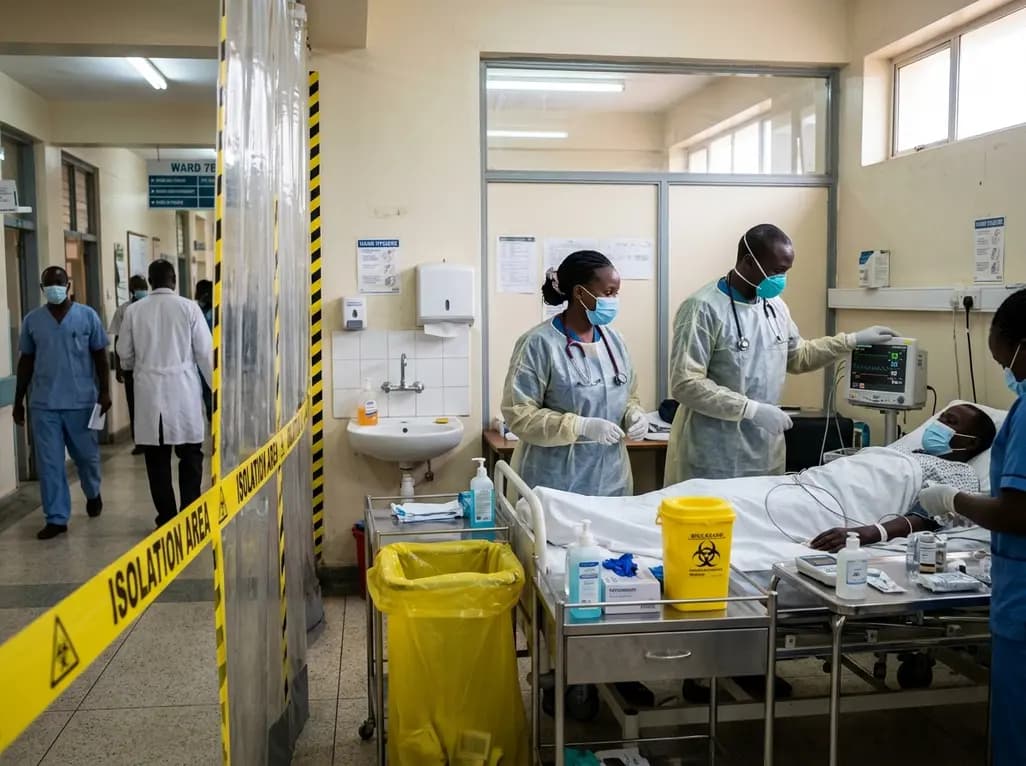
Kenya's confirmation of its eighth Ebola infection highlights the acute risk of secondary transmission in hospital environments. Clinicians must maintain high vigilance, enforce strict infection prevention protocols, and implement rapid triage mechanisms for viral hemorrhagic fevers across healthcare settings.
3 days back
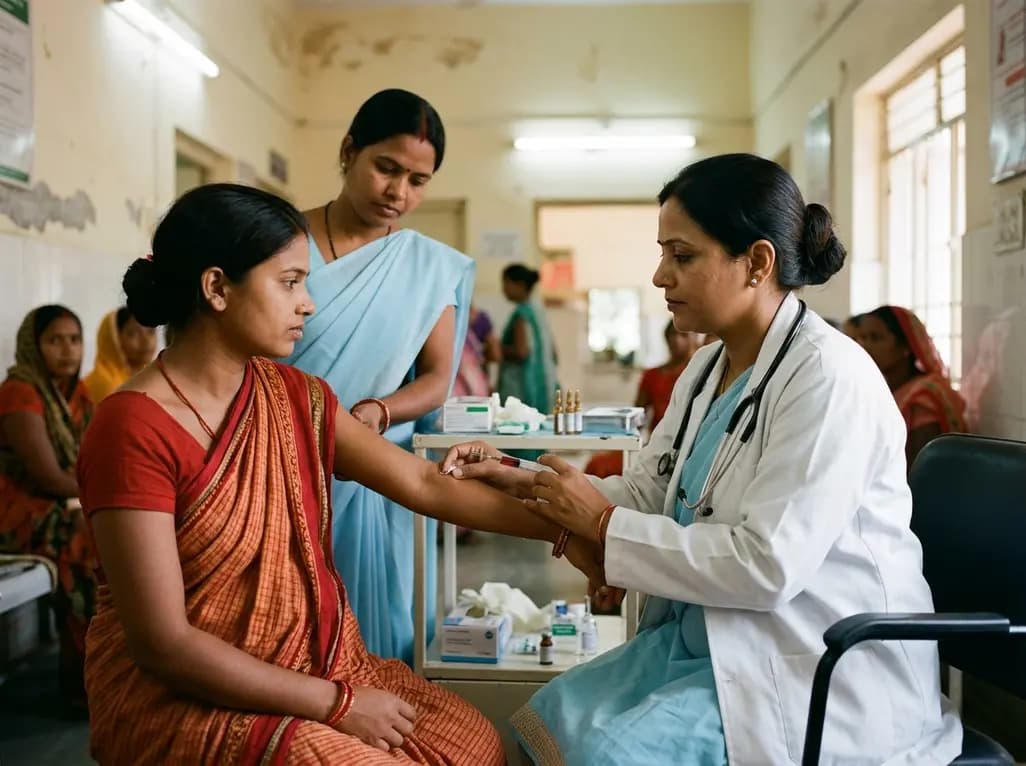
Maternal anaemia contributes to nearly half of pregnancy-related fatalities across India. To prevent complications, Uttar Pradesh has added single-dose parenteral iron to its essential medicines list. This clinical transition aims to restore haemoglobin rapidly and protect high-risk mothers across rural facilities.
Last week

India's food safety authority FSSAI has issued show-cause notices to Gemini Edibles, BigBasket, and Flipkart for unpermitted cardiovascular claims regarding Freedom Rice Bran Oil. This regulatory move highlights the strict enforcement of advertising standards and the clinical necessity of evidence-based lipid care.
5 days back

The state government is deploying helicopter emergency medical services across the Mumbai-Pune Expressway, Samruddhi Mahamarg, and Mumbai-Goa Highway. This initiative establishes unified standard operating procedures to enable rapid triage, advanced prehospital resuscitation, and seamless trauma care transfers.
Last week
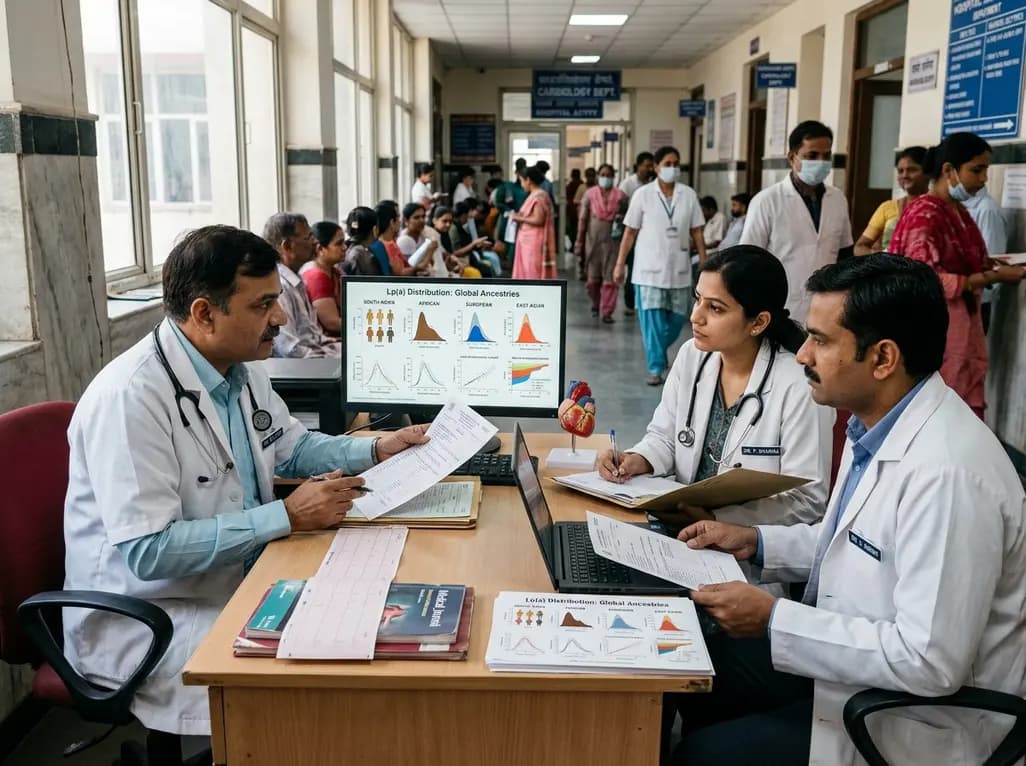
Atherosclerotic cardiovascular disease guidelines often rely on European-derived lipoprotein(a) cutoffs. However, baseline Lp(a) levels vary widely across ancestries, including South Asians and Africans. Clinicians must interpret Lp(a) values within overall absolute cardiovascular risk.
Last week
