.webp&w=384&q=75)

Loading, please wait...
Loading, please wait...
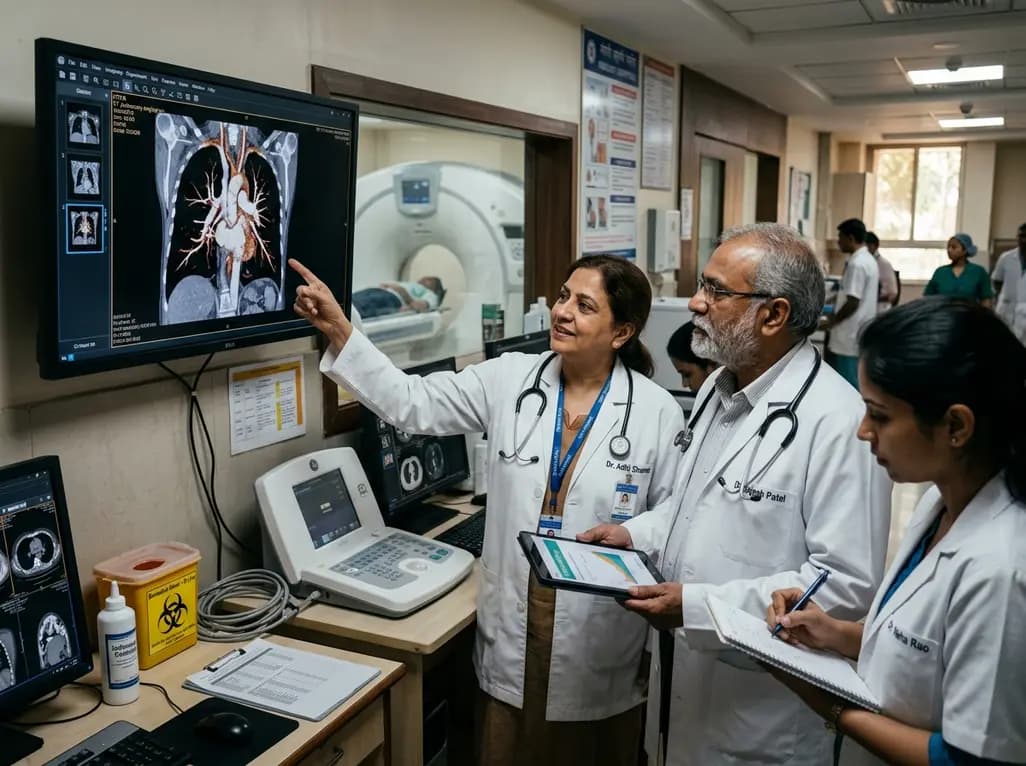
Modern radiological departments depend heavily on contrast agents to visualize vascular beds and internal anatomy. Consequently, global demand for computed tomography continues to surge annually. This expanding demand creates substantial pressure on natural supplies of iodine, which remains a finite mineral resource extracted from restricted geographical regions. In this context, adopting sustainable iodinated contrast media practices has become an urgent clinical priority for radiology leaders worldwide. Medical facilities often overlook the cumulative volume of unused contrast discarded during daily operations. Moreover, standard diagnostic workflows generate significant plastic waste and chemical runoff. Clinicians historically prioritized image quality without considering downstream ecological degradation or supply chain vulnerability. However, acute international shortages demonstrated how fragile raw material access can be when global logistics falter. Therefore, imaging teams must reconsider routine dosing and procurement habits. By evaluating how departments administer, conserve, and discard contrast materials, clinicians can safeguard diagnostic capacity for vulnerable patients. Promoting environmental stewardship does not compromise clinical diagnostic accuracy. Instead, thoughtful resource utilization protects public health, minimizes institutional expenditures, and preserves essential imaging commodities for future generations.
To benchmark current clinical attitudes, an international cross-sectional survey evaluated knowledge, attitudes, and practices regarding contrast sustainability across forty-four nations. Diagnostic radiographers represented fifty-nine percent of respondents, while radiologists comprised thirty-eight percent. Interestingly, sixty percent of participants noted that their institutions possessed formal sustainability policies. Furthermore, statistical analysis confirmed a significant correlation between larger institutional size and alignment with defined sustainability targets. Large academic medical centers frequently maintain designated environmental committees, which facilitates structured green initiatives. Nevertheless, the survey exposed substantial variability in how departments implement practical conservation techniques across clinical settings. Younger imaging professionals aged twenty-five to forty-four demonstrated markedly higher personal engagement with sustainability goals. In contrast, older practitioners occasionally reported traditional workflow patterns that resisted operational change. Across European countries, differences in professional attitudes remained minimal, suggesting a broadly shared international consensus regarding reform. However, operational execution lagged behind conceptual enthusiasm. While imaging teams readily acknowledge environmental threats, actual compliance depends heavily on administrative infrastructure. Consequently, closing this implementation gap requires structured educational programs and clear administrative accountability across hospital systems.
Radiology departments can achieve substantial volume reductions through direct protocol optimization without compromising diagnostic sensitivity. For instance, technologists can tailor contrast dosing to patient weight and lean body mass rather than administering uniform fixed volumes. Additionally, utilizing automated power injectors equipped with saline chasers ensures that scanners use every delivered drop of contrast effectively. Saline flushes push the residual contrast column into the central circulation, allowing lower total doses while maintaining robust vascular opacification. Moreover, adopting multi-patient delivery systems significantly curbs the discard of residual fluids that routinely occurs with single-dose vials. Modern CT scanners also offer lower tube potential settings, such as eighty or one hundred kilovolts, which elevate iodine attenuation. As a result, low-energy scans require substantially lower iodine volumes to generate diagnostic image contrast. Technologists can also leverage advanced iterative reconstruction and artificial intelligence algorithms to suppress image noise at reduced doses. However, departmental adoption rates for these strategies vary widely due to disparate hardware capabilities. Clinical teams must therefore audit departmental scanning protocols regularly. By standardizing individualized injection parameters, institutions can dramatically diminish contrast consumption.
The disposal of contrast agents presents profound ecological challenges that municipal wastewater facilities cannot address adequately. Pharmacological agents undergo rapid renal elimination after intravascular injection, passing largely unmetabolized into community sewage systems. Because municipal filtration systems lack specialized extraction technologies, iodinated compounds migrate into surface waterways, rivers, and drinking reservoirs. Furthermore, chlorine disinfection in urban treatment plants transforms benign parent molecules into toxic iodinated disinfection by-products. These chemical by-products exhibit documented genotoxic and ecotoxic properties that threaten aquatic organisms and human health. Despite these severe hazards, the global survey revealed that formal waste management remains inconsistently applied in clinical practice. In fact, only twenty-six percent of surveyed professionals reported ever participating in contrast recycling or specialized waste segregation. Hospital staff frequently discard partially filled vials into general waste containers instead of collecting residual iodine for industrial reclamation. Dedicated collection programs can recover pure iodine from unused remnants, creating a circular manufacturing loop that conserves natural ores. Therefore, healthcare administrators must establish designated collection bins for residual contrast media. Implementing routine fluid recovery systems protects communal aquatic ecosystems.
Beyond technical optimization, healthcare facilities face notable deficits in public awareness and patient communication regarding chemical sustainability. The survey indicated that forty-seven percent of practitioners strongly disagreed that patients understand the environmental consequences of contrast administration. Historically, pre-procedure counseling focuses entirely on immediate procedural risks, such as contrast-induced acute kidney injury or severe allergic anaphylaxis. Consequently, patients remain completely unaware that their excreted urine contains persistent pharmaceutical residues that affect local watersheds. Clinicians can resolve this educational deficiency by providing succinct educational pamphlets or digital summaries alongside routine consent forms. In addition, healthcare facilities must establish comprehensive staff education to reinforce eco-friendly workflows across interdisciplinary teams. When junior radiographers receive structured training on contrast stewardship, departmental adherence to conservation protocols improves significantly. Institutional leaders must also collaborate with commercial manufacturers to secure recyclable packaging and high-volume delivery systems. Similarly, regional radiological societies should draft actionable clinical practice guidelines that embed ecological targets directly into professional standards. By harmonizing public communication, rigorous clinical training, and robust institutional leadership, the healthcare sector can construct an environmentally resilient diagnostic imaging ecosystem.
Clinicians safely reduce contrast volume by tailoring dosage to individual patient weight and body surface area. Furthermore, imaging specialists utilize lower tube kilovoltage techniques and advanced iterative image reconstruction algorithms to enhance iodine signal attenuation. Implementing saline chasers via modern automated injectors flushes residual contrast out of peripheral veins directly into central vascular beds. Consequently, diagnostic teams achieve exceptional arterial opacification and maintain diagnostic certainty while drastically cutting overall chemical exposure and waste.
Human kidneys excrete iodinated contrast agents largely unmetabolized, introducing persistent chemical compounds into municipal sewerage networks. Conventional water purification facilities lack the advanced filtration processes required to remove these persistent molecules. Consequently, contrast residues accumulate in rivers, lakes, and ground aquifers. When municipal plants treat water with standard chlorine disinfectants, chemical reactions generate toxic iodinated disinfection by-products. These secondary by-products exhibit harmful genotoxic and ecological properties, endangering aquatic ecosystems and potentially contaminating local drinking water reservoirs.
Imaging departments can immediately improve waste management by transitioning to multi-patient contrast delivery systems and smaller single-use vials. In addition, clinical staff should never discard residual fluids into general trash bins or municipal drains. Instead, technologists should segregate leftover contrast into specialized collection receptacles for manufacturer reclamation and industrial recycling. Furthermore, hospitals must establish formal sustainability audits, educate radiographers on green practices, and actively monitor departmental recycling rates to minimize unnecessary environmental contamination.
Disclaimer: This content is for informational and educational purposes only... Refer to the latest local and national guidelines for clinical practice.
References

Read summarized clinical updates, watch expert medical content, and earn CME certifications right from your smartphone.
Open your smartphone camera to scan and install.





The global SUSTAINED survey highlights clinical awareness of sustainable iodinated contrast media across 44 countries. While institutional green policies exist, critical gaps persist in waste management, protocol optimization, and patient communication, underscoring the urgent need for structured stewardship.
Yesterday
A fatal case involving a research technician at a Siberian anti-plague facility has triggered global surveillance inquiries. While tests rule out high-threat pathogens like plague and show no onward spread, the missing definitive diagnosis highlights crucial challenges in laboratory biosafety and clinical workups.
Yesterday
Maternal anaemia contributes to nearly half of pregnancy-related fatalities across India. To prevent complications, Uttar Pradesh has added single-dose parenteral iron to its essential medicines list. This clinical transition aims to restore haemoglobin rapidly and protect high-risk mothers across rural facilities.
2 days back
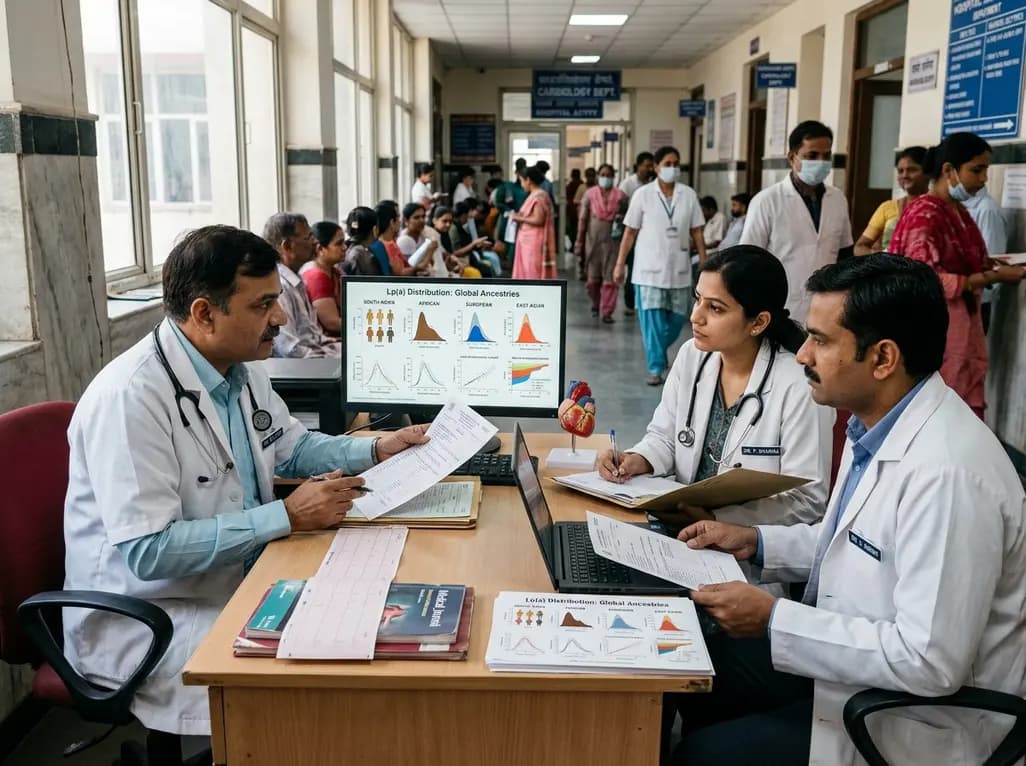
Atherosclerotic cardiovascular disease guidelines often rely on European-derived lipoprotein(a) cutoffs. However, baseline Lp(a) levels vary widely across ancestries, including South Asians and Africans. Clinicians must interpret Lp(a) values within overall absolute cardiovascular risk.
2 days back
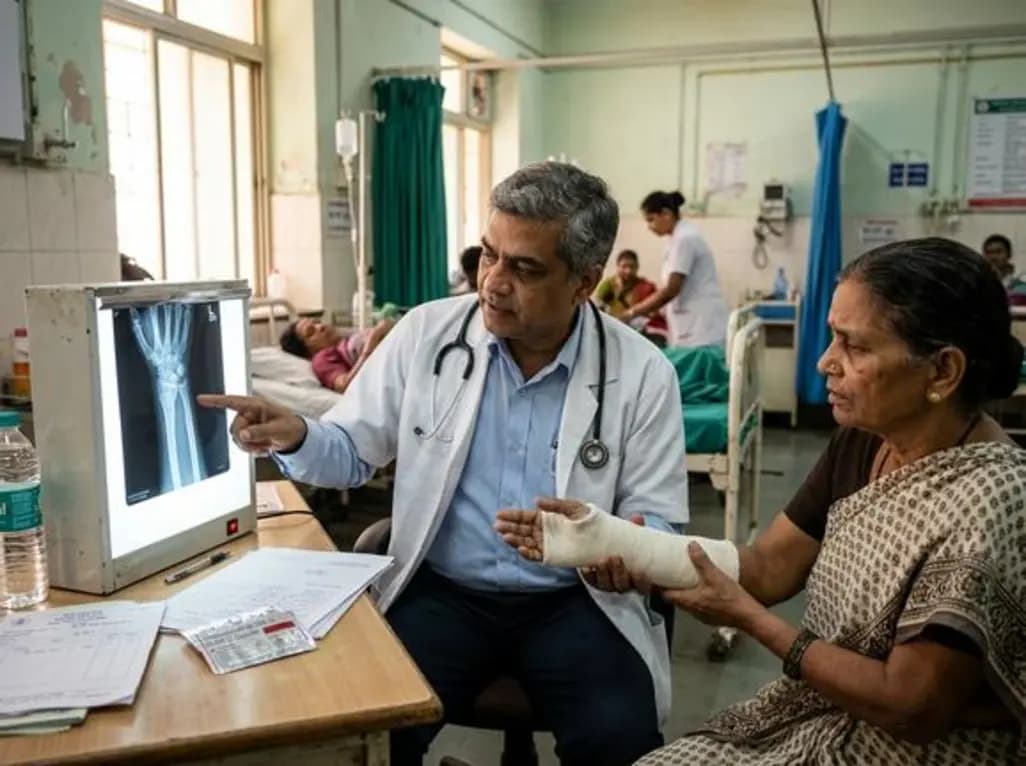
Nearly 80% of Indians suffer from inadequate Vitamin D, causing silent bone weakening and sudden fractures. This expert guide reviews why mega-dose therapy is critical for high-risk patients, the key factors driving widespread deficiency, and the mandatory medical evaluations needed to protect skeletal health.
3 months ago
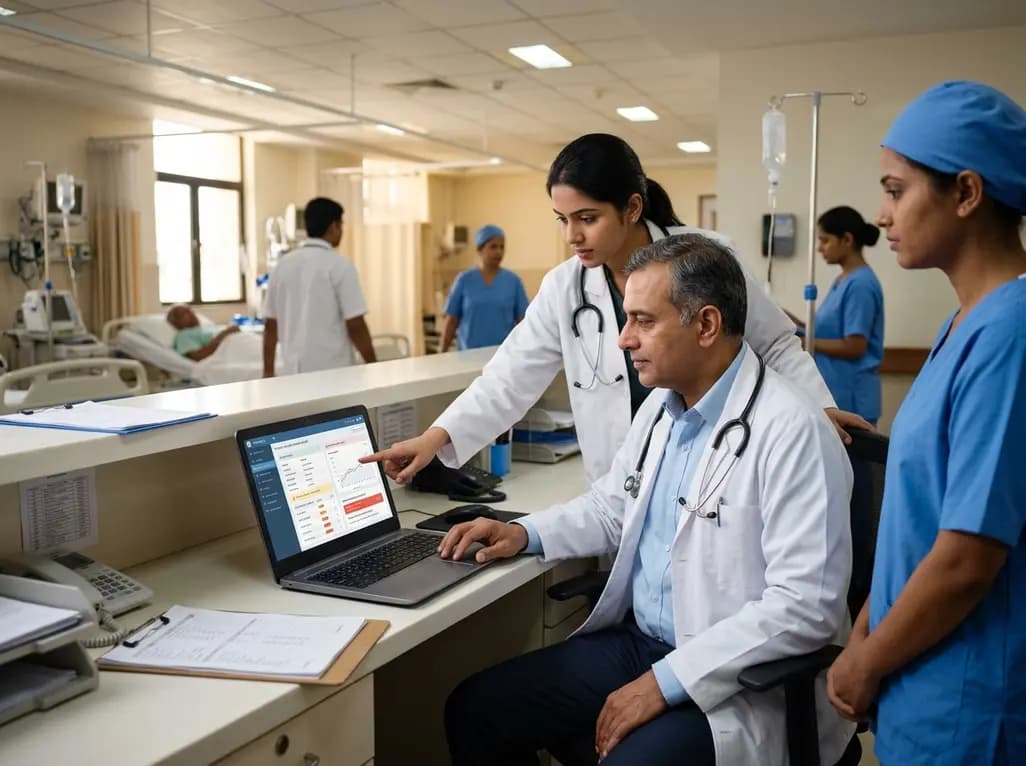
A nationwide mixed-methods study evaluated hospital glycemic management systems across 265 hospitals. While real-time alerts and automatic data sync are highly valued, significant disparities in digital maturity and low satisfaction with decision support highlight the need for standardized implementation.
last month
