.webp&w=384&q=75)

Loading, please wait...
Loading, please wait...
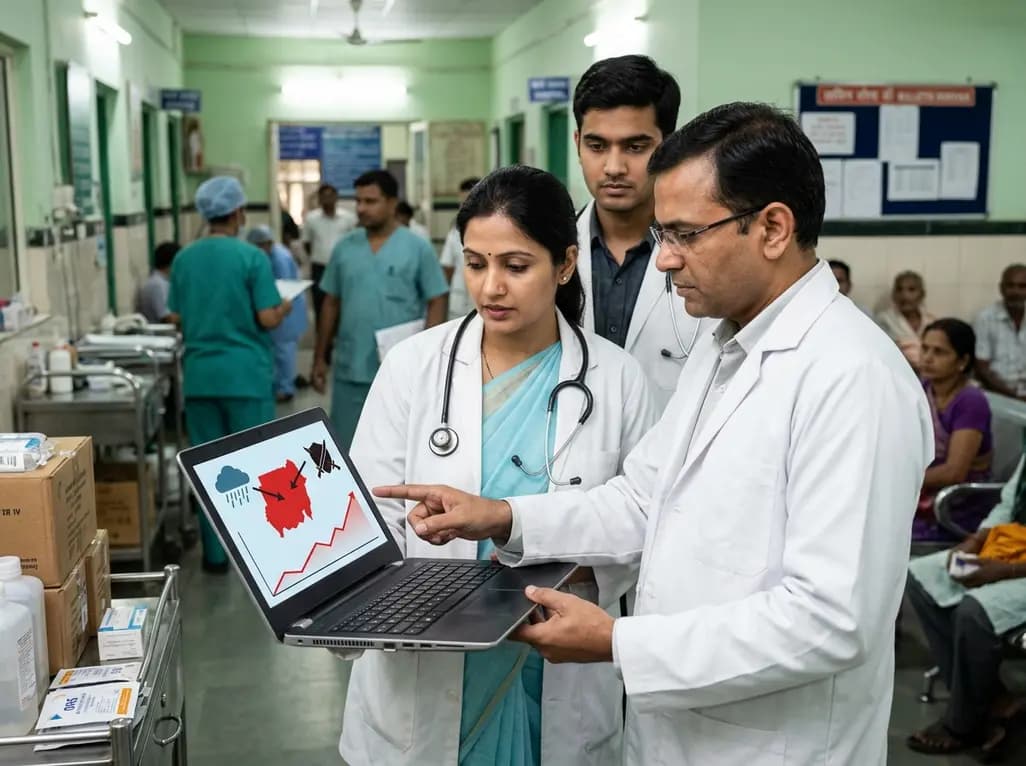
The healthcare crisis in Sudan is rapidly escalating as infectious diseases emerge amid ongoing warfare. Specifically, the World Health Organization recently warned that the Sudan cholera outbreak is likely to deteriorate significantly. Consequently, vulnerable populations face an unprecedented threat as humanitarian access continues to decline across multiple war-torn states.
Medical professionals must understand the pathophysiology and clinical course of cholera during crisis scenarios. Vibrio cholerae causes this acute, life-threatening diarrheal disease through the secretion of a potent enterotoxin. Consequently, this toxin stimulates adenylate cyclase, which leads to massive fluid and electrolyte secretion in the small intestine. Furthermore, patients can lose liters of water within hours, which rapidly results in severe hypovolemic shock. Historically, prompt administration of oral rehydration salts prevents death in the vast majority of cases. However, the current outbreak in Sudan presents extraordinary challenges that render standard protocols difficult to implement. The outbreak, which health officials declared on June 27, has already infected more than 1,300 people across several states. Moreover, the destruction of basic health infrastructure prevents timely diagnosis and immediate intervention. Therefore, clinicians must maintain a high index of suspicion when treating displaced persons presenting with acute watery diarrhea. Early isolation and aggressive rehydration remain the cornerstones of therapy in these resource-limited settings. Indeed, establishing local treatment centers can significantly reduce community transmission rates during this emergency. Additionally, rapid diagnostic tests offer invaluable support when laboratory capacity is unavailable.
The ongoing civil war in Sudan directly undermines the country's sanitary infrastructure. Specifically, intense fighting has severely damaged major municipal water treatment facilities and sewage systems. As a result, millions of displaced citizens must rely on untreated, contaminated water sources for daily survival. This lack of clean water creates an ideal environment for the rapid transmission of Vibrio cholerae. Furthermore, the active conflict blocks the delivery of essential water purification chemicals and hygiene supplies. Consequently, communities cannot sanitize their water, which dramatically accelerates the spread of infection. Additionally, the destruction of power grids has paralyzed local sanitation systems, which worsens the contamination of local aquifers. Therefore, cholera spreads rapidly through overcrowded displacement camps where basic hygiene is virtually impossible to maintain. Health workers struggle to establish clean water distribution points due to constant security threats. Indeed, the paramilitary Rapid Support Forces and the Sudanese army continue to clash near key population centers, which further restricts humanitarian efforts. Consequently, clinical prevention strategies fail because patients must return to the same contaminated environments after receiving treatment. This ongoing cycle creates a massive public health hurdle.
The current wave of cholera in Sudan exhibits a shockingly high case fatality rate. Specifically, the World Health Organization reported a case fatality rate of 13.7%. This figure far exceeds the standard global threshold of less than 1% for managed cholera outbreaks. Consequently, this elevated mortality rate indicates a complete collapse of primary healthcare services in affected areas. Many patients die within hours of symptom onset because they cannot access basic oral rehydration. Moreover, a critical shortage of intravenous fluids and antibiotics worsens the prognosis for severe cases. Additionally, malnutrition weakens the immune systems of millions of displaced children, which makes them highly vulnerable to fatal dehydration. Therefore, healthcare providers face extreme difficulties in managing patients who arrive at clinics in late-stage hypovolemic shock. Furthermore, a severe lack of trained medical staff limits the capacity to provide continuous monitoring and rapid fluid replacement. Indeed, many clinics operate with only a fraction of their required personnel. Consequently, preventable deaths continue to rise as clinicians struggle to manage overwhelming caseloads with negligible resources. Addressing this high mortality requires urgent global supply chain intervention.
The transmission of cholera is concentrated within specific high-risk regions in Sudan. Specifically, the states of Darfur and Kordofan represent the primary epicenters of the current crisis. Humanitarian organizations face severe difficulties reaching these areas due to active combat and administrative blockades. Consequently, healthcare workers cannot deliver lifesaving oral cholera vaccines and medical kits to besieged cities. A prime example is the city of al-Obeid, the capital of North Kordofan. There, intensive fighting has completely isolated health facilities from vital external supply lines. Furthermore, ongoing military operations and drone strikes prevent the safe movement of medical personnel. Therefore, the threat of a full-scale human rights and health catastrophe is rapidly growing. Many experts fear that al-Obeid could mirror the devastating siege of al-Fashir. Additionally, the displacement of millions across state borders spreads the pathogen to previously unaffected territories. Indeed, the constant movement of refugees makes disease surveillance almost impossible to coordinate. As a result, epidemiological tracking remains severely compromised, which hampers targeted outbreak response efforts. Without unimpeded access, medical teams cannot implement standard quarantine and containment protocols successfully in these regions.
The onset of the annual rainy season threatens to severely exacerbate the ongoing outbreak. Specifically, heavy downpours generate widespread flooding that easily overwhelms damaged sewage infrastructure. Consequently, contaminated water mixes with public drinking sources, which triggers exponential increases in infection rates. Displaced families living in makeshift shelters face the greatest risk because they lack physical barriers against contaminated rainwater. Furthermore, stagnant pools of water create ideal breeding grounds for vectors that carry other waterborne pathogens. Therefore, clinicians anticipate a concurrent rise in malaria and diarrheal diseases, which will further strain overwhelmed facilities. Additionally, muddy roads and flooded terrain physically block the delivery of emergency medical supplies to remote villages. As a result, isolated populations must battle severe infections without access to basic antibiotics or oral rehydration fluids. Moreover, international aid funding remains critically low, which severely limits the purchase of emergency sanitation equipment. Indeed, the World Health Organization reported that its specific emergency appeal for Sudan has received only a fraction of its required funding. Consequently, without immediate international intervention, the rainy season will likely transform a severe outbreak into a generational humanitarian catastrophe.
Q1: Why is the case fatality rate for this cholera outbreak so high?
The case fatality rate has reached an alarming 13.7% primarily because the ongoing conflict has devastated Sudan's healthcare system. Consequently, patients cannot access standard treatments like oral rehydration salts or intravenous fluids during the critical early stages of infection. Additionally, severe malnutrition weakens patient immune systems, while military blockades prevent medical teams from delivering essential supplies to besieged areas, making timely clinical intervention virtually impossible for those in desperate need.
Q2: How does the rainy season affect the transmission of cholera?
The annual rainy season dramatically accelerates cholera transmission by causing widespread flooding that overwhelms fragile sanitation systems. Specifically, heavy downpours wash raw sewage and animal waste directly into shallow wells and public drinking water sources. Furthermore, flooding creates extensive pools of stagnant water, which compromises general hygiene. Displaced populations living in overcrowded camps lack adequate shelter, which leaves them exposed to contaminated water and rapidly increases infection rates throughout the affected regions.
Q3: What immediate measures can clinicians take to manage cholera in conflict zones?
In conflict zones, clinicians must focus on rapid triage and early rehydration therapy to save lives. Specifically, setting up temporary oral rehydration points outside main hospitals helps manage mild cases efficiently. Additionally, medical staff should train community volunteers to distribute water purification tablets and promote basic hygiene practices. Despite severe supply blockades, establishing local isolation wards remains critical to prevent the disease from spreading throughout densely populated displacement camps and other vulnerable communities.
Disclaimer: This content is for informational and educational purposes only. It does not constitute medical advice or replace professional judgment. Refer to the latest local and national guidelines for clinical practice.
References

Read summarized clinical updates, watch expert medical content, and earn CME certifications right from your smartphone.
Open your smartphone camera to scan and install.





The World Health Organization warns that Sudan's cholera outbreak is rapidly worsening under the dual pressures of violent conflict and the onset of the heavy rainy season. With a case fatality rate of 13.7% and restricted aid access, international health agencies are calling for immediate humanitarian support.
3 months ago
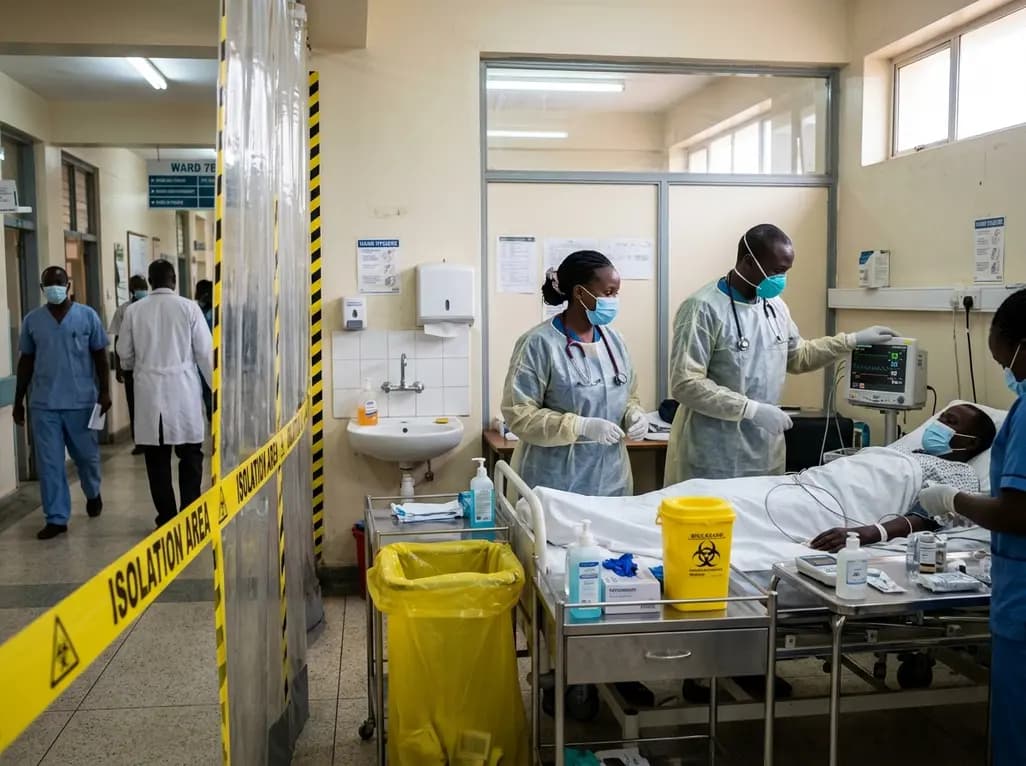
Kenya's confirmation of its eighth Ebola infection highlights the acute risk of secondary transmission in hospital environments. Clinicians must maintain high vigilance, enforce strict infection prevention protocols, and implement rapid triage mechanisms for viral hemorrhagic fevers across healthcare settings.
5 days back
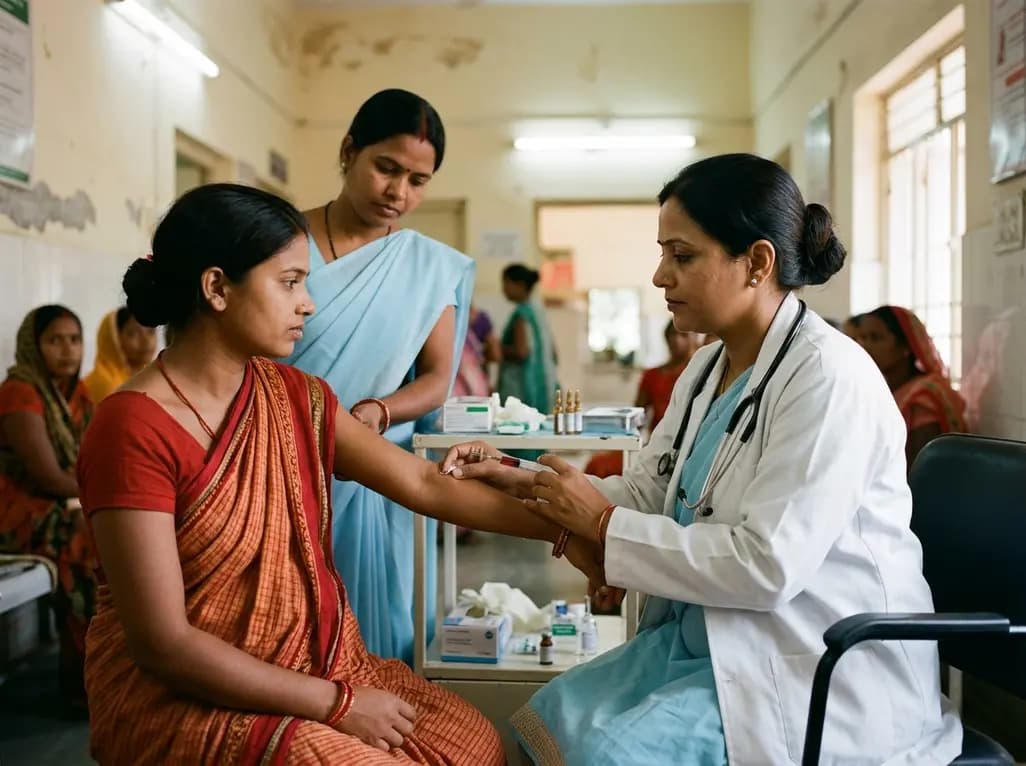
Maternal anaemia contributes to nearly half of pregnancy-related fatalities across India. To prevent complications, Uttar Pradesh has added single-dose parenteral iron to its essential medicines list. This clinical transition aims to restore haemoglobin rapidly and protect high-risk mothers across rural facilities.
2 weeks back

India's food safety authority FSSAI has issued show-cause notices to Gemini Edibles, BigBasket, and Flipkart for unpermitted cardiovascular claims regarding Freedom Rice Bran Oil. This regulatory move highlights the strict enforcement of advertising standards and the clinical necessity of evidence-based lipid care.
Last week
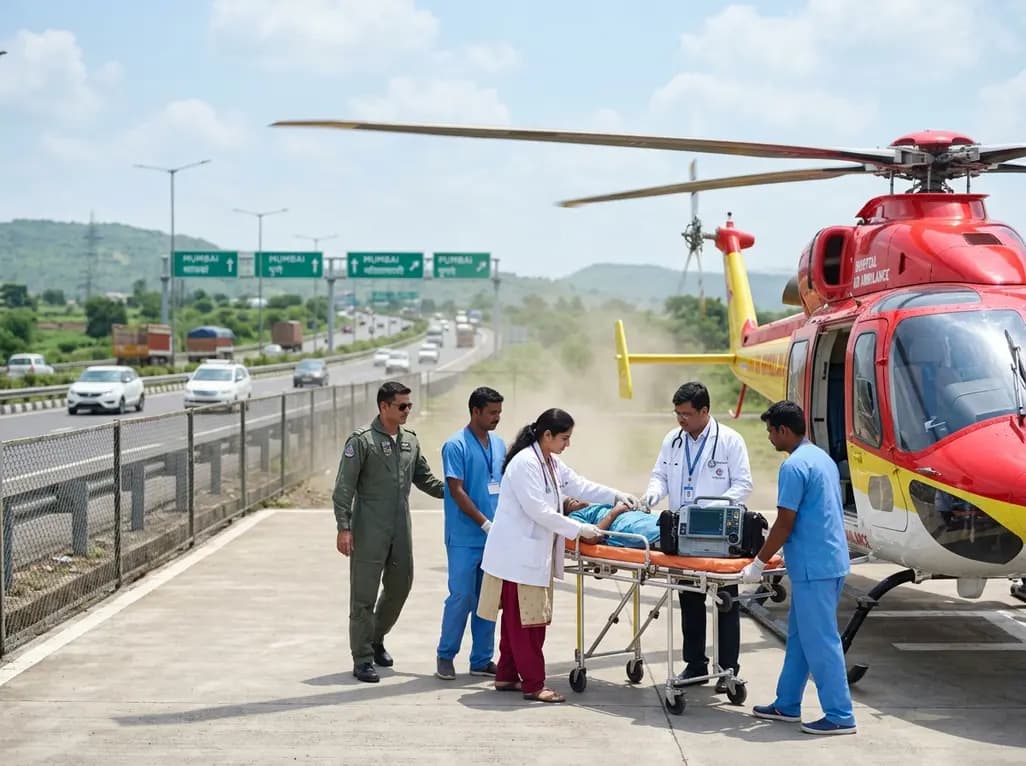
The state government is deploying helicopter emergency medical services across the Mumbai-Pune Expressway, Samruddhi Mahamarg, and Mumbai-Goa Highway. This initiative establishes unified standard operating procedures to enable rapid triage, advanced prehospital resuscitation, and seamless trauma care transfers.
Last week
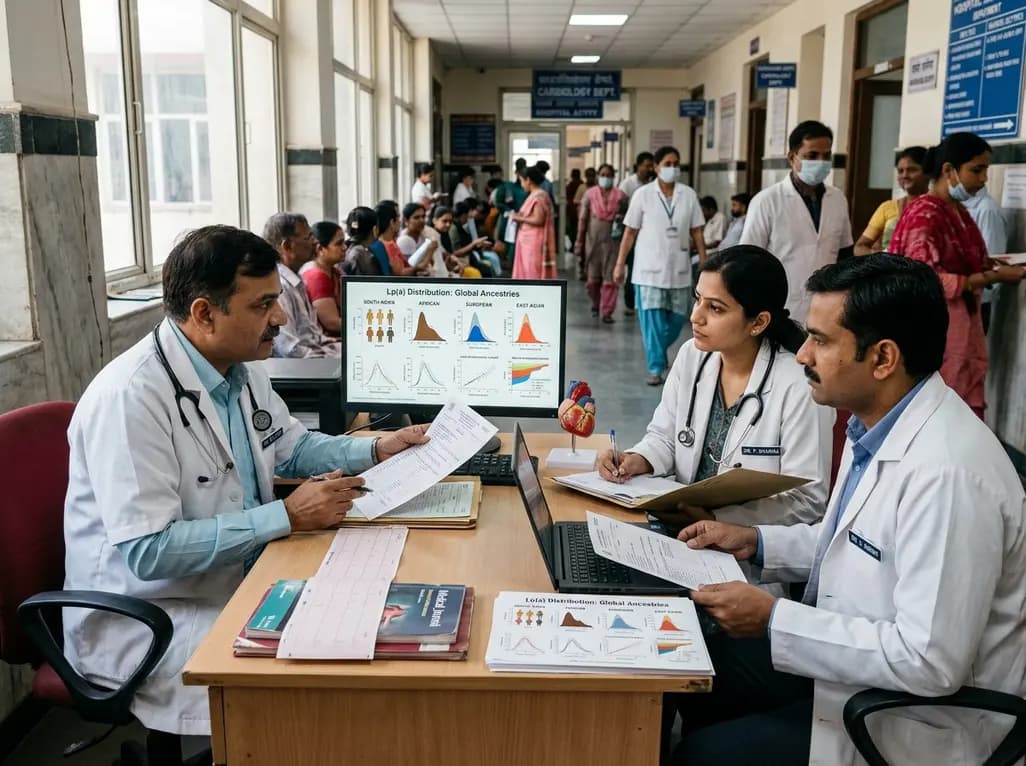
Atherosclerotic cardiovascular disease guidelines often rely on European-derived lipoprotein(a) cutoffs. However, baseline Lp(a) levels vary widely across ancestries, including South Asians and Africans. Clinicians must interpret Lp(a) values within overall absolute cardiovascular risk.
Last week
