.webp&w=384&q=75)

Loading, please wait...
Loading, please wait...
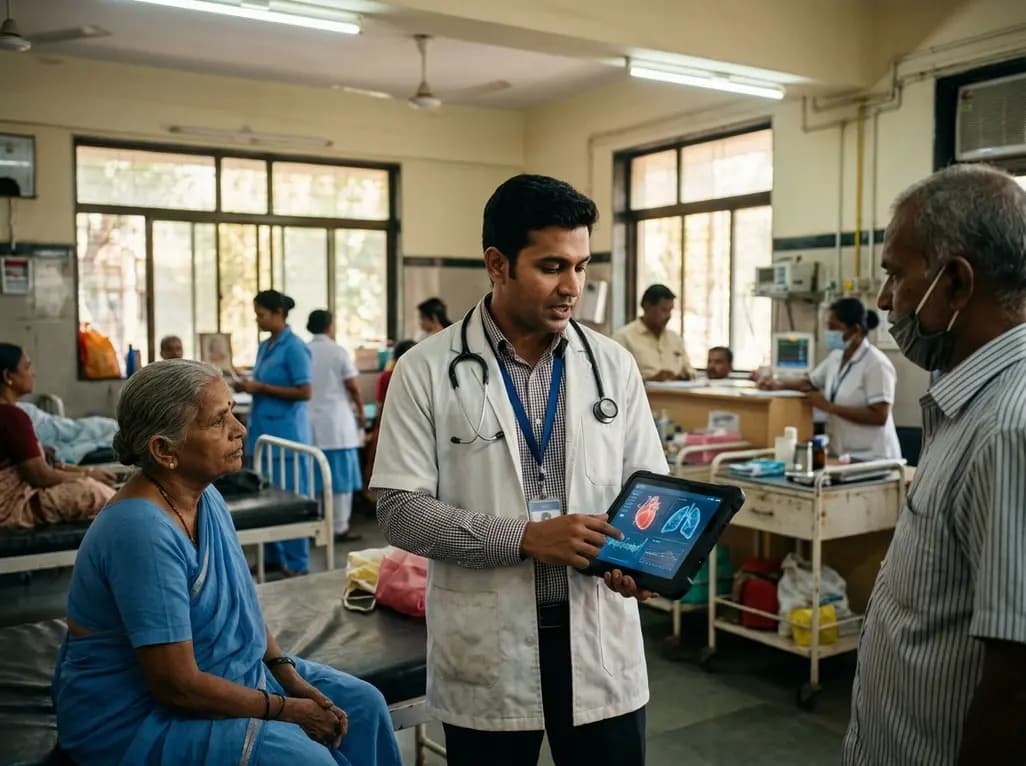
The Indian healthcare ecosystem is undergoing a dramatic transformation to achieve self-reliance in medical technology. Recently, the Department of Pharmaceuticals under the Ministry of Chemicals and Fertilisers launched a massive drive to promote domestic manufacturing. By introducing the SMDI scheme, the government aims to reduce heavy import dependence. This policy is a crucial milestone for indigenous manufacturers, clinicians, and researchers across the country. Additionally, the initiative fosters a robust ecosystem where medical devices can undergo testing and manufacturing locally. Consequently, this lowers procurement costs and enhances the accessibility of state-of-the-art clinical tools for healthcare providers. Under this framework, the government invites proposals from eligible entities, offering substantial financial incentives to candidates. Ultimately, this national endeavor will redefine how medical devices are designed, validated, and manufactured within India.
The SMDI scheme is specifically structured to address systemic gaps in the Indian medical technology landscape. Historically, Indian hospitals have relied extensively on foreign imports for sophisticated diagnostic and therapeutic machinery. To address this vulnerability, this comprehensive scheme offers targeted financial support to eligible domestic manufacturers. Moreover, the strategic initiative focuses heavily on enhancing value chains to ensure high manufacturing standards. Subsequently, this policy will encourage local innovators to produce reliable, high-quality, and cost-effective clinical alternatives. Furthermore, the program is divided into two highly specialized sub-schemes to optimize resource allocation. These divisions ensure that both direct component manufacturing and academic clinical investigations receive dedicated financial resources. Consequently, Indian healthcare institutions can anticipate a steady supply of locally produced, regulatory-compliant medical accessories. This shift will ultimately secure the healthcare supply chain from global market fluctuations. Additionally, local manufacturing will accelerate the adoption of personalized medicine across various medical fields.
One major pillar of this central program is the Marginal Investment Scheme for Reducing Import Dependence. Specifically, this sub-scheme aims to bolster the domestic production of essential medical raw materials. Many manufacturers struggle with the high initial capital requirements of producing specialized electronic components. Therefore, the government offers a substantial financial incentive to ease this burden. Selected applicants can receive a one-time capital subsidy of up to Rs 10 crore. Crucially, the government disburses these funds on a reimbursement basis to ensure transparency. This monetary assistance covers the manufacturing of key components, finished devices, and clinical accessories. Consequently, companies can scale up their operations without facing severe liquidity crunches. Moreover, this financial buffer allows firms to invest in advanced machinery and quality control systems. As a result, the medical devices produced under this scheme will adhere to international quality benchmarks. Ultimately, this targeted support will drastically reduce India's reliance on foreign medical hardware. Indeed, local clinics will gain access to premium diagnostic equipment at affordable rates.
The second critical pillar of the initiative is the Medical Device Clinical Studies Support Scheme (MDCSS). For any medical device, establishing clinical efficacy and safety is of paramount importance. However, conducting thorough clinical evaluations often requires massive financial investments. To mitigate this obstacle, the department will provide financial support of up to Rs 5 crore. This capital is disbursed specifically on a reimbursement basis to eligible applicants. Additionally, the funding covers clinical investigations, clinical performance evaluations, and animal studies. It also assists companies in conducting rigorous post-market clinical follow-up studies. Consequently, this ensures that devices remain safe long after their initial commercial launch. Furthermore, this scheme supports both established biomedical companies and innovative early-stage start-ups. By generating solid clinical data, Indian manufacturers can enhance their credibility in international markets. Therefore, MDCSS plays a dual role in advancing scientific research and expanding India's global export footprint. Ultimately, this sub-scheme guarantees that Indian patients receive devices backed by rigorous, peer-reviewed scientific evidence.
To secure these benefits, prospective applicants must follow a structured and timely application procedure. Specifically, eligible entities must submit their detailed proposals online through the official dedicated portal. This online submission platform is accessible at http://smdi.lsssdc.in for convenience. Applicants must complete this process on or before July 23, 2026, by 6:00 PM. Additionally, the Department of Pharmaceuticals has uploaded comprehensive operational guidelines on its website. Interested organizations can review these detailed criteria at https://pharma-dept.gov.in/schemes to ensure compliance. Crucially, the selection process focuses on projects that show a high potential for import substitution. Moreover, priority is given to proposals that demonstrate technological innovation and scientific feasibility. Consequently, applicants should prepare highly detailed project reports, financial projections, and research protocols. Subsequently, the Scheme Steering Committee will evaluate each proposal based on established performance indicators. Ultimately, successful candidates will receive official communication regarding their selection and funding disbursement timelines. Therefore, early preparation is highly recommended for all interested biomedical entities.
Beyond manufacturing subsidies, the government recognizes the critical importance of a highly skilled workforce. Therefore, the overarching scheme includes a sub-scheme dedicated to capacity building and skill development. Specifically, this initiative addresses existing educational and research gaps in the medical technology sector. To achieve this, the program facilitates collaborations between academic institutions and manufacturing units. Consequently, students and researchers can gain hands-on training with cutting-edge medical hardware. Furthermore, this collaborative approach nurtures an active research and development ecosystem in India. By cultivating a skilled workforce, the country can sustain long-term growth in biomedical innovation. Additionally, the government provides financial assistance to central institutions for designing advanced medical tech curricula. As a result, the next generation of engineers will be well-equipped to design world-class medical devices. Ultimately, this comprehensive educational reform will bridge the gap between academic theory and practical manufacturing demands. Consequently, India's medical technology sector will secure a highly competitive position on the global stage. Indeed, this holistic approach will transform India into a dominant medical manufacturing hub.
Q1: What is the primary objective of the SMDI scheme introduced by the government?
The primary objective of the SMDI scheme is to strengthen India's domestic medical device industry by reducing its heavy dependence on imports. Specifically, the government aims to promote local manufacturing, support innovation, and enhance biomedical value chains. By providing substantial financial subsidies, the scheme encourages local companies to manufacture key components and finished devices, ultimately fostering a self-reliant and accessible healthcare ecosystem.
Q2: How does the Medical Device Clinical Studies Support Scheme (MDCSS) assist eligible biomedical entities?
The MDCSS provides critical financial assistance of up to Rs 5 crore on a reimbursement basis to help companies conduct rigorous clinical investigations. Specifically, this funding covers animal studies, clinical performance evaluations, and post-market clinical follow-up studies. Consequently, this financial support helps local manufacturers generate reliable clinical evidence to demonstrate safety. Ultimately, this validation boosts the credibility of Indian medical equipment in global markets.
Q3: What are the submission deadlines and portals for submitting proposals under the SMDI scheme?
Eligible applicants must submit their detailed proposals online through the official submission portal at http://smdi.lsssdc.in. Crucially, the final deadline for submitting these applications is July 23, 2026, precisely at 6:00 PM. Additionally, applicants should visit the Department of Pharmaceuticals website at https://pharma-dept.gov.in/schemes to review operational guidelines. Consequently, early submission is highly recommended to avoid technical delays and ensure compliance.
Disclaimer: This content is for informational and educational purposes only. It does not constitute medical advice or replace professional judgment. Refer to the latest local and national guidelines for clinical practice.
References

Read summarized clinical updates, watch expert medical content, and earn CME certifications right from your smartphone.
Open your smartphone camera to scan and install.





The Indian Government has invited proposals under the Scheme for Strengthening of Medical Device Industry (SMDI). Offering financial assistance and capital subsidies up to Rs 10 crore, the two key sub-schemes aim to reduce import dependence, enhance domestic manufacturing, and support clinical investigation.
3 months ago
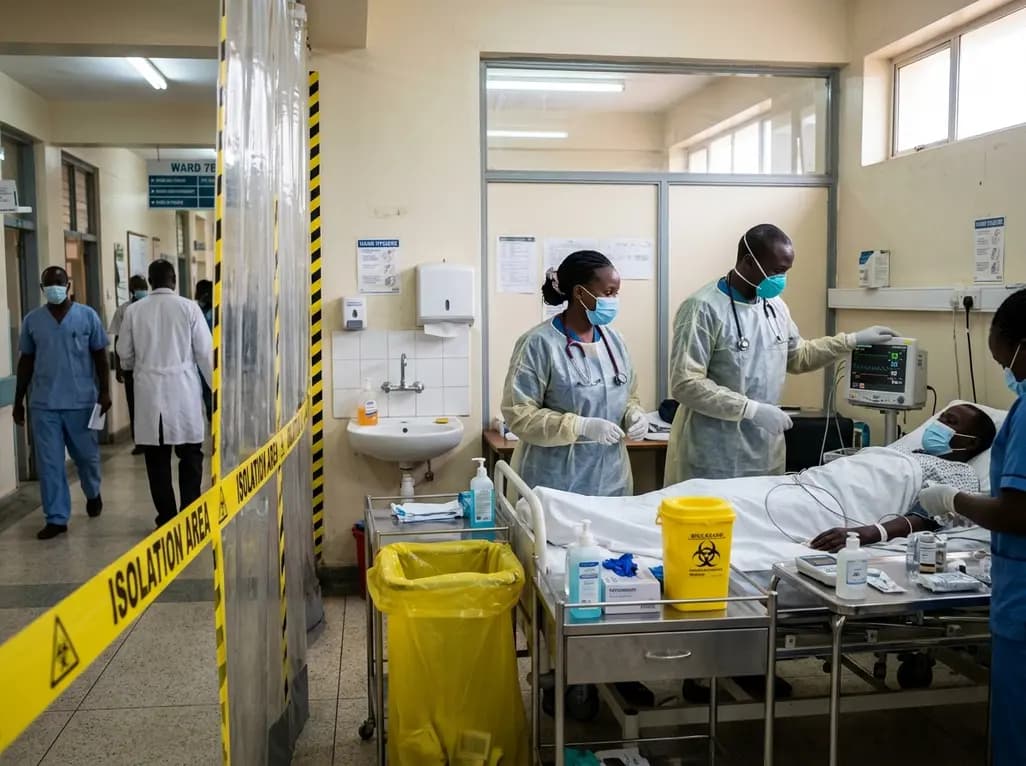
Kenya's confirmation of its eighth Ebola infection highlights the acute risk of secondary transmission in hospital environments. Clinicians must maintain high vigilance, enforce strict infection prevention protocols, and implement rapid triage mechanisms for viral hemorrhagic fevers across healthcare settings.
3 days back
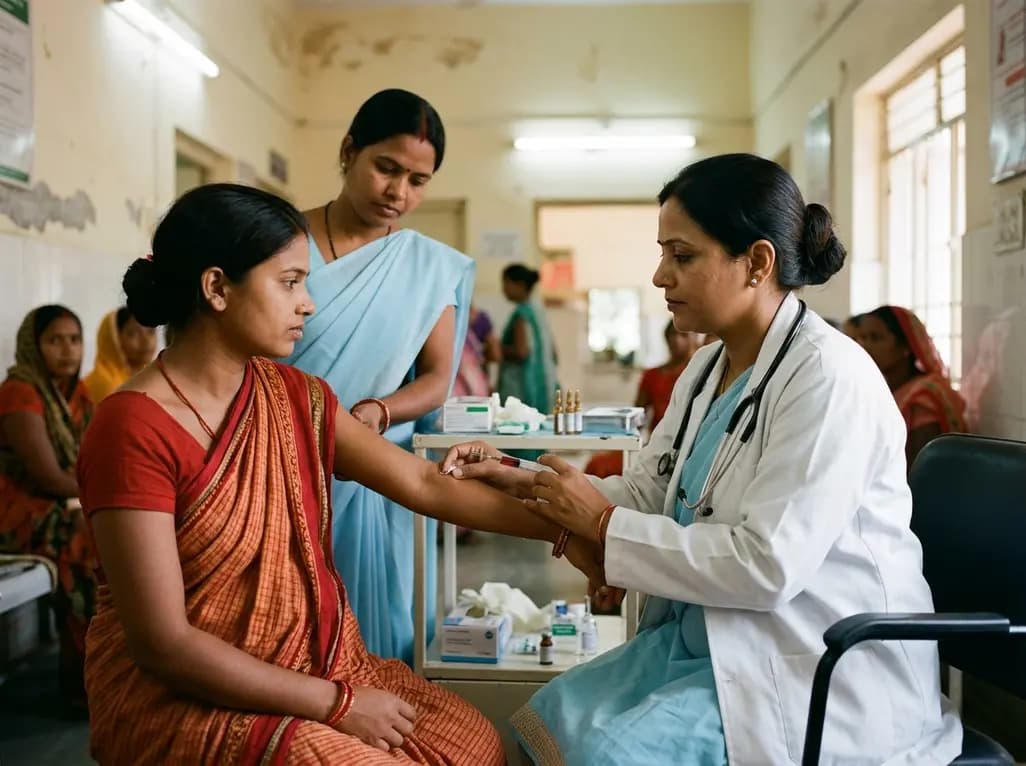
Maternal anaemia contributes to nearly half of pregnancy-related fatalities across India. To prevent complications, Uttar Pradesh has added single-dose parenteral iron to its essential medicines list. This clinical transition aims to restore haemoglobin rapidly and protect high-risk mothers across rural facilities.
Last week
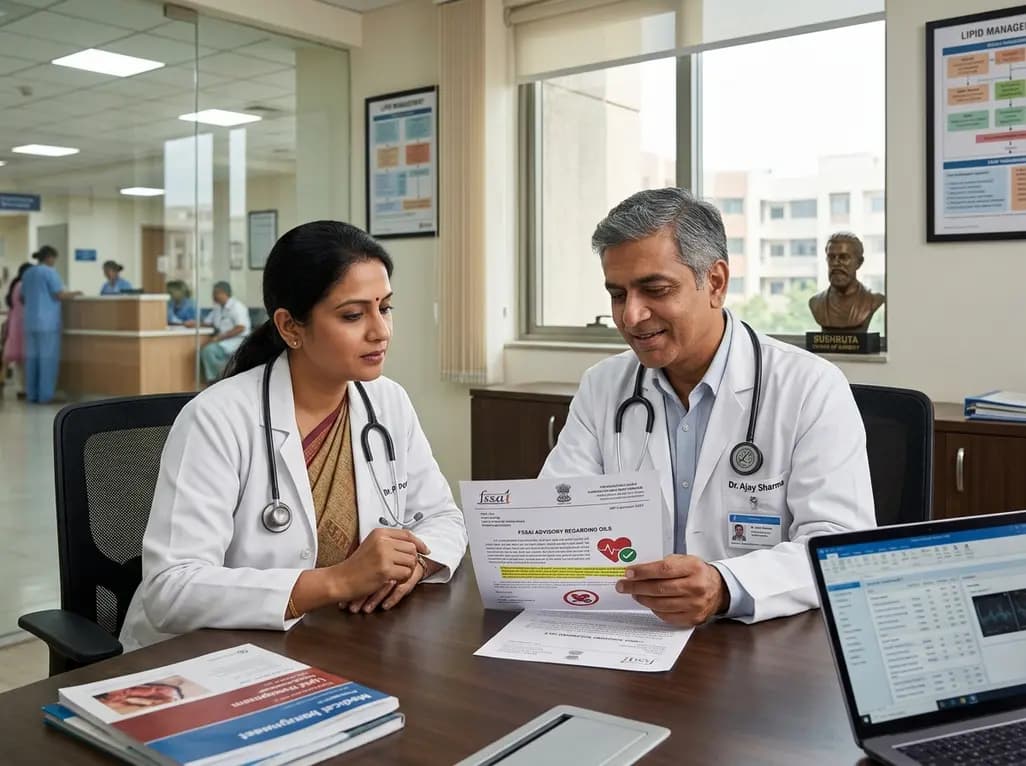
India's food safety authority FSSAI has issued show-cause notices to Gemini Edibles, BigBasket, and Flipkart for unpermitted cardiovascular claims regarding Freedom Rice Bran Oil. This regulatory move highlights the strict enforcement of advertising standards and the clinical necessity of evidence-based lipid care.
5 days back

The state government is deploying helicopter emergency medical services across the Mumbai-Pune Expressway, Samruddhi Mahamarg, and Mumbai-Goa Highway. This initiative establishes unified standard operating procedures to enable rapid triage, advanced prehospital resuscitation, and seamless trauma care transfers.
Last week
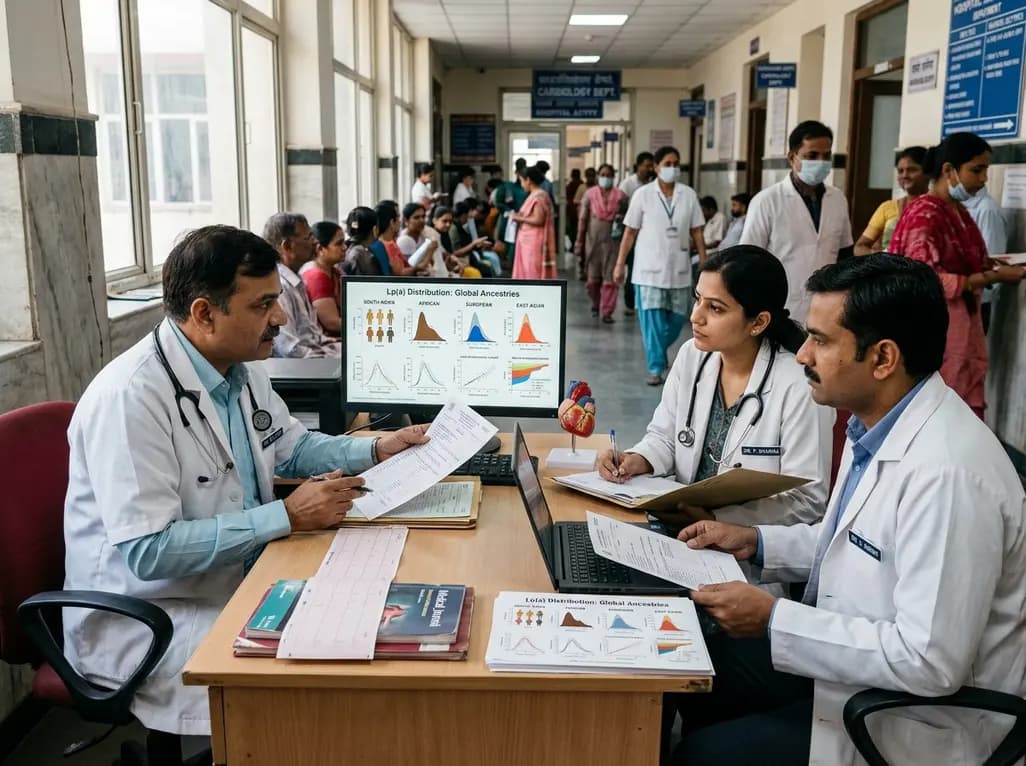
Atherosclerotic cardiovascular disease guidelines often rely on European-derived lipoprotein(a) cutoffs. However, baseline Lp(a) levels vary widely across ancestries, including South Asians and Africans. Clinicians must interpret Lp(a) values within overall absolute cardiovascular risk.
Last week
