.webp&w=384&q=75)

Loading, please wait...
Loading, please wait...
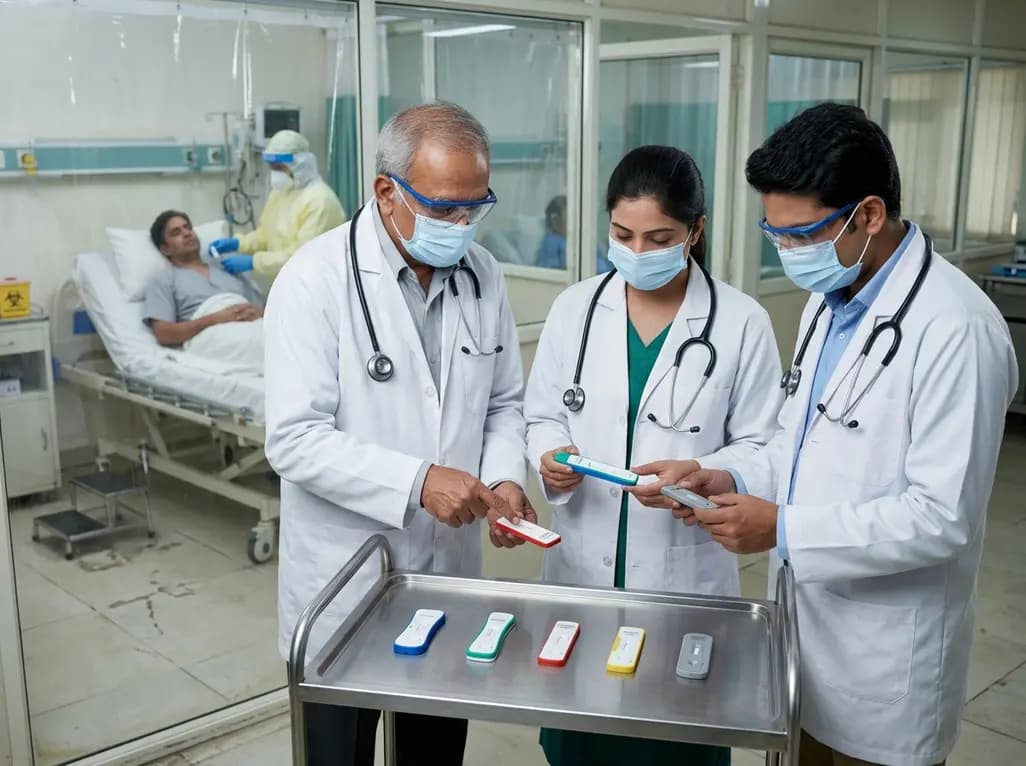
The ongoing 2026 Bundibugyo Ebola outbreak in Central Africa has highlighted a critical diagnostic gap. Currently, Congolese healthcare workers struggle to contain the spreading pathogen due to delayed laboratory results. Consequently, international agencies are accelerating the evaluation of point-of-care diagnostics. Field teams desperately need a rapid Ebola test to screen suspected individuals immediately. This diagnostic breakthrough could significantly alter outbreak containment by enabling on-the-spot patient isolation. Therefore, global health organizations are working intensely with medical technology companies to evaluate candidate assays. The ultimate goal remains to deploy reliable testing kits to remote clinical sites within weeks.
Indeed, the lack of an approved bedside diagnostic tool for the Bundibugyo strain has severely hampered public health responses. Currently, laboratory molecular testing takes several days due to transport bottlenecks. During this prolonged waiting period, infected individuals can easily transmit the virus to families and healthcare providers. Therefore, introducing a rapid diagnostic test is an absolute priority for containing the pathogen. These novel assays will detect viral antigens directly in blood samples from live patients. Previously, field teams only used rapid diagnostic tests on deceased individuals to confirm post-mortem cases. However, researchers are now designing newer tests specifically for active clinical monitoring. Consequently, medical teams can make rapid treatment and isolation decisions without waiting for laboratory confirmation. This immediate clinical decision-making is vital because early isolation remains the cornerstone of breaking transmission chains. Additionally, early diagnosis allows clinicians to initiate supportive care much faster, improving patient survival rates. Thus, decentralized diagnostic tools will bolster the fragile regional healthcare infrastructure. Furthermore, these tests will empower rural clinics to manage potential outbreaks independently. Ultimately, this local empowerment is crucial for successful epidemic containment.
To address this urgent diagnostic deficit, the Geneva-based non-profit FIND recently narrowed its search to five key manufacturers. Initially, the organization evaluated twenty-one global candidates based on strict performance and manufacturing criteria. Ultimately, the selected short-listed companies include two based in West Africa, two in South Korea, and one in the United States. Furthermore, FIND prioritized manufacturers who demonstrated the capacity to produce and ship thousands of units rapidly. These manufacturers must also demonstrate that their assays can withstand harsh tropical climates without refrigeration. Meanwhile, investigators plan to commence field trials in eastern Congo in mid-July. However, the precise timeline for widespread rollout still depends on regulatory clearances from national authorities. Because of these pending approvals, international coordinators are working closely with regional ethics boards. This collaborative effort ensures that medical teams do not compromise safety standards during the emergency response. Additionally, local laboratory technicians must receive specialized training to operate the new diagnostic kits effectively. Therefore, FIND is coordinating with local health ministries to establish rapid deployment networks. These synchronized efforts will ensure that the tests reach high-risk zones without unnecessary bureaucratic delays.
Implementing new medical technologies in eastern Congo presents extraordinary logistical and social challenges. For instance, the affected provinces of Ituri, North Kivu, and South Kivu suffer from severely damaged infrastructure. Consequently, transporting sensitive clinical samples to reference laboratories is incredibly difficult and dangerous. Moreover, persistent insecurity and local conflicts further restrict the movement of medical personnel. Under-prepared health systems, which are currently suffering from foreign aid cuts, exacerbate these physical barriers. Additionally, responders must navigate deep-seated public distrust toward government officials and international aid organizations. Because of this skepticism, healthcare workers often face resistance when attempting to isolate suspected cases. Therefore, point-of-care testing offers a powerful tool to build community trust by providing immediate, transparent results. When families receive instant diagnostic confirmation, they are more likely to accept isolation and treatment recommendations. Thus, rapid testing addresses both the clinical and the social complexities of outbreak management. Furthermore, decentralized testing reduces the need to transport hazardous biological samples over long distances. Ultimately, this practice minimizes accidental exposure risks for medical transport workers. Therefore, deploying these tests rapidly is essential for regional biosafety.
In parallel with the rapid antigen test race, other molecular breakthroughs are rapidly occurring. Notably, the World Health Organization recently listed the first molecular diagnostic test for this strain under its Emergency Use Listing. This newly listed test identifies the genetic material of the virus in patient blood samples. Furthermore, pharmaceutical giant Roche recently developed a research-use-only PCR assay within six days of sequence publication. This rapid assay development highlights how modern genomic technologies can respond to emerging infectious threats. However, these advanced molecular tests still require specialized equipment and stable power sources. Consequently, FIND is simultaneously searching for manufacturers who can produce simplified molecular test cartridges. These rugged cartridges can operate on portable platforms that require minimal laboratory training. Therefore, combining antigen-based rapid tests with portable molecular diagnostics will create a highly resilient testing network. While antigen tests provide rapid screening at the village level, molecular cartridges can confirm borderline cases locally. Ultimately, this multi-tiered approach provides both the speed and the accuracy required to control the expanding epidemic.
The deployment of rapid diagnostic tools aligns perfectly with ongoing therapeutic clinical trials in the region. Specifically, the Democratic Republic of the Congo recently launched the historic PARTNERS clinical trial in Bunia. This study evaluates the efficacy of the monoclonal antibody MBP134 and the antiviral medication remdesivir. However, these advanced therapeutics are most effective when administered during the early stages of viral replication. Therefore, the success of these drug trials depends heavily on the availability of a fast diagnostic method. Consequently, delayed diagnostics often force clinicians to enroll patients too late to experience the maximum benefits. Additionally, combining early point-of-care testing with experimental therapies could dramatically reduce the high case-fatality rate. Moreover, researchers are conducting clinical trials alongside the public health response to maximize real-world data collection. This integrated approach ensures that scientific research directly supports active patient care. As a result, the medical community will gain critical insights into both filovirus treatment and rapid diagnostics. Ultimately, these clinical trials will pave the way for a standardized protocol to manage future Ebola outbreaks.
Q1: What makes the Bundibugyo Ebola virus strain particularly challenging for healthcare providers?
The Bundibugyo strain causes severe viral hemorrhagic fever and is highly lethal, carrying a case-fatality rate between thirty and fifty percent. Historically, diagnostic platforms like the GeneXpert system did not detect this specific strain, leading to massive diagnostic delays. Consequently, clinicians must wait days for reference laboratory results. This delay hinders rapid patient isolation, which significantly accelerates community transmission.
Q2: How do rapid antigen tests differ from the molecular PCR tests currently used in the outbreak?
Rapid antigen tests detect specific viral proteins on-the-spot, providing results within minutes without requiring electricity or complex laboratory equipment. Conversely, PCR tests detect viral genetic material with high accuracy but require specialized machines, reliable power, and trained personnel. Therefore, while molecular PCR remains the diagnostic gold standard, antigen tests are crucial for rapid, decentralized field screening.
Q3: What role does the non-profit organization FIND play in managing the Ebola diagnostic response?
The Geneva-based non-profit FIND actively accelerates the development and deployment of diagnostic tools for emerging infectious diseases. Specifically, the organization is evaluating twenty-one test candidates to select five manufacturers for upcoming clinical field trials in eastern Congo. By establishing strict performance criteria, FIND ensures that the chosen diagnostics are reliable, scalable, and suitable for resource-poor settings.
Disclaimer: This content is for informational and educational purposes only. It does not constitute medical advice or replace professional judgment. Refer to the latest local and national guidelines for clinical practice.
References

Read summarized clinical updates, watch expert medical content, and earn CME certifications right from your smartphone.
Open your smartphone camera to scan and install.





The global search for a rapid diagnostic test for the rare Bundibugyo Ebola virus is narrowing to five key manufacturers. With the 2026 outbreak claiming over 400 lives in the Democratic Republic of the Congo, deploying on-the-spot antigen testing is critical to establishing immediate patient isolation protocols.
3 months ago
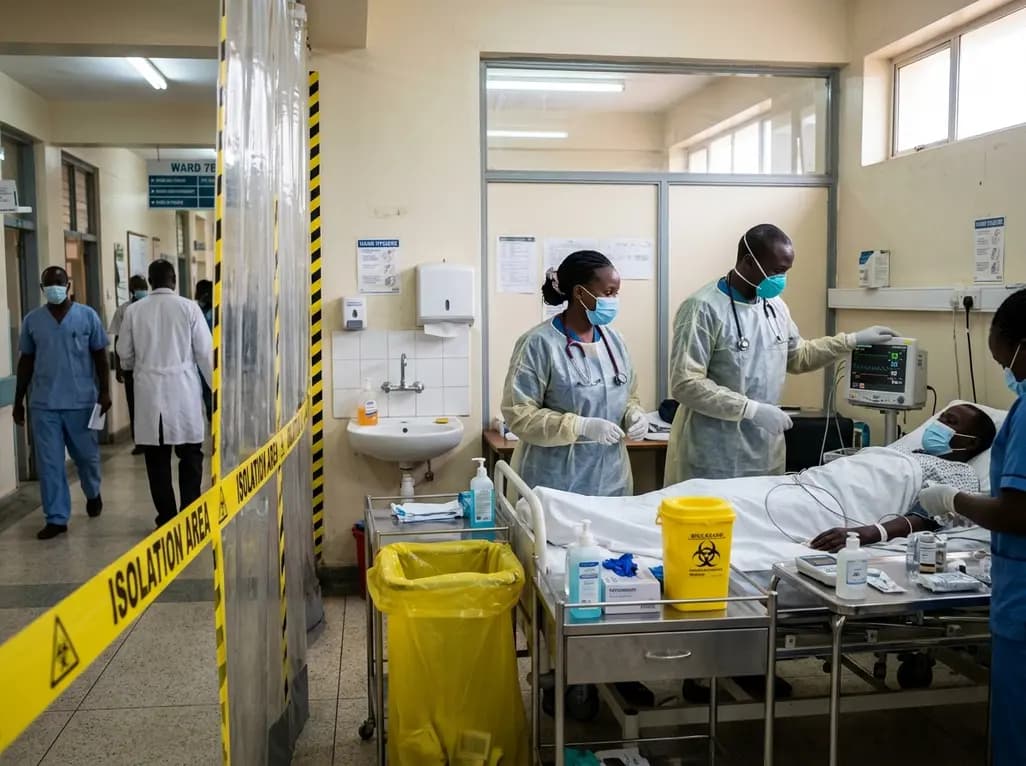
Kenya's confirmation of its eighth Ebola infection highlights the acute risk of secondary transmission in hospital environments. Clinicians must maintain high vigilance, enforce strict infection prevention protocols, and implement rapid triage mechanisms for viral hemorrhagic fevers across healthcare settings.
4 days back
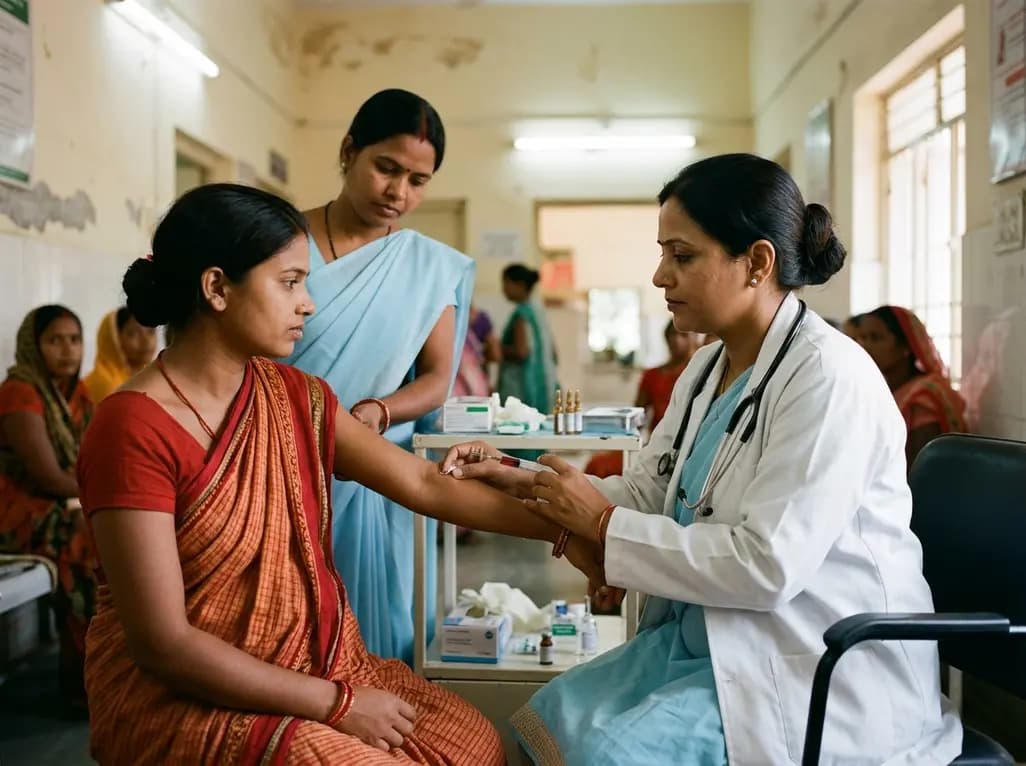
Maternal anaemia contributes to nearly half of pregnancy-related fatalities across India. To prevent complications, Uttar Pradesh has added single-dose parenteral iron to its essential medicines list. This clinical transition aims to restore haemoglobin rapidly and protect high-risk mothers across rural facilities.
Last week
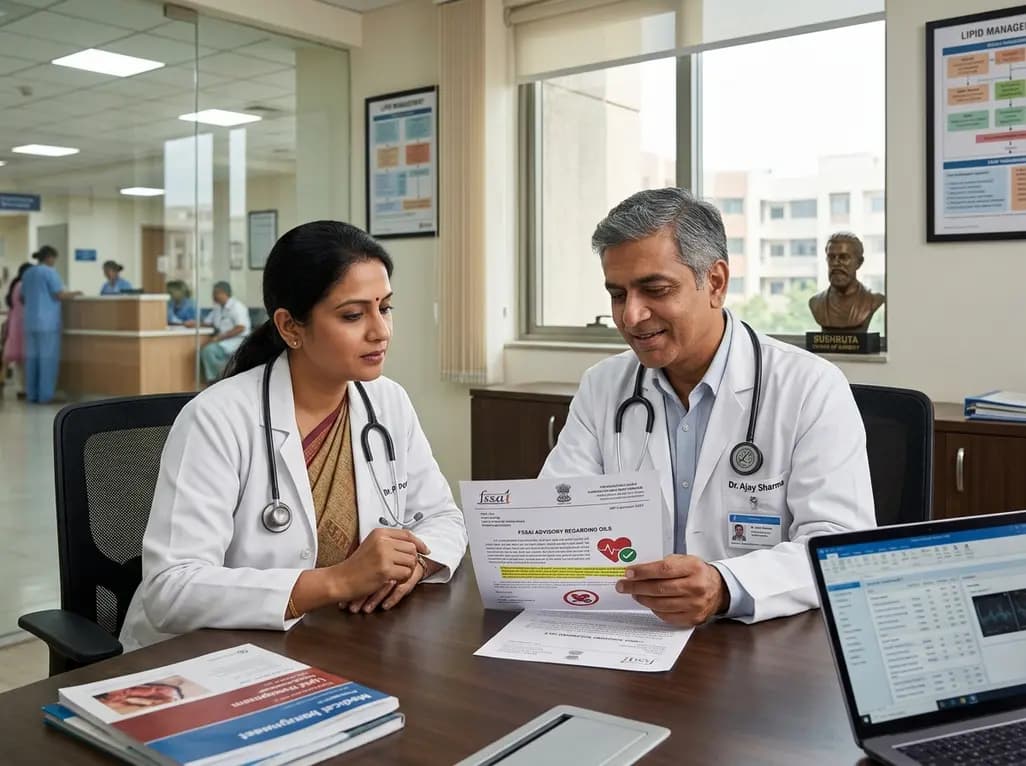
India's food safety authority FSSAI has issued show-cause notices to Gemini Edibles, BigBasket, and Flipkart for unpermitted cardiovascular claims regarding Freedom Rice Bran Oil. This regulatory move highlights the strict enforcement of advertising standards and the clinical necessity of evidence-based lipid care.
6 days back
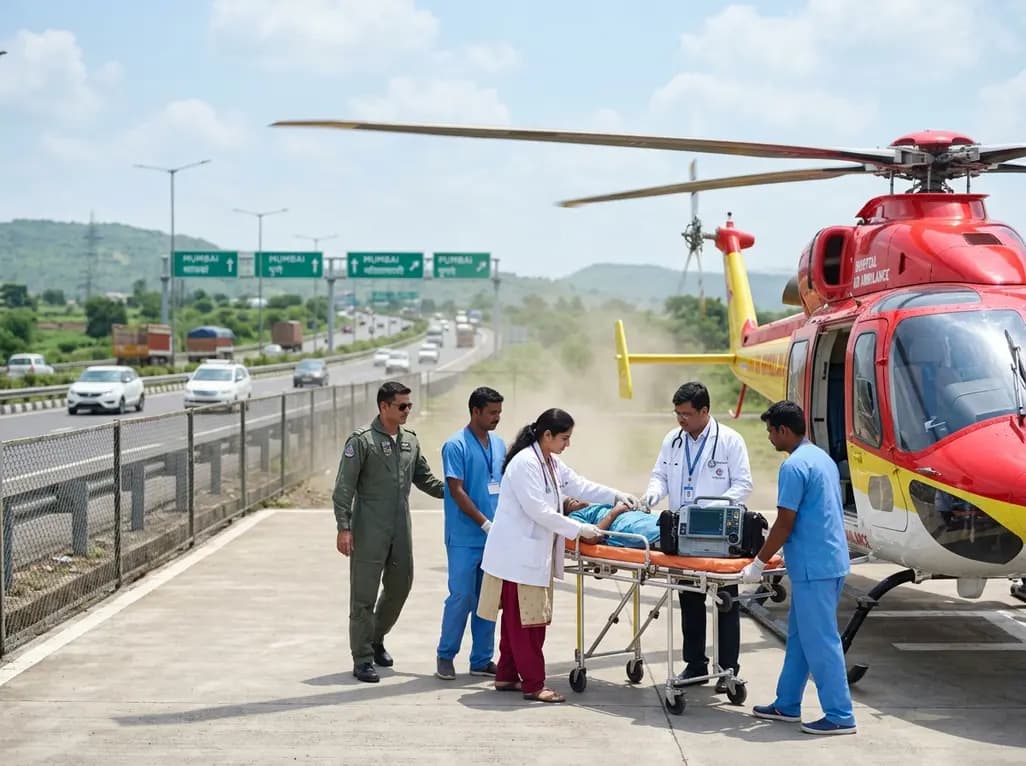
The state government is deploying helicopter emergency medical services across the Mumbai-Pune Expressway, Samruddhi Mahamarg, and Mumbai-Goa Highway. This initiative establishes unified standard operating procedures to enable rapid triage, advanced prehospital resuscitation, and seamless trauma care transfers.
Last week
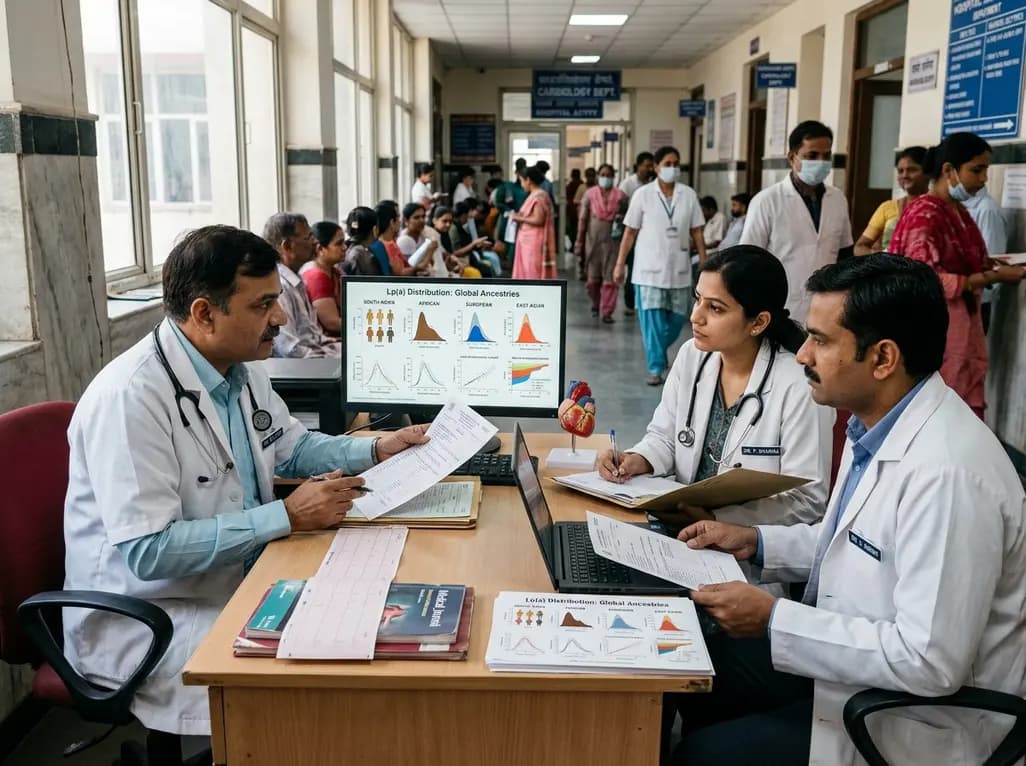
Atherosclerotic cardiovascular disease guidelines often rely on European-derived lipoprotein(a) cutoffs. However, baseline Lp(a) levels vary widely across ancestries, including South Asians and Africans. Clinicians must interpret Lp(a) values within overall absolute cardiovascular risk.
Last week
