.webp&w=384&q=75)

Loading, please wait...
Loading, please wait...
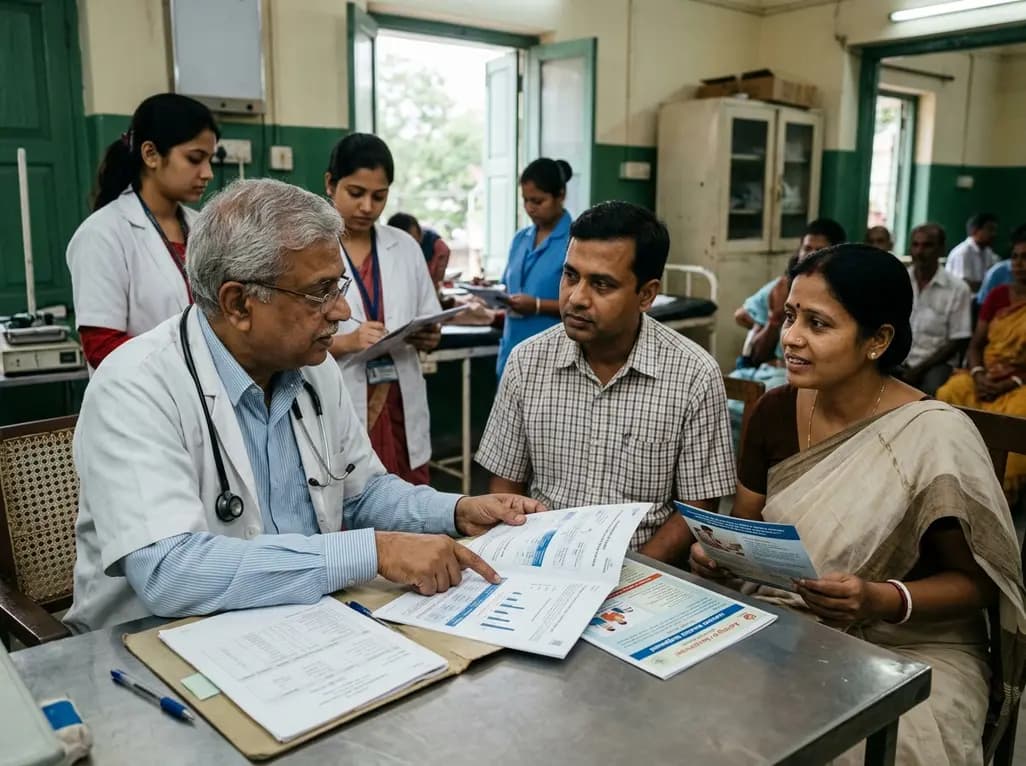
The Department-related Parliamentary Standing Committee on Health and Family Welfare recently presented its 176th report to the Rajya Sabha. Specifically, the report addresses the crucial issue of healthcare affordability and accessibility across public and private sectors in India. Currently, millions of middle-income families fall outside public assistance programs. Consequently, these households remain exposed to severe financial strain during sudden medical emergencies. To solve this systemic gap, the parliamentary panel advocates expanding low-cost health insurance options tailored specifically for this missing middle demographic.
India's middle class often earns too much to qualify for welfare schemes. However, these families earn too little to afford comprehensive private policies. Therefore, the parliamentary committee strongly recommended expanding standardized, low-cost health insurance plans modeled after Aarogya Sanjeevani. Furthermore, the panel urged insurers to simplify policy terms and extend demographic coverage across urban and rural populations. Notably, current market offerings frequently feature high premiums, complex terms, and restrictive sub-limits. Consequently, middle-income wage earners struggle to maintain continuous coverage. By introducing accessible safety nets, the government can protect millions from slipping into poverty due to medical bills.
Additionally, the panel highlighted the urgent necessity of removing arbitrary age barriers. Specifically, recent insurance reforms mandate the removal of upper age limits for purchasing new policies. Moreover, regulators reduced the maximum waiting period for pre-existing conditions from four years to three years. Furthermore, the committee encouraged insurers to utilize the National Health Exchange platform. This digital infrastructure facilitates faster cashless claim processing. As a result, policyholders experience fewer delays during hospital discharge. Ultimately, these structural reforms ensure predictable coverage for vulnerable families.
Opaque billing practices in private hospitals create severe financial distress for patients. Therefore, the parliamentary panel recommended mandating transparent, standardized treatment packages across all healthcare institutions. Furthermore, this initiative aims to create price predictability for complex surgical and medical interventions. Currently, private facilities apply variable pricing models for identical procedures. Consequently, patients face unpredictable out-of-pocket costs at discharge. Standardized packages help eliminate unexpected billing surcharges and rebuild patient trust in private care.
In addition, the report highlighted the problem of room-rent-linked inflation. Private hospitals frequently scale treatment fees based on the selected room category. As a result, a patient in a higher-tier room pays inflated costs for basic clinical procedures. To prevent this exploitation, the committee recommended eliminating room-rent-linked pricing models. Instead, the panel suggested benchmarking hospital room charges against localized standard benchmarks. Furthermore, the committee called for a statutory framework to standardize clinical guidelines. This framework will cap arbitrary price variations across private healthcare providers. Consequently, patients receive equitable, high-quality care without facing predatory pricing.
The Ayushman Bharat-Pradhan Mantri Jan Arogya Yojana (AB-PMJAY) remains a vital national healthcare safety net. So far, the scheme has authorized over eleven crore hospital admissions across thirty-eight thousand empanelled facilities. Furthermore, government records show authorized treatments valued at over 1.57 lakh crore rupees. However, the committee warned that medical inflation threatens the long-term sustainability of government health schemes. Notably, annual medical inflation currently ranges between ten and thirteen percent in India. Additionally, rapid advancements in expensive medical technology compound overall care delivery costs.
To address these economic challenges, the panel proposed a statutory mechanism for regular package rate revisions. Specifically, this periodic review process must account for regional economic variations across different states. Consequently, private hospitals can remain active scheme partners without compromising clinical care standards. In addition, the panel recommended expanding AYUSH treatment packages under AB-PMJAY. Crucially, beneficiaries must continue to receive these integrative therapies with zero out-of-pocket expenditure. Furthermore, states must increase health budget allocations to at least eight percent of aggregate expenditure. The central government should incentivize states to reach this threshold rapidly.
Affordable medication forms the backbone of cost-effective healthcare delivery. Therefore, the parliamentary committee recommended setting up Jan Aushadhi Kendras in all remaining block-level public health facilities. Furthermore, the panel urged private tertiary hospitals to host AMRIT pharmacies. These specialized outlets supply deeply discounted surgical consumables and orthopedic implants to patients. In addition, the report emphasized expanding public-private partnerships for essential clinical services. Specifically, the committee recommended decentralizing free or subsidized haemodialysis services to sub-district healthcare centers.
Notably, the national dialysis program has already generated over ten thousand crore rupees in patient savings. Furthermore, digital healthcare integration remains critical for improving rural specialist access. Consequently, the panel advocated integrating private healthcare providers into the Ayushman Bharat Digital Mission. Moreover, expanding regional Tele-MANAS and eSanjeevani hubs will connect remote patients with specialist medical consultations. Out-of-pocket expenditure as a share of total health spending dropped from 62.6 percent in 2014 to 43.4 percent in 2022-23. Meanwhile, per-capita government health spending rose from 1,108 rupees to 2,786 rupees. Ultimately, sustaining these positive trends requires robust statutory oversight across all healthcare sectors.
A major challenge in Indian healthcare is the average out-of-pocket expenditure per hospitalization episode, which currently stands at 34,064 rupees. Consequently, single hospitalizations frequently wipe out annual household savings for middle-class families. Therefore, statutory regulations must mandate transparent clinical guidelines and upfront cost estimates for patients. Furthermore, empowering patient advocacy groups can help report arbitrary price hikes and billing discrepancies. In addition, healthcare providers must adopt standardized clinical protocols to prevent unnecessary diagnostic testing and prolonged hospital stays.
Moreover, strengthening local public healthcare facilities relieves pressure on tertiary private centers. When primary and secondary public centers function efficiently, patients obtain timely care near their homes. Consequently, overall treatment costs drop significantly across the health system. In addition, insurance companies must align claims processing with clinical reality. Streamlined pre-authorization and rapid claim approvals eliminate unnecessary financial stress for grieving families. Furthermore, periodic independent audits of hospital billing practices can ensure compliance with national standards. Ultimately, integrating clear regulations, digital health platforms, and patient-first policies will ensure affordable, high-quality care for every citizen in India.
Q1: Why did the parliamentary panel recommend low-cost health insurance for the middle class?
The parliamentary panel highlighted that middle-income families are often excluded from government welfare schemes like AB-PMJAY while remaining unable to afford expensive private policies. Consequently, sudden hospitalization episodes cause severe financial strain. Introducing low-cost health insurance products like Aarogya Sanjeevani protects this missing middle demographic from rising medical inflation and catastrophic out-of-pocket health expenditure.
Q2: How does room-rent capping benefit health insurance policyholders?
Private hospitals frequently use room categories to scale up the prices of surgeries, consultations, and diagnostic tests. Consequently, patients staying in higher-category rooms pay inflated charges for identical procedures. By eliminating room-rent-linked inflation models and capping charges, the proposed reforms ensure transparent billing, prevent arbitrary price variations, and reduce overall out-of-pocket medical expenses.
Q3: What reforms were proposed for government insurance package rates?
The committee recommended establishing a statutory mechanism for periodic revisions of package rates under government insurance schemes like AB-PMJAY. Crucially, these revisions must incorporate regional economic variations and medical inflation trends. Consequently, empanelled private hospitals can continue delivering high-quality healthcare without experiencing financial losses, ensuring sustainable public-private healthcare partnerships nationwide.
Disclaimer: This content is for informational and educational purposes only. It does not constitute medical advice or replace professional judgment. Refer to the latest local and national guidelines for clinical practice.
References

Read summarized clinical updates, watch expert medical content, and earn CME certifications right from your smartphone.
Open your smartphone camera to scan and install.





The Parliamentary Standing Committee on Health has called for expanding low-cost health insurance products like Aarogya Sanjeevani to protect India's middle class from medical inflation. Key proposals include capped room rents, standardized treatment packages, and statutory package rate revisions.
last month
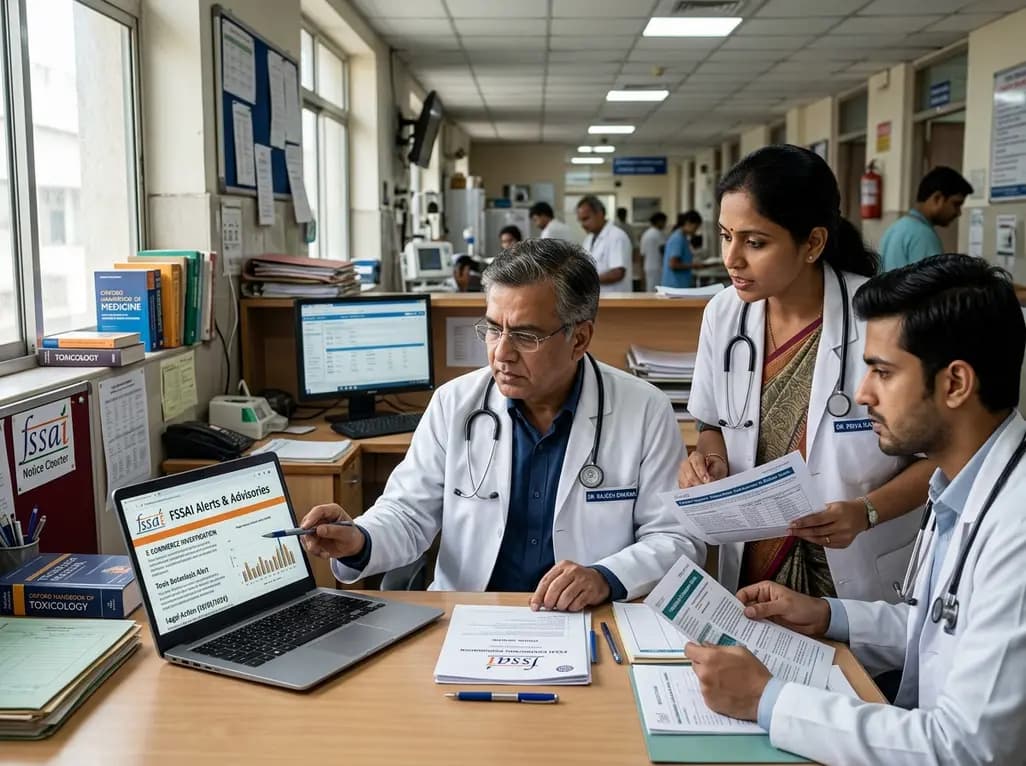
India's apex food regulator has launched legal proceedings against top digital retail platforms for distributing hazardous botanical substances and misbranded consumer goods. Discover the regulatory breaches, clinical toxicity risks, and key implications for healthcare providers across the country.
3 days back
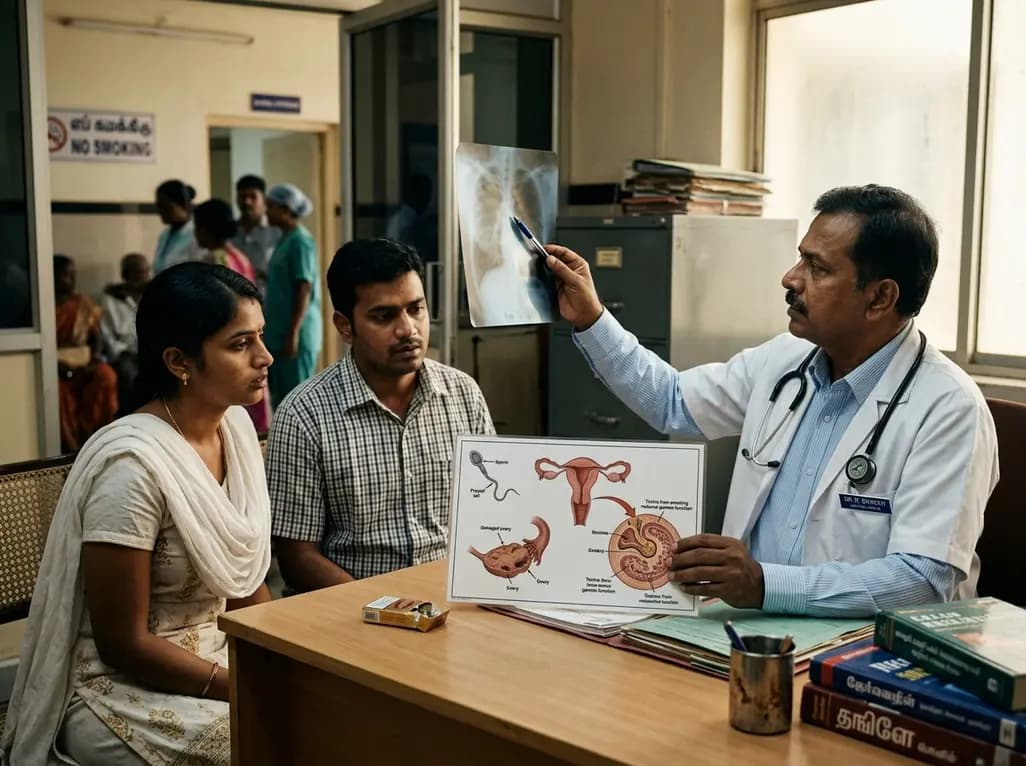
A global knowledge summary from the World Health Organization warns that tobacco smoking significantly increases infertility risks in women and causes substantial sperm and erectile dysfunction in men. Fortunately, quitting smoking substantially lowers these risks, providing clear reproductive benefits.
Last week
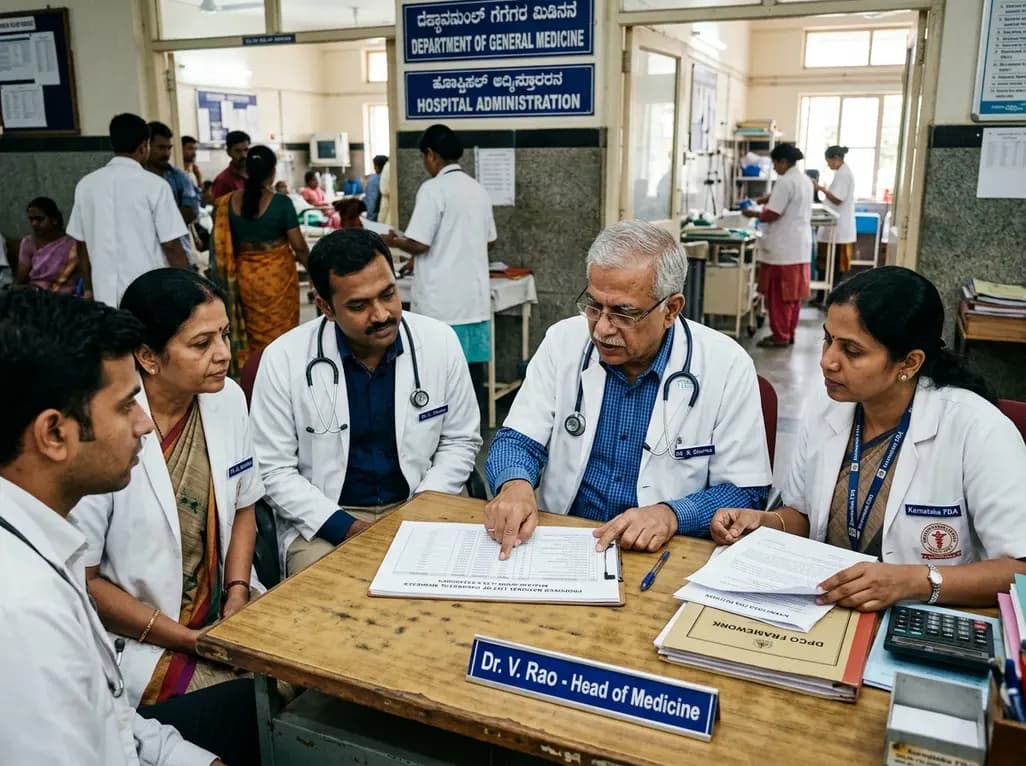
To curb crushing healthcare expenses, Karnataka's Food Safety and Drugs Administration has formally petitioned central authorities to institute a dedicated National List of Essential Medical Devices under the DPCO framework, establishing uniform price ceilings across twenty-four vital clinical categories.
3 days back
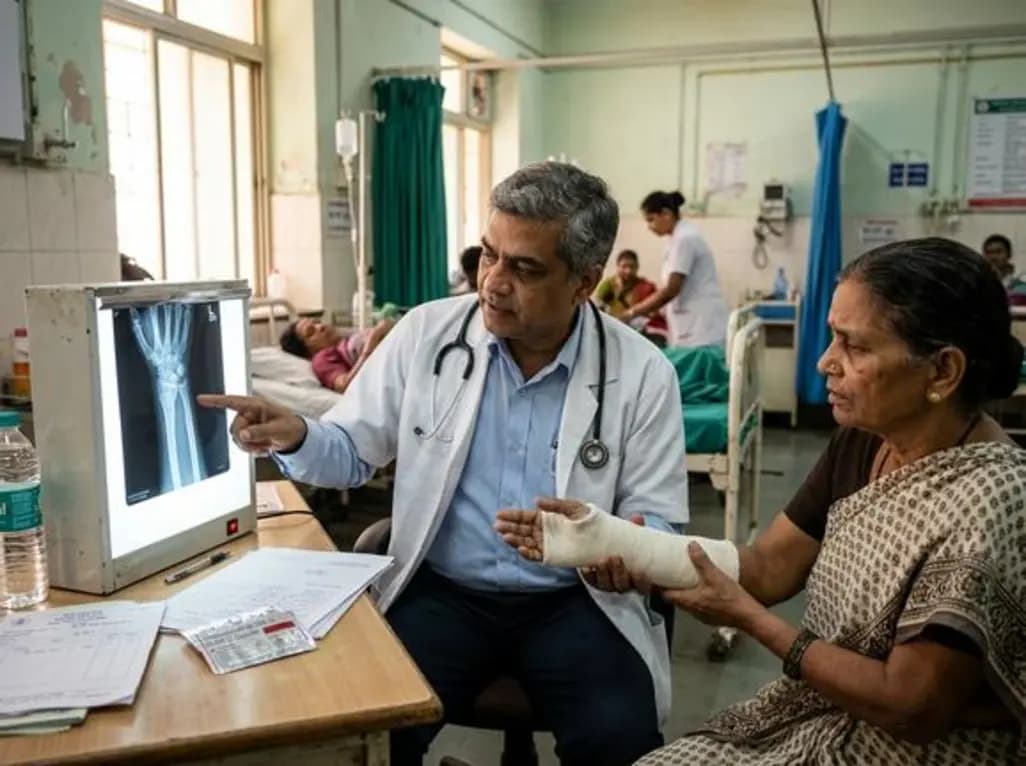
Nearly 80% of Indians suffer from inadequate Vitamin D, causing silent bone weakening and sudden fractures. This expert guide reviews why mega-dose therapy is critical for high-risk patients, the key factors driving widespread deficiency, and the mandatory medical evaluations needed to protect skeletal health.
3 months ago
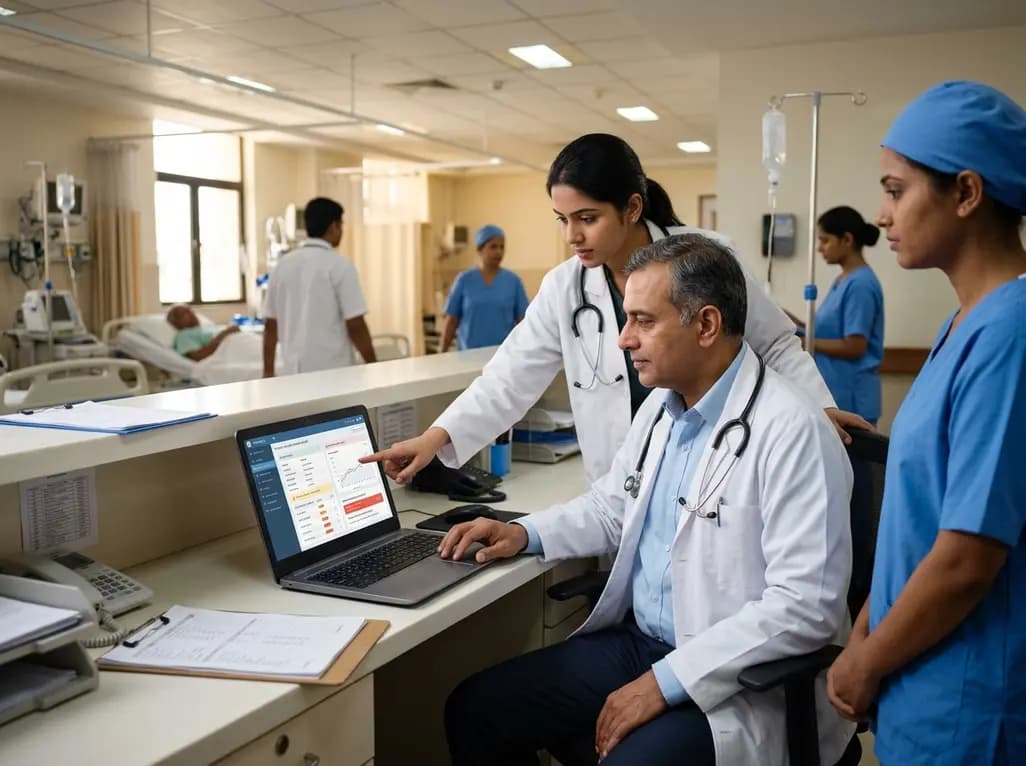
A nationwide mixed-methods study evaluated hospital glycemic management systems across 265 hospitals. While real-time alerts and automatic data sync are highly valued, significant disparities in digital maturity and low satisfaction with decision support highlight the need for standardized implementation.
4 weeks back
