.webp&w=384&q=75)

Loading, please wait...
Loading, please wait...

A parliamentary standing committee on health and family welfare has recommended capping private hospital room cost in major metropolitan cities. The committee proposed linking basic accommodation charges to the average tariffs of nearby three-star hotels. Currently, the absence of a transparent pricing mechanism leads to arbitrary billing across private healthcare institutions. Consequently, patients frequently face exorbitant out-of-pocket expenses for routine inpatient care. Under the proposed model, hospitals could still levy separate charges for professional fees, nursing care, medical consumables, meals, and laundry services. However, basic room rents would remain strictly tied to local hotel benchmarks. This measure aims to prevent arbitrary pricing structures that currently inflate hospital bills. Furthermore, panel members emphasized that accommodation in a medical facility should not serve as an unbridled profit center. By establishing clear benchmarks, policy makers hope to make inpatient stay costs predictable for urban families. Additionally, the proposal addresses widespread consumer grievances regarding variable daily room charges during medical admissions. While healthcare providers express reservations regarding operational costs, consumer advocates welcome the proposal as a vital step toward price rationalization. Therefore, standardizing basic lodging rates could fundamentally transform hospital billing practices across urban India.
Recent findings from the 80th National Sample Survey highlight a massive expenditure disparity between public and private healthcare facilities. For instance, the average hospital room cost and overall hospitalisation bill in government facilities stands at approximately six thousand six hundred thirty-one rupees. Conversely, private hospital stays average fifty thousand five hundred eight rupees per admission. Furthermore, maternal healthcare reflects an even wider financial gap. Childbirth in a private healthcare institution costs nearly thirty-seven thousand six hundred thirty rupees out-of-pocket, whereas public facilities charge roughly two thousand two hundred ninety-nine rupees. Consequently, thousands of households experience severe financial strain when seeking private medical care. Medical inflation continues to drive vulnerable families into debt, forcing many to sell personal assets or seek informal loans. Moreover, arbitrary differential billing practices compound these financial pressures. When room rates increase, associated service fees often escalate proportionally without clear clinical justification. Therefore, the committee identified reducing out-of-pocket health expenditure as an urgent national priority. Establishing standardized pricing frameworks across private hospitals could prevent catastrophic health spending among middle-income and low-income families. Ultimately, closing this expenditure gap remains crucial for achieving equitable healthcare access across all socioeconomic strata.
To address billing opacity, the parliamentary panel outlined several mandatory compliance measures for private hospitals. First, the report calls for a comprehensive legal mechanism to standardise and cap charges for essential medical treatments and routine surgical procedures. Additionally, healthcare institutions must provide advance cost estimates for complex clinical interventions prior to patient admission. Furthermore, hospitals should introduce dedicated financial navigators to guide patients through billing breakdowns and health insurance coverage. To streamline care pathways, the panel recommended establishing Continuum of Care packages. These bundled packages cover diagnostic screening, acute active treatment, and long-term palliative care under single capped payments. Moreover, private facilities must ensure mandatory public disclosure of all treatment costs before finalizing admissions. Consequently, patients can make informed clinical and financial decisions without unexpected expenses during discharge. The committee also recommended setting up fast-track grievance redressal mechanisms to resolve billing disputes swiftly and fairly. By implementing these structural safeguards, regulators aim to eliminate hidden charges and restore trust between healthcare consumers and private clinical providers. Therefore, structured price disclosures will likely become a mandatory standard for hospital administration.
Hospital administrators and clinical leadership have raised significant concerns regarding the proposed benchmarking framework. Specifically, industry leaders argue that hotel room tariffs do not reflect the complex medical infrastructure required in healthcare facilities. Medical rooms demand specialized sanitation standards, continuous oxygen supply lines, backup power systems, and specialized nursing support. Therefore, benchmarking a specialized clinical environment directly against commercial hospitality tariffs may overlook critical operational overheads. However, committee members noted that separate billing for medical services, consumables, and nursing care ensures that clinical delivery remains fully funded. Consequently, private hospital management must re-evaluate their internal financial allocation strategies. Administrators will need to separate accommodation overheads from specialized clinical care costs in their accounting systems. Furthermore, hospitals may need to optimize resource utilization to maintain financial viability under potential rate caps. While listed healthcare stocks experienced temporary market fluctuations following the report, long-term operational adjustments could enhance patient volume and institutional trust. Consequently, medical directors must balance operational sustainability with transparent patient-centric pricing practices. Collaborative dialogue between government authorities and hospital federations will prove essential during policy implementation.
Beyond private billing reforms, the parliamentary panel urged substantial structural enhancements across the public healthcare ecosystem. Importantly, the report recommends raising public health expenditure to two point five percent of national gross domestic product. Increasing government allocation will fortify public hospital infrastructure and reduce the nationwide dependence on private medical providers. Additionally, expanding access to generic medicines through affordable pharmacy networks can significantly lower outpatient and inpatient drug costs. The panel also emphasized stricter enforcement of the Clinical Establishments Act across all states and union territories. Furthermore, regulating medical device markups and pharmaceutical price caps remains integral to comprehensive price controls. By enforcing uniform clinical standards, state health authorities can monitor service quality alongside cost structures. Consequently, a stronger public healthcare system will naturally exert downward pressure on private sector pricing. Meanwhile, enhanced regulatory oversight ensures that private facilities adhere to safety protocols while offering transparent billing. Therefore, combining public health infrastructure expansion with rigorous private sector oversight creates a balanced approach toward universal healthcare access.
The proposal to cap hospital accommodation costs marks a pivotal moment in national healthcare governance. Moving forward, health ministries must collaborate with state governments to translate panel recommendations into enforceable legislation. Specifically, local committees may need to establish regional three-star hotel tariff indexes to determine fair accommodation caps in different metropolitan sectors. Furthermore, health insurance providers may restructure reimbursement policies to align with standardized package rates. Consequently, policy harmonization will prevent regional disparities and ensure consistent billing practices nationwide. Healthcare institutions that proactively adopt transparent pricing, clear itemized billing, and structured financial guidance will likely gain greater patient trust and market stability. Moreover, integration of digital billing platforms will enable seamless verification of treatment packages by regulators and insurance firms. As India strives toward health equity, balancing institutional financial viability with consumer affordability remains paramount. Therefore, executing these reforms thoughtfully will protect vulnerable households while fostering a sustainable, high-quality medical ecosystem. Healthcare administrative bodies must now prepare for regulatory changes that prioritize patient welfare and fiscal transparency.
Q1: Why did the parliamentary committee recommend linking hospital room rents to 3-star hotel tariffs?
The committee recommended benchmarking hospital room rents against nearby three-star hotel tariffs to address arbitrary billing and rising medical costs in private hospitals. Currently, the absence of standardized room pricing leads to exorbitant out-of-pocket expenses. Linking basic room rates to local hotel tariffs provides a transparent, realistic benchmark while allowing hospitals to bill separately for nursing care, resident doctors, consumables, meals, and laundry services.
Q2: How do hospitalization costs compare between public and private hospitals in India?
According to the National Sample Survey data cited by the panel, average hospitalisation expenditure in private hospitals is roughly fifty thousand five hundred eight rupees, compared to six thousand six hundred thirty-one rupees in government facilities. Similarly, out-of-pocket costs for childbirth average thirty-seven thousand six hundred thirty rupees in private institutions, compared to just two thousand two hundred ninety-nine rupees in public facilities.
Q3: What additional transparency measures did the panel propose for private hospitals?
Beyond room rent limits, the panel proposed standardized package rates for common clinical procedures, advance cost estimates prior to complex treatments, mandatory pre-admission cost disclosures, and financial navigators to assist patients with insurance and billing. It also recommended introducing Continuum of Care packages and establishing fast-track grievance redressal mechanisms to resolve billing disputes promptly.
Disclaimer: This content is for informational and educational purposes only. It does not constitute medical advice or replace professional judgment. Refer to the latest local and national guidelines for clinical practice.
References

Read summarized clinical updates, watch expert medical content, and earn CME certifications right from your smartphone.
Open your smartphone camera to scan and install.





A parliamentary committee report advocates benchmarking private hospital room charges in metros against 3-star hotel tariffs to curb rising medical bills. Highlighting stark public-private cost disparities, the report suggests standardized procedure rates, advance cost estimates, and financial navigators.
last month

India's apex food regulator has launched legal proceedings against top digital retail platforms for distributing hazardous botanical substances and misbranded consumer goods. Discover the regulatory breaches, clinical toxicity risks, and key implications for healthcare providers across the country.
2 days back
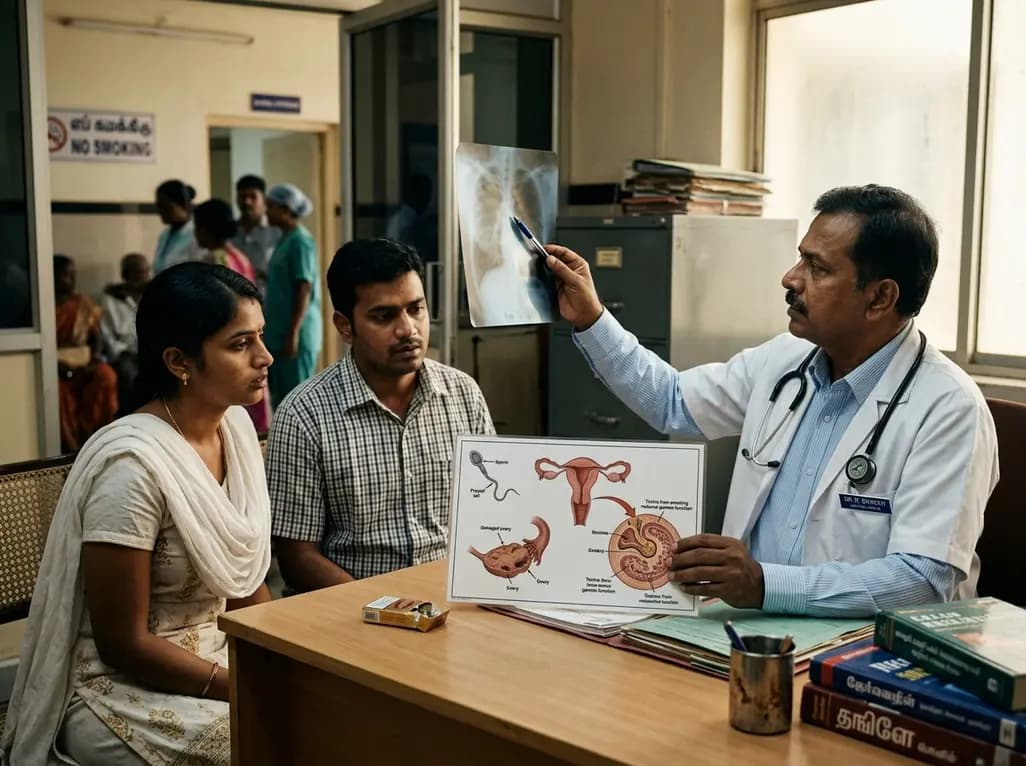
A global knowledge summary from the World Health Organization warns that tobacco smoking significantly increases infertility risks in women and causes substantial sperm and erectile dysfunction in men. Fortunately, quitting smoking substantially lowers these risks, providing clear reproductive benefits.
Last week

To curb crushing healthcare expenses, Karnataka's Food Safety and Drugs Administration has formally petitioned central authorities to institute a dedicated National List of Essential Medical Devices under the DPCO framework, establishing uniform price ceilings across twenty-four vital clinical categories.
2 days back
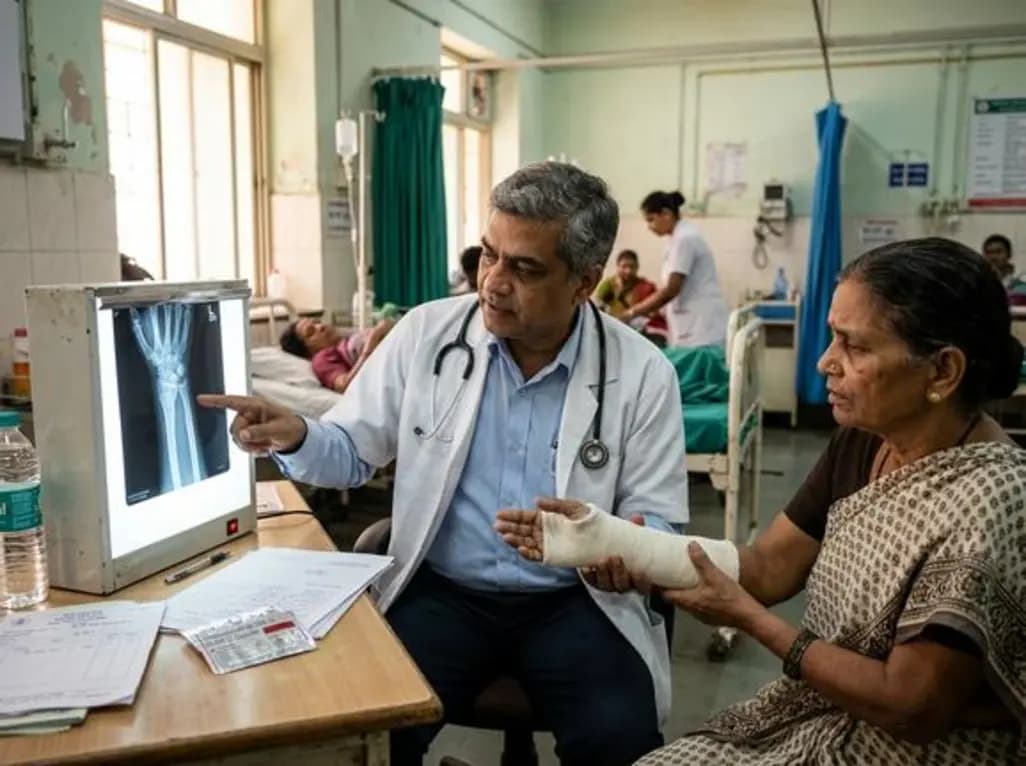
Nearly 80% of Indians suffer from inadequate Vitamin D, causing silent bone weakening and sudden fractures. This expert guide reviews why mega-dose therapy is critical for high-risk patients, the key factors driving widespread deficiency, and the mandatory medical evaluations needed to protect skeletal health.
3 months ago

A nationwide mixed-methods study evaluated hospital glycemic management systems across 265 hospitals. While real-time alerts and automatic data sync are highly valued, significant disparities in digital maturity and low satisfaction with decision support highlight the need for standardized implementation.
4 weeks back
