.webp&w=384&q=75)

Loading, please wait...
Loading, please wait...
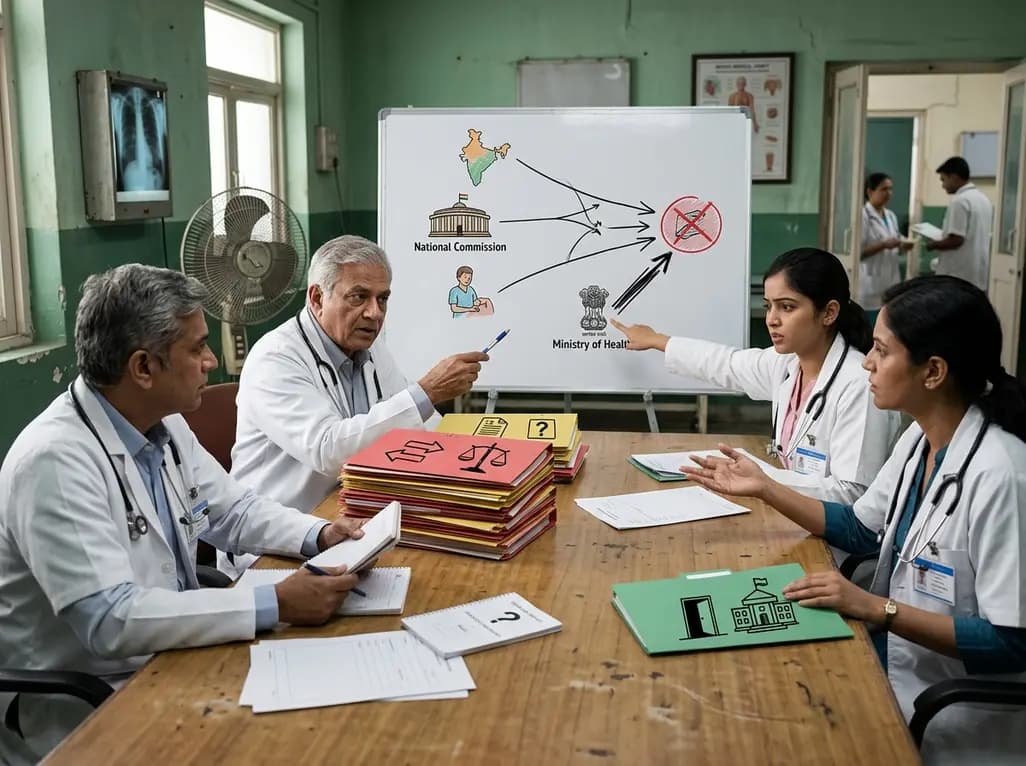
The ongoing regulatory debate regarding NMC patient appeals highlights a massive administrative gridlock in India’s healthcare system. Historically, patients and their families could challenge the decisions of State Medical Councils (SMCs) regarding medical negligence. However, the National Medical Commission (NMC) recently referred this critical issue to the Union Health Ministry, sparking intense discussions.
Specifically, the confusion stems from conflicting laws within the regulatory framework. On one hand, Section 8.8 of the 2002 Ethics Regulations allows any aggrieved person to appeal SMC rulings. On the other hand, the newer NMC Act of 2019 under Section 30(3) mentions only medical practitioners. Consequently, the Ethics and Medical Registration Board (EMRB) has rejected hundreds of patient complaints since 2020. Although the NMC resolved to entertain all appeals in late 2024, it has still not framed a standard operating procedure (SOP). Therefore, the board decided to seek the ministry's intervention for statutory interpretation.
Meanwhile, the Union Health Ministry rejected this shift of responsibility, stating that the NMC remains the apex statutory body. According to the ministry, all matters regarding the framing and implementation of medical education regulations fall solely within the NMC's domain. Furthermore, medical experts are deliberating the potential impact of unrestricted appeals. For example, some officials worry about the administrative burden and are discussing filtering mechanisms. Meanwhile, patients seeking remedies must rely on civil, criminal, or consumer courts.
Q1: Why is there a debate over NMC patient appeals?
The primary debate involves whether non-doctors can appeal State Medical Council decisions. Historically, the 2002 guidelines permitted patients to appeal, but the 2019 NMC Act primarily mentions medical professionals, leading to conflicting interpretations.
Q2: How has the Health Ministry responded to this issue?
The Ministry clarified that the NMC is the apex statutory regulator. Therefore, the commission holds the complete responsibility for implementing medical education and ethics regulations, including determining the appeal process.
Disclaimer: This content is for informational and educational purposes only. It does not constitute medical advice or replace professional judgment. Refer to the latest local and national guidelines for clinical practice.
References

Read summarized clinical updates, watch expert medical content, and earn CME certifications right from your smartphone.
Open your smartphone camera to scan and install.





The National Medical Commission (NMC) has referred the controversial issue of patient appeals against State Medical Council decisions to the Union Health Ministry. Despite its earlier resolutions to accept non-medico appeals, the regulatory body faces ongoing debate and lack of an SOP.
4 months ago

Kenya's confirmation of its eighth Ebola infection highlights the acute risk of secondary transmission in hospital environments. Clinicians must maintain high vigilance, enforce strict infection prevention protocols, and implement rapid triage mechanisms for viral hemorrhagic fevers across healthcare settings.
3 days back
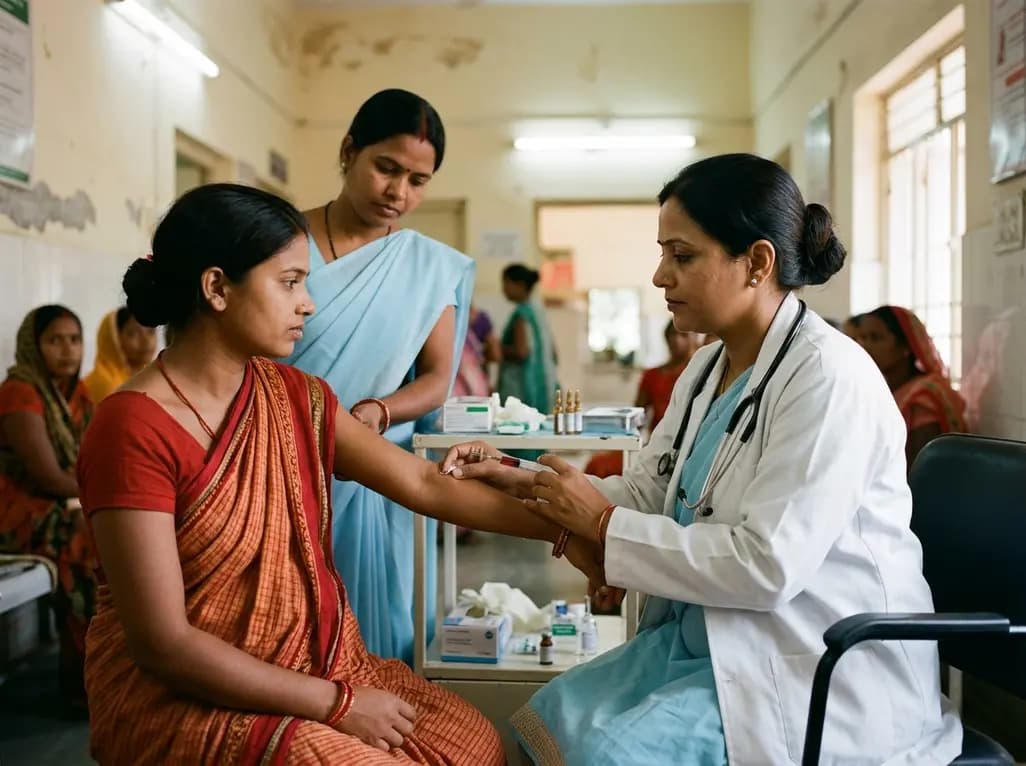
Maternal anaemia contributes to nearly half of pregnancy-related fatalities across India. To prevent complications, Uttar Pradesh has added single-dose parenteral iron to its essential medicines list. This clinical transition aims to restore haemoglobin rapidly and protect high-risk mothers across rural facilities.
Last week

India's food safety authority FSSAI has issued show-cause notices to Gemini Edibles, BigBasket, and Flipkart for unpermitted cardiovascular claims regarding Freedom Rice Bran Oil. This regulatory move highlights the strict enforcement of advertising standards and the clinical necessity of evidence-based lipid care.
5 days back

The state government is deploying helicopter emergency medical services across the Mumbai-Pune Expressway, Samruddhi Mahamarg, and Mumbai-Goa Highway. This initiative establishes unified standard operating procedures to enable rapid triage, advanced prehospital resuscitation, and seamless trauma care transfers.
Last week

Atherosclerotic cardiovascular disease guidelines often rely on European-derived lipoprotein(a) cutoffs. However, baseline Lp(a) levels vary widely across ancestries, including South Asians and Africans. Clinicians must interpret Lp(a) values within overall absolute cardiovascular risk.
Last week
