.webp&w=384&q=75)

Loading, please wait...
Loading, please wait...
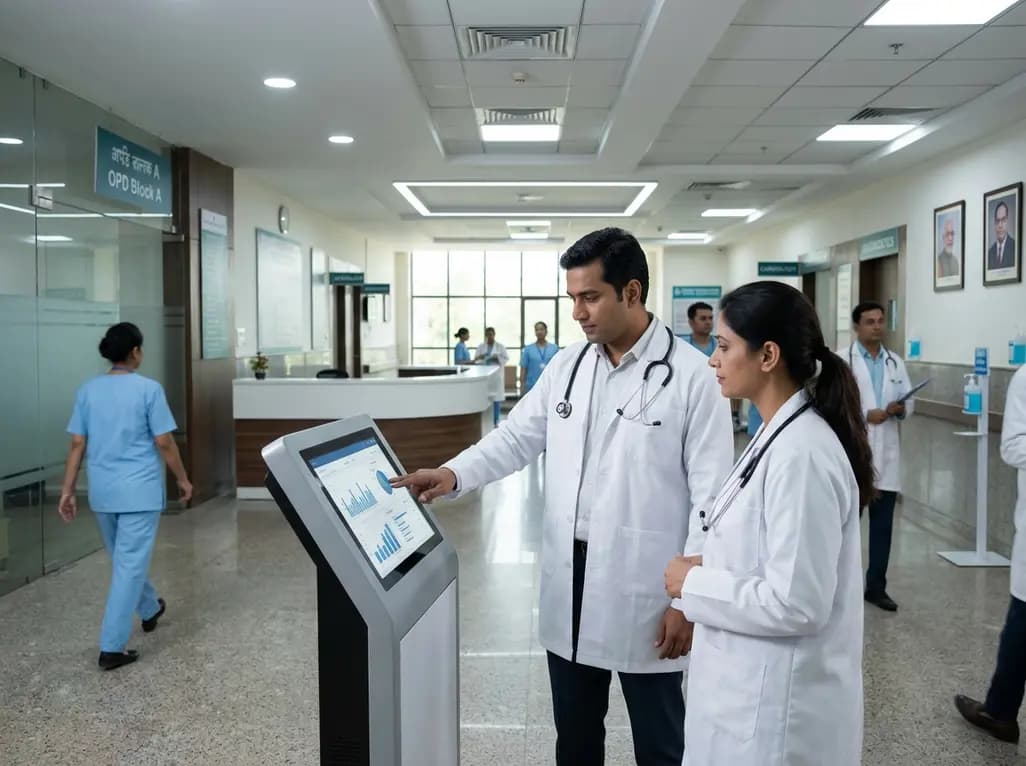
The landscape of Indian healthcare delivery is undergoing rapid institutional consolidation and structural maturation. In recent years, private multispeciality hospital groups have evolved from standalone tertiary institutions into expansive clinical networks spanning multiple states. This structural shift demands robust oversight to guarantee standardized patient outcomes across diverse geographies. Recently, the Times Now Hospital Survey 2026 published its National Group Ranking alongside research partner Research & Insights. Rather than evaluating individual tertiary hospitals in isolation, the study examined private healthcare groups as integrated networks. Consequently, the findings shed critical light on institutional quality, patient safety benchmarks, and clinical governance across the country. For medical practitioners, these metrics offer valuable insights into workforce allocation, referral pathways, and resource sustainability. Therefore, analyzing these institutional trends helps clinicians understand shifts in national healthcare capacity and multi-tiered care delivery.
The 2026 survey highlights how scale and clinical uniformity define modern institutional performance. Historically, healthcare ranking systems evaluated premier metropolitan hospitals in total isolation. However, this survey specifically assessed provider networks possessing at least five operational hospital branches. Government institutions, charitable facilities, and standalone private clinics were excluded to maintain focus on corporate network execution. According to the published results, Apollo Hospitals secured the first position nationally, followed by Fortis Healthcare in second place. Furthermore, Manipal Hospitals and Paras Health jointly attained the third rank due to a narrow statistical margin. This outcome illustrates two distinct organizational philosophies within Indian tertiary care delivery. On one hand, mature heritage chains continue to fortify vast national healthcare ecosystems. On the other hand, fast-growing networks are systematically decentralizing quaternary care to historically underserved areas. Consequently, the survey results highlight that bed capacity alone does not dictate healthcare quality. Instead, integrated clinical protocols, standardized diagnostic precision, and robust staffing frameworks determine overall institutional success. Clinicians must observe how these network policies shape daily practice patterns, continuing medical education, and patient referral streams across urban clusters.
The survey methodology integrated objective operational data with extensive qualitative assessments. Between May and September 2026, research teams collected detailed factual data across more than 1,950 medical facilities and clinics. Additionally, analysts completed over 1,500 structured interviews with doctors, surgeons, and department specialists. They also conducted more than 2,000 interviews with patients and primary caregivers across India. This multi-tiered evaluation gathered clinical perceptions alongside verified data regarding hospital performance, patient safety standards, and infrastructure capacity. Furthermore, the assessment reviewed academic outputs, medical residency programs, and clinical research capabilities. Accreditation status from national bodies like the National Accreditation Board for Hospitals and Healthcare Providers served as a key metric. Therefore, the ranking reflects systemic network resilience rather than the isolated achievements of a single flagship hospital. For healthcare professionals, this analytical approach underscores the growing importance of objective clinical audits. Maintaining consistent surgical outcomes, minimizing hospital-acquired infections, and preserving nurse-to-patient ratios require systemic coordination. Thus, hospital networks must build resilient operating procedures that withstand geographical variations. Ultimately, standardized clinical metrics empower clinicians to practice safely across any satellite unit within a group network.
Each recognized hospital network represents an influential clinical delivery model in Indian healthcare. Apollo Hospitals, established in 1983 as India's first corporate hospital, manages more than 10,000 operational beds. Moreover, it operates over 4,000 retail pharmacies alongside widespread primary diagnostic clinics and digital teleconsultation pathways. Fortis Healthcare, ranked second, oversees 36 healthcare facilities spanning 12 Indian states. With more than 6,000 functional beds, Fortis emphasizes high-acuity surgical excellence, neurosciences, and advanced cardiac interventions. Meanwhile, Manipal Hospitals shares the third position, drawing from academic foundations initiated at Kasturba Medical College in 1953. Today, Manipal maintains 49 hospitals across 24 cities with over 12,600 beds. In parallel, Paras Health secured joint third place by deploying a specialized regional expansion model. The organization operates eight advanced multispeciality hospitals across northern and eastern India. Over two decades, Paras Health has treated more than 2.1 million patients through a workforce of 2,100 doctors and nurses. Specifically, its network provides comprehensive oncology, cardiology, organ transplant, and gastrointestinal surgical programs. Therefore, these leading networks demonstrate diverse pathways toward scaling high-complexity clinical operations across the country.
Tertiary healthcare delivery in India has historically remained concentrated in Tier-I metropolitan hubs. Consequently, rural and semi-urban patients endured exhausting travel to access subspecialty consultations and complex surgeries. However, recent network expansions are dramatically altering this traditional care pathway. Paras Health exemplifies this decentralization by establishing hospitals in Patna, Darbhanga, Ranchi, Kanpur, Udaipur, and Srinagar. Similarly, Manipal Hospitals continues to expand into rapidly emerging Tier-II cities across different states. Building advanced clinical units outside metropolitan centres presents substantial operational and logistical hurdles. Specifically, hospital administrators must recruit skilled super-specialists, secure expensive biomedical instrumentation, and cultivate reliable referral chains. Additionally, regional facilities must maintain strict affordability while managing high operational overheads. Despite these complexities, localized tertiary infrastructure produces profound clinical benefits for surrounding communities. Local cath labs and acute stroke units drastically reduce ischemic time during critical emergencies. Furthermore, regional cancer centres minimize the logistical disruption of prolonged chemotherapy and radiation schedules. In addition, local surgical intensive care units provide immediate life support without hazardous long-distance patient transport. Thus, expanding multispeciality hospital networks into non-metro cities directly bridges critical health equity gaps across India.
As hospital networks scale, establishing uniform clinical governance becomes paramount. A hospital group cannot rely solely on the clinical reputation of its primary metropolitan campus. Instead, leadership must institute standardized clinical pathways across all secondary and satellite branches. This uniformity requires rigorous adherence to antimicrobial stewardship protocols and standardized infection control policies. Moreover, integrated electronic health records allow seamless specialist consultations and multidisciplinary tumor boards across different branches. Clinicians practicing in regional centres benefit tremendously from such shared network resources. For example, a doctor in Darbhanga or Srinagar can collaborate instantly with quaternary specialists located in metropolitan hubs. Furthermore, structured network governance supports standardized training, continuous professional development, and uniform nursing practices. Centralized mortality and morbidity audits also help maintain accountability across all participating facilities. In addition, routine peer-review conferences prevent unwarranted diagnostic variations and elevate evidence-based care delivery. Nevertheless, hospital groups must balance standardized central protocols with regional patient requirements and economic realities. Ultimately, sustainable network growth depends on maintaining unwavering clinical safety and verifiable patient outcomes at every location.
Q1: What criteria determined eligibility for hospital groups in the 2026 national survey?
The survey specifically evaluated private healthcare groups that operate at least five operational hospital branches across India. In contrast, government hospitals, partially subsidized facilities, single-unit centers, and charitable trusts were excluded. This distinct eligibility threshold ensured that the study assessed integrated corporate networks rather than isolated institutions. Consequently, researchers could effectively evaluate how well multi-branch networks sustain clinical quality and safety. Furthermore, they assessed whether these healthcare systems maintain uniform governance across diverse locations.
Q2: Why did Manipal Hospitals and Paras Health share the third rank in the survey?
The Times Now Hospital Survey methodology permits joint rankings whenever the statistical gap between two competing entities is negligible. Both Manipal Hospitals and Paras Health demonstrated exceptional performance across the core evaluation metrics, resulting in an equivalent overall evaluation. Manipal distinguished itself through expansive national bed capacity and academic depth. Meanwhile, Paras Health achieved high marks by successfully deploying advanced super-speciality care across rapidly growing Tier-II and Tier-III markets.
Q3: How does establishing multispeciality hospital networks in Tier-II cities benefit patients?
Establishing advanced hospital networks in non-metropolitan cities allows local patients to access complex surgical and oncological care close to home. Consequently, patients avoid exhausting intercity travel, significant lodging expenses, and emotional strain during acute illnesses. Furthermore, regional tertiary facilities drastically shorten emergency response times for critical conditions like acute stroke and myocardial infarction. This decentralized infrastructure ultimately democratizes access to life-saving technology and multidisciplinary medical expertise across previously underserved states.
Disclaimer: This content is for informational and educational purposes only. It does not constitute medical advice or replace professional judgment. Refer to the latest local and national guidelines for clinical practice.
References

Read summarized clinical updates, watch expert medical content, and earn CME certifications right from your smartphone.
Open your smartphone camera to scan and install.





The 2026 National Hospital Survey evaluates major healthcare networks across India, highlighting clinical standards, infrastructure scalability, and the strategic expansion of multispeciality hospital systems into non-metro regions. Learn how top institutions sustain quality care across expanding networks.
Yesterday
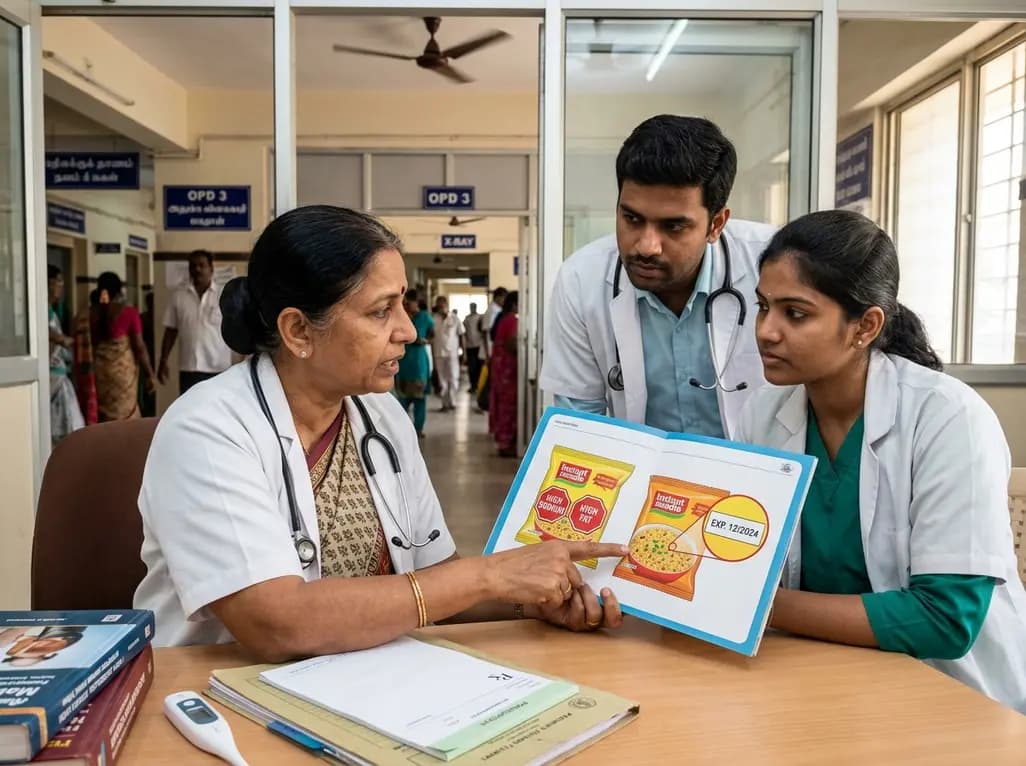
India's food safety authority is introducing stringent compliance mandates for quick commerce platforms, dark stores, and packaged foods. Discover how mandatory expiry dates and red front-of-pack warning labels protect consumers from deceptive marketing, foodborne risks, and chronic metabolic diseases.
Yesterday
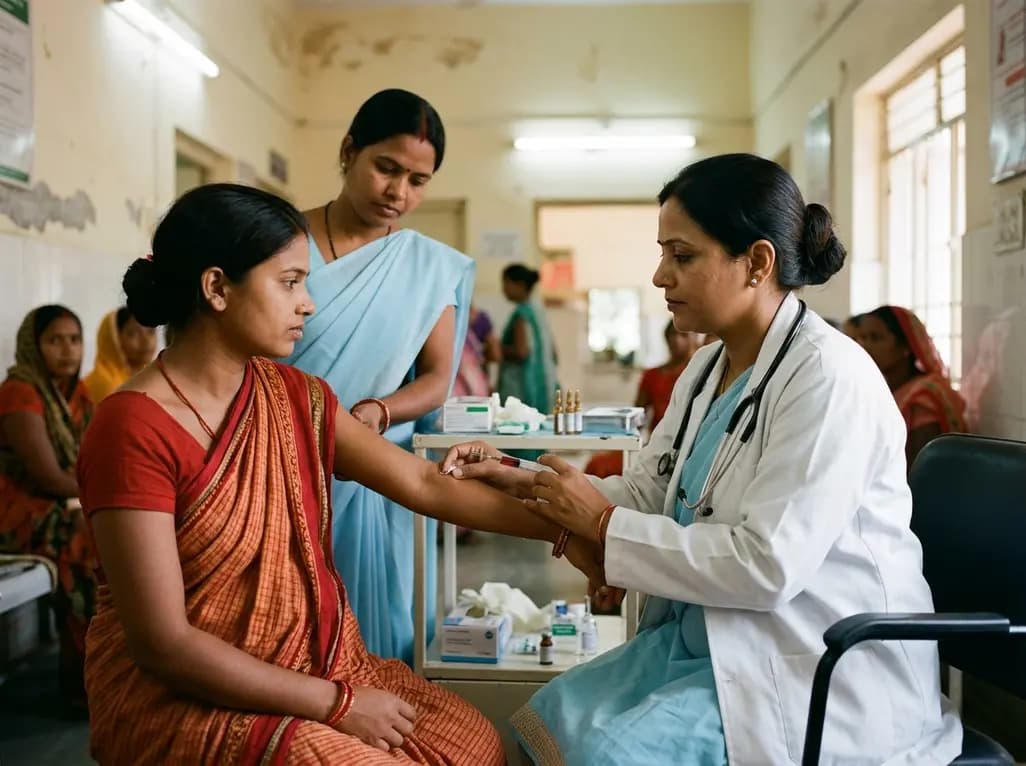
Maternal anaemia contributes to nearly half of pregnancy-related fatalities across India. To prevent complications, Uttar Pradesh has added single-dose parenteral iron to its essential medicines list. This clinical transition aims to restore haemoglobin rapidly and protect high-risk mothers across rural facilities.
4 days back
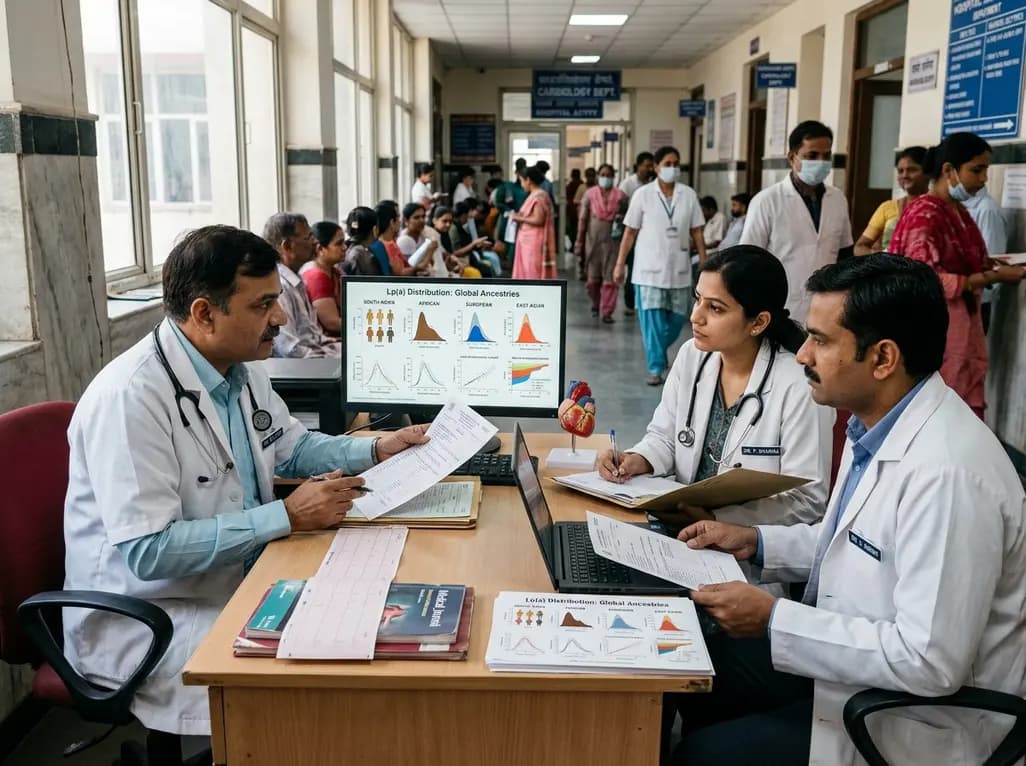
Atherosclerotic cardiovascular disease guidelines often rely on European-derived lipoprotein(a) cutoffs. However, baseline Lp(a) levels vary widely across ancestries, including South Asians and Africans. Clinicians must interpret Lp(a) values within overall absolute cardiovascular risk.
4 days back
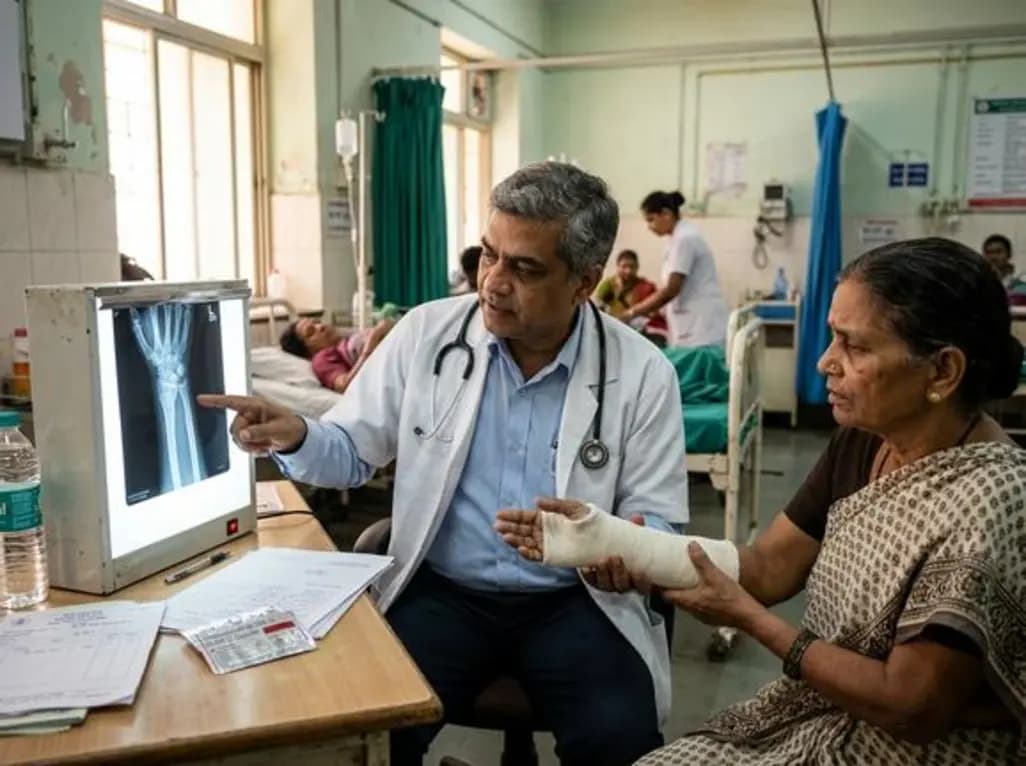
Nearly 80% of Indians suffer from inadequate Vitamin D, causing silent bone weakening and sudden fractures. This expert guide reviews why mega-dose therapy is critical for high-risk patients, the key factors driving widespread deficiency, and the mandatory medical evaluations needed to protect skeletal health.
3 months ago
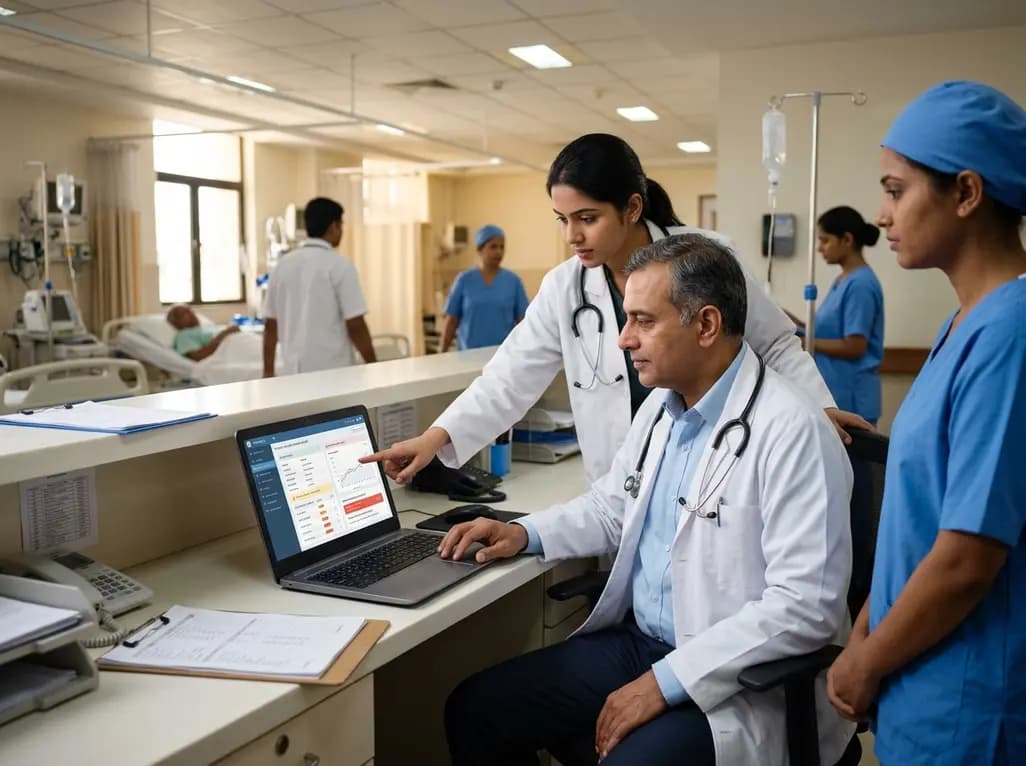
A nationwide mixed-methods study evaluated hospital glycemic management systems across 265 hospitals. While real-time alerts and automatic data sync are highly valued, significant disparities in digital maturity and low satisfaction with decision support highlight the need for standardized implementation.
last month
