.webp&w=384&q=75)

Loading, please wait...
Loading, please wait...

Michigan is currently experiencing an unprecedented public health emergency as cases of gastrointestinal illness surge. Specifically, state health officials recently reported that the ongoing cyclosporiasis outbreak has now affected more than 4,000 residents. Consequently, this rapid rise in infections has placed healthcare providers and laboratory networks on high alert. Therefore, understanding the clinical presentation and management of this parasitic infection is now more critical than ever. In addition, clinicians must stay updated on local epidemiologic shifts to effectively identify potential cases. Ultimately, clinical awareness and timely diagnostics remain our primary tools to mitigate the impact of this historic foodborne outbreak.
The current health crisis in Michigan has reached historic levels, with case numbers far exceeding annual baselines. Historically, the state records only forty to fifty cases of this parasitic disease each year. However, the current numbers have surged past four thousand, making it likely the largest single-state event in United States history. In addition, the infection heavily affects southeast counties such as Wayne and Washtenaw. Although Michigan remains the primary epicenter, the parasite has also been detected in dozens of other states. Consequently, federal agencies like the Centers for Disease Control and Prevention are actively tracking the nationwide distribution. This massive surge has completely overwhelmed local diagnostic labs and clinical surveillance networks. Furthermore, the rapid rise in cases highlights the vulnerability of regional food supply chains to biological contamination. Healthcare systems must therefore adapt to this high volume of gastrointestinal complaints in their daily triage. Ultimately, this outbreak underscores the critical need for robust public health infrastructure. Specifically, public health laboratories are working overtime to process stool specimens and confirm suspected cases. Therefore, rapid clinical reporting is vital to halt further transmission.
Clinicians must recognize the distinct symptoms of this parasitic infection to ensure prompt and accurate diagnoses. Specifically, the microscopic parasite Cyclospora cayetanensis causes this infection, targeting the small intestine. Patients typically present with sudden, frequent, and watery diarrhea that can often become explosive in nature. Additionally, other common symptoms include severe abdominal cramping, bloating, increased flatulence, and significant fatigue. Many individuals also experience a complete loss of appetite, nausea, and subsequent weight loss. Because these symptoms can mimic other bacterial or viral pathogens, accurate stool testing is absolutely essential. However, the incubation period usually lasts about one week, though it can range from two days to several weeks. Consequently, patients may not immediately connect their illness to a specific meal or travel event. Furthermore, without appropriate medical treatment, the symptoms can persist for several weeks or even relapse repeatedly. Therefore, healthcare providers must maintain a high index of suspicion for any patient presenting with prolonged diarrheal illness. Ultimately, obtaining a detailed dietary history is a crucial step in the diagnostic process. Consequently, clinicians should ask about recent lettuce consumption.
Identifying the exact source of a foodborne parasitic outbreak is an incredibly complex scientific challenge. Currently, investigators from the Food and Drug Administration are conducting extensive traceback investigations on multiple produce items. Specifically, early epidemiologic data from the Michigan investigation point toward shredded lettuce and salad greens as highly potential sources. However, federal officials have not officially linked any specific grower, supplier, or brand to the contaminated products. This difficulty arises because fresh produce has a short shelf life, and contaminated items often disappear before patients report their illnesses. In addition, there is a typical six-week lag between the onset of symptoms and official case reporting. Consequently, finding physical traces of the parasite on actual food samples is extremely rare during such investigations. Furthermore, the complex distribution networks of modern agriculture make tracing a single ingredient back to its origin very difficult. Therefore, public health officials must rely heavily on detailed food questionnaires that infected individuals complete. Additionally, choosing whole heads of lettuce can significantly reduce the potential for exposure. Consequently, consumers should wash all leafy greens under running water.
Accurate laboratory diagnosis is crucial for directing appropriate therapy, as routine stool cultures do not detect Cyclospora. Specifically, clinicians must explicitly order a stool ova and parasite examination or a gastrointestinal pathogen PCR panel. Historically, identifying the microscopic oocysts of this parasite required special staining techniques, such as modified acid-fast staining. However, modern molecular testing options like PCR have greatly improved both diagnostic sensitivity and laboratory turnaround times. Consequently, many hospitals have transitioned to these rapid molecular panels to identify complex intestinal infections quickly. In addition, patients may need to submit multiple stool specimens collected on different days due to intermittent parasite shedding. Furthermore, labs must report positive cases immediately to local public health departments to assist in ongoing surveillance efforts. Therefore, smooth coordination between clinics, laboratory staff, and epidemiologists is essential for monitoring the outbreak's trajectory. Ultimately, timely diagnosis prevents inappropriate antibiotic use, which clinicians often prescribe when they misdiagnose acute watery diarrhea as bacterial. Thus, healthcare systems must ensure their clinical staff are fully aware of proper testing protocols during this surge.
Once clinicians confirm a diagnosis, establishing an effective treatment regimen remains their primary clinical priority. Specifically, the first-line treatment for cyclosporiasis is a standard course of oral trimethoprim-sulfamethoxazole, commonly known as Bactrim. Consequently, patients who are allergic to sulfa drugs present a unique clinical challenge for the treating physician. In these cases, clinicians can prescribe oral ciprofloxacin as an alternative therapy, although it works significantly less effectively. Furthermore, supportive care focusing on aggressive oral or intravenous rehydration is absolutely essential for patients with severe diarrhea. Because the illness can lead to rapid fluid loss, monitoring electrolyte levels is critical in vulnerable populations. Additionally, clinicians should advise patients against using anti-diarrheal medications without consulting their doctor first, as these can delay clearance. Ultimately, most immunocompetent patients recover completely when they receive timely and appropriate antibiotic therapy. However, immunocompromised individuals, such as those with HIV, may require longer courses of treatment to prevent chronic relapses. Therefore, healthcare providers should closely follow all patients recovering from this severe gastrointestinal infection. Overall, patient compliance with the full antibiotic course is vital to ensure complete eradication of the parasite.
Q1: What are the primary transmission routes and risk factors associated with Cyclospora infections?
The primary transmission route for this parasite is the fecal-oral pathway, usually through contaminated food or water. Specifically, consumers contract the infection by eating raw fruits and vegetables, such as leafy greens, that have been exposed to infected feces. Because person-to-person transmission is extremely rare, direct contact does not present a major risk. Therefore, prevention efforts must focus on food hygiene, thorough washing of produce, and sourcing items from reliable suppliers.
Q2: How do healthcare providers distinguish cyclosporiasis from other common causes of acute watery diarrhea?
Distinguishing this parasitic infection from viral or bacterial gastroenteritis requires specific diagnostic testing, as the clinical symptoms can heavily overlap. Although watery diarrhea is common to many illnesses, cyclosporiasis typically presents with prolonged, relapsing symptoms that last for weeks if untreated. Consequently, clinicians should explicitly order a stool ova and parasite exam or molecular PCR panel. Thus, a detailed travel and dietary history is vital for guiding these specific diagnostic choices.
Q3: What is the recommended therapeutic protocol for a patient diagnosed with a Cyclospora infection?
The standard therapeutic regimen for this infection consists of oral trimethoprim-sulfamethoxazole administered twice daily for seven to ten days. However, for patients with a documented sulfa allergy, clinicians can prescribe ciprofloxacin as an alternative option, though it has lower efficacy. Additionally, supportive treatment with oral rehydration salts is crucial for managing severe dehydration. Therefore, clinicians should closely monitor fluid balance and patient compliance with the antibiotic course.
Disclaimer: This content is for informational and educational purposes only. It does not constitute medical advice or replace professional judgment. Refer to the latest local and national guidelines for clinical practice.
References

Read summarized clinical updates, watch expert medical content, and earn CME certifications right from your smartphone.
Open your smartphone camera to scan and install.





The ongoing Cyclospora outbreak in Michigan has surged past 4,000 cases, making it one of the largest in state history. With contaminated salad greens suspected, clinicians must remain vigilant, order appropriate stool PCR tests, and initiate standard trimethoprim-sulfamethoxazole treatment promptly.
3 months ago
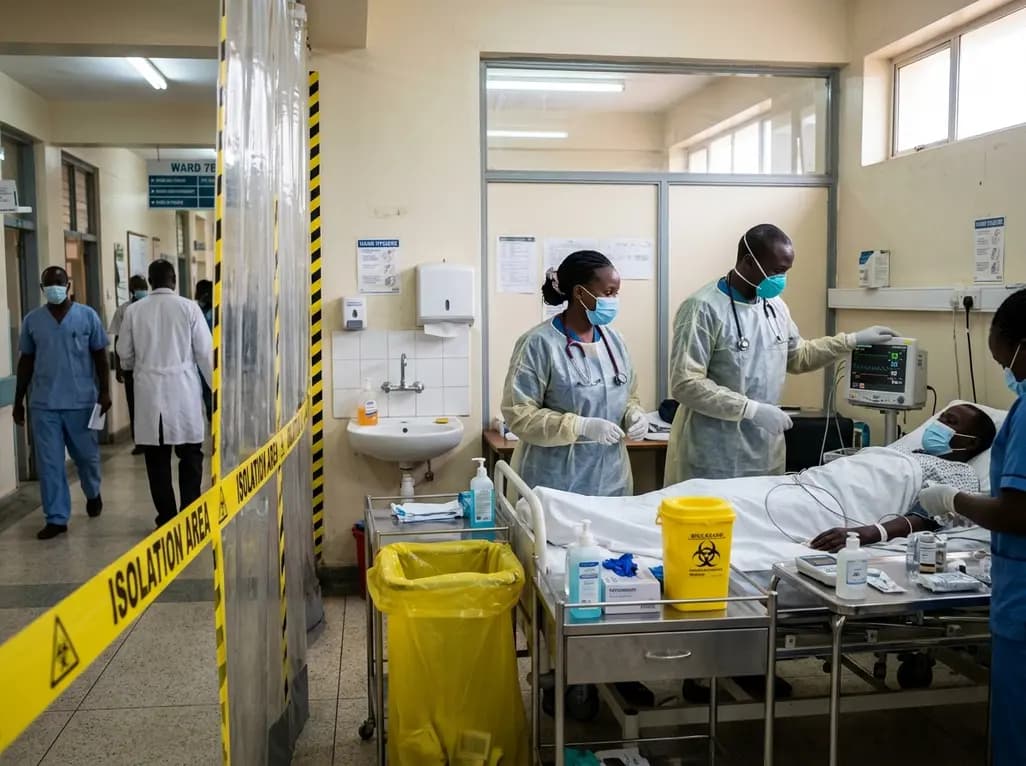
Kenya's confirmation of its eighth Ebola infection highlights the acute risk of secondary transmission in hospital environments. Clinicians must maintain high vigilance, enforce strict infection prevention protocols, and implement rapid triage mechanisms for viral hemorrhagic fevers across healthcare settings.
4 days back

Maternal anaemia contributes to nearly half of pregnancy-related fatalities across India. To prevent complications, Uttar Pradesh has added single-dose parenteral iron to its essential medicines list. This clinical transition aims to restore haemoglobin rapidly and protect high-risk mothers across rural facilities.
Last week

India's food safety authority FSSAI has issued show-cause notices to Gemini Edibles, BigBasket, and Flipkart for unpermitted cardiovascular claims regarding Freedom Rice Bran Oil. This regulatory move highlights the strict enforcement of advertising standards and the clinical necessity of evidence-based lipid care.
6 days back

The state government is deploying helicopter emergency medical services across the Mumbai-Pune Expressway, Samruddhi Mahamarg, and Mumbai-Goa Highway. This initiative establishes unified standard operating procedures to enable rapid triage, advanced prehospital resuscitation, and seamless trauma care transfers.
Last week
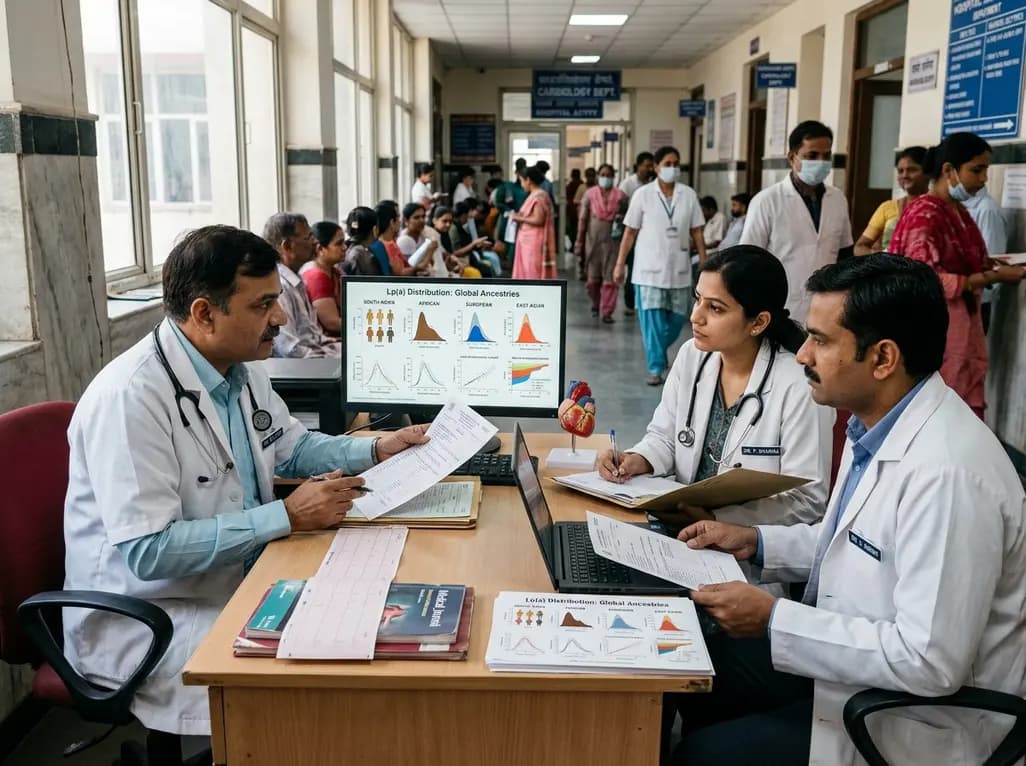
Atherosclerotic cardiovascular disease guidelines often rely on European-derived lipoprotein(a) cutoffs. However, baseline Lp(a) levels vary widely across ancestries, including South Asians and Africans. Clinicians must interpret Lp(a) values within overall absolute cardiovascular risk.
Last week
