.webp&w=384&q=75)

Loading, please wait...
Loading, please wait...
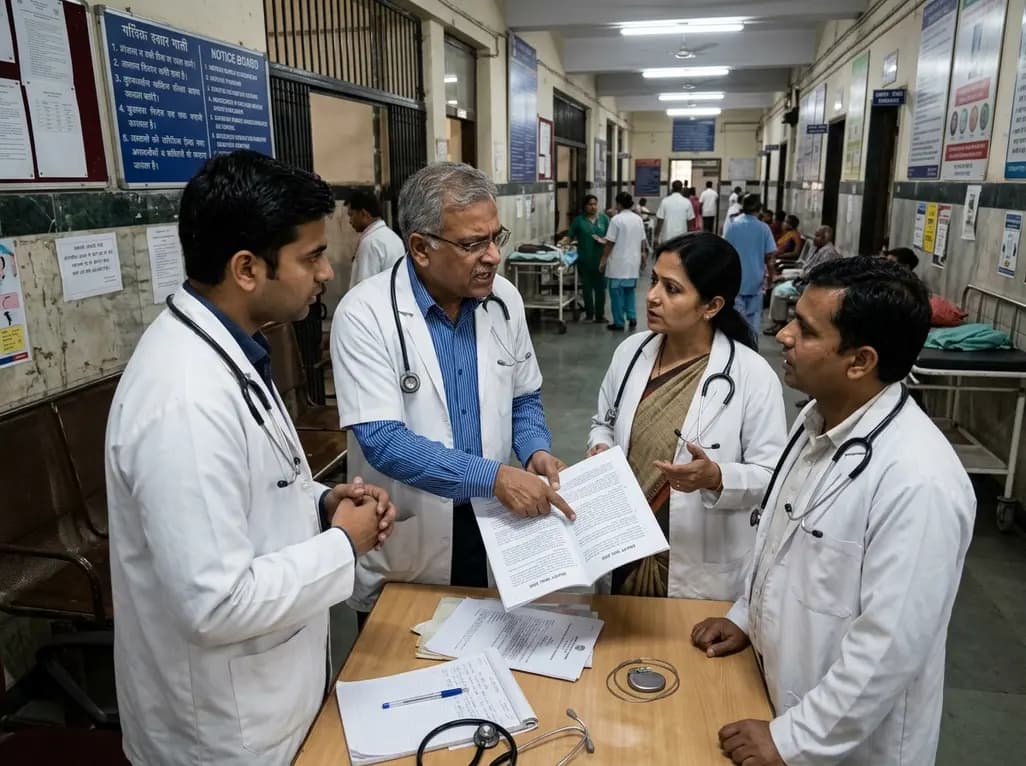
The healthcare sector in India is experiencing a significant debate regarding the legislative framework governing medical equipment and technology. Recently, several medical device manufacturers, patient safety organizations, and healthcare providers raised strong objections to the proposed Draft Drugs, Medical Devices and Cosmetics Bill, 2026. These key stakeholders officially submitted a formal representation to the Union Health Ministry on August 8, 2026. They strongly emphasized that medical devices regulation India must clearly recognize the distinct engineering nature of medical instruments rather than treating them as pharmaceutical drugs. Currently, government officials are conducting inter-ministerial consultations to evaluate the draft legislation. The primary objective of replacing the 86-year-old law is to modernize healthcare governance across the nation. However, industry leaders caution that the current provisions could seriously jeopardize local manufacturing, curb foreign investments, and stall crucial technological innovation. Furthermore, representatives argue that combining engineering products with pharmaceutical regulations creates severe regulatory friction. Consequently, medical technology experts are calling for an immediate policy rethink to safeguard India's position as an emerging global hub for medical device manufacturing. Therefore, understanding these regulatory nuances is essential for clinicians, administrators, and healthcare policy analysts across the country.
A primary concern raised by industry experts involves the fundamental misclassification of medical technologies within the draft framework. Medical devices are inherently complex engineering products rather than chemical or biological pharmaceutical formulations. For instance, diagnostic equipment, surgical instruments, orthopedic implants, and digital software operate on physical, mechanical, or electrical principles. In contrast, pharmaceutical products achieve their primary therapeutic effects through chemical absorption, biological action, or metabolic pathways. Consequently, applying drug-centric terminology such as adulterated, spurious, or misbranded to physical devices creates substantial confusion for regulatory authorities and manufacturers alike. Industry leaders emphasize that engineering variations in hardware or software components require technical calibration rather than drug-style scrutiny. Moreover, international regulatory authorities distinguish between these two categories to ensure safety without restricting technical progress. Broadly, global standards focus on usability engineering, software lifecycle safety, biocompatibility assessments, and rigorous quality management systems. Therefore, treating advanced technology as an adjunct to traditional medicine undermines scientific principles. Additionally, establishing a separate regulatory framework with specialized engineering personnel remains a vital requirement for fostering domestic innovation and ensuring high-quality healthcare delivery across all clinical sectors.
The proposed draft bill introduces severe criminal penalties for administrative oversights, documentation lapses, and minor labeling errors. Specifically, the legislation prescribes mandatory imprisonment ranging from one to seven years for technical non-compliance, even when no patient harm occurs. Consequently, industry representatives argue that such harsh penal measures will deter domestic production and scare away foreign direct investment. Furthermore, startup companies and researchers may hesitate to develop innovative healthcare solutions due to the constant fear of criminal prosecution over minor technical mistakes. In contrast, global regulatory bodies rely heavily on administrative enforcement mechanisms to resolve compliance issues. For example, leading health authorities in the United States, Europe, Japan, the United Kingdom, and Australia utilize risk-based conformity assessments, post-market surveillance, targeted recalls, and civil monetary penalties. These international frameworks effectively protect patient safety while simultaneously encouraging continuous technological improvements. Therefore, adopting a penal approach in India contradicts the principles established in recent domestic policy initiatives like the Jan Vishwas Act, which aimed to decriminalize minor business lapses. Overall, healthcare providers worry that excessive criminalization will restrict the availability of cutting-edge medical technologies in Indian hospitals and clinics.
To remain competitive on the international stage, India must align its statutory rules with established global benchmarks. Regulatory bodies such as the United States Food and Drug Administration and the European Medicines Agency rely on risk-based classification systems. Under these internationally accepted systems, devices receive regulatory oversight commensurate with their potential risk to patients. Moreover, international consensus standards prioritize post-market surveillance, continuous quality control, and proactive product recall protocols over punitive legal measures. Furthermore, organizations like the International Medical Device Regulators Forum advocate for flexible framework mechanisms, including predetermined change control plans for medical software. Consequently, adopting these global practices would streamline product approvals, enhance compliance efficiency, and guarantee patient safety. In contrast, retaining a rigid pharmaceutical model risks isolating the domestic industry from global supply chains. Therefore, stakeholders strongly urge the Union Health Ministry to establish a dedicated regulatory authority manned by biomedical engineers and technical experts. Such a dedicated agency can effectively evaluate complex technological innovations, manage safety protocols, and facilitate smooth market access. Ultimately, establishing modern, globally aligned oversight will protect public health while cementing India's reputation as a trustworthy supplier of advanced medical technology.
To build a resilient and innovative healthcare ecosystem, policymakers must collaborate closely with industry stakeholders, medical professionals, and patient advocacy groups. First, the government should introduce clear statutory definitions that explicitly differentiate medical hardware and software from pharmaceutical products. Second, regulatory authorities must remove severe criminal penalties for non-harmful administrative or labeling errors, replacing them with proportionate civil penalties. Third, establishing a specialized division within the central drug control organization will ensure qualified engineering professionals oversee device safety and efficacy evaluations. Additionally, introducing streamlined licensing timelines and transparent compliance guidelines will encourage local manufacturing and attract global investment. Furthermore, policymakers should incorporate modern concepts such as software lifecycle management, usability engineering, and biocompatibility standards directly into the legislative draft. By implementing these strategic reforms, India can successfully foster technological self-reliance, expand affordable access to modern healthcare, and protect patient safety simultaneously. Moreover, a supportive regulatory environment will motivate healthcare startups to create novel diagnostic and therapeutic devices tailored to local clinical needs. Consequently, balanced regulatory reform remains the cornerstone of sustainable growth for the nation's medical technology sector.
Q1: Why are medical device companies opposing the proposed Draft Bill 2026?
Medical device companies oppose the draft bill because it treats engineering-based medical devices like pharmaceutical drugs. Industry groups argue that using drug-centric terms and imposing heavy criminal penalties for minor documentation errors will hurt manufacturing, reduce investments, and hinder innovation across India's growing medical technology sector.
Q2: How do global regulatory bodies handle compliance issues for medical devices?
Global regulatory bodies such as the US FDA and EU MDR regulate medical devices through risk-based conformity assessments, administrative enforcement, quality management systems, post-market surveillance, and device recalls. They rarely impose criminal imprisonment for minor technical or labeling errors when no patient harm has occurred.
Q3: What specific regulatory reforms are Indian healthcare stakeholders demanding?
Stakeholders are demanding a distinct regulatory framework designed specifically for medical technologies. They urge policymakers to decriminalize minor technical lapses, replace pharmaceutical terminology with engineering standards, and establish an independent regulatory body staffed by biomedical engineers to oversee device safety, performance, and approvals.
Disclaimer: This content is for informational and educational purposes only. It does not constitute medical advice or replace professional judgment. Refer to the latest local and national guidelines for clinical practice.
References

Read summarized clinical updates, watch expert medical content, and earn CME certifications right from your smartphone.
Open your smartphone camera to scan and install.





Indian medical device makers, patient safety groups, and healthcare providers have opposed the proposed Draft Drugs, Medical Devices and Cosmetics Bill, 2026. Industry stakeholders argue that treating engineering-based devices as pharmaceutical drugs could hamper sector innovation, investment, and manufacturing.
last month
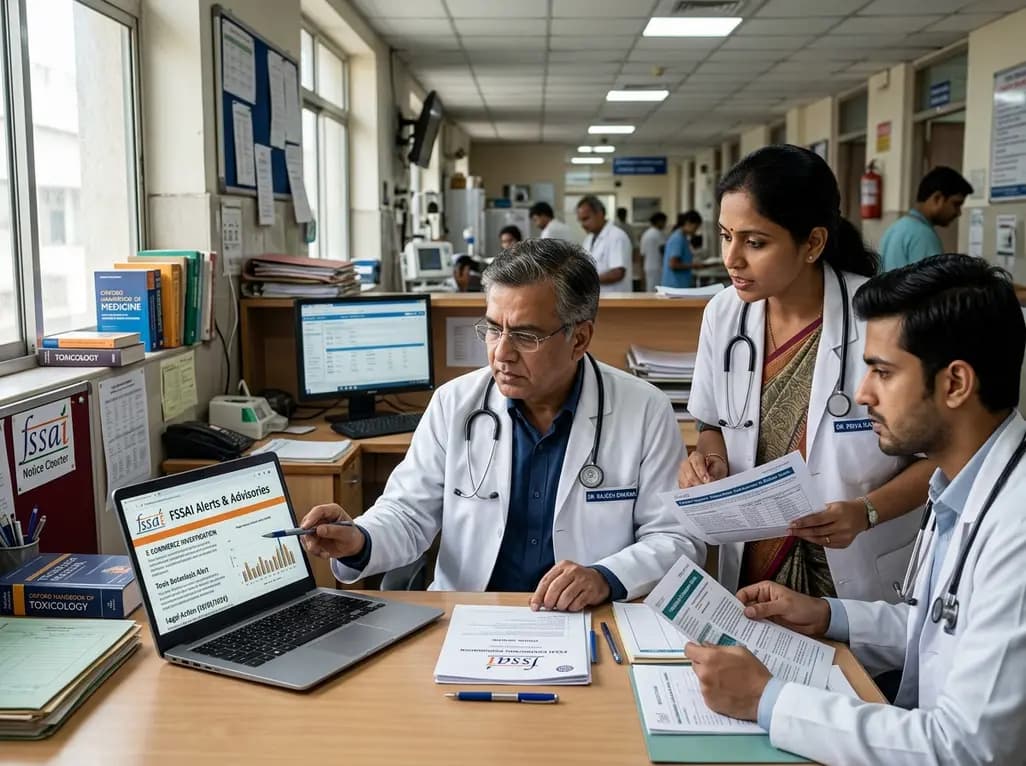
India's apex food regulator has launched legal proceedings against top digital retail platforms for distributing hazardous botanical substances and misbranded consumer goods. Discover the regulatory breaches, clinical toxicity risks, and key implications for healthcare providers across the country.
Yesterday
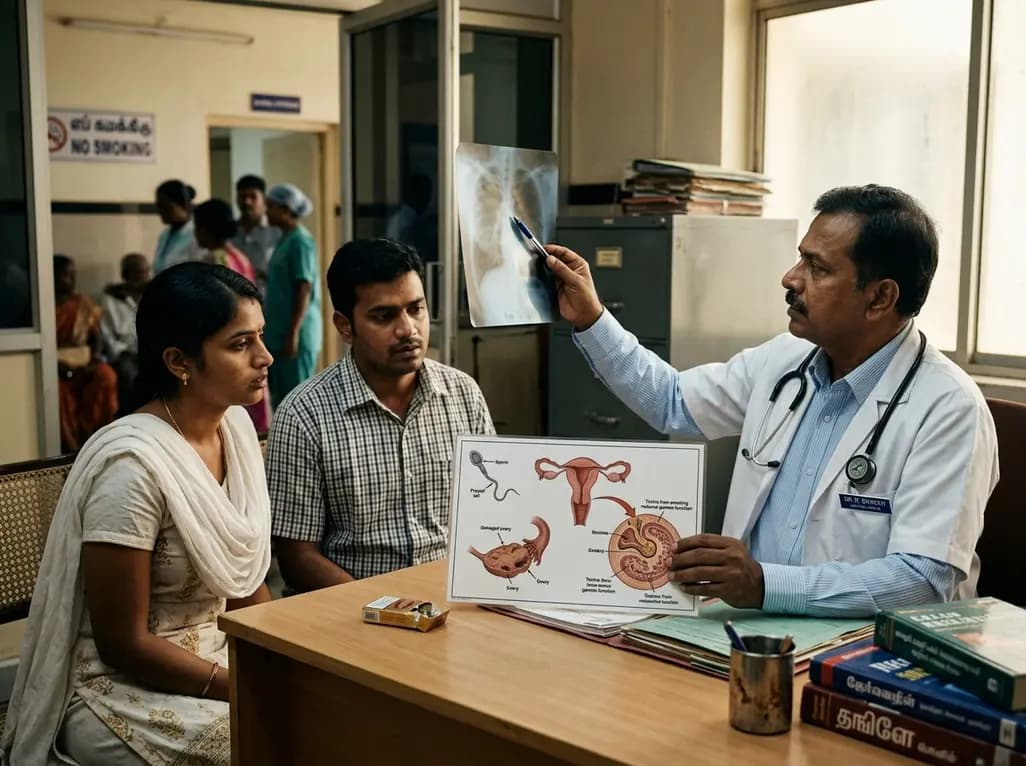
A global knowledge summary from the World Health Organization warns that tobacco smoking significantly increases infertility risks in women and causes substantial sperm and erectile dysfunction in men. Fortunately, quitting smoking substantially lowers these risks, providing clear reproductive benefits.
Last week

To curb crushing healthcare expenses, Karnataka's Food Safety and Drugs Administration has formally petitioned central authorities to institute a dedicated National List of Essential Medical Devices under the DPCO framework, establishing uniform price ceilings across twenty-four vital clinical categories.
2 days back
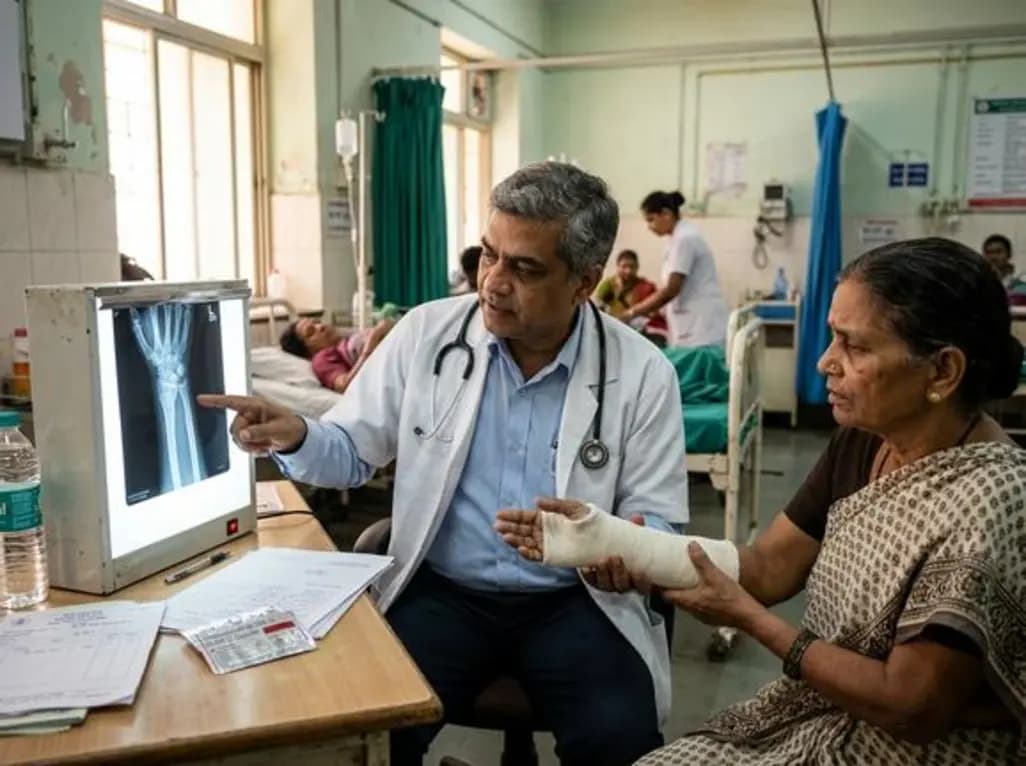
Nearly 80% of Indians suffer from inadequate Vitamin D, causing silent bone weakening and sudden fractures. This expert guide reviews why mega-dose therapy is critical for high-risk patients, the key factors driving widespread deficiency, and the mandatory medical evaluations needed to protect skeletal health.
3 months ago

A nationwide mixed-methods study evaluated hospital glycemic management systems across 265 hospitals. While real-time alerts and automatic data sync are highly valued, significant disparities in digital maturity and low satisfaction with decision support highlight the need for standardized implementation.
4 weeks back
