.webp&w=384&q=75)

Loading, please wait...
Loading, please wait...

Recently, private equity giant KKR entered advanced negotiations to acquire a majority stake in the Indian business of Sweden's Medicover. Consequently, the value of this potential deal exceeds $1 billion. This transaction represents a massive milestone for healthcare investments in India, highlighting the country's rapidly growing hospital market.
Sweden-based Medicover currently owns 66.9% of Medicover Hospitals India. Meanwhile, KKR is seeking to acquire this entire stake for at least $1.05 billion. This acquisition will expand KKR's medical footprint in the world's most populous nation. Additionally, the investment firm has been steadily building its clinical presence across various Indian states.
Furthermore, India's hospital sector has attracted strong interest from global investors recently. Rising disposable incomes, expanding health insurance coverage, and escalating demands for high-quality clinical care drive this consolidation. Therefore, hospital chains across the country are rapidly expanding their capacities.
Medicover entered the Indian healthcare market in 2016. Since then, the group has established a robust network of 26 multispecialty hospitals. Currently, these facilities operate approximately 6,000 beds. Although Medicover is discussing this sale with KKR, the company also continues to prepare for a potential Indian initial public offering (IPO).
Moreover, the Indian unit reported an annual revenue of $234.6 million in 2025. This business accounts for over half of the group's global hospital network. Thus, the successful completion of this deal could significantly reshape the competitive landscape for Indian healthcare providers.
Q1: What is the estimated value of the KKR-Medicover deal in India?
KKR is reportedly in advanced talks to acquire the majority stake in Medicover's Indian hospital operations for at least $1 billion, with plans to buy Sweden's Medicover's entire 66.9% stake for around $1.05 billion.
Q2: How many hospitals does Medicover operate in India?
Medicover operates a network of 26 multispecialty hospitals with approximately 6,000 beds across several Indian states, having entered the market in 2016.
Q3: Is Medicover still planning an IPO in India?
Yes, Medicover has stated that it is continuing with its Indian initial public offering (IPO) preparations alongside the ongoing negotiations with KKR.
Disclaimer: This content is for informational and educational purposes only. It does not constitute medical advice or replace professional judgment. Refer to the latest local and national guidelines for clinical practice.
References

Read summarized clinical updates, watch expert medical content, and earn CME certifications right from your smartphone.
Open your smartphone camera to scan and install.





Private equity giant KKR is in advanced negotiations to acquire a majority stake in Medicover's Indian hospital operations for at least $1 billion. This landmark deal highlights the massive consolidation and growth currently sweeping across India's rapidly expanding healthcare sector.
4 months ago
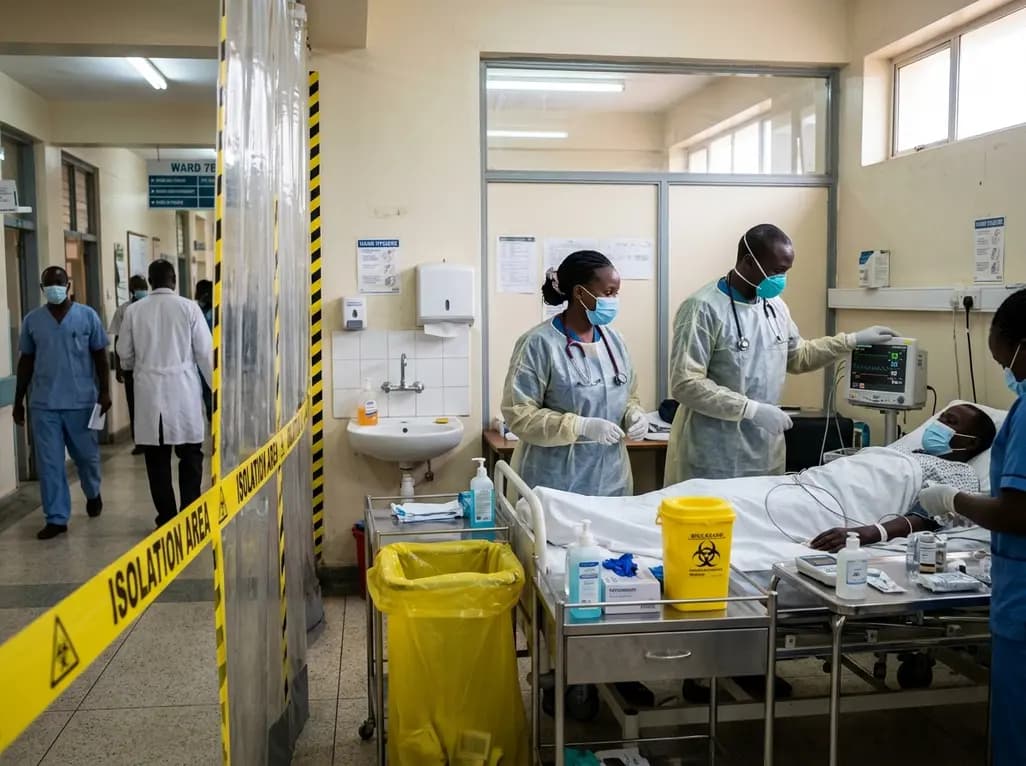
Kenya's confirmation of its eighth Ebola infection highlights the acute risk of secondary transmission in hospital environments. Clinicians must maintain high vigilance, enforce strict infection prevention protocols, and implement rapid triage mechanisms for viral hemorrhagic fevers across healthcare settings.
4 days back
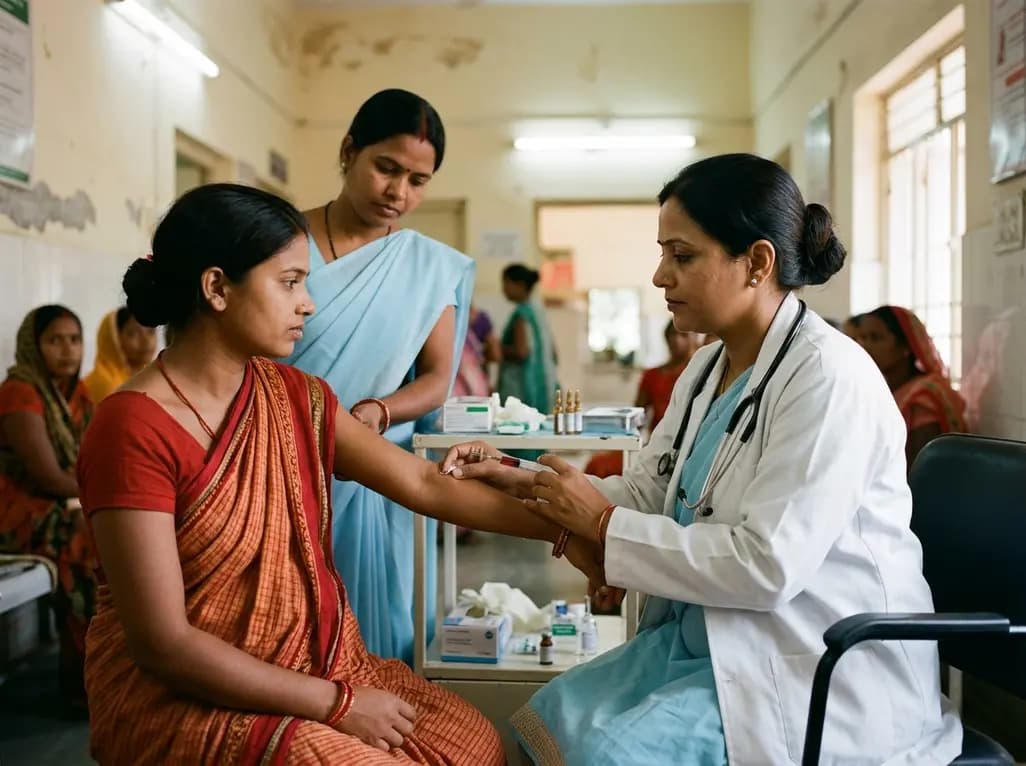
Maternal anaemia contributes to nearly half of pregnancy-related fatalities across India. To prevent complications, Uttar Pradesh has added single-dose parenteral iron to its essential medicines list. This clinical transition aims to restore haemoglobin rapidly and protect high-risk mothers across rural facilities.
Last week

India's food safety authority FSSAI has issued show-cause notices to Gemini Edibles, BigBasket, and Flipkart for unpermitted cardiovascular claims regarding Freedom Rice Bran Oil. This regulatory move highlights the strict enforcement of advertising standards and the clinical necessity of evidence-based lipid care.
6 days back

The state government is deploying helicopter emergency medical services across the Mumbai-Pune Expressway, Samruddhi Mahamarg, and Mumbai-Goa Highway. This initiative establishes unified standard operating procedures to enable rapid triage, advanced prehospital resuscitation, and seamless trauma care transfers.
Last week
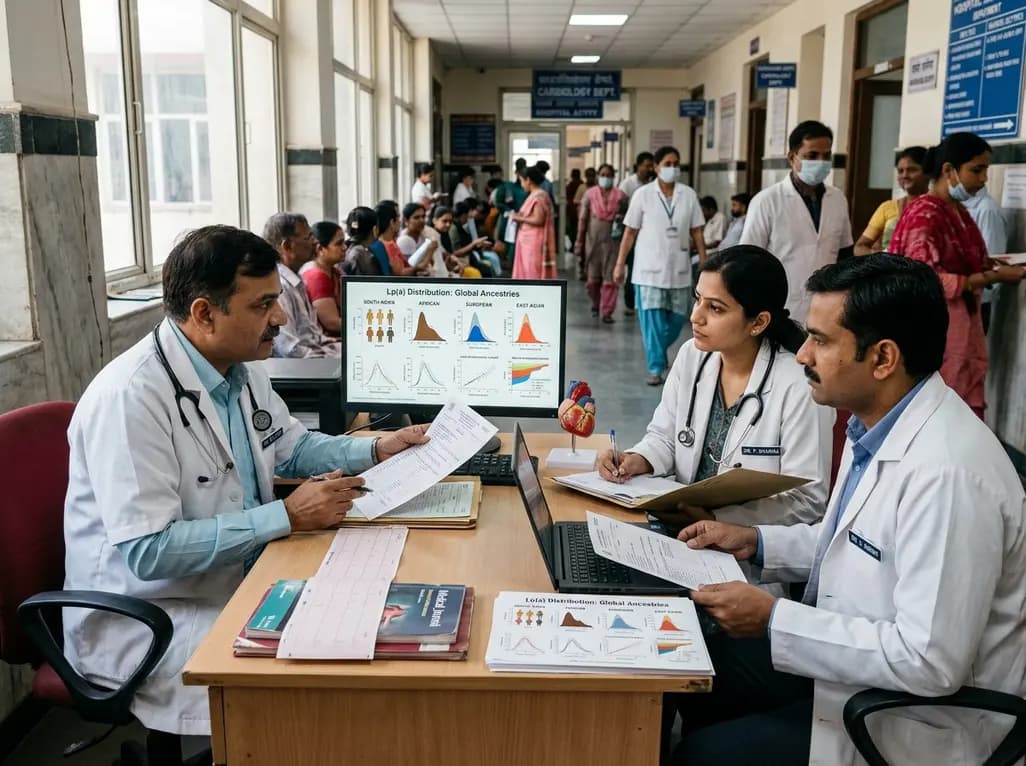
Atherosclerotic cardiovascular disease guidelines often rely on European-derived lipoprotein(a) cutoffs. However, baseline Lp(a) levels vary widely across ancestries, including South Asians and Africans. Clinicians must interpret Lp(a) values within overall absolute cardiovascular risk.
Last week
