.webp&w=384&q=75)

Loading, please wait...
Loading, please wait...

The National Organ and Tissue Transplant Organisation (NOTTO) has issued a landmark directive. Consequently, kidney transplant hospitals across India must now publicly publish clinical outcome data. Previously, patients had to choose surgical centres without knowing how those institutions performed. Specifically, hospitals must display this data prominently on their websites. This change will help families evaluate a hospital's kidney transplant success rate with objective facts. Furthermore, this transparency empowers patients to make informed choices during critical periods of care.
The recent regulatory push seeks to address a long-standing gap in patient communication within the Indian healthcare ecosystem. Under the guidance of NOTTO Director Dr. Anil Kumar, state and union territory authorities must enforce strict data compliance across all regions. Specifically, hospitals must publish post-transplant success figures and submit comprehensive clinical records to the national registry. This policy emerged after BJP MP Captain Brijesh Chowta raised concerns regarding the lack of transparent reporting on transplant outcomes. Historically, public attention has focused almost exclusively on immediate surgical success. However, long-term complications and survival rates remained completely undocumented. Consequently, this lack of organized information created a highly challenging environment for patients trying to evaluate hospital competency. By enforcing standard reporting, the government aims to establish a baseline of quality care across all 824 registry-linked transplant centres. Therefore, hospitals must now adopt standardized templates to present their historical performance. This change will ultimately foster healthy competition among healthcare providers and elevate national clinical standards. Additionally, it ensures that hospitals prioritize long-term clinical safety over simple surgical volume.
To ensure absolute clarity, the regulatory framework specifies a structured timeline for reporting post-operative outcomes. Specifically, transplant centres must track and disclose the percentage of patients alive at multiple follow-up intervals. NOTTO establishes these reporting milestones at discharge, six months, one year, three years, and five years post-surgery. Additionally, hospitals must reveal precise statistics regarding patient deaths, graft failures, and individuals lost to follow-up. Because clinical teams cannot accurately evaluate a kidney transplant success rate solely by short-term survival, multi-tiered tracking is essential. For instance, graft survival may decline over several years due to chronic rejection. Therefore, long-term monitoring provides a truer representation of clinical expertise. Furthermore, this rigorous system ensures that hospitals remain active partners in their patients' long-term healthcare journey, preventing post-surgical neglect. Consequently, patients can now compare long-term survival statistics across different healthcare facilities. This transparency ultimately pushes clinical teams to improve post-operative protocols and enhance immunosuppressant management. Subsequently, patients will experience fewer long-term complications and enjoy better health outcomes. It also provides invaluable data for national epidemiological research.
Before this mandate, tracking long-term outcomes of renal transplant recipients was notoriously inconsistent across India. While hospitals widely publicized successful surgical procedures, they left subsequent graft failures and patient deaths unrecorded in public registries. For example, a report submitted by Mangaluru-based citizens highlighted significant gaps in patient monitoring. This report directly influenced Captain Chowta’s representation to the Union Health Ministry. Historically, patients had to navigate a fragmented system where long-term complications remained hidden from public view. Consequently, hearsay rather than objective data often guided patients in choosing a transplant centre. The absence of a centralized registry meant that medical professionals frequently lost valuable clinical lessons. However, the newly reinforced registry managed by NOTTO will now address these systemic flaws. By mandating regular data uploads through designated login credentials, NOTTO is creating a robust national repository. Additionally, this centralized data will help researchers identify specific risk factors associated with Indian patients. Subsequently, clinical experts can design targeted care guidelines. This shift will ultimately reduce preventable graft losses and enhance patient longevity. Furthermore, it will help establish standard clinical pathways across diverse regional hospitals.
Publicly disclosing medical outcomes is a critical step toward improving patient safety and autonomy. When patients have access to transparent data, they can make decisions with much greater confidence. For instance, a family can compare success rates of local clinics before selecting a provider. Nevertheless, clinical experts emphasize that patients must interpret transplant outcomes with extreme care. Dr. Anupam Roy from Aakash Hospital noted that observers must view these success rates in the context of patient complexity. For example, some specialized tertiary centres routinely accept highly complex, high-risk cases that other hospitals reject. Consequently, these centres might show slightly lower survival statistics despite delivering world-class care. Therefore, patients and referring physicians must interpret these public metrics comprehensively rather than focusing solely on raw percentages. Additionally, the NOTTO directive requires hospitals to provide comprehensive counseling regarding surgical risks before obtaining written consent. This ensures that families fully understand potential complications. Ultimately, this transparency will protect both vulnerable patients and dedicated medical institutions. Furthermore, it encourages patients to ask crucial questions during pre-surgical consultations, improving communication.
To maintain their operational licenses, all 824 registered transplant hospitals must quickly align with the new reporting standards. Specifically, NOTTO has instructed state and union territory health authorities to conduct regular audits of hospital websites. If a hospital fails to display its outcomes prominently, it may face severe regulatory penalties. Additionally, clinical teams must update the national registry regularly using their designated login credentials. This continuous data feeding is vital for creating an evidence-based policymaking ecosystem in India. For instance, real-time data will allow the government to allocate resources more efficiently to regions with high graft failure rates. Furthermore, complete transparency will help eliminate unethical practices in the organ transplant sector. By holding every institution accountable, NOTTO is building a highly reliable transplant network. Consequently, international patients seeking renal transplants in India will gain confidence in the medical system. Ultimately, this regulatory reform is not just about publishing numbers. It is about creating a culture of continuous clinical quality improvement. Therefore, hospital administrators must view these directives as an opportunity to showcase their clinical excellence.
Q1: Why has NOTTO mandated that hospitals publish their kidney transplant success rate data?
NOTTO issued this mandate to enhance transparency and patient autonomy in India's organ transplant system. Previously, patients had to select transplant centres without access to verified outcome metrics. By publishing survival rates, deaths, and graft failures, this transparency holds hospitals more accountable. Consequently, this public data empowers families to make objective decisions and encourages hospitals to maintain excellent care standards.
Q2: What specific post-transplant intervals must hospitals report under this new directive?
According to the NOTTO standard reporting format, hospitals must disclose comprehensive survival percentages at specific clinical milestones. Specifically, transplant centres must record and publish data at discharge, six months, one year, three years, and five years. Ultimately, this structured timeline helps track long-term complications and ensures that clinicians do not lose track of patients during follow-up.
Q3: How should patients interpret the published transplant outcome data when choosing a hospital?
Patients must interpret transplant outcome statistics with careful context rather than focusing solely on raw percentages. Highly specialized tertiary hospitals frequently accept extremely complex, high-risk patients who are rejected by other clinics. Consequently, these advanced centres may exhibit slightly lower raw survival rates. Therefore, families should discuss these metrics with clinical experts to understand how patient risk profiles influence the overall success statistics.
Disclaimer: This content is for informational and educational purposes only. It does not constitute medical advice or replace professional judgment. Refer to the latest local and national guidelines for clinical practice.
References

Read summarized clinical updates, watch expert medical content, and earn CME certifications right from your smartphone.
Open your smartphone camera to scan and install.





The National Organ and Tissue Transplant Organisation (NOTTO) has issued a directive forcing transplant centres across India to publicly publish their patient survival rates, graft outcomes, and long-term results, ensuring greater transparency and aiding patients in making informed treatment choices.
3 months ago

Kenya's confirmation of its eighth Ebola infection highlights the acute risk of secondary transmission in hospital environments. Clinicians must maintain high vigilance, enforce strict infection prevention protocols, and implement rapid triage mechanisms for viral hemorrhagic fevers across healthcare settings.
3 days back
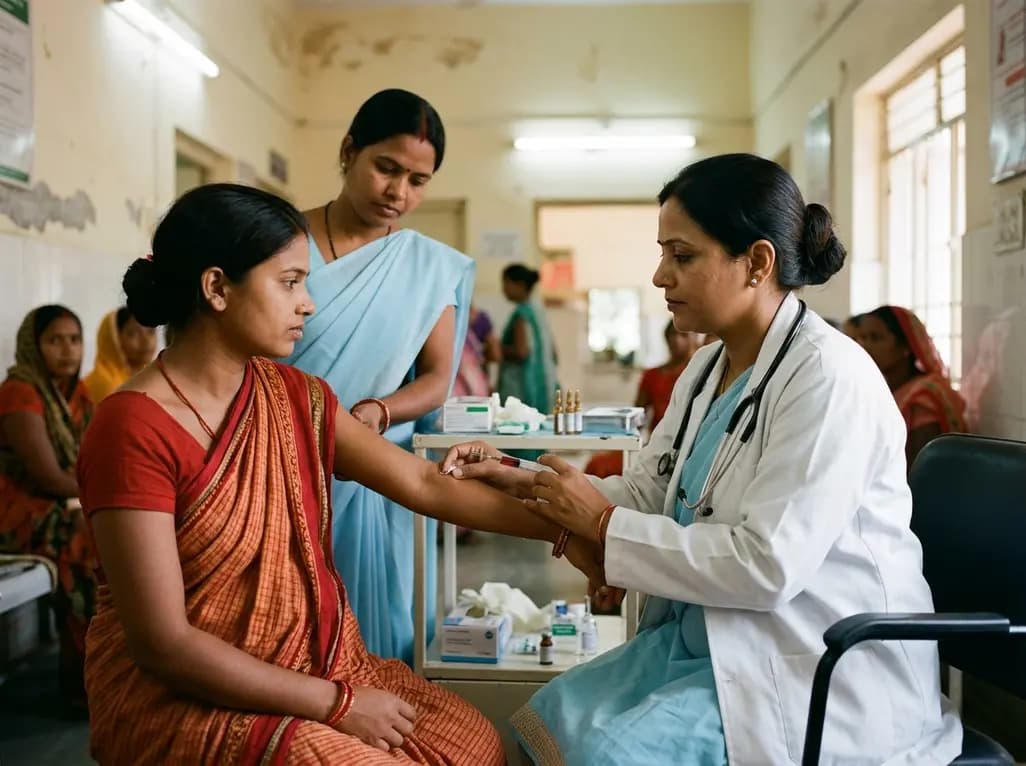
Maternal anaemia contributes to nearly half of pregnancy-related fatalities across India. To prevent complications, Uttar Pradesh has added single-dose parenteral iron to its essential medicines list. This clinical transition aims to restore haemoglobin rapidly and protect high-risk mothers across rural facilities.
Last week

India's food safety authority FSSAI has issued show-cause notices to Gemini Edibles, BigBasket, and Flipkart for unpermitted cardiovascular claims regarding Freedom Rice Bran Oil. This regulatory move highlights the strict enforcement of advertising standards and the clinical necessity of evidence-based lipid care.
5 days back

The state government is deploying helicopter emergency medical services across the Mumbai-Pune Expressway, Samruddhi Mahamarg, and Mumbai-Goa Highway. This initiative establishes unified standard operating procedures to enable rapid triage, advanced prehospital resuscitation, and seamless trauma care transfers.
Last week
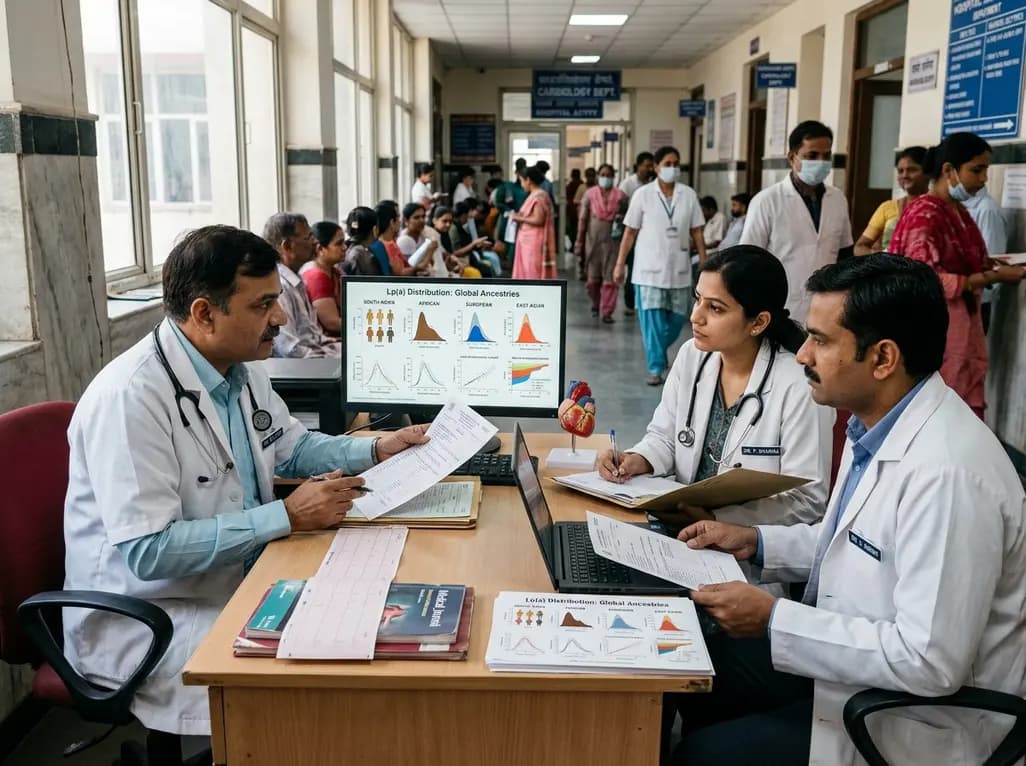
Atherosclerotic cardiovascular disease guidelines often rely on European-derived lipoprotein(a) cutoffs. However, baseline Lp(a) levels vary widely across ancestries, including South Asians and Africans. Clinicians must interpret Lp(a) values within overall absolute cardiovascular risk.
Last week
