.webp&w=384&q=75)

Loading, please wait...
Loading, please wait...

The global healthcare landscape is currently witnessing a massive transformation, especially as bilateral trade agreements redefine the manufacturing and distribution of medical devices. On July 15, 2026, the landmark India-UK Comprehensive Economic and Trade Agreement (CETA) officially came into force. This historic deal marks a turning point for healthcare providers, administrators, and manufacturers in both nations. A major highlight of this trade pact is the focus on the India-UK CETA MedTech partnership, which establishes a framework for the mutual recognition of regulatory clearances for medical devices. By streamlining these approval pathways, the agreement aims to reduce compliance costs and fast-track the availability of advanced medical technologies in clinical spaces. Consequently, Indian healthcare institutions can anticipate better access to high-end diagnostic tools, while domestic producers gain an unprecedented gateway into the British market. However, as with any major policy shift, the local industry remains cautious about the balance between market expansion and domestic protection. It is therefore crucial to analyze the regulatory, economic, and strategic implications of this trade deal. This comprehensive analysis explores how the agreement will reshape medical device procurement and help India achieve its long-term manufacturing aspirations. Ultimately, this trade deal will determine how quickly India can transition from an import-dependent market to a major player on the global healthcare stage.
For decades, medical device manufacturers in India have struggled with varying regulatory standards when attempting to export to highly regulated Western markets like the United Kingdom. However, the implementation of the new trade agreement promises to bridge this gap. Under the terms of the agreement, both nations will give positive consideration to accepting each other's technical regulations as equivalent. This means that if the importing country is satisfied that the exporter's regulations adequately fulfill its own domestic safety objectives, it can grant regulatory clearance. Furthermore, if a regulatory body decides to refuse equivalence, it must provide a detailed explanation within a reasonable timeframe. This level of accountability is expected to foster trust between the Central Drugs Standard Control Organisation (CDSCO) and the UK’s Medicines and Healthcare products Regulatory Agency (MHRA). Additionally, the agreement encourages regulators to accept product testing results from accredited laboratories in the other country. Ultimately, this reduces the need for redundant clinical trials and expensive safety testing. By lowering these technical barriers, the treaty facilitates a smoother flow of life-saving medical devices, directly benefiting patients and healthcare professionals who rely on timely access to state-of-the-art diagnostic and therapeutic instruments. This mutual recognition is a massive leap forward, replacing years of bureaucratic delays with streamlined, modern regulatory cooperation.
While the regulatory framework offers immense promise, current trade statistics highlight a significant economic imbalance that both nations must address. According to recent industry estimates, India's medical device exports to the United Kingdom stood at approximately Rs 1,190 crore in 2025. In contrast, imports from the United Kingdom were more than double that amount, reaching an estimated Rs 2,200 crore. This substantial trade gap reflects India's historical reliance on foreign manufacturers for high-end medical technologies. Currently, India's exports to the UK primarily consist of low-to-medium risk items, such as spectacle lenses, single-use plastic disposables, and basic surgical implants. On the other hand, imports from the UK feature sophisticated, high-value systems, including ventilators, advanced X-ray imaging machines, and complex in-vitro diagnostic (IVD) analysis instruments. Consequently, the trade agreement must do more than just lower tariffs; it must actively support the upskilling of Indian manufacturers. By reducing incremental compliance costs, the agreement makes it easier for Indian companies to bid for lucrative public tenders within the UK's National Health Service (NHS). Over time, this access can help Indian manufacturers scale up their production and gradually bridge the multi-million dollar trade deficit. In doing so, Indian firms will establish themselves as competitive, high-quality manufacturers globally.
Despite the optimism surrounding the bilateral trade agreement, domestic manufacturers have raised serious concerns regarding import safety and fair competition. Representatives from the Association of Indian Medical Device Industry (AiMeD) have cautioned that third-country producers might exploit the reduced tariffs by rerouting products through the UK. Specifically, there is a legitimate fear that European Union or Chinese manufacturers could use the UK as a trans-shipment hub to gain duty-free access to the Indian market. To counter this threat, industry leaders are demanding the strict implementation of Rules of Origin customs safeguards. India has previously experienced similar challenges with trading partners like Singapore and the Netherlands. Despite having limited domestic manufacturing capabilities, these nations rank among the top five suppliers of medical devices to India due to their efficient ports and favorable tax regimes. Therefore, domestic stakeholders emphasize that every free trade agreement must require full disclosure of both legal and actual manufacturers, in line with CDSCO guidelines. Implementing these transparency measures will prevent undisclosed third parties from undermining India's domestic manufacturing sector. Protecting local producers is vital, especially since India's medical technology industry is still in its nascent, import-dependent stage of development. Therefore, robust customs enforcement is not just a regulatory preference, but an absolute necessity for sustaining local industrial growth.
Looking ahead, the successful integration of regulatory standards under this treaty could serve as a valuable proof-of-concept for India's broader global ambitions. The Medical Technology Association of India (MTaI) believes that this agreement could serve as a model for future negotiations with other major economic blocs, such as the European Union. Currently, India has set an ambitious target of becoming one of the top five global MedTech manufacturing hubs by the year 2030. To achieve this goal, the country must shift its focus from producing basic medical consumables to manufacturing highly sophisticated diagnostic and therapeutic devices. The collaborative pathways established by the current agreement will undoubtedly facilitate technology transfers and encourage joint research and development initiatives between Indian and British firms. Moreover, as Indian manufacturers align their quality management systems with international standards, their global competitiveness will naturally rise. If the government successfully implements the necessary custom safeguards, this trade agreement will provide the perfect launchpad for Indian MedTech. By combining domestic manufacturing incentives with streamlined international trade routes, India can foster a resilient, self-reliant healthcare ecosystem that meets both domestic demands and international standards. This strategic progression will ensure that India's healthcare future is secure, innovative, and highly resilient to external market shocks.
Q1: How does the trade agreement address regulatory clearances for medical devices?
The agreement establishes a robust framework for the mutual recognition of regulatory standards between India and the UK. Under this system, both countries agree to positively consider accepting the other's technical regulations as equivalent, provided they meet safety objectives. If a regulatory authority rejects equivalence, they must provide clear, detailed justifications within a reasonable timeframe, which encourages transparency and simplifies the approval process for exporters.
Q2: Why is the Indian medical device industry concerned about third-country rerouting?
Domestic manufacturers worry that companies in non-partner countries, such as China or certain European Union states, might exploit the trade deal. By routing their products through the United Kingdom, these third-country producers could gain unfair, duty-free access to the Indian market. To prevent this, the industry is demanding strict Rules of Origin and mandatory disclosure of both the legal and actual manufacturers of all imported medical devices.
Q3: What are the primary medical devices traded between India and the United Kingdom?
Currently, there is a notable trade imbalance between the two countries. India's exports to the United Kingdom are dominated by low-to-medium risk items, including spectacle lenses, surgical implants, and single-use plastic disposables. In contrast, India imports highly sophisticated, high-value medical technologies from the UK, such as advanced ventilators, diagnostic imaging equipment like X-ray machines, and specialized in-vitro diagnostic analysis instruments.
Disclaimer: This content is for informational and educational purposes only. It does not constitute medical advice or replace professional judgment. Refer to the latest local and national guidelines for clinical practice.
References

Read summarized clinical updates, watch expert medical content, and earn CME certifications right from your smartphone.
Open your smartphone camera to scan and install.





The newly enacted India-UK Comprehensive Economic and Trade Agreement paves the way for mutual regulatory recognition of medical devices. While Indian exporters gain streamlined access to the NHS, domestic manufacturers caution against third-country imports and demand stricter rules of origin.
3 months ago
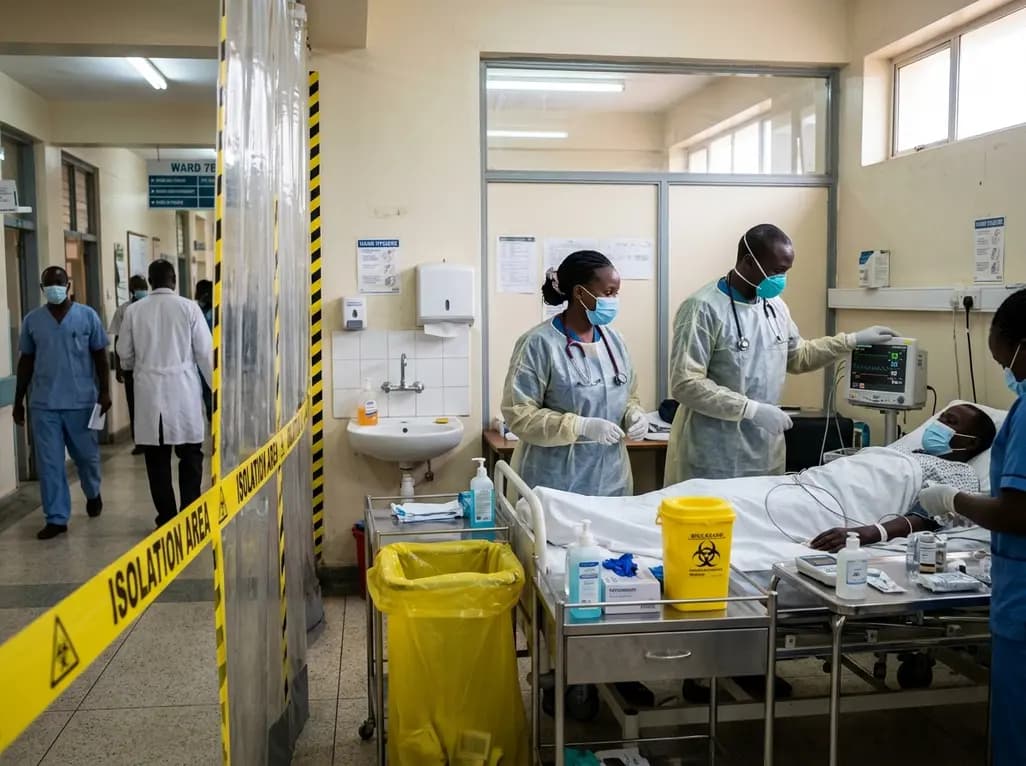
Kenya's confirmation of its eighth Ebola infection highlights the acute risk of secondary transmission in hospital environments. Clinicians must maintain high vigilance, enforce strict infection prevention protocols, and implement rapid triage mechanisms for viral hemorrhagic fevers across healthcare settings.
3 days back
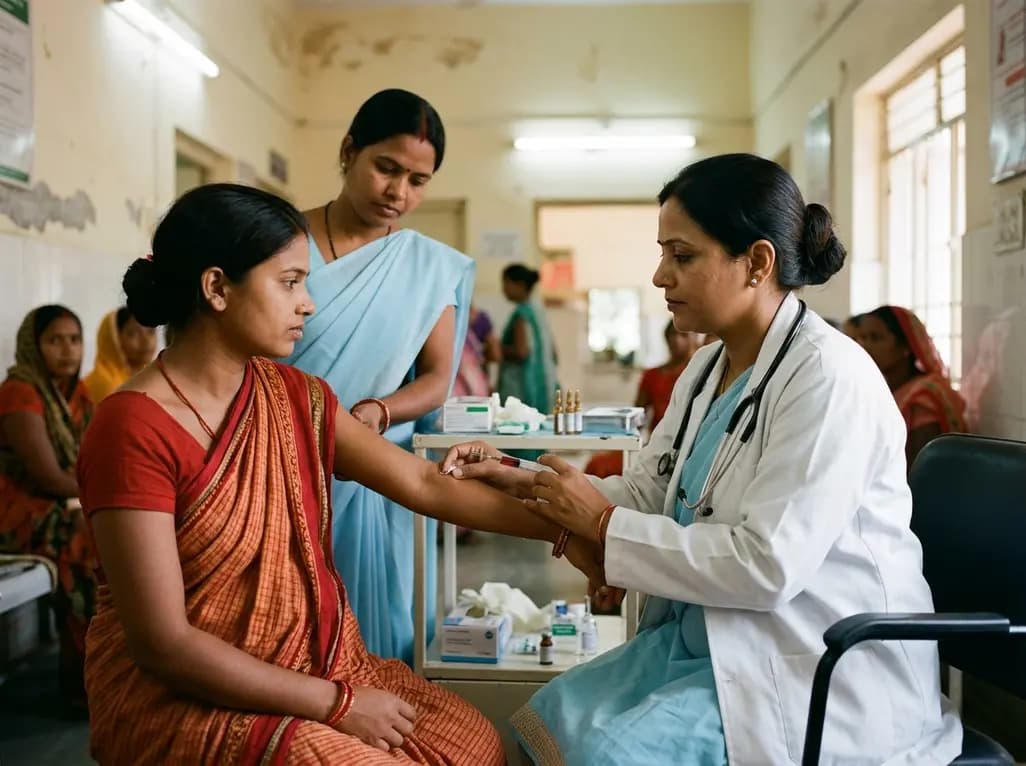
Maternal anaemia contributes to nearly half of pregnancy-related fatalities across India. To prevent complications, Uttar Pradesh has added single-dose parenteral iron to its essential medicines list. This clinical transition aims to restore haemoglobin rapidly and protect high-risk mothers across rural facilities.
Last week

India's food safety authority FSSAI has issued show-cause notices to Gemini Edibles, BigBasket, and Flipkart for unpermitted cardiovascular claims regarding Freedom Rice Bran Oil. This regulatory move highlights the strict enforcement of advertising standards and the clinical necessity of evidence-based lipid care.
5 days back

The state government is deploying helicopter emergency medical services across the Mumbai-Pune Expressway, Samruddhi Mahamarg, and Mumbai-Goa Highway. This initiative establishes unified standard operating procedures to enable rapid triage, advanced prehospital resuscitation, and seamless trauma care transfers.
Last week
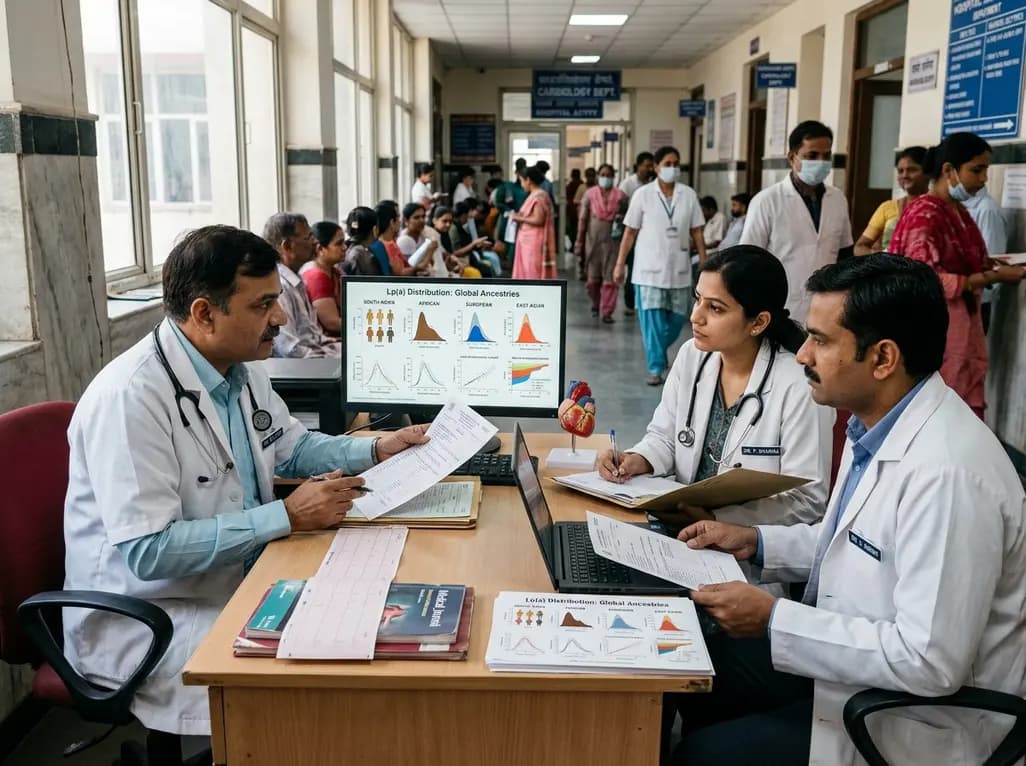
Atherosclerotic cardiovascular disease guidelines often rely on European-derived lipoprotein(a) cutoffs. However, baseline Lp(a) levels vary widely across ancestries, including South Asians and Africans. Clinicians must interpret Lp(a) values within overall absolute cardiovascular risk.
Last week
