.webp&w=384&q=75)

Loading, please wait...
Loading, please wait...

Modern medical advances have significantly expanded the scope of minimally invasive and complex surgical interventions. Consequently, clinicians encounter iatrogenic vascular injuries with increasing frequency across diverse hospital specialties. A landmark 15-year retrospective observational study using prospectively collected data from the Australasian Vascular Audit provides valuable epidemiological and clinical insights. The comprehensive registry analysis evaluated 4,559 patients who required operative or endovascular intervention for vessel trauma sustained during diagnostic or therapeutic procedures between 2010 and 2024. Therefore, understanding the anatomical patterns, treatment pathways, and predictors of adverse outcomes is essential for interventionalists and operating surgeons worldwide.
Over the 15-year audit period, investigators noted a statistically significant upward trajectory in reported cases. Specifically, annual case numbers grew by approximately 1.5% each year. This persistent increase reflects several converging factors within modern clinical environments. Clinicians now perform higher volumes of percutaneous catheter-based procedures, complex cardiac interventions, oncological resections, and orthopedic reconstructions. Furthermore, the treated patient population is progressively older and presents with complex systemic comorbidities. In this binational cohort, the median patient age was 66 years, and males represented 54.0% of cases. Advanced age often correlates with significant arterial calcification, vessel tortuosity, and tissue fragility, which heighten the vulnerability of vascular structures during instrumentation. Consequently, proceduralists across cardiology, interventional radiology, and general surgery must maintain heightened vigilance. Routine pre-procedural imaging and careful patient selection remain essential to mitigate technical complications.
Anatomical site analysis reveals that peripheral access vessels sustain the vast majority of accidental vascular trauma. The common femoral artery emerged as the single most frequently injured vessel, accounting for 20.6% of all recorded cases. Meanwhile, the external iliac artery was involved in 8.6% of cases, and the brachial artery represented 5.6% of injuries. These findings clearly underscore the risks associated with common transfemoral and transbrachial arterial access routes. High-puncture trajectories, aggressive sheath upsizing, and inadvertent back-wall punctures frequently trigger pseudoaneurysms, retroperitoneal hematomas, arterial dissections, or acute thrombosis. In addition, pelvic and deep retroperitoneal dissections during pelvic or spinal operations can inadvertently injure major iliac conduits. Therefore, establishing precise anatomical landmarks and utilizing real-time ultrasound guidance during percutaneous access are critical safeguards against catastrophic vascular disruption.
The management of vascular injuries requires prompt recognition and tailored surgical execution. According to the audit data, local repair without bypass served as the primary operative strategy in 43.5% of cases. Surgeons commonly perform direct primary suture repair, patch angioplasty, or thrombectomy to restore vessel integrity and preserve distal perfusion. When extensive tissue destruction or segmental vessel loss occurs, clinicians must construct interposition graft bypasses using autologous vein or synthetic conduits. In addition, the contemporary integration of endovascular techniques provides valuable minimally invasive options. Covered stents, coil embolization, and balloon occlusion catheters allow clinicians to control hemorrhage rapidly, especially in surgically hostile or deep anatomical fields. Hence, multidisciplinary collaboration between primary proceduralists and vascular specialists ensures timely haemostasis and limb preservation.
Despite the critical nature of these surgical emergencies, limb salvage outcomes in the study remained remarkably high. Major limb amputation occurred in only 0.44% of patients, demonstrating the high efficacy of contemporary vascular reconstruction techniques. However, systemic morbidity and mortality remained significant concerns. Overall in-hospital mortality reached 6.5% across the binational cohort. This elevated mortality rate reflects the severe baseline medical frailty of patients undergoing high-risk invasive procedures. Furthermore, delayed diagnosis of occult retroperitoneal bleeding or unrecognised arterial occlusion can precipitate rapid hemodynamic collapse, multiorgan failure, and death. Consequently, post-procedural monitoring protocols must emphasize frequent neurovascular assessments, strict puncture-site surveillance, and a low threshold for cross-sectional computed tomography angiography whenever clinical deterioration occurs.
Preventing procedural vascular complications requires systematic adoption of evidence-based safety measures across all clinical departments. First, healthcare facilities should enforce routine point-of-care ultrasound guidance for all vascular access attempts rather than relying exclusively on anatomical palpation or fluoroscopy. Second, interventional teams should utilize micro-puncture access sets, appropriate closure devices, and meticulous post-hemostasis compression techniques. Third, non-vascular surgeons performing pelvic, retroperitoneal, or orthopedic procedures must master safe tissue handling and rapid vascular control techniques. When unexpected intraoperative hemorrhage occurs, immediate pressure application and prompt consultation with a vascular surgeon prevent secondary ischemic insults. Ultimately, fostering an institutional culture of transparent reporting and comprehensive surgical auditing drives continuous quality improvement and patient safety.
According to the 15-year Australasian Vascular Audit, the common femoral artery is the most frequently injured vessel, accounting for 20.6% of cases. The external iliac artery represents 8.6%, while the brachial artery accounts for 5.6%. These sites directly correspond to frequent access points for cardiac, radiological, and endovascular interventions, as well as complex pelvic and abdominal surgical dissections requiring meticulous operative care.
The audit demonstrated an overall in-hospital mortality rate of 6.5%, largely reflecting advanced patient age, high cardiovascular comorbidity burden, and severe acute clinical presentations. In contrast, major limb amputation occurred in only 0.44% of cases. This exceptionally low amputation rate highlights the technical success and effectiveness of modern prompt surgical and endovascular limb salvage interventions across specialized healthcare centres.
Proceduralists can reduce access-site complications by consistently employing real-time ultrasound guidance and micro-puncture needle systems during arterial cannulation. In addition, avoiding high puncture sites above the inguinal ligament prevents occult retroperitoneal hematomas. Careful pre-procedural imaging, gentle catheter manipulation, selective use of vascular closure devices, and diligent post-procedural monitoring further optimize patient safety and lower procedural complication rates.
Disclaimer: This content is for informational and educational purposes only and should not be considered medical or legal advice. Clinical decisions must always be made by qualified healthcare professionals based on individual patient assessment, institutional protocols, and current medical evidence. Refer to the latest local and national guidelines for clinical practice.
References
Irvine V et al. Iatrogenic Vascular Injuries in Australia and New Zealand: A 15 Year Study From the Australasian Vascular Audit. ANZ J Surg. 2026 Aug 28. doi: 10.1111/ans.70929. PMID: 42665561.
Rudström H, Bergqvist D, Ogren M, Björck M. Iatrogenic vascular injuries in Sweden. A nationwide study 1987-2005. Eur J Vasc Endovasc Surg. 2008;35(2):131-138.
Hicks CW, Obeid T, Arhuidese I, Qazi U, Malas MB. Contemporary management and outcomes of iatrogenic vascular injuries. Ann Vasc Surg. 2016;30:178-184.

Read summarized clinical updates, watch expert medical content, and earn CME certifications right from your smartphone.
Open your smartphone camera to scan and install.





A comprehensive 15-year study from the Australasian Vascular Audit analyzes 4,559 cases of iatrogenic vascular injuries, highlighting common anatomical sites, operative strategies, a rising annual incidence, and critical clinical implications for modern interventional and surgical practice.
4 weeks back

India's apex food regulator has launched legal proceedings against top digital retail platforms for distributing hazardous botanical substances and misbranded consumer goods. Discover the regulatory breaches, clinical toxicity risks, and key implications for healthcare providers across the country.
Last week
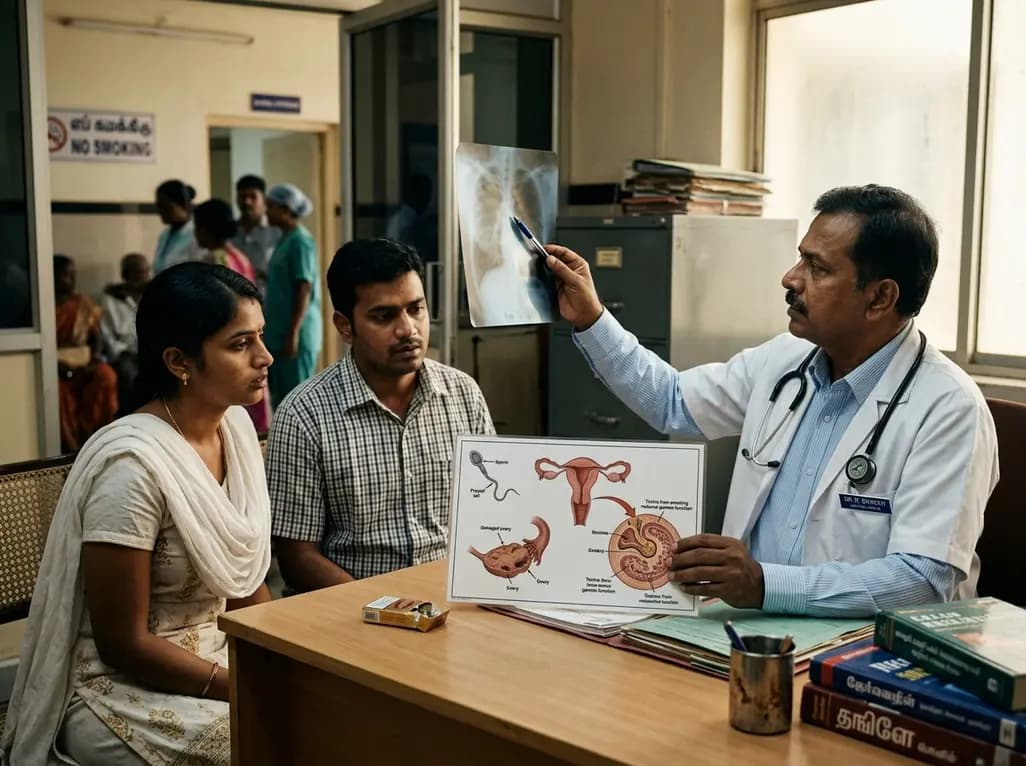
A global knowledge summary from the World Health Organization warns that tobacco smoking significantly increases infertility risks in women and causes substantial sperm and erectile dysfunction in men. Fortunately, quitting smoking substantially lowers these risks, providing clear reproductive benefits.
2 weeks back

To curb crushing healthcare expenses, Karnataka's Food Safety and Drugs Administration has formally petitioned central authorities to institute a dedicated National List of Essential Medical Devices under the DPCO framework, establishing uniform price ceilings across twenty-four vital clinical categories.
Last week
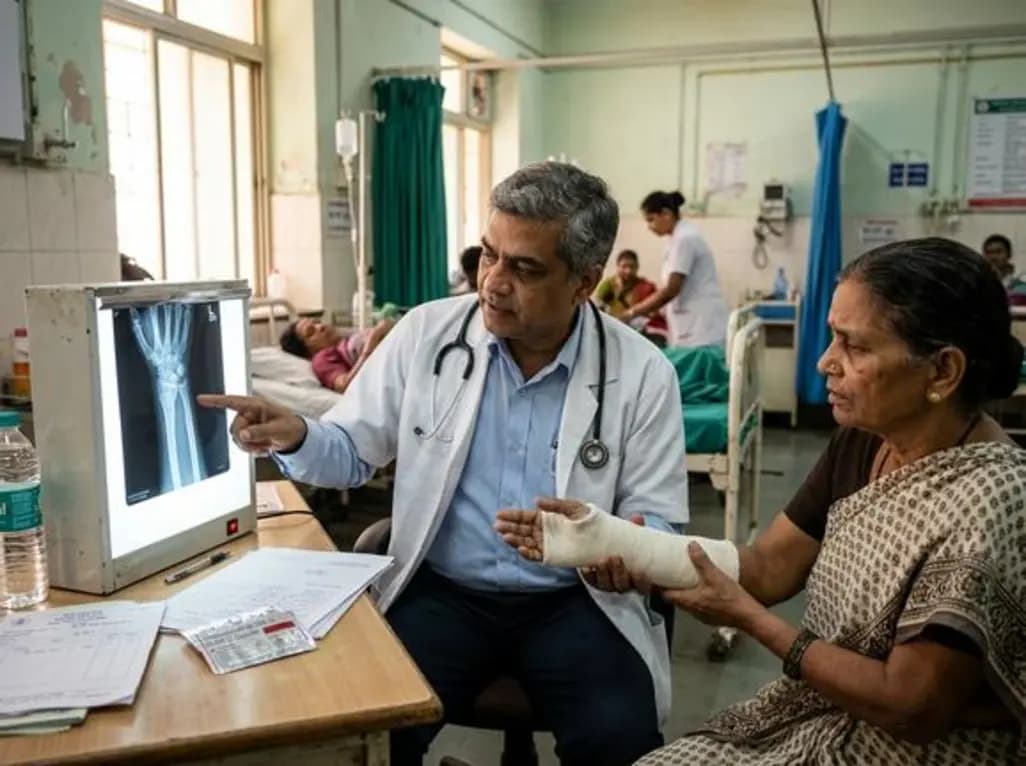
Nearly 80% of Indians suffer from inadequate Vitamin D, causing silent bone weakening and sudden fractures. This expert guide reviews why mega-dose therapy is critical for high-risk patients, the key factors driving widespread deficiency, and the mandatory medical evaluations needed to protect skeletal health.
3 months ago

A nationwide mixed-methods study evaluated hospital glycemic management systems across 265 hospitals. While real-time alerts and automatic data sync are highly valued, significant disparities in digital maturity and low satisfaction with decision support highlight the need for standardized implementation.
4 weeks back
