.webp&w=384&q=75)

Loading, please wait...
Loading, please wait...
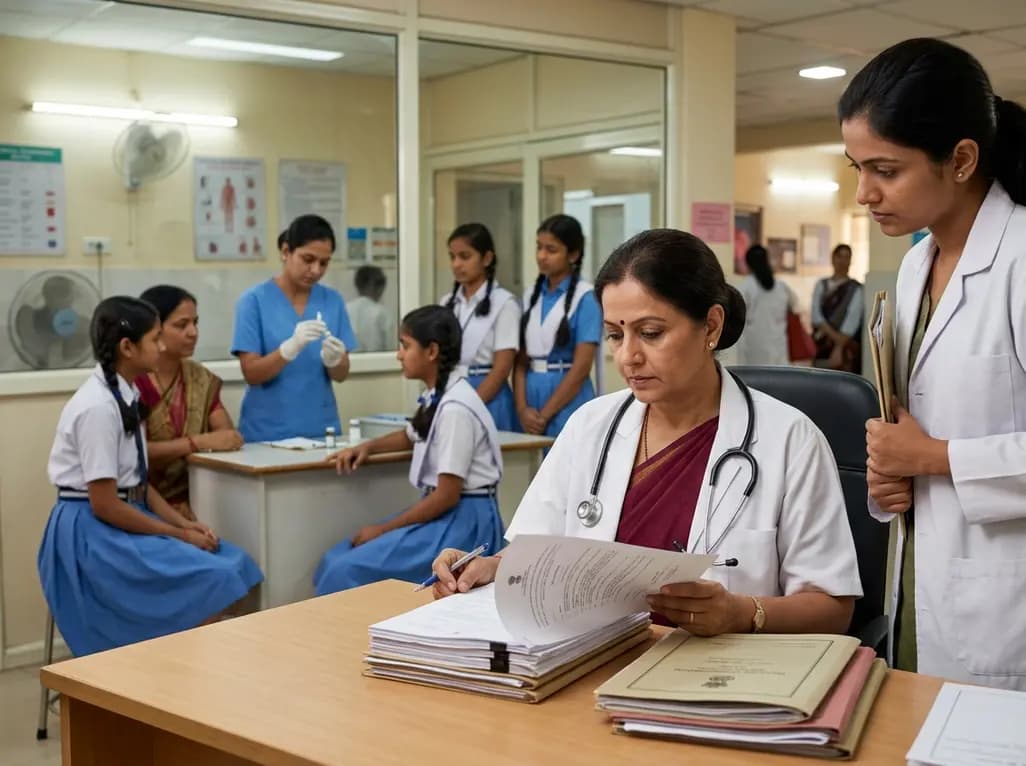
The Delhi High Court recently reviewed a public interest litigation regarding HPV vaccine safety India and the Centre's immunisation drive. Chief Justice D K Upadhyaya and Justice Tejas Karia presided over the bench. Consequently, the court refused to halt the nationwide administration of the HPV vaccine to 14-year-old girls. However, the judges issued a clear warning against deploying unverified products to the public. Additionally, the court highlighted that regulatory protocols must be strictly maintained across all medical interventions.
The judicial bench examined official figures submitted by the central government regarding the ongoing immunisation effort. Notably, the Centre reported that healthcare workers administered over 5.5 million vaccine doses across various states and union territories. Out of these, health authorities recorded 120 minor adverse events, with only 42 cases showing slightly aggravated symptoms. Furthermore, the submission confirmed zero mortality associated with the drive. Therefore, the court concluded that current data indicates no immediate harm to recipients. As a result, the bench found no legal justification for an instant stay on the public health campaign. However, the court emphasized that long-term efficacy and overall necessity require thorough examination. Furthermore, judges noted that every newly introduced biological agent carries intrinsic risks. Consequently, experts must evaluate whether the preventive benefits outweigh potential adverse reactions. Thus, the court directed the Central Drugs Standard Control Organisation and the Indian Council of Medical Research to submit detailed affidavits within four weeks. In addition, the bench reaffirmed that administrative convenience should never compromise regulatory scrutiny during large-scale public health programs.
During proceedings, the High Court articulated firm observations regarding pharmaceutical quality control and evaluation standards. Specifically, the bench asserted that half-baked vaccines must not reach the general population under any circumstances. Although the court refrained from stating whether violations occurred in this instance, it recognized historical protocol lapses in drug testing. Consequently, judges stressed that regulatory compliance demands continuous vigilance from state authorities. Furthermore, judicial oversight aims to ensure that manufacturers satisfy all clinical trial stages before widespread deployment. Indeed, skipped procedural steps jeopardize patient welfare and erode public confidence in national health drives. Therefore, rigorous quality checks, batch testing, and post-marketing monitoring remain indispensable components of immunisation governance. Meanwhile, legal representatives for the central government assured the court that authorities strictly followed all mandated protocols. However, the bench maintained that serious allegations require formal verification through written counter-affidavits. Consequently, the judiciary will analyze official responses before making final determinations regarding systemic safety mechanisms. Thus, public health authorities face heightened accountability regarding vaccine licensing and distribution protocols across all provinces.
A central argument in the petition concerned parental informed consent and the vaccine's administrative status. Petitioners alleged that health authorities integrated the HPV vaccine into the Universal Immunisation Programme without adequate parental permission. However, the Additional Solicitor General clarified that HPV immunisation currently remains outside the Universal Immunisation Programme framework. Furthermore, official submissions established that the vaccination drive operates on a purely voluntary basis for eligible adolescents. Consequently, health workers cannot administer doses without prior explicit parental approval. Importantly, clear communication regarding consent empowers families to make well-informed healthcare decisions for adolescent girls. In addition, transparent consent procedures mitigate anxiety and prevent coercive practices in institutional settings. Nevertheless, the petition highlighted reported adverse incidents in various districts, emphasizing the need for robust monitoring mechanisms. Consequently, the court acknowledged these concerns and agreed to review the administrative justification for the program. Therefore, subsequent hearings will scrutinize whether operational guidelines effectively enforce voluntary participation across all schools and community centers.
Medical professionals and public health advocates frequently debate the balance between cervical cancer prevention and clinical safety. HPV vaccination effectively targets specific oncogenic human papillomavirus strains responsible for malignant cervical lesions. However, petitioners raised questions regarding long-term duration of protection and potential delayed adverse effects. Specifically, the public interest litigation referenced specific clinical cases involving severe neurological and physical symptoms following vaccination. While government representatives framed these occurrences as isolated and self-limiting, legal counsel urged comprehensive epidemiological evaluation. Consequently, clinicians stress the critical importance of active post-immunisation surveillance across diverse pediatric populations. Furthermore, systematic reporting of adverse events allows medical authorities to identify rare safety signals promptly. Therefore, establishing transparent tracking systems reinforces overall patient safety during nationwide rollouts. Moreover, healthcare providers must receive proper training to recognize and manage post-vaccination complications effectively. Consequently, clear adverse event reporting protocols remain essential for sustaining clinical credibility and safeguarding adolescent health across the nation.
Healthcare practitioners play a pivotal role in delivering immunisations while upholding ethical and regulatory standards. First, clinicians must ensure that parents receive comprehensive, accessible information regarding vaccine benefits and potential side effects. Furthermore, written or documented verbal consent must precede every administration step without exception. Second, practitioners must maintain strict adherence to cold chain maintenance and proper administration techniques. Consequently, improper handling or storage can compromise vaccine potency and trigger adverse local reactions. Third, medical centers must establish functional Adverse Events Following Immunisation reporting mechanisms connected to regional authorities. Furthermore, staff should immediately log any unusual symptoms following dose administration into standardized public databases. In addition, practitioners should educate patients about common mild reactions, such as low-grade fever or localized soreness. Consequently, proactive patient counseling reduces unnecessary emergency room visits and fosters trust between communities and healthcare providers. Overall, adhering to these clinical directives safeguards public health while supporting evidence-based cervical cancer prevention strategies nationwide.
Looking ahead, the Delhi High Court scheduled the next detailed hearing for October 29. Meanwhile, key regulatory agencies including the Indian Council of Medical Research and CDSCO must formulate comprehensive responses. Consequently, these filings will outline historical safety data, protocol adherence, and ongoing surveillance strategies. Furthermore, public health experts anticipate that judicial scrutiny will strengthen existing Adverse Events Following Immunisation tracking infrastructure across all states. In addition, enhanced regulatory transparency reassures clinicians and families regarding the integrity of national health drives. Ultimately, balancing rapid preventive healthcare delivery with strict protocol compliance remains vital for effective disease eradication efforts.
Q1: What did the Delhi High Court rule regarding the HPV immunisation campaign?
The Delhi High Court refused to stay the Centre's HPV immunisation campaign, citing data that indicates no immediate harm to recipients. However, the court cautioned against administering unverified or half-baked vaccines without strict protocol adherence. Consequently, the bench directed the Centre, ICMR, and CDSCO to file detailed replies within four weeks regarding safety protocols, informed consent procedures, and overall administrative justification for the immunisation program.
Q2: Is the HPV vaccine currently included in India's Universal Immunisation Programme?
According to government submissions in court, the HPV vaccination drive is currently not part of the Universal Immunisation Programme. The campaign operates on a voluntary basis for 14-year-old girls across states and union territories. Furthermore, health authorities emphasized that no vaccine can be administered without prior informed parental consent, ensuring that families retain full autonomy regarding participation in the immunisation program.
Q3: How many adverse events were reported during the Centre's HPV vaccination drive?
Government representatives informed the High Court that out of approximately 5.5 million HPV vaccines administered to adolescent girls, 120 cases reported adverse events. Among these, only 42 cases showed slightly aggravated symptoms, and zero deaths occurred. Consequently, authorities argued that the reported incidence rate remains low, supporting the court's observation that the current data shows no evidence of acute, widespread harm.
Disclaimer: This content is for informational and educational purposes only. It does not constitute medical advice or replace professional judgment. Refer to the latest local and national guidelines for clinical practice.
References

Read summarized clinical updates, watch expert medical content, and earn CME certifications right from your smartphone.
Open your smartphone camera to scan and install.





The Delhi High Court declined to halt the central government's nationwide HPV immunisation drive for 14-year-old girls, citing data showing no immediate harm. However, the bench cautioned against administering untested vaccines and directed health bodies to address safety protocols and consent concerns within four weeks.
last month
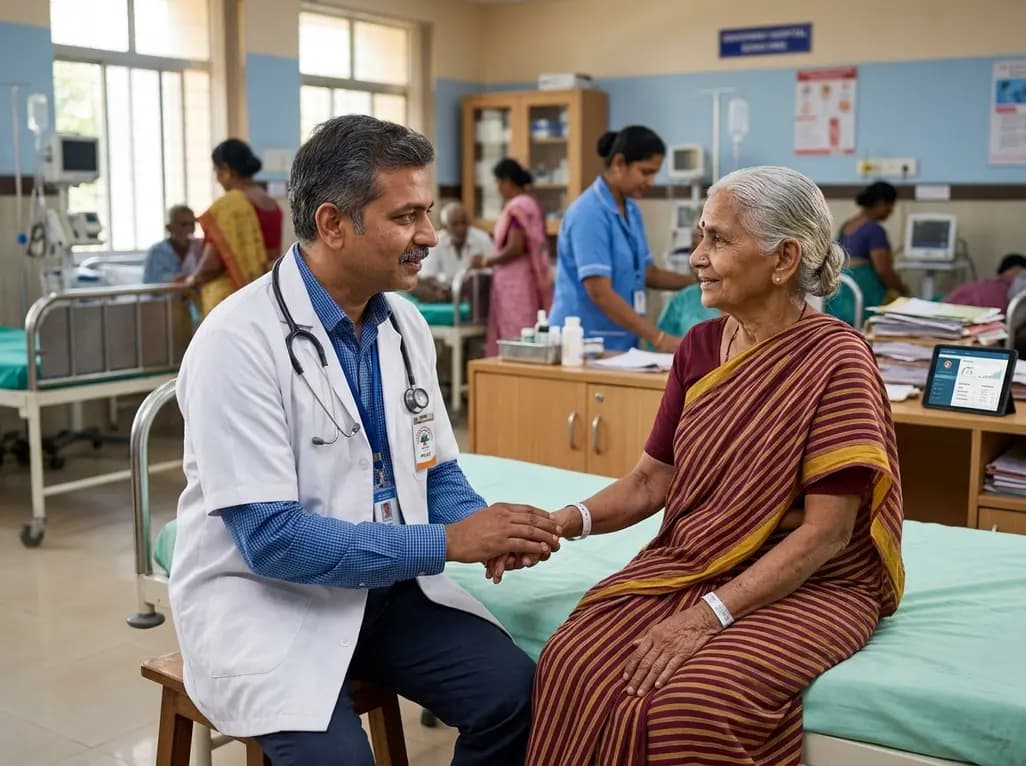
As India's geriatric demographic prepares to double to 346 million by 2050, national health initiatives are expanding. From universal PM-JAY insurance for individuals aged 70 and above to institutional care homes and dedicated digital caregiver dashboards, proactive public healthcare models are reshaping eldercare.
2 days back
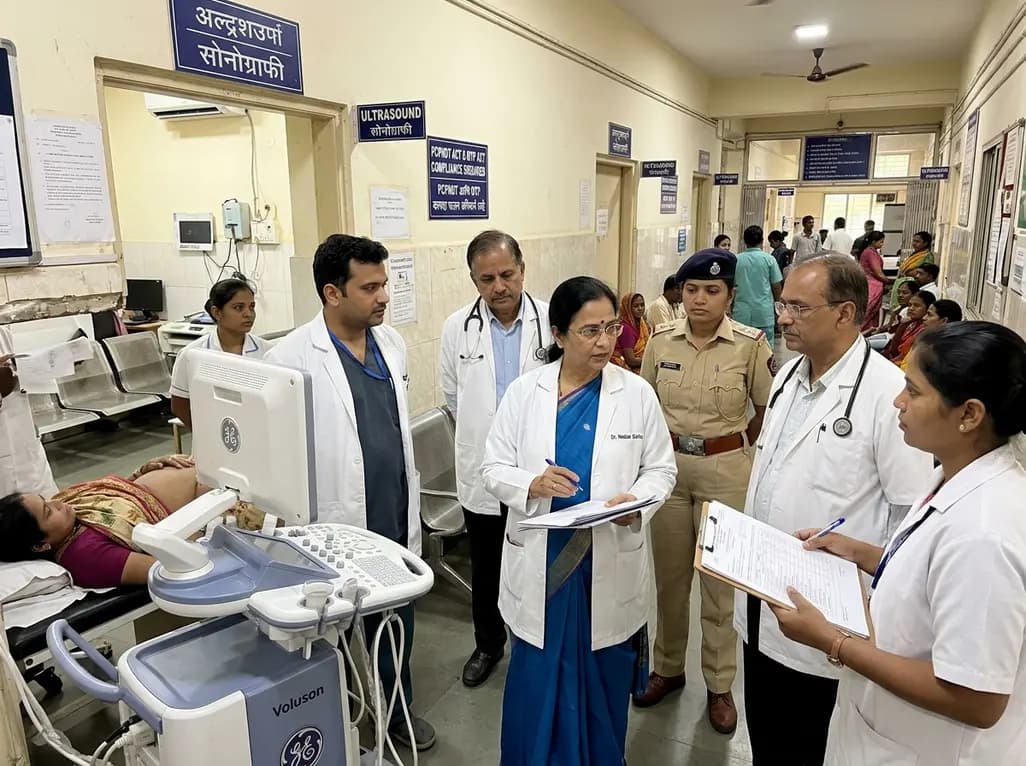
The Maharashtra public health department has established a specialized task force headed by Dr. Neelam Gorhe to eliminate illegal sex determination and unauthorized abortions. The team will execute surprise inspections of ultrasound facilities, audit medical documentation, and enforce strict statutory standards.
2 days back
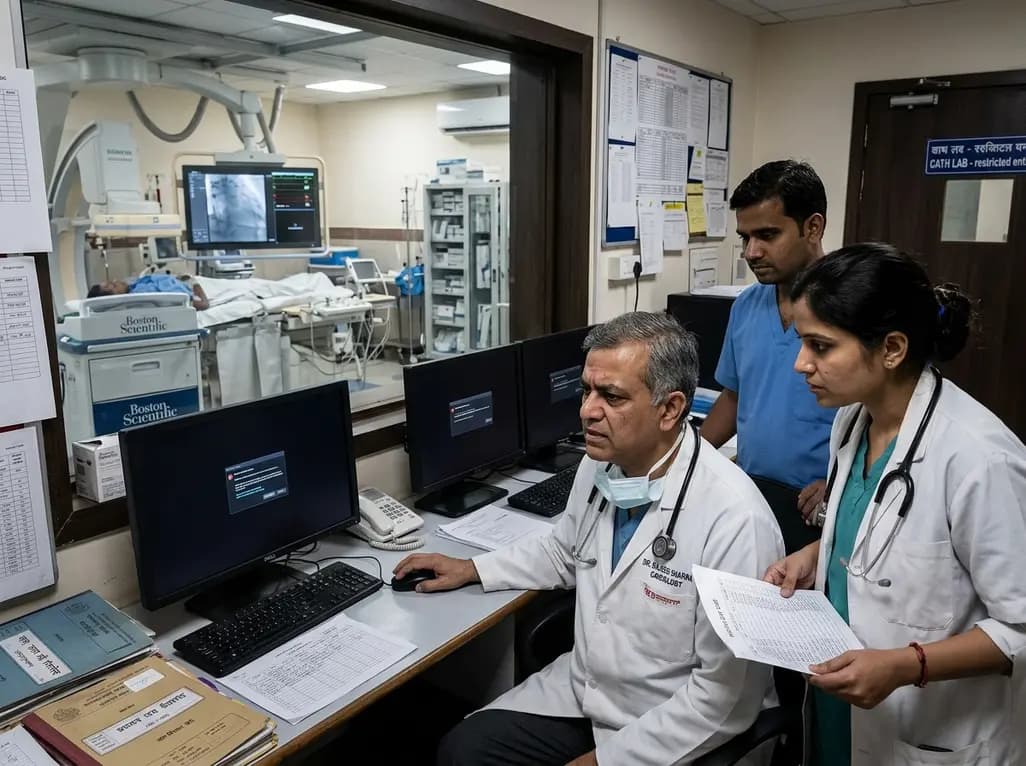
A major cybersecurity breach disrupted global operations at Boston Scientific, delaying device distribution and remote cardiac monitoring activations. This analysis examines the immediate consequences for clinical catheterization suites, electrophysiology teams, hospital inventory systems, and patient care safety.
2 days back
Nearly 80% of Indians suffer from inadequate Vitamin D, causing silent bone weakening and sudden fractures. This expert guide reviews why mega-dose therapy is critical for high-risk patients, the key factors driving widespread deficiency, and the mandatory medical evaluations needed to protect skeletal health.
2 months ago

A nationwide mixed-methods study evaluated hospital glycemic management systems across 265 hospitals. While real-time alerts and automatic data sync are highly valued, significant disparities in digital maturity and low satisfaction with decision support highlight the need for standardized implementation.
2 weeks back
