.webp&w=384&q=75)

Loading, please wait...
Loading, please wait...
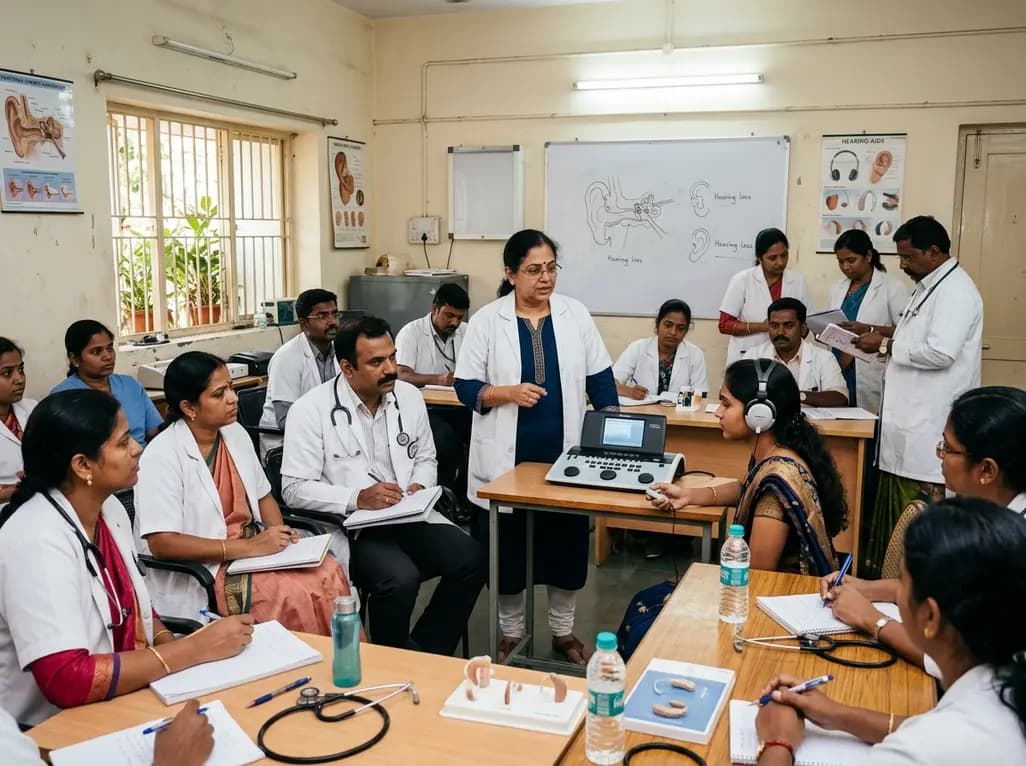
The global burden of disabling hearing impairment continues to surge at alarming rates across diverse populations. Consequently, evaluating the global capacity of the hearing healthcare workforce represents an urgent clinical and health systems priority. A landmark multi-country investigation conducted by the Global Otolaryngology-Head and Neck Surgery Initiative gathered comprehensive data across 93 nations. These participating countries collectively account for over 77 percent of the entire global population. The primary findings uncover profound structural deficits in worldwide ear and hearing care delivery. Specifically, the global density of audiologists stands at merely 1.48 professionals per 100,000 individuals. Furthermore, the overall hearing healthcare workforce density reaches only 4.1 per 100,000 individuals. Alarmingly, over 70 percent of participating nations report fewer than one audiologist per 100,000 citizens. Therefore, millions of vulnerable individuals suffering from hearing loss cannot obtain timely diagnostic assessments. Communication barriers, educational setbacks, and social isolation frequently compound this massive provider shortage. Otolaryngologists and general practitioners encounter these diagnostic bottlenecks during routine clinical screenings. In addition, rural communities experience the most severe specialist deficits. Clinicians must recognize these system limitations to establish proactive screening protocols.
Pronounced socioeconomic and geographic gradients dictate the international distribution of hearing specialists. Low-income and middle-income territories face the most acute provider shortages under standardized World Bank classifications. In particular, the African, Eastern Mediterranean, and South-East Asian regions display critically low provider numbers. Many low-income nations document fewer than one audiologist for every million residents. In stark contrast, high-income nations maintain provider densities up to fifty times greater. Consequently, health systems in developing nations cannot address preventable causes of hearing impairment. Common conditions like recurrent otitis media and neonatal deafness remain severely underdiagnosed. Similarly, adult presbycusis progresses without proper diagnostic audiometry or hearing aid intervention. Regional clinicians frequently manage overwhelming caseloads as tertiary hospitals absorb massive patient volumes. Meanwhile, primary health centers lack basic otoscopic equipment and trained allied personnel. Thus, routine ear cleaning and early screening experience chronic delays. Additionally, financial barriers prevent impoverished families from traveling to distant urban medical centers. These persistent geographic inequities accelerate disease progression and worsen patient disability. Healthcare authorities must counter these regional disparities with targeted infrastructure funding.
A primary driver of this global shortfall involves the scarcity of local educational programs. In low-income economies, an astonishing 83 percent of audiologists receive training outside their native country. Consequently, reliance on overseas institutions creates fragile health systems vulnerable to medical brain drain. Developing countries commit substantial financial resources to foreign training, yet many graduates never return. Furthermore, returning specialists encounter poorly equipped diagnostic facilities lacking necessary maintenance support. Professional licensing standards and clinical scopes of practice also vary drastically across global borders. In several high-income nations, audiologists manage comprehensive rehabilitative care, including cochlear implant programming. Conversely, other countries restrict audiologists solely to diagnostic pure-tone testing without prescribing authority. This regulatory inconsistency limits international clinical cooperation and stalls continuing medical education. Therefore, academic medical institutions must establish domestic audiology and speech training programs. In addition, local training hubs allow students to practice within their community cultural environments. Such localized exposure prepares future clinicians to resolve regional communication disorders effectively. Universities must design accredited undergraduate curricula supported by dedicated otolaryngology mentors. Ultimately, building domestic training capacity secures provider retention and sustains institutional growth.
India bears a massive burden of hearing loss, affecting millions of individuals across all demographics. Furthermore, over 27,000 infants are born deaf each year throughout the country. The National Programme for Prevention and Control of Deafness actively promotes early screening and rehabilitation. However, acute shortages of audiologists and otolaryngologists in district hospitals hinder widespread implementation. Most rural primary healthcare centers function without trained hearing care officers or diagnostic screening devices. Consequently, infants often miss the critical early developmental window for neurodevelopmental auditory screening. Delayed diagnosis severely hinders speech acquisition, educational attainment, and long-term psychosocial integration. In addition, elderly patients with age-related presbycusis encounter minimal access to affordable hearing aid dispensing. General practitioners and district medical officers must therefore bridge these vital primary diagnostic gaps. Clinicians should incorporate pneumatic otoscopy to identify chronic suppurative otitis media and tympanic perforations. Similarly, primary teams can deploy calibrated smartphone applications for initial community hearing assessments. Establishing clear referral links between primary clinics and tertiary otolaryngology departments remains paramount. Such coordinated workflows ensure timely surgical or audiologic interventions for vulnerable rural populations. Ultimately, active primary care participation protects pediatric cognitive development and enhances geriatric quality of life.
Resolving global hearing workforce deficits requires innovative public health models alongside traditional hospital training. The World Health Organization strongly promotes integrated people-centered ear and hearing care frameworks. Task-sharing provides a highly effective solution for resource-constrained healthcare environments. Under this strategy, certified audiologists train primary care physicians, nurses, and community health workers in basic protocols. Frontline workers can easily perform basic otoscopy, cerumen management, and automated hearing screening. As a direct result, specialized audiologists can focus on complex diagnostic evaluations and pediatric rehabilitation. Moreover, digital health tools and tele-audiology systems expand specialized services into remote regions. Cloud-based audiometry allows remote specialists to interpret clinical tests performed by community health workers. In addition, national health authorities must establish clear regulatory scopes for allied ear care cadres. Public health programs should mandate universal newborn hearing screening within institutional delivery centers. Concurrently, governments must reduce import tariffs on essential hearing technology to improve patient access. Through synchronized education policies, digital innovation, and task-sharing models, health systems can overcome critical workforce shortages. Furthermore, sustained public awareness campaigns will reduce social stigma surrounding rehabilitative hearing device adoption. Ultimately, comprehensive ear care integration ensures equitable treatment access for every vulnerable citizen.
While international guidelines do not enforce one absolute threshold, experts recommend at least one to two audiologists per 50,000 to 100,000 people to provide adequate diagnostic and rehabilitative services. Currently, low-income nations average fewer than one specialist per million people, representing an acute public health shortfall. In contrast, high-income nations maintain provider densities up to twenty times higher. Bridging this substantial gap requires urgent institutional investments in domestic training programs and primary task-sharing models.
Low-income economies lack domestic audiology training programs, forcing over eighty percent of their providers to pursue degrees abroad. Consequently, many trainees choose not to return due to superior overseas employment opportunities, causing persistent brain drain. Furthermore, returning professionals frequently face under-resourced medical facilities without adequate diagnostic equipment or fair public compensation. Without dedicated local academic infrastructure offering affordable degree pathways, developing countries struggle to establish stable hearing care workforces to treat their growing patient populations.
General practitioners in India act as vital frontline defenders who can alleviate severe specialist shortages across rural and urban communities. By performing regular otoscopic examinations, primary doctors identify treatable conditions such as cerumen impactions, otitis media, and tympanic perforations. Additionally, physicians can utilize calibrated digital screening tools to evaluate baseline hearing acuity during routine clinic visits. Referring complex or pediatric cases promptly to district otolaryngologists ensures patients receive vital rehabilitative support without developmental delays.
Disclaimer: This content is for informational and educational purposes only... Refer to the latest local and national guidelines for clinical practice.
References

Read summarized clinical updates, watch expert medical content, and earn CME certifications right from your smartphone.
Open your smartphone camera to scan and install.





A global survey across 93 countries reveals severe shortages in the hearing healthcare workforce, with 70% of nations having fewer than one audiologist per 100,000 people. Addressing regional disparities and building domestic clinical training are essential to meet expanding ear and hearing care needs.
Yesterday
A fatal case involving a research technician at a Siberian anti-plague facility has triggered global surveillance inquiries. While tests rule out high-threat pathogens like plague and show no onward spread, the missing definitive diagnosis highlights crucial challenges in laboratory biosafety and clinical workups.
Yesterday
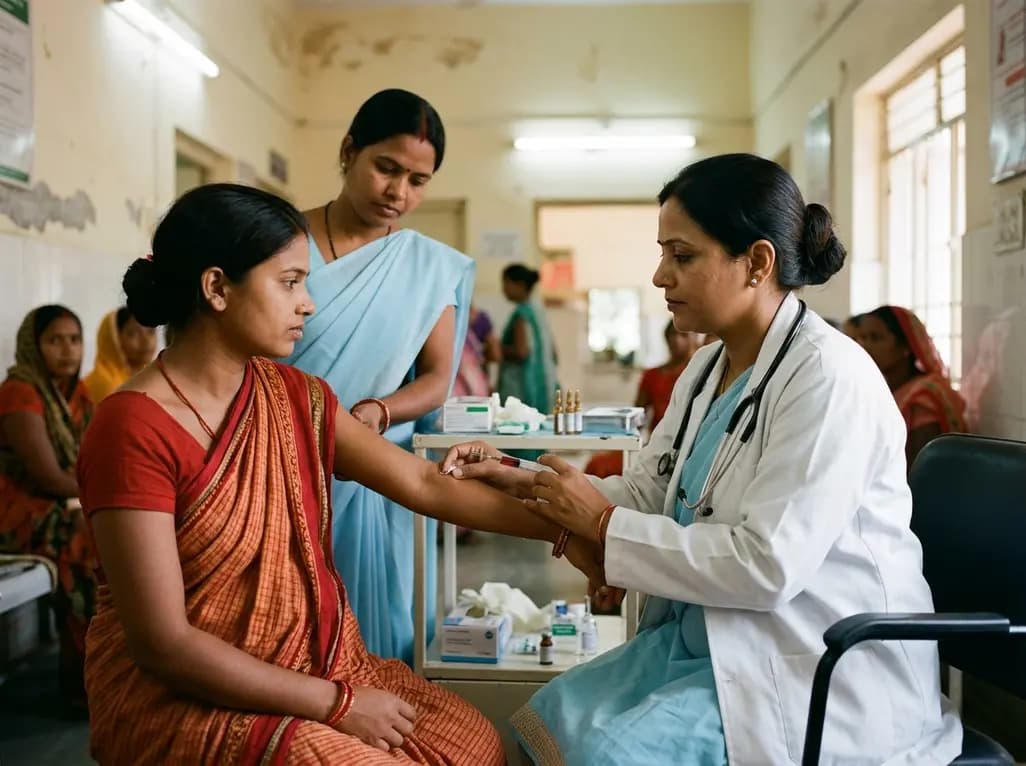
Maternal anaemia contributes to nearly half of pregnancy-related fatalities across India. To prevent complications, Uttar Pradesh has added single-dose parenteral iron to its essential medicines list. This clinical transition aims to restore haemoglobin rapidly and protect high-risk mothers across rural facilities.
2 days back
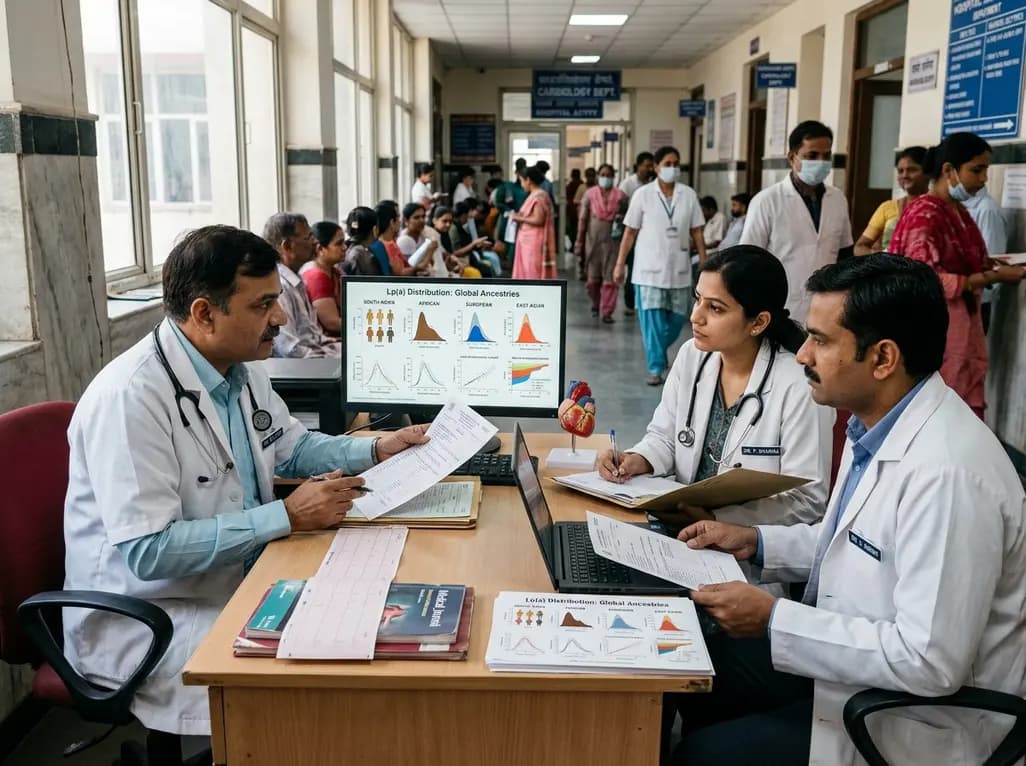
Atherosclerotic cardiovascular disease guidelines often rely on European-derived lipoprotein(a) cutoffs. However, baseline Lp(a) levels vary widely across ancestries, including South Asians and Africans. Clinicians must interpret Lp(a) values within overall absolute cardiovascular risk.
2 days back
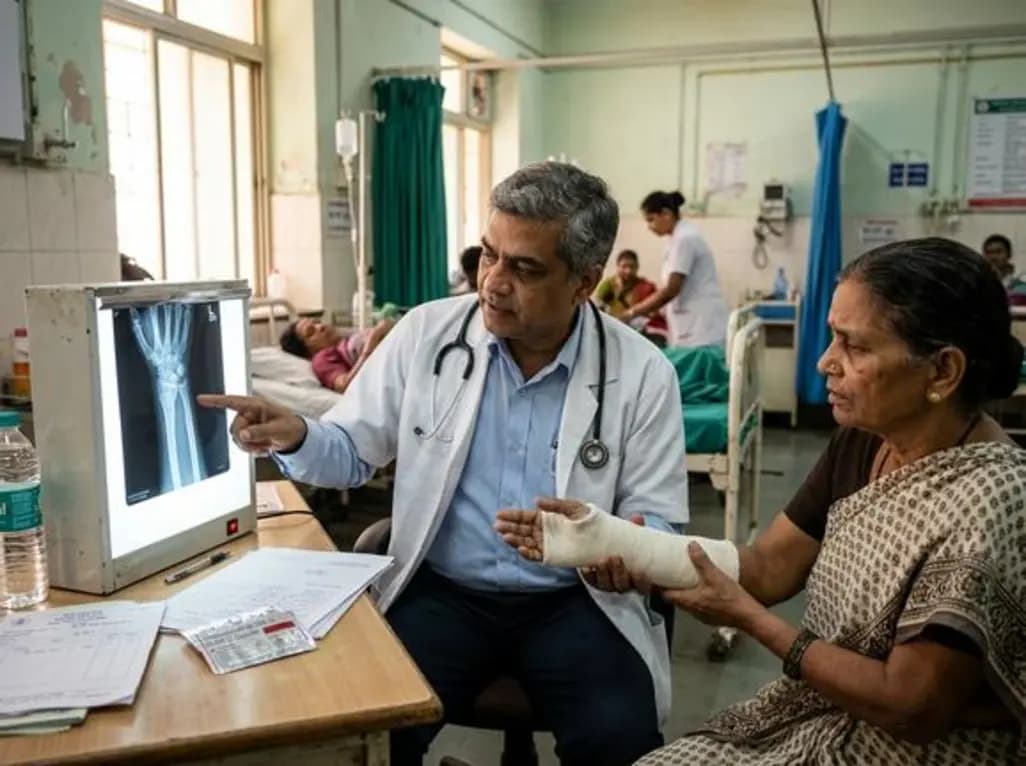
Nearly 80% of Indians suffer from inadequate Vitamin D, causing silent bone weakening and sudden fractures. This expert guide reviews why mega-dose therapy is critical for high-risk patients, the key factors driving widespread deficiency, and the mandatory medical evaluations needed to protect skeletal health.
3 months ago
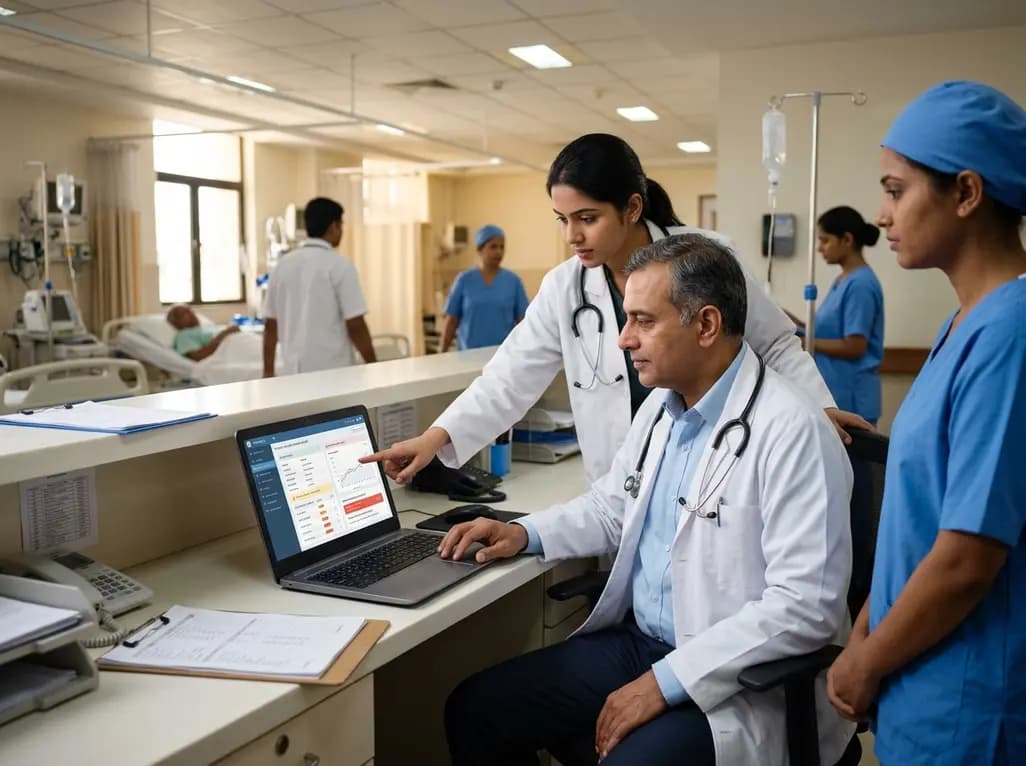
A nationwide mixed-methods study evaluated hospital glycemic management systems across 265 hospitals. While real-time alerts and automatic data sync are highly valued, significant disparities in digital maturity and low satisfaction with decision support highlight the need for standardized implementation.
last month
