.webp&w=384&q=75)

Loading, please wait...
Loading, please wait...
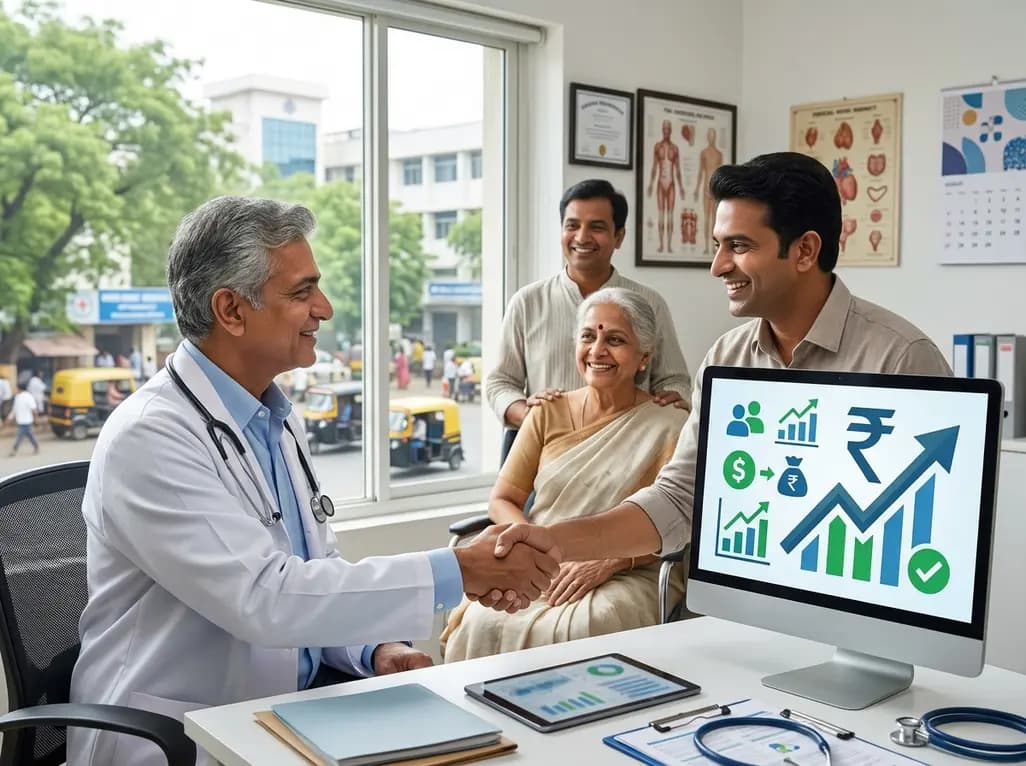
In India, high out-of-pocket medical expenditure remains a persistent challenge for millions of families. Consequently, structured healthcare financing has emerged as an essential lifeline to bridge the accessibility gap. CarePal Money, an integrated lending marketplace, recently crossed a major milestone by exceeding an annualized disbursement run rate of ₹150 crore. This achievement represents a significant 50% increase from its ₹100 crore milestone reached just a few months prior. Ultimately, as healthcare costs continue to climb, such financial models are transforming patient care delivery across the country.
Presently, Indian households bear a disproportionate share of medical costs because health insurance coverage remains low. Indeed, recent data indicates that Indian patients pay over 40% of healthcare expenses directly out of pocket. Accordingly, platforms like CarePal Money provide flexible, zero-percent interest lending options. Therefore, patients can receive timely clinical interventions without delayed decisions. Additionally, hospitals can minimize revenue leakage and improve patient retention rates.
Traditional non-banking financial companies (NBFCs) often overlook complex, high-cost therapies. However, specialized fintech platforms are filling this gap by financing expensive procedures, such as oncology care and advanced surgeries. For instance, partnerships with pharmaceutical companies facilitate structured loans for cutting-edge treatments like CAR T-cell therapy. As a result, underserved patient segments gain immediate access to life-saving clinical solutions. Furthermore, larger average ticket sizes allow families to manage comprehensive medical emergencies comfortably.
Medical inflation in India is rising at an estimated rate of 14% annually, significantly outpacing general economic inflation. Consequently, even middle-class households struggle to afford critical and elective secondary or tertiary care. To illustrate this, many families still rely on distress financing, such as selling assets or taking high-interest personal loans. Platforms offering structured healthcare financing mitigate these severe financial risks. Thus, they protect vulnerable populations from falling into deep medical debt traps.
Q1: What is the main driver behind the growth of CarePal Money?
The primary growth drivers are rising demands for structured financing and an expanding footprint across various Indian hospitals.
Q2: Why is structured healthcare financing crucial in India?
Structured financing is essential because Indian families pay over 40% of healthcare costs out of pocket. Consequently, under rising medical inflation, these flexible lending options prevent patients from delaying essential treatments.
Q3: How do zero-percent interest EMI models benefit hospitals?
Ultimately, these models help hospitals improve patient retention, reduce the frequency of patients leaving mid-treatment, and minimize overall revenue leakage.
Disclaimer: This content is for informational and educational purposes only. It does not constitute medical advice or replace professional judgment. Refer to the latest local and national guidelines for clinical practice.
References

Read summarized clinical updates, watch expert medical content, and earn CME certifications right from your smartphone.
Open your smartphone camera to scan and install.





As out-of-pocket medical costs push millions of Indian families into financial distress, fintech players like CarePal Money are stepping in. By crossing an annualized disbursement run rate of ₹150 crore, the platform demonstrates a rising demand for zero-percent interest patient-focused lending solutions.
4 months ago
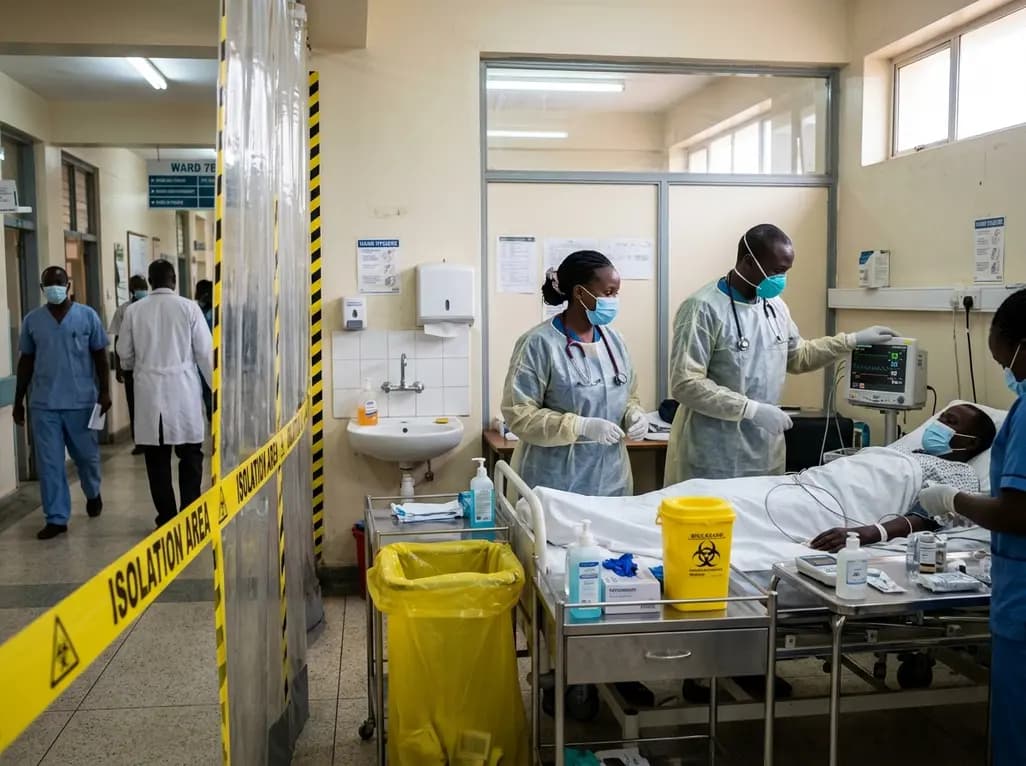
Kenya's confirmation of its eighth Ebola infection highlights the acute risk of secondary transmission in hospital environments. Clinicians must maintain high vigilance, enforce strict infection prevention protocols, and implement rapid triage mechanisms for viral hemorrhagic fevers across healthcare settings.
4 days back
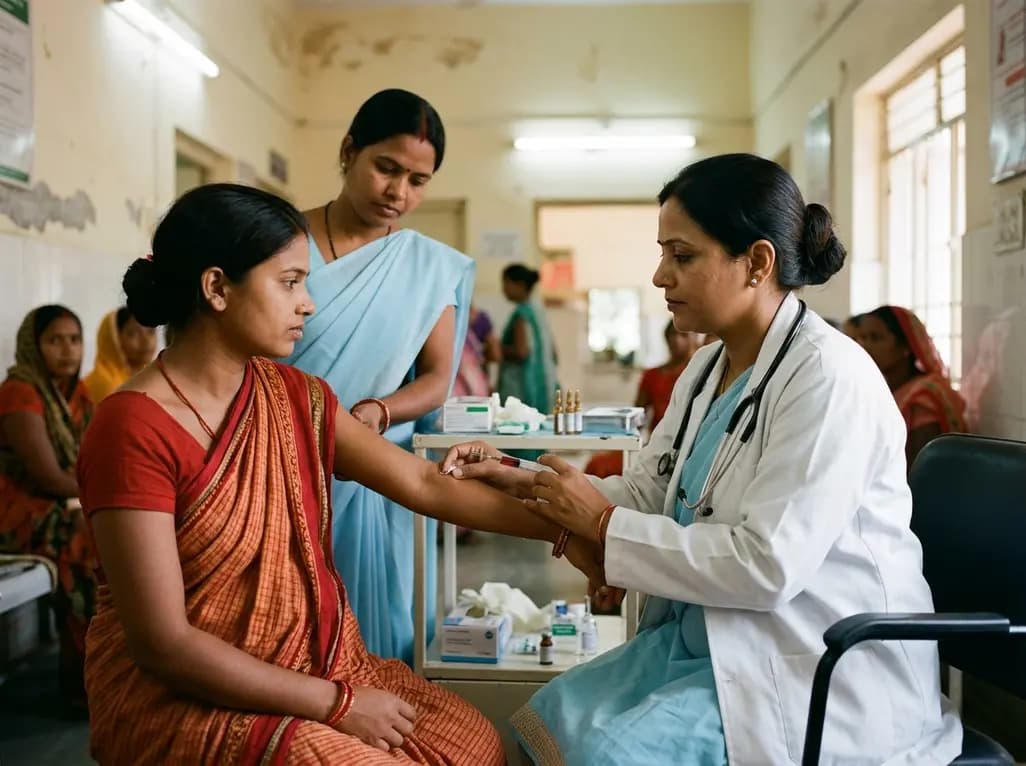
Maternal anaemia contributes to nearly half of pregnancy-related fatalities across India. To prevent complications, Uttar Pradesh has added single-dose parenteral iron to its essential medicines list. This clinical transition aims to restore haemoglobin rapidly and protect high-risk mothers across rural facilities.
Last week
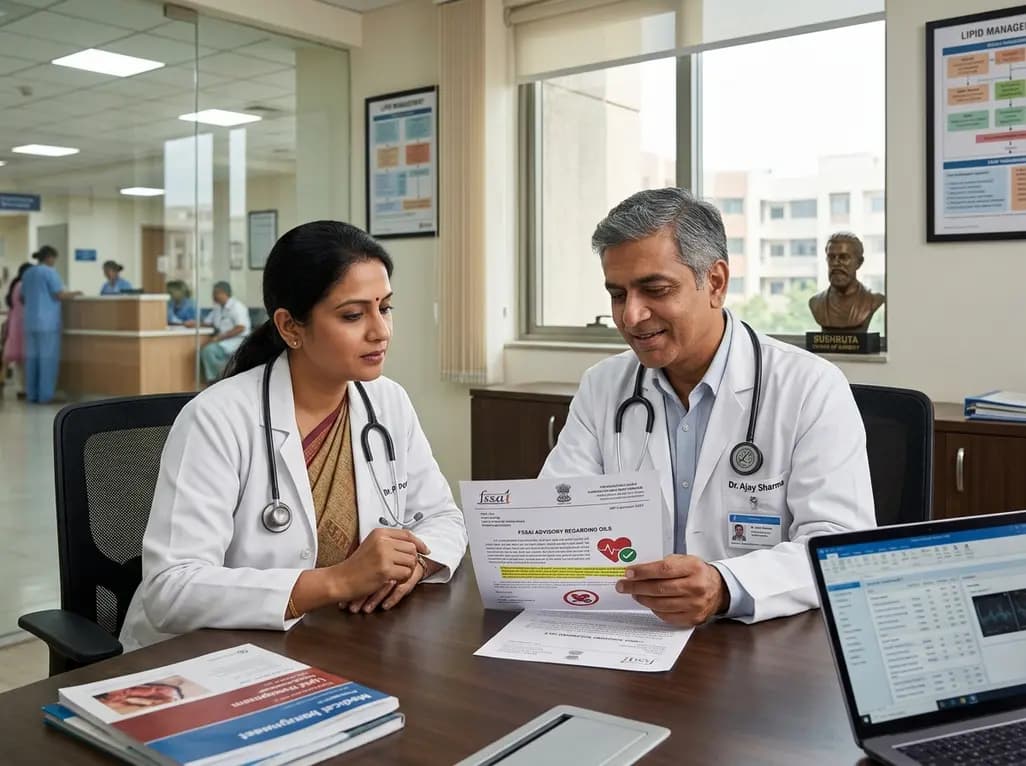
India's food safety authority FSSAI has issued show-cause notices to Gemini Edibles, BigBasket, and Flipkart for unpermitted cardiovascular claims regarding Freedom Rice Bran Oil. This regulatory move highlights the strict enforcement of advertising standards and the clinical necessity of evidence-based lipid care.
6 days back
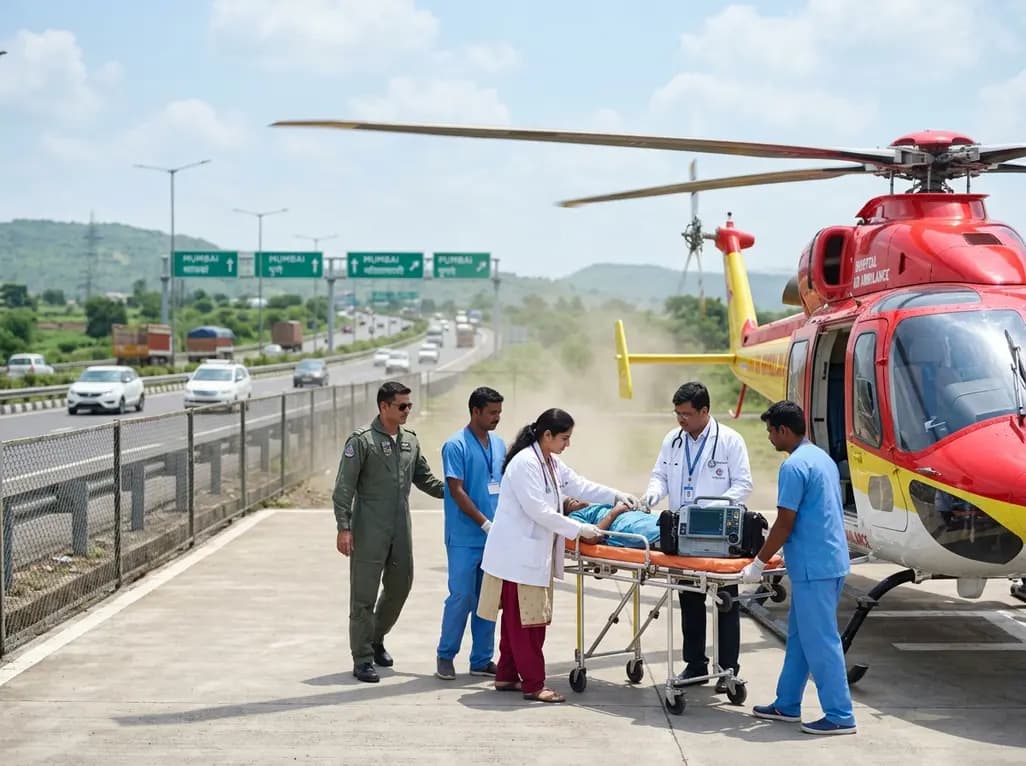
The state government is deploying helicopter emergency medical services across the Mumbai-Pune Expressway, Samruddhi Mahamarg, and Mumbai-Goa Highway. This initiative establishes unified standard operating procedures to enable rapid triage, advanced prehospital resuscitation, and seamless trauma care transfers.
Last week
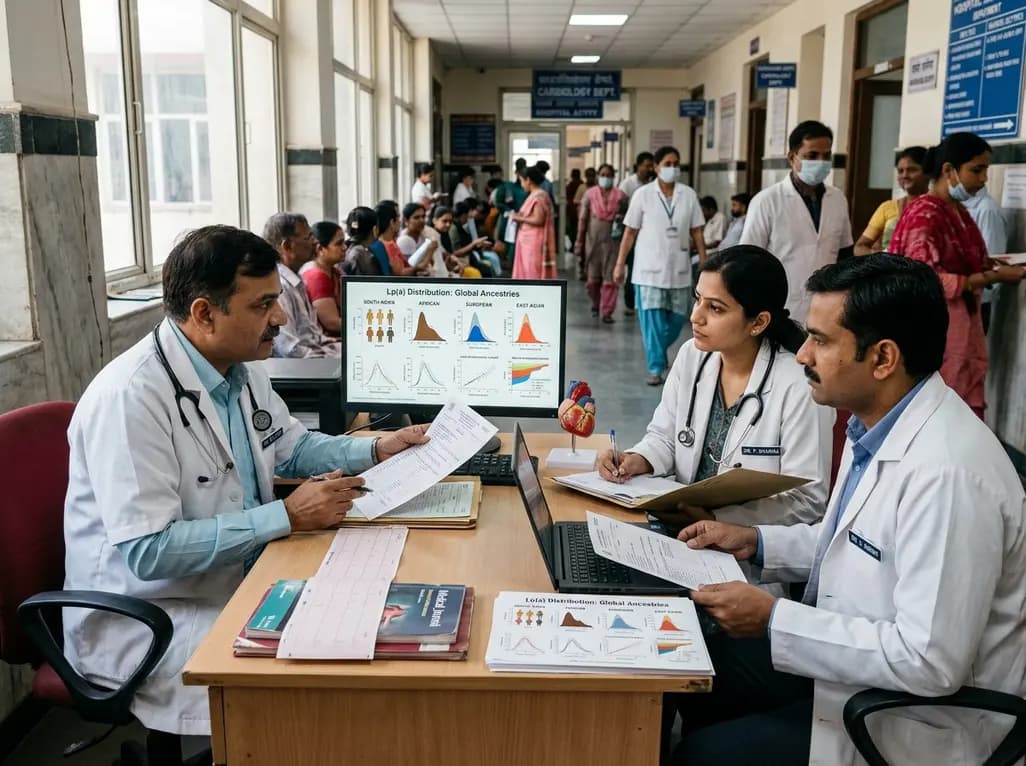
Atherosclerotic cardiovascular disease guidelines often rely on European-derived lipoprotein(a) cutoffs. However, baseline Lp(a) levels vary widely across ancestries, including South Asians and Africans. Clinicians must interpret Lp(a) values within overall absolute cardiovascular risk.
Last week
