.webp&w=384&q=75)

Loading, please wait...
Loading, please wait...

The recently unveiled Haryana pharma policy 2026 has received strong support from the Association of Indian Medical Device Industry (AiMeD). Consequently, stakeholders are calling it one of India's most progressive frameworks. This landmark policy aims to attract investments of over ₹10,000 crore. Furthermore, it expects to generate 20,000 jobs and foster rapid healthcare manufacturing innovation.
To accelerate growth, the state offers massive financial incentives to manufacturers. For instance, eligible units can receive a capital expenditure (CAPEX) subsidy of up to 30%, capped at ₹200 crore. Additionally, the policy provides operational expenditure (OPEX) support of up to 80%, capped at ₹20 crore annually. Therefore, these subsidies will significantly lower the initial entry barrier for domestic businesses.
Moreover, the framework addresses the critical gap in active pharmaceutical ingredients (APIs). However, India still imports many high-end medical devices despite supplying 20% of global generic medicines. Therefore, this policy directly aims to promote indigenous research and development (R&D).
In addition to financial backing, the state guarantees a transparent single-window system to ease business operations. Nevertheless, industry leaders emphasize that reducing the actual regulatory burden remains vital. Specifically, Rajiv Nath, Forum Coordinator of AiMeD, urged governments to provide a three-year compliance holiday for greenfield projects. Consequently, this grace period would let new manufacturing units align with standard safety laws smoothly.
Furthermore, the policy encourages eco-friendly practices by offering support for green manufacturing. Ultimately, these integrated efforts will establish Haryana as a preferred global destination for healthcare manufacturing.
Q1: What is the main objective of the Haryana pharma policy 2026?
The primary objective is to attract over ₹10,000 crore in investments, generate 20,000 jobs, and establish Haryana as a leading hub for indigenous pharmaceutical and medical device manufacturing.
Q2: What CAPEX and OPEX supports are offered under this policy?
The policy offers up to 30% CAPEX support (capped at ₹200 crore) and up to 80% OPEX support (capped at ₹20 crore per year for up to 10 years) to eligible manufacturing units.
Q3: Why is a compliance holiday being requested by industry bodies?
Industry leaders have requested a three-year compliance holiday for greenfield investments to eliminate arbitrary requirements, reduce the initial regulatory burden, and ensure rapid project execution.
Disclaimer: This content is for informational and educational purposes only. It does not constitute medical advice or replace professional judgment. Refer to the latest local and national guidelines for clinical practice.
References

Read summarized clinical updates, watch expert medical content, and earn CME certifications right from your smartphone.
Open your smartphone camera to scan and install.





The Association of Indian Medical Device Industry (AiMeD) has praised the Haryana Pharmaceutical and Medical Devices Manufacturing Policy 2026. The policy targets ₹10,000 crore in investments and 20,000 jobs. It offers substantial CAPEX and OPEX subsidies to boost indigenous manufacturing and reduce imports.
4 months ago
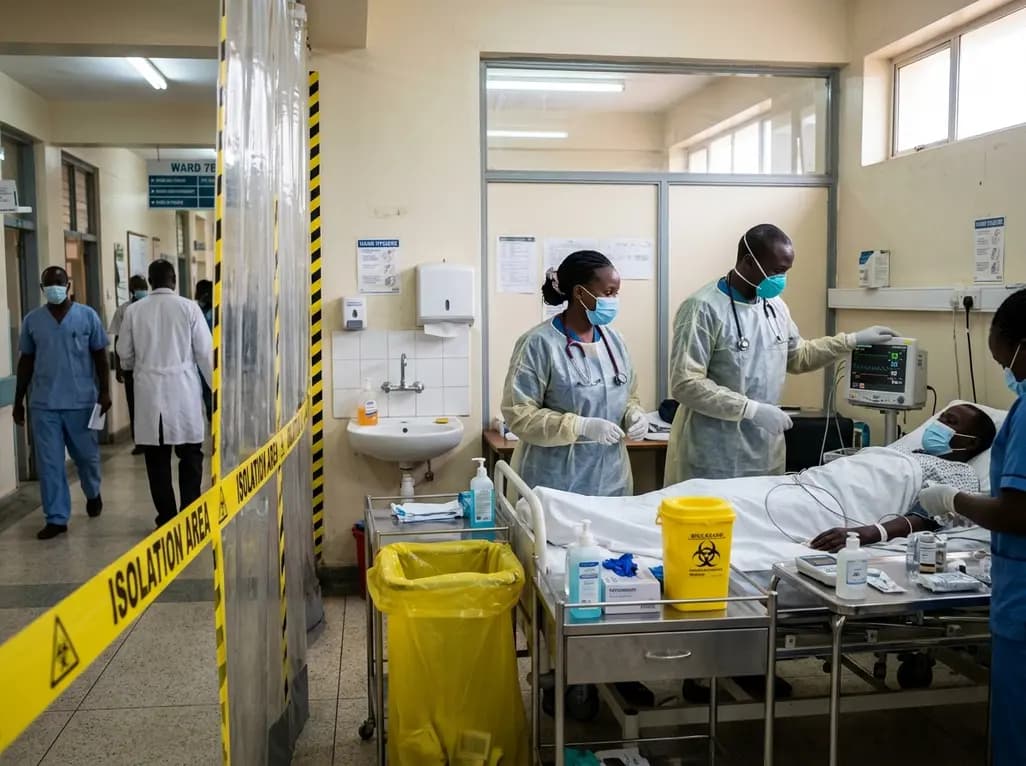
Kenya's confirmation of its eighth Ebola infection highlights the acute risk of secondary transmission in hospital environments. Clinicians must maintain high vigilance, enforce strict infection prevention protocols, and implement rapid triage mechanisms for viral hemorrhagic fevers across healthcare settings.
3 days back
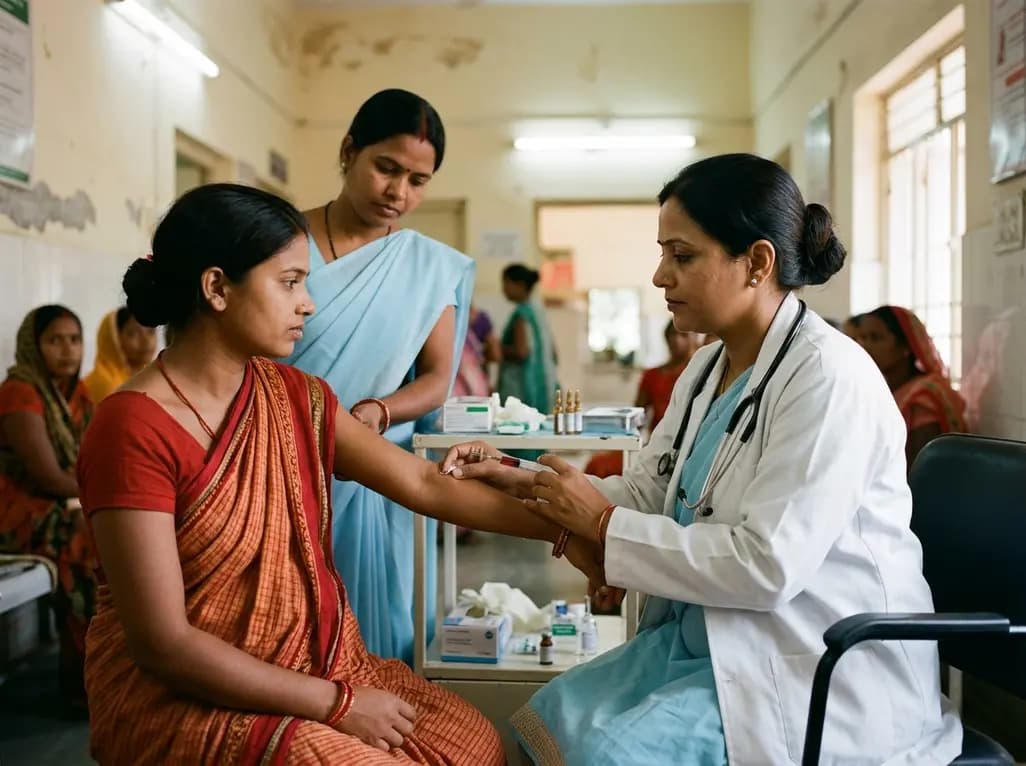
Maternal anaemia contributes to nearly half of pregnancy-related fatalities across India. To prevent complications, Uttar Pradesh has added single-dose parenteral iron to its essential medicines list. This clinical transition aims to restore haemoglobin rapidly and protect high-risk mothers across rural facilities.
Last week
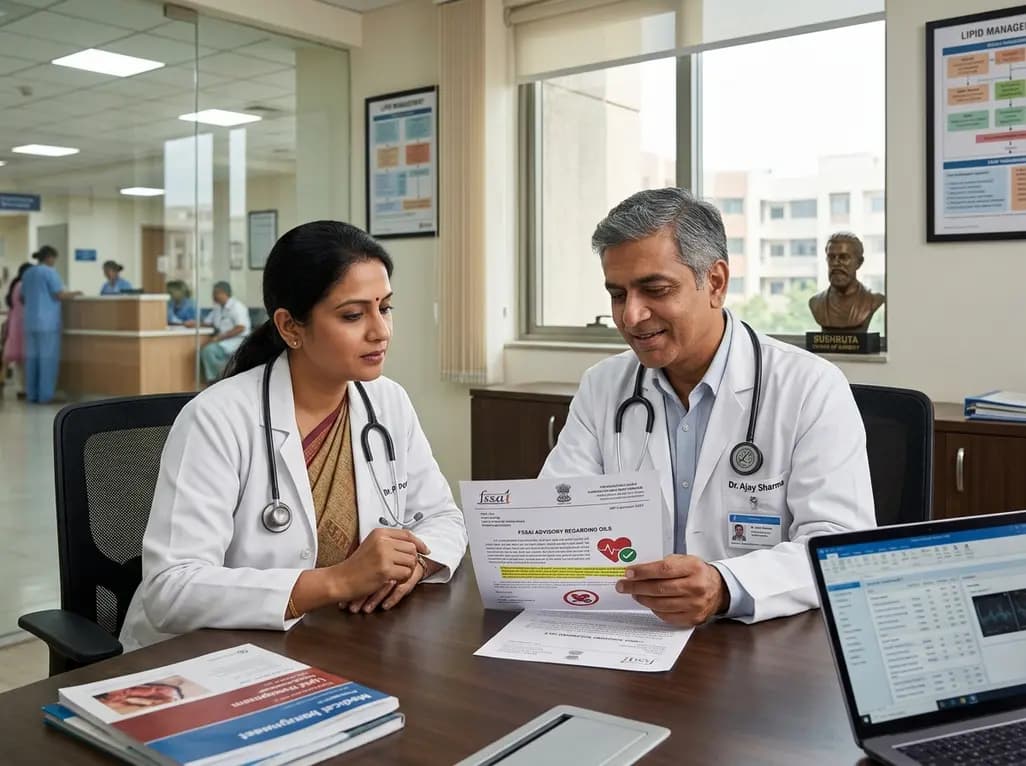
India's food safety authority FSSAI has issued show-cause notices to Gemini Edibles, BigBasket, and Flipkart for unpermitted cardiovascular claims regarding Freedom Rice Bran Oil. This regulatory move highlights the strict enforcement of advertising standards and the clinical necessity of evidence-based lipid care.
5 days back
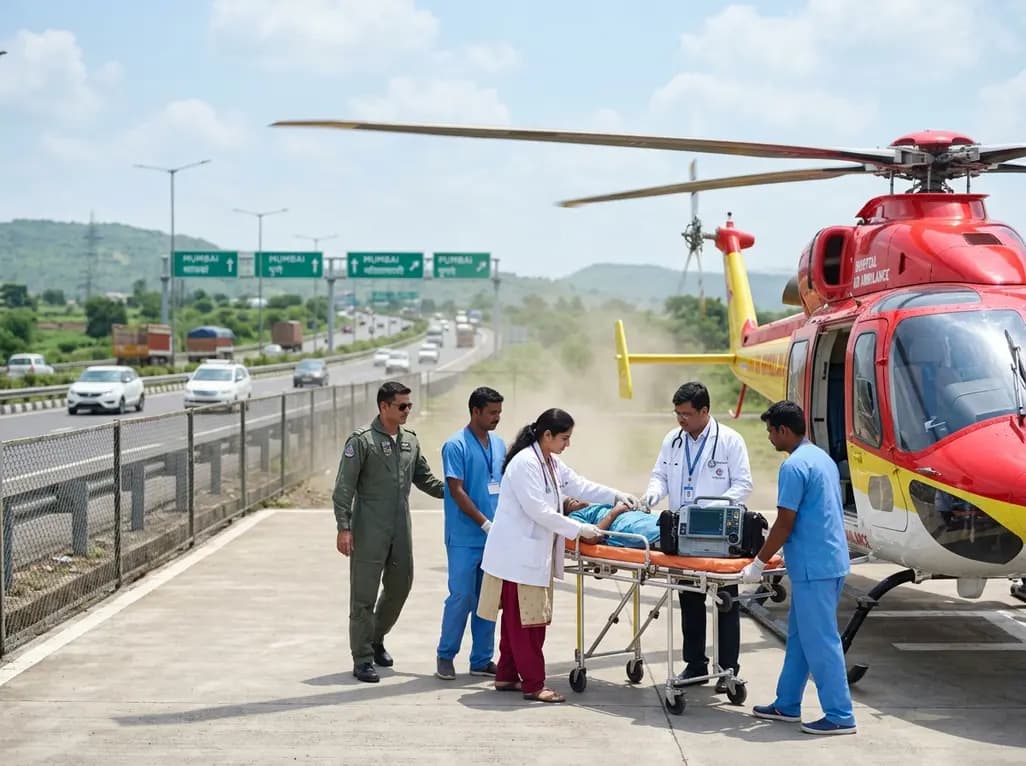
The state government is deploying helicopter emergency medical services across the Mumbai-Pune Expressway, Samruddhi Mahamarg, and Mumbai-Goa Highway. This initiative establishes unified standard operating procedures to enable rapid triage, advanced prehospital resuscitation, and seamless trauma care transfers.
Last week
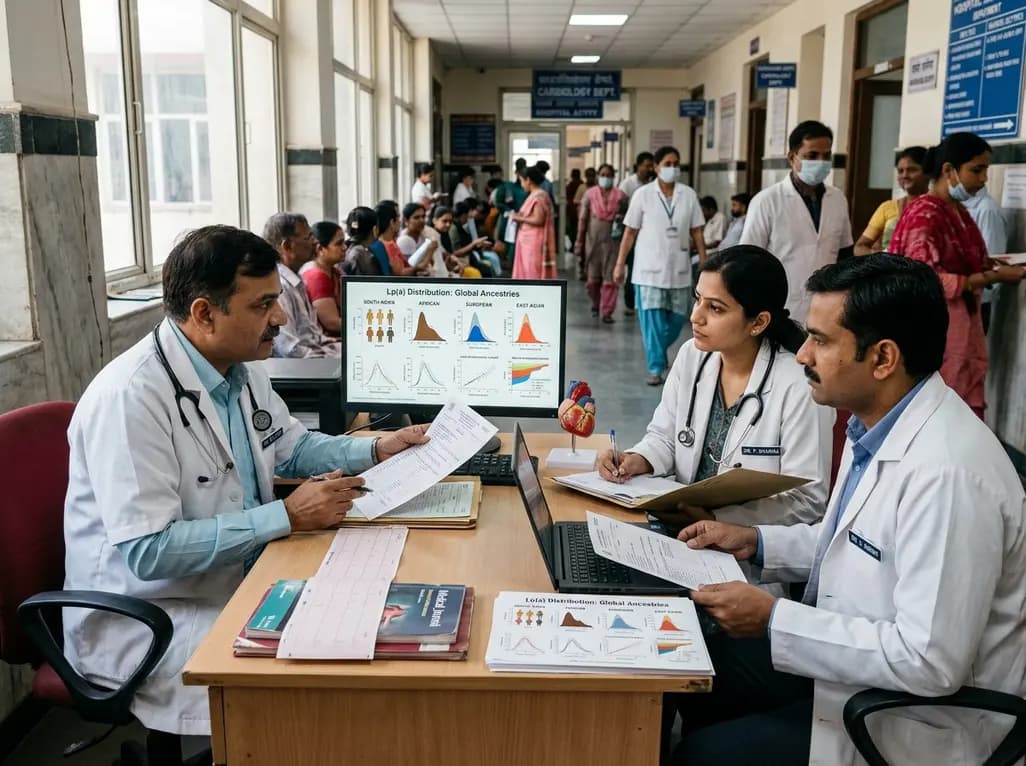
Atherosclerotic cardiovascular disease guidelines often rely on European-derived lipoprotein(a) cutoffs. However, baseline Lp(a) levels vary widely across ancestries, including South Asians and Africans. Clinicians must interpret Lp(a) values within overall absolute cardiovascular risk.
Last week
