.webp&w=384&q=75)

Loading, please wait...
Loading, please wait...
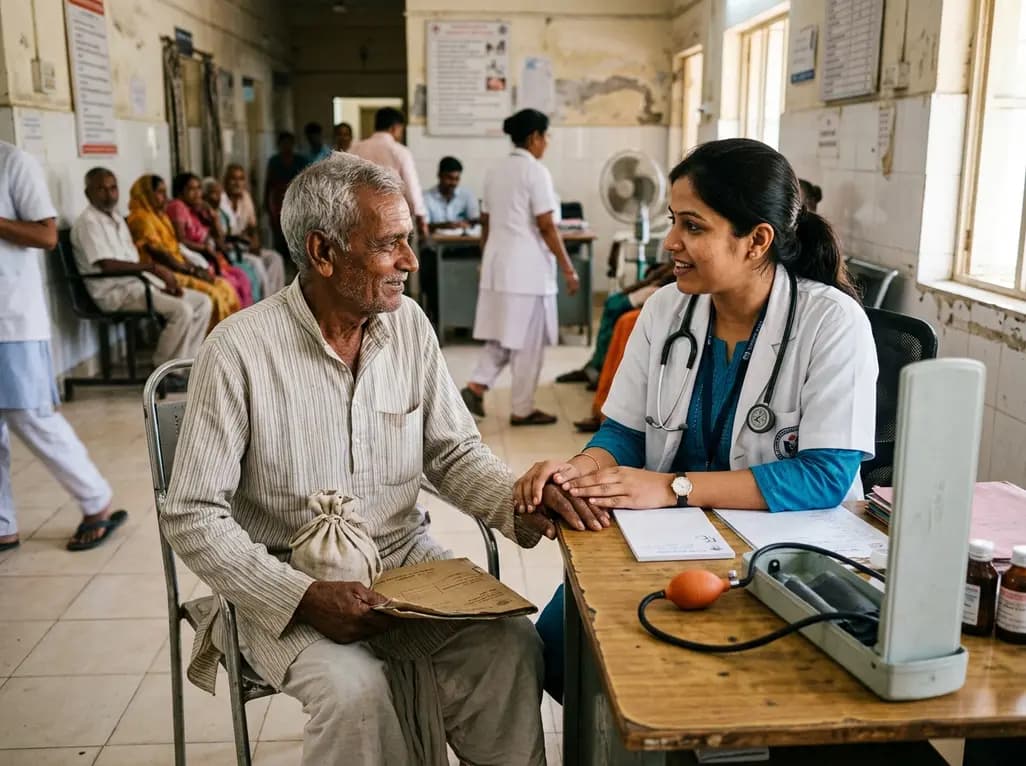
India is undergoing an unprecedented demographic transition that demands an urgent overhaul of rural healthcare delivery systems. Recent white papers from Transform Rural India emphasize that nearly twenty percent of the nation's population will be over sixty years old by 2050. Furthermore, almost seventy percent of these older adults will reside in rural areas where health infrastructure remains optimized for episodic acute care. Enhancing geriatric care in India requires primary care clinicians and health policy experts to shift attention toward long-term community-based management of chronic conditions.
For decades, traditional joint family structures in rural areas provided comprehensive care for aging family members. However, recent demographic projections indicate a profound shift in household composition. The number of working-age adults available to support each elderly citizen is projected to drop significantly from eight point four in 2001 to five point two by 2026. Consequently, smaller family units and youth migration to urban hubs leave fewer family members available to assist elderly parents at home.
In addition, nearly ninety-four percent of elder care in rural India continues to be delivered within household settings without professional assistance. Consequently, this growing gap between elder care requirements and family availability creates severe physical and psychological strain on primary household caregivers. Furthermore, as life expectancy increases, the complexity of managing multi-morbidity in resource-limited settings places an unprecedented burden on existing rural healthcare delivery networks. Therefore, health planners must re-evaluate traditional home care assumptions and build institutional support structures that bridge this expanding social safety gap.
India's public health investments historically focused on episodic maternal health interventions, pediatric immunizations, and acute infectious disease management. While these initiatives successfully improved survival rates, the national epidemiological profile has shifted dramatically toward chronic conditions. Currently, non-communicable diseases such as cardiovascular disease, type 2 diabetes, stroke, and chronic respiratory illness account for approximately two-thirds of all deaths nationwide. Moreover, a substantial portion of the disease burden now manifests as years lived with disability rather than sudden premature mortality.
For rural clinicians, this epidemiological shift means that patients require continuous monitoring rather than brief episodic consultations. Chronic non-communicable conditions frequently coexist with age-related functional decline, sensory impairment, and mobility restrictions. Consequently, hospital-centric care models cannot adequately sustain long-term management for rural elders who face severe physical and financial travel constraints. Indeed, primary care systems must evolve beyond acute treatment protocols to incorporate routine geriatric screening, secondary NCD prevention, and structured palliative care services delivered closer to the patient's home.
Addressing the challenges of geriatric care in India requires leveraging existing local health infrastructure rather than constructing entirely new facility networks. The 'Neighbourhood of Care' framework proposes linking established village institutions into a cohesive community support network. Specifically, this model integrates Gram Panchayats, Self-Help Groups, Accredited Social Health Activists, Anganwadi centres, and Ayushman Arogya Mandirs under a shared care mandate. Consequently, integrated health services become accessible within walking distance of every rural household.
By transforming community institutions into active health hubs, frontline workers can perform routine blood pressure screenings, blood glucose testing, medication distribution, and basic functional assessments. Furthermore, local self-help groups can offer peer support, home visitation, and meal assistance for solitary elders. Consequently, this shared community function alleviates the burden on tertiary care hospitals while maintaining treatment continuity for chronic illnesses. Moreover, integrating local governance ensures that social determinants of health, such as sanitation and clean fuel, are addressed alongside clinical needs, promoting sustainable healthy aging across rural regions.
The burden of informal caregiving in rural India is profoundly gendered and carries major socioeconomic consequences. Research highlights that women in rural households spend approximately three hundred and five minutes daily on unpaid care work, compared to just fifty-six minutes spent by men. Moreover, environmental stressors such as extreme heatwaves and severe flooding exacerbate this domestic workload by complicating water collection, sanitation, and elder mobility. Consequently, this persistent caregiving imbalance limits female labor force participation and limits rural economic mobility.
In contrast, formalizing the rural care ecosystem presents a powerful economic opportunity for regional growth. Studies indicate that investing two percent of national gross domestic product into the formal care economy could generate approximately eleven million formal jobs, primarily benefiting rural women. By transitioning informal home care into recognized, compensated micro-enterprises and community care roles, local economies can build sustainable employment while strengthening health networks. Thus, expanding formal elder care mechanisms simultaneously promotes gender equity, economic empowerment, and improved health outcomes for rural senior citizens.
To adapt clinical practice for an aging population, rural primary care physicians must adopt proactive geriatric evaluation protocols. First, clinicians should implement standardized geriatric assessments during routine health visits to screen for cognitive impairment, frailty, nutritional deficiencies, and fall risks. Second, primary care providers must establish structured chronic disease management protocols that emphasize medication adherence and patient self-management education. Furthermore, simplifying complex polypharmacy regimens is critical for improving compliance among elderly patients living independently.
Additionally, medical practitioners should actively collaborate with frontline healthcare workers, including ASHAs and Auxiliary Nurse Midwives, to establish community-based surveillance networks. Training frontline staff to identify early signs of decompensation or neglect allows timely intervention before acute hospitalization becomes necessary. Moreover, clinicians ought to advocate for localized caregiver training programs that equip family members with safe transfer techniques, basic wound care, and stress management skills. Ultimately, transforming primary health centers into age-friendly facilities ensures that rural older adults receive dignified, accessible, and continuous healthcare tailored to their evolving clinical needs.
Q1: Why is India's demographic transition occurring differently from Western nations?
Unlike developed nations that achieved substantial economic wealth before undergoing population aging, India is experiencing rapid demographic aging at much lower per capita income levels. Consequently, rural care infrastructure and public health budgets face tight constraints while managing high chronic disease rates. This unique challenge requires low-cost, decentralized community care models rather than capital-intensive facility expansions.
Q2: How does the 'Neighbourhood of Care' model function in rural primary healthcare?
The 'Neighbourhood of Care' model integrates existing village institutions like Gram Panchayats, Self-Help Groups, ASHAs, and Ayushman Arogya Mandirs into a unified local network. Instead of building new facilities, it leverages these local assets to deliver chronic care, home monitoring, and social support within walking distance of rural households, significantly reducing travel barriers for frail elderly patients.
Q3: What role can rural primary care physicians play in reducing caregiver burden?
Primary care physicians can reduce caregiver strain by optimizing medication schedules to reduce pill burden, providing clear caregiving instructions, and offering caregiver stress screening. Furthermore, doctors can link families with local ASHA workers and community support groups for respite care, while advocating for home-based nursing support and structured caregiver educational workshops within their local communities.
Disclaimer: This content is for informational and educational purposes only. It does not constitute medical advice or replace professional judgment. Refer to the latest local and national guidelines for clinical practice.
References

Read summarized clinical updates, watch expert medical content, and earn CME certifications right from your smartphone.
Open your smartphone camera to scan and install.





A major demographic transition is unfolding across rural India as the population over 60 rises toward 20% by 2050. This synthesis explores the shift from acute episodic care to chronic illness management, highlighting community care models, caregiver burden, and actionable strategies for primary clinicians.
last month
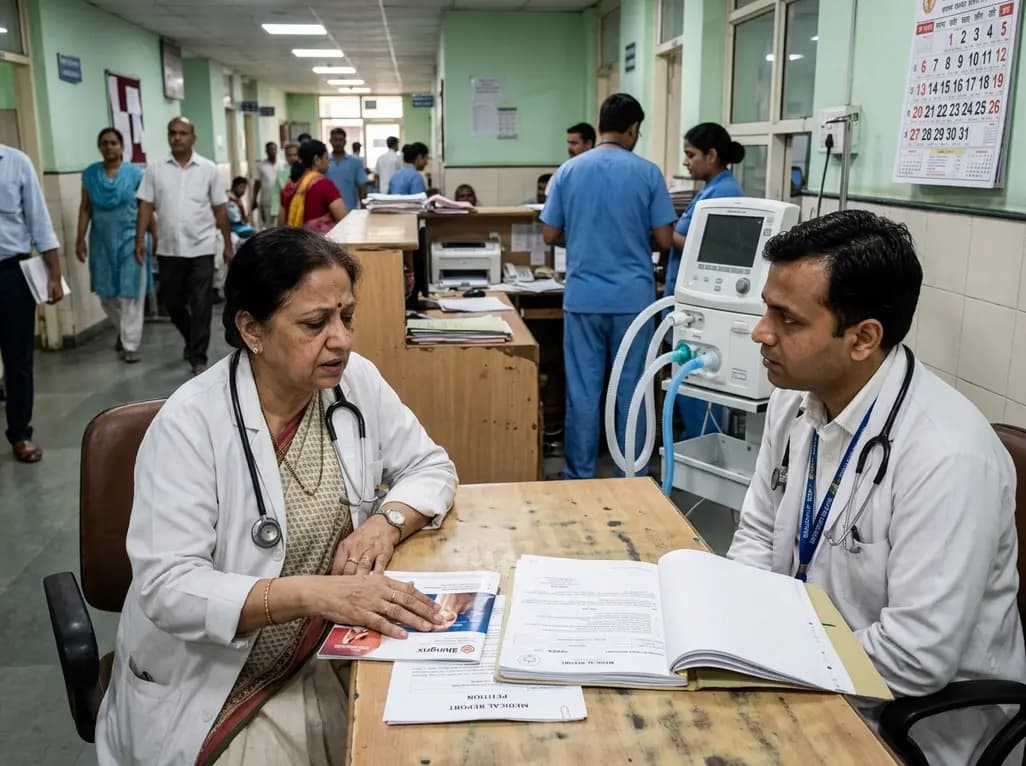
A special Delhi court has directed former DGHS Dr. Vatsala Aggarwal to surrender after refusing her relief plea. Despite clinical submissions citing immunocompromised status, scheduled Shingrix immunization, and adaptive servo-ventilation needs, the court held that jail authorities can manage these medical requirements.
Last week
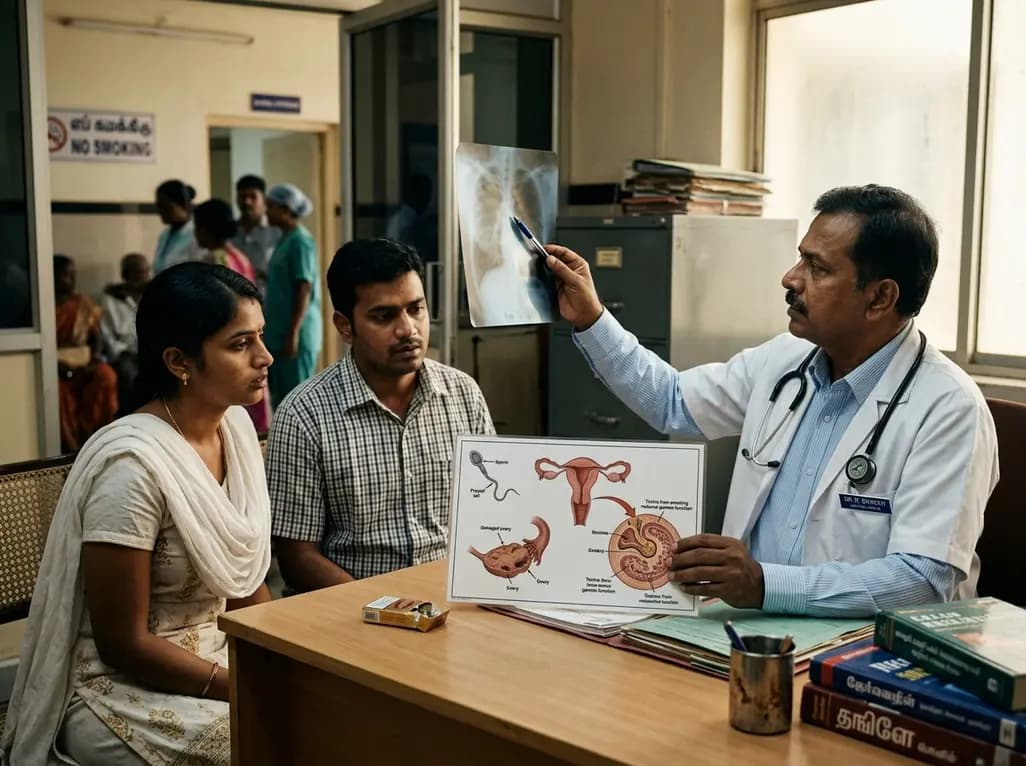
A global knowledge summary from the World Health Organization warns that tobacco smoking significantly increases infertility risks in women and causes substantial sperm and erectile dysfunction in men. Fortunately, quitting smoking substantially lowers these risks, providing clear reproductive benefits.
Last week
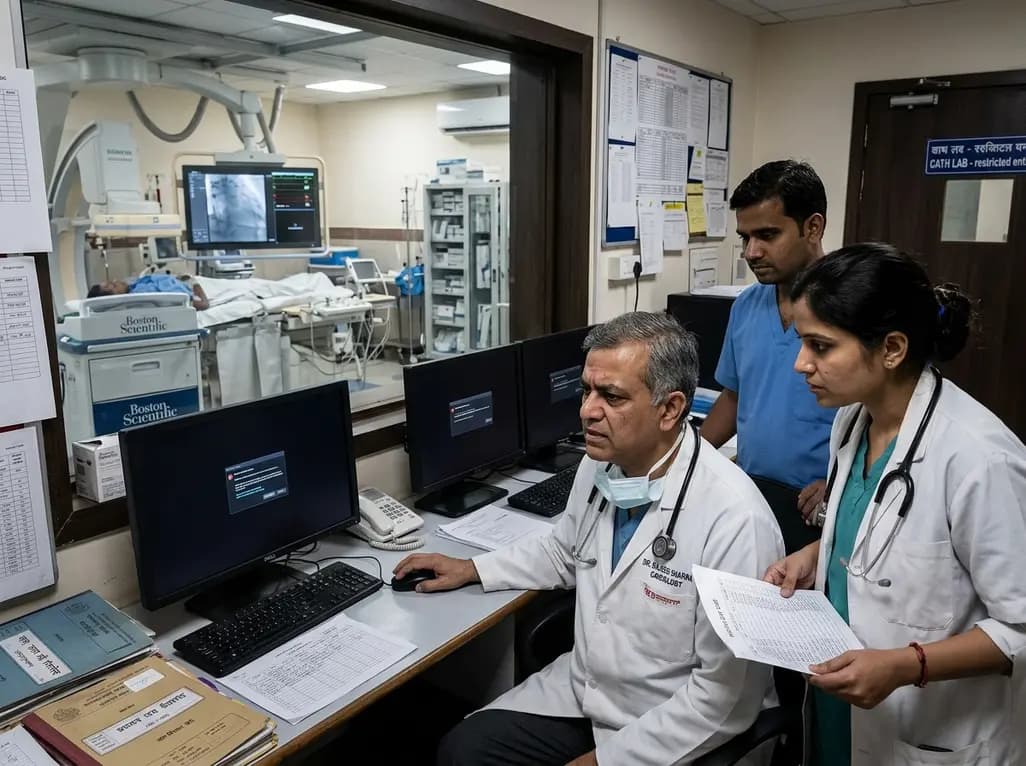
A major cybersecurity breach disrupted global operations at Boston Scientific, delaying device distribution and remote cardiac monitoring activations. This analysis examines the immediate consequences for clinical catheterization suites, electrophysiology teams, hospital inventory systems, and patient care safety.
Last week
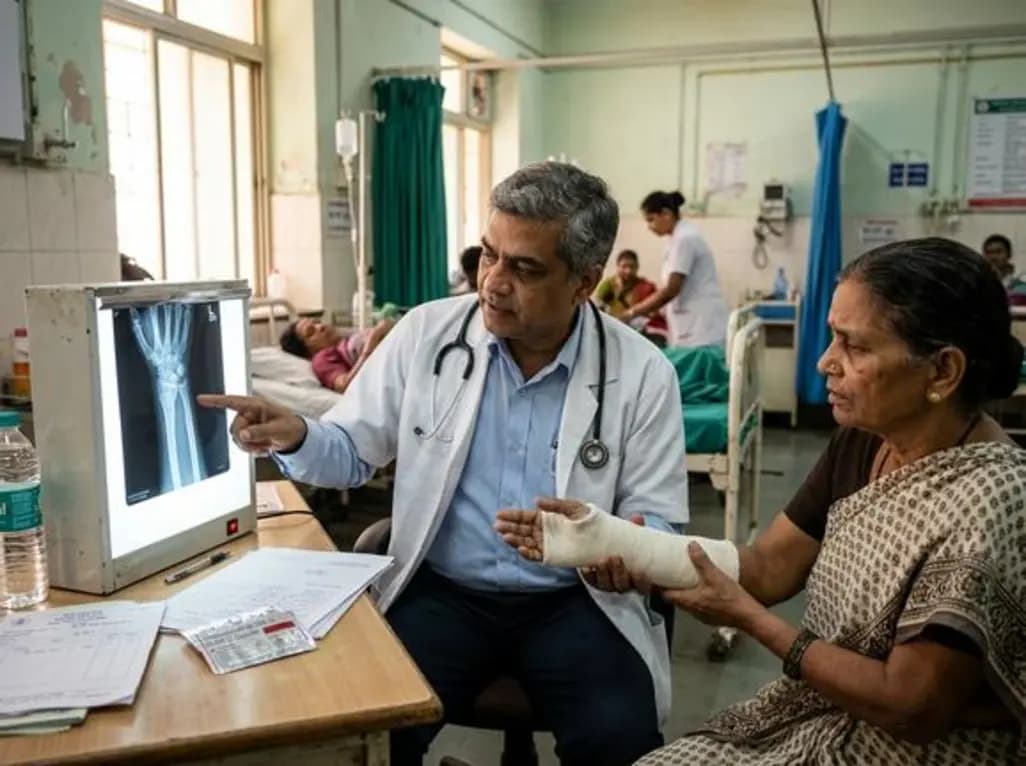
Nearly 80% of Indians suffer from inadequate Vitamin D, causing silent bone weakening and sudden fractures. This expert guide reviews why mega-dose therapy is critical for high-risk patients, the key factors driving widespread deficiency, and the mandatory medical evaluations needed to protect skeletal health.
3 months ago
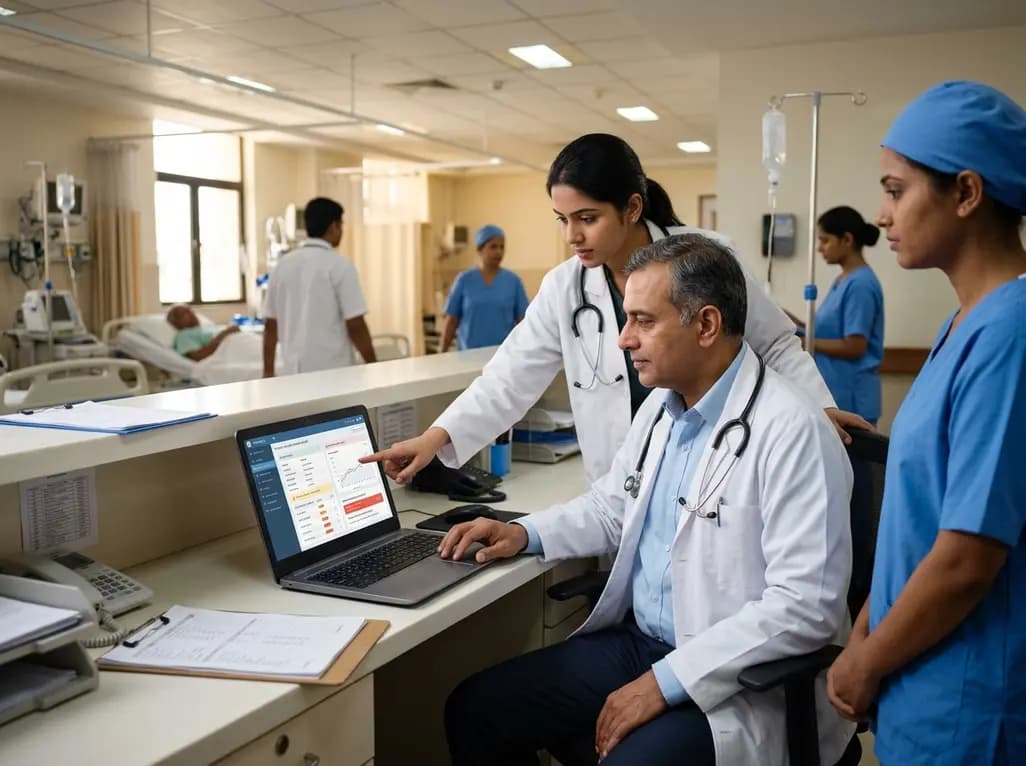
A nationwide mixed-methods study evaluated hospital glycemic management systems across 265 hospitals. While real-time alerts and automatic data sync are highly valued, significant disparities in digital maturity and low satisfaction with decision support highlight the need for standardized implementation.
3 weeks back
