.webp&w=384&q=75)

Loading, please wait...
Loading, please wait...
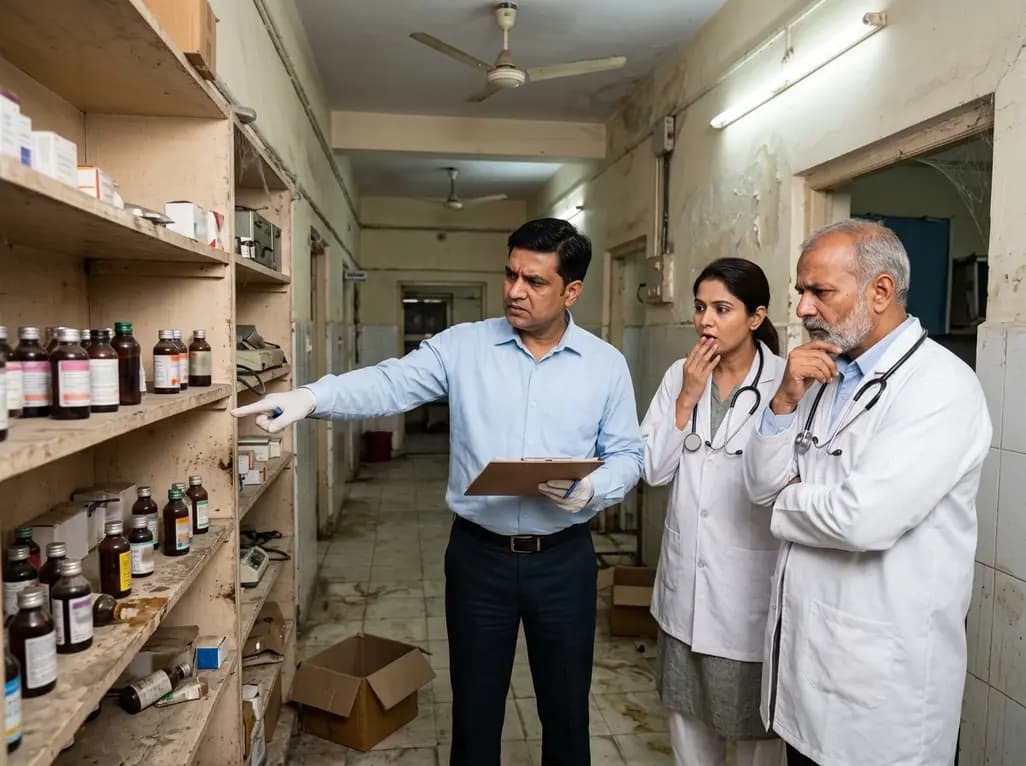
The Food Safety and Standards Authority of India recently took decisive action against Rehaan Healthcare following the discovery of critical food safety violations. Consequently, the regulatory body suspended the manufacturer's licence after an inspection revealed widespread non-compliance at its production unit. Rehaan Healthcare manufactures syrup-based products, including multivitamin and digestive formulations. Therefore, healthcare providers and consumers must remain vigilant regarding product safety and quality standards across nutraceutical manufacturing facilities.
During a comprehensive facility inspection, regulators uncovered alarming hygienic lapses that compromised consumer safety. Furthermore, official reports indicated that the manufacturing unit achieved an overall compliance score of just twelve percent. This exceptionally low score highlights a systemic failure to maintain basic statutory hygiene requirements. Specifically, inspectors documented severe sludge and filth accumulation directly underneath the main manufacturing tanks. Additionally, raw materials were stored in an unorganized manner throughout the facility, creating an immediate hazard for cross-contamination. Poor housekeeping practices further degraded the working environment, allowing contaminants to compromise active liquid preparations. FSSAI officials emphasized that such unhygienic conditions violate core manufacturing protocols designed to safeguard public health. Consequently, the authority mandated an immediate shutdown of all processing operations at the plant. Manufacturers must now demonstrate complete rectification before seeking operational clearance. Regulatory enforcement remains crucial because unmonitored production lines can easily distribute contaminated therapeutic supplements to unsuspecting households. Ultimately, strict regulatory oversight serves as the primary barrier protecting consumers from substandard health products.
Following the inspection, FSSAI ordered Rehaan Healthcare to cease all food manufacturing business activities immediately. Moreover, the regulator explicitly stated that production cannot resume until the facility addresses every identified deficiency. Competent regulatory authorities must thoroughly verify all corrective measures before any licence reinstatement occurs. In addition, FSSAI issued a clear warning that legal action will follow if the company attempts to bypass this suspension order. Regulatory agencies have intensified scrutiny on nutraceutical manufacturers to eliminate non-compliant facilities across the country. Notably, recent enforcement drives have targeted misleading product claims, improper labeling, and unsafe manufacturing practices. These regulatory interventions stem from consumer grievances, official complaints, and routine surveillance checks conducted by food safety officers. Furthermore, e-commerce platforms and beverage brands have received formal compliance notices to enforce standards. By enforcing strict operational shutdowns, regulators aim to compel full adherence to established national guidelines. Medical professionals must stay informed regarding these administrative actions to guide patient choices effectively. Vigilant regulatory enforcement protects public health by preventing unsafe products from entering supply networks.
The observed sanitary failures carry profound clinical implications, particularly because syrup formulations frequently target vulnerable groups. Rehaan Healthcare produces popular digestive and multivitamin syrups intended for infants, children, and elderly patients. Consequently, microbial or physical contamination in these liquid supplements poses a severe and imminent threat to health. Unsanitary manufacturing practices can introduce dangerous pathogens, heavy metals, or chemical impurities into finished products. In vulnerable pediatric patients, contaminated supplements can trigger gastrointestinal distress, systemic infections, or severe allergic reactions. Furthermore, immunocompromised individuals lack the physiological resilience to withstand exposure to adulterated formulations. Regulators highlighted that high-risk categories like pediatric supplements demand uncompromising sanitation standards. Therefore, clinical safety requires strict environmental controls during every stage of product formulation and packaging. Medical practitioners often recommend health supplements to boost nutritional intake in frail or developing populations. Consequently, compromised quality controls directly jeopardize patient outcomes and undermine therapeutic regimens. Healthcare providers must recognize that unverified manufacturing environments introduce unnecessary risk into routine patient management. Continuous monitoring ensures that vulnerable patients receive safe, high-quality nutritional support.
The inspection report detailed extensive structural and infrastructural deficiencies throughout the manufacturing plant. Specifically, investigators observed widespread spider webs, active mold growth, exposed food waste, and pest infestations in active production areas. Furthermore, flies and crawling insects were present near open processing equipment, exacerbating contamination hazards. The facility lacked basic environmental safeguards, including proper ventilation and adequate workplace lighting. Additionally, damaged physical infrastructure and substandard workspace arrangements severely hindered effective cleaning protocols. Regulators also noted the absence of a valid drinking water test report, which presents a major hazard during liquid syrup preparation. Water serves as a primary vehicle for microbial transmission in pharmaceutical and nutraceutical production. Therefore, failing to verify water safety exposes consumers to potential waterborne pathogens. Inadequate storage facilities further exposed sensitive raw materials to heat, humidity, and environmental degradation. Collectively, these severe deficiencies reflect a complete collapse of quality assurance mechanisms within the unit. Regulators insist that facilities rebuild physical infrastructure to satisfy statutory requirements before resuming operations. Establishing clean, controlled environments remains essential for preventing widespread product contamination.
This enforcement action underscores the critical responsibility clinicians hold when recommending over-the-counter health supplements. Although nutraceuticals are widely consumed, quality standards can vary significantly across different manufacturing brands. Consequently, physicians, pediatricians, and pharmacists must exercise heightened caution when suggesting dietary syrups or multivitamins to patients. Practitioners should prioritize products manufactured by established companies that adhere to rigorous quality controls and regulatory standards. Moreover, healthcare providers should counsel patients to report any unusual adverse effects associated with dietary supplements. Reporting suspected contamination helps regulatory bodies identify non-compliant manufacturers quickly. In addition, clinicians must advise families to purchase medications and supplements through authorized, reputable distribution channels. Unverified online sellers or unregulated local vendors may supply compromised batches from suspended production lines. By remaining proactive, medical professionals play a vital role in protecting patients from unsafe healthcare products. Collaborative vigilance between regulatory authorities and medical practitioners strengthens overall public health defense against substandard formulations. Ultimately, rigorous quality verification ensures that dietary supplementation remains both safe and therapeutically beneficial for all patient populations.
Q1: Why did FSSAI suspend the manufacturing licence of Rehaan Healthcare?
FSSAI suspended the licence due to severe food safety violations found during a facility inspection. The manufacturing unit scored an overall compliance score of just twelve percent. Inspectors observed filth and sludge under processing tanks, poor raw material storage, pest infestations, mold growth, and missing drinking water test reports. Consequently, the regulator ordered an immediate shutdown to prevent public health risks.
Q2: What specific products are affected by this regulatory suspension order?
The suspension applies to all health supplements and nutraceutical products manufactured by Rehaan Healthcare. This includes digestive syrups, multivitamin syrups, and other syrup-based food items. Because these liquid products target high-risk groups like children and vulnerable patients, FSSAI mandated that all production activities cease immediately until complete compliance is achieved and verified thoroughly by competent authorities.
Q3: How should healthcare providers approach prescribing or recommending nutraceutical syrups?
Healthcare providers should recommend nutraceuticals and dietary supplements from reputable manufacturers with proven quality compliance. Clinicians must educate patients to purchase products from verified pharmacies and authorized distributors. Furthermore, doctors should encourage patients to report any adverse reactions or unusual physical properties in liquid syrups to ensure timely reporting and effective safeguarding of patient safety.
Disclaimer: This content is for informational and educational purposes only. It does not constitute medical advice or replace professional judgment. Refer to the latest local and national guidelines for clinical practice.
References

Read summarized clinical updates, watch expert medical content, and earn CME certifications right from your smartphone.
Open your smartphone camera to scan and install.





The Food Safety and Standards Authority of India has suspended the manufacturing licence of Rehaan Healthcare following an inspection that revealed a dismal 12% compliance score. Unhygienic conditions, filth, and lack of safety controls in pediatric syrups pose severe health risks.
2 months ago

Kenya's confirmation of its eighth Ebola infection highlights the acute risk of secondary transmission in hospital environments. Clinicians must maintain high vigilance, enforce strict infection prevention protocols, and implement rapid triage mechanisms for viral hemorrhagic fevers across healthcare settings.
4 days back
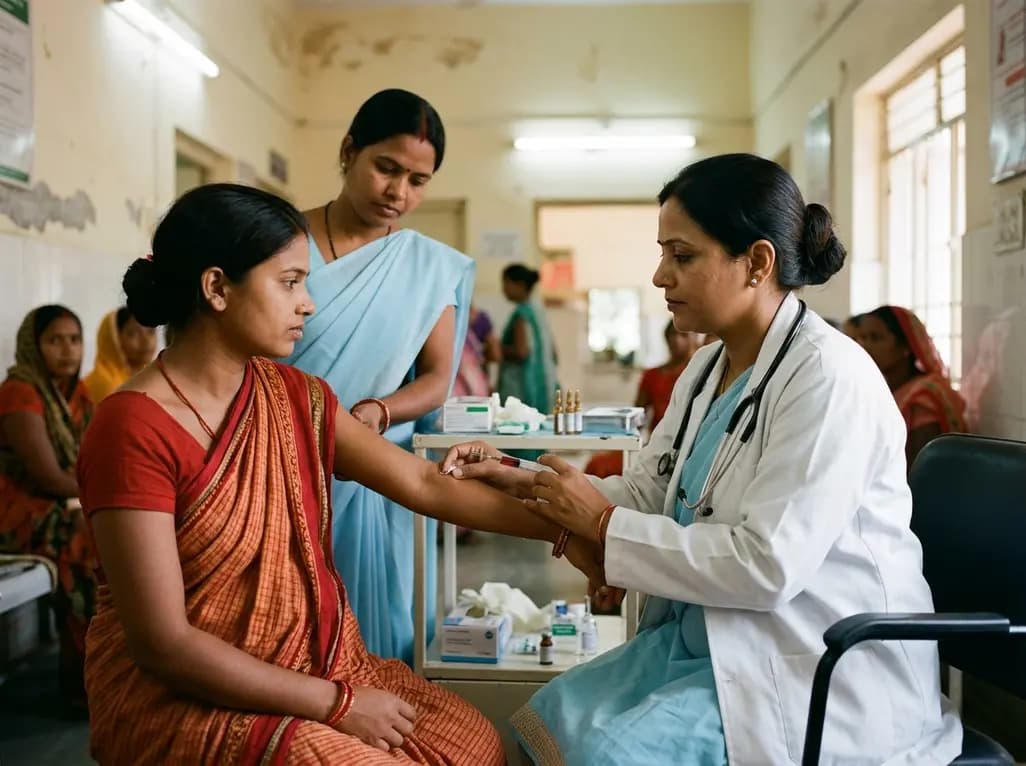
Maternal anaemia contributes to nearly half of pregnancy-related fatalities across India. To prevent complications, Uttar Pradesh has added single-dose parenteral iron to its essential medicines list. This clinical transition aims to restore haemoglobin rapidly and protect high-risk mothers across rural facilities.
Last week

India's food safety authority FSSAI has issued show-cause notices to Gemini Edibles, BigBasket, and Flipkart for unpermitted cardiovascular claims regarding Freedom Rice Bran Oil. This regulatory move highlights the strict enforcement of advertising standards and the clinical necessity of evidence-based lipid care.
6 days back

The state government is deploying helicopter emergency medical services across the Mumbai-Pune Expressway, Samruddhi Mahamarg, and Mumbai-Goa Highway. This initiative establishes unified standard operating procedures to enable rapid triage, advanced prehospital resuscitation, and seamless trauma care transfers.
Last week

Atherosclerotic cardiovascular disease guidelines often rely on European-derived lipoprotein(a) cutoffs. However, baseline Lp(a) levels vary widely across ancestries, including South Asians and Africans. Clinicians must interpret Lp(a) values within overall absolute cardiovascular risk.
Last week
