.webp&w=384&q=75)

Loading, please wait...
Loading, please wait...
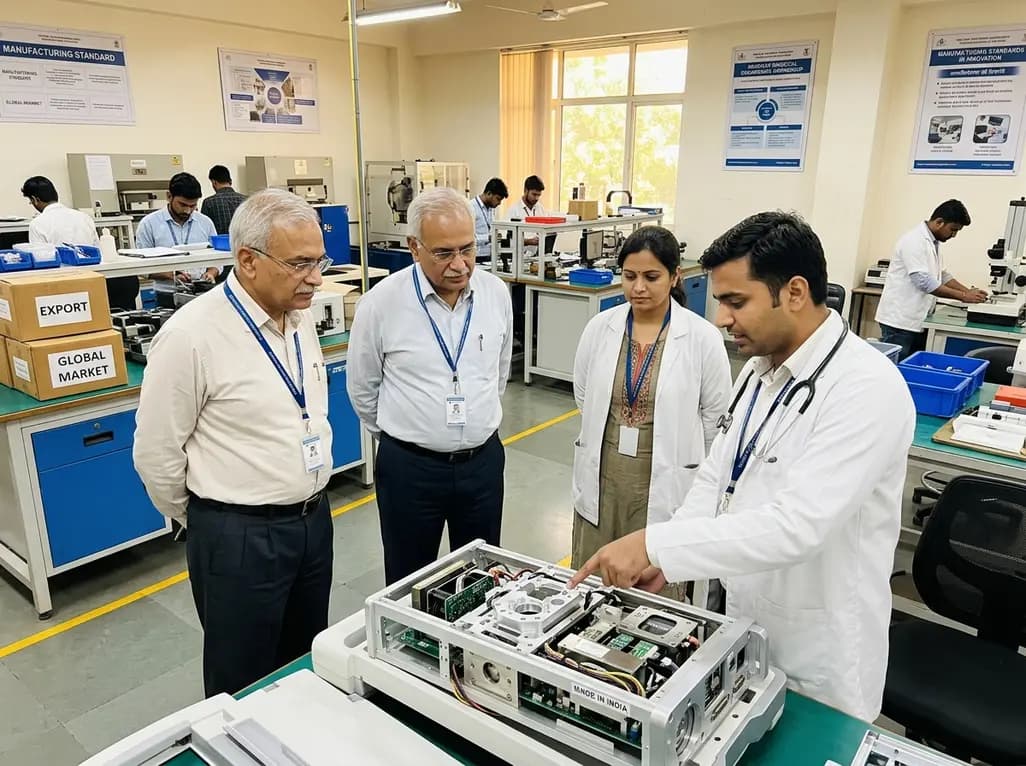
India is embarking on a strategic transformation within its healthcare and medtech ecosystems. Government leaders have underscored the urgent necessity to construct an export oriented medical devices industry that can capture a significant footprint in global healthcare markets. Speaking at the ninth edition of the India Medical Device 2026 conference organized in New Delhi by the Department of Pharmaceuticals and the Federation of Indian Chambers of Commerce and Industry (FICCI), senior officials highlighted that domestic manufacturing must evolve beyond basic import substitution to achieve international competitiveness.
Historically, India's medtech policies focused heavily on import substitution to reduce dependence on foreign products. However, government leaders emphasize that this perspective is no longer sufficient for long-term economic and clinical sustainability. While the domestic market for medical equipment is currently valued at approximately sixteen billion dollars, the global medical technology market exceeds six hundred billion dollars. Consequently, Indian manufacturers possess an immense opportunity to scale operations and address global demand. Secretary of the Department of Pharmaceuticals, Manoj Joshi, noted that the medical devices sector requires evaluation from both a healthcare accessibility perspective and an industrial manufacturing lens. Healthcare providers naturally prioritize immediate access to safe, high-quality diagnostic and therapeutic tools regardless of geographic origin. Nevertheless, robust domestic manufacturing remains vital because it generates skilled employment, builds local technical capability, and establishes supply chain resilience during global geopolitical or health disruptions. Therefore, shifting toward export-driven production enables domestic companies to achieve economies of scale. Furthermore, this transition elevates overall quality standards across domestic healthcare institutions. As local producers aim for international regulatory compliances, Indian clinicians and patients benefit directly from world-class medical equipment manufactured within national borders.
To realize the ambition of producing export oriented medical devices, India must address critical gaps in domestic component manufacturing. Currently, many domestic medtech assembly lines rely on imported sub-components, microprocessors, specialized sensors, and advanced raw materials. Therefore, deepening local value addition is indispensable for building an enduring manufacturing ecosystem. Manoj Joshi emphasized that seamless cross-border movement of specialized components and finished products will facilitate integration into global MedTech value chains. Additionally, establishing robust component ecosystems reduces production costs and shields local enterprises from sudden global supply chain bottlenecks. Public-private partnerships and government incentives are playing a central role in encouraging original equipment manufacturers to localize critical component supply lines. Consequently, strengthening domestic value chains ensures that devices assembled in India contain higher proportions of indigenous technology. Furthermore, expanding local component ecosystems encourages specialized engineering firms to innovate high-precision tools, sensors, and diagnostic optics tailored specifically for complex clinical applications. As a result, domestic hospitals gain access to durable, cost-effective equipment with faster turnaround times for servicing and component replacement, ultimately enhancing patient care continuity.
Innovation serves as the cornerstone for any nation attempting to establish a dominant presence in international medical technology markets. India boasts a dynamic ecosystem of MedTech startups, academic research centers, and biomedical engineering incubators. However, bridging the gap between early-stage innovation and commercial market distribution remains a major hurdle. To overcome this challenge, government officials advocate for stronger collaborative partnerships between MedTech startups and established industrial manufacturers. Startups frequently excel at developing disruptive technologies, artificial intelligence integration, and novel diagnostic algorithms. Meanwhile, large industrial players contribute essential capital, large-scale manufacturing infrastructure, testing facilities, and global distribution networks. Therefore, combining startup innovation with corporate industrial capabilities allows novel medical technologies to transition rapidly from clinical trials to commercialization. Additionally, such collaborative synergy helps Indian innovators navigate international regulatory hurdles and intellectual property frameworks. Furthermore, fostering co-development models ensures that newly designed instruments directly address unmet clinical needs in both emergency settings and routine clinical practices. Consequently, robust industry-startup alliances foster a steady pipeline of advanced, highly competitive healthcare solutions designed for global deployment.
A predictable, transparent, and streamlined regulatory environment is essential for nurturing a globally competitive medical devices industry. Speaking at the event, Drugs Controller General of India (DCGI) Rajeev Singh Raghuvanshi highlighted that India's medtech sector is undergoing a fundamental structural transition. Specifically, the regulatory framework is shifting from monitoring an import-driven market to supporting a domestic manufacturing ecosystem. To accelerate this transition, the Central Drugs Standard Control Organization (CDSCO) is focusing on enhancing regulatory predictability and efficiency. Regulatory reforms prioritize high-end medical devices, including Class C and Class D complex electronics, advanced imaging modalities, and high-precision in vitro diagnostics. Furthermore, establishing transparent approval pathways reduces clinical trial delays and lowers market entry barriers for indigenous manufacturers. The DCGI reiterated that regulatory timeliness will not compromise safety or international quality benchmarks. Instead, harmonizing domestic regulations with global standardizations ensures that Indian-made medical devices seamlessly meet international export requirements. Consequently, predictable regulatory approval timelines instill confidence among domestic developers and international investors, encouraging higher capital inflow into advanced biomedical research and development across the country.
The strategic national pivot toward export-oriented manufacturing offers profound long-term benefits for clinical practice and patient outcomes in India. Historically, healthcare facilities in resource-limited settings faced significant financial constraints when acquiring high-end diagnostic systems, surgical units, and monitoring technologies. However, as domestic firms manufacture high-quality, globally certified medical equipment at scale, local healthcare providers gain access to reliable medical technology at significantly lower acquisition costs. Additionally, enhanced domestic manufacturing capability ensures ready availability of replacement parts, regular calibration tools, and local technical maintenance services. Consequently, hospitals experience minimized equipment downtime, ensuring uninterrupted patient care in critical units like intensive care, operating theaters, and emergency rooms. Furthermore, local manufacturing of advanced in vitro diagnostics and point-of-care testing equipment empowers clinicians to deliver rapid, precise clinical diagnoses in remote locations. As Indian manufacturers adhere to stringent international quality metrics to serve export markets, domestic healthcare providers receive devices that meet top global safety standards. Ultimately, building a resilient medtech ecosystem strengthens national healthcare infrastructure, supports clinical decision-making, and improves patient survival outcomes across diverse clinical settings.
Q1: Why is India shifting from import substitution to an export-oriented medical devices strategy?
India is shifting focus because the global medical devices market exceeds six hundred billion dollars, whereas the domestic market is around sixteen billion dollars. While import substitution helped establish basic domestic manufacturing, an export-oriented approach enables Indian manufacturers to achieve global scale, enhance product quality standards, integrate into global value chains, and generate substantial economic growth while improving domestic healthcare delivery.
Q2: What key regulatory changes are being implemented by the DCGI for high-end medical devices?
The Drugs Controller General of India is driving structural reforms to create faster, more transparent, and predictable regulatory approval pathways. Specific attention is directed toward high-end Class C and Class D medical devices and in vitro diagnostics. These regulatory enhancements aim to accelerate indigenous research, shorten commercialization timelines, and align domestic quality benchmarks with international regulatory standards without compromising clinical safety.
Q3: How does domestic component manufacturing benefit healthcare providers and clinical practice?
Strengthening domestic component manufacturing reduces dependence on imported sub-assemblies and lowers overall manufacturing costs. For healthcare providers, this strategy ensures supply chain resilience during global disruptions, significantly reduces equipment downtime, and provides rapid access to maintenance parts. Ultimately, clinicians benefit from reliable, cost-effective, high-quality diagnostic and therapeutic devices that directly enhance everyday patient care quality and overall clinical outcomes.
Disclaimer: This content is for informational and educational purposes only. It does not constitute medical advice or replace professional judgment. Refer to the latest local and national guidelines for clinical practice.
References

Read summarized clinical updates, watch expert medical content, and earn CME certifications right from your smartphone.
Open your smartphone camera to scan and install.





India is shifting from import substitution to building an export-oriented medical devices industry. Department of Pharmaceuticals Secretary Manoj Joshi and DCGI Rajeev Singh Raghuvanshi outlined plans to boost domestic component manufacturing, streamline regulatory approvals, and target the $600B global market.
last month
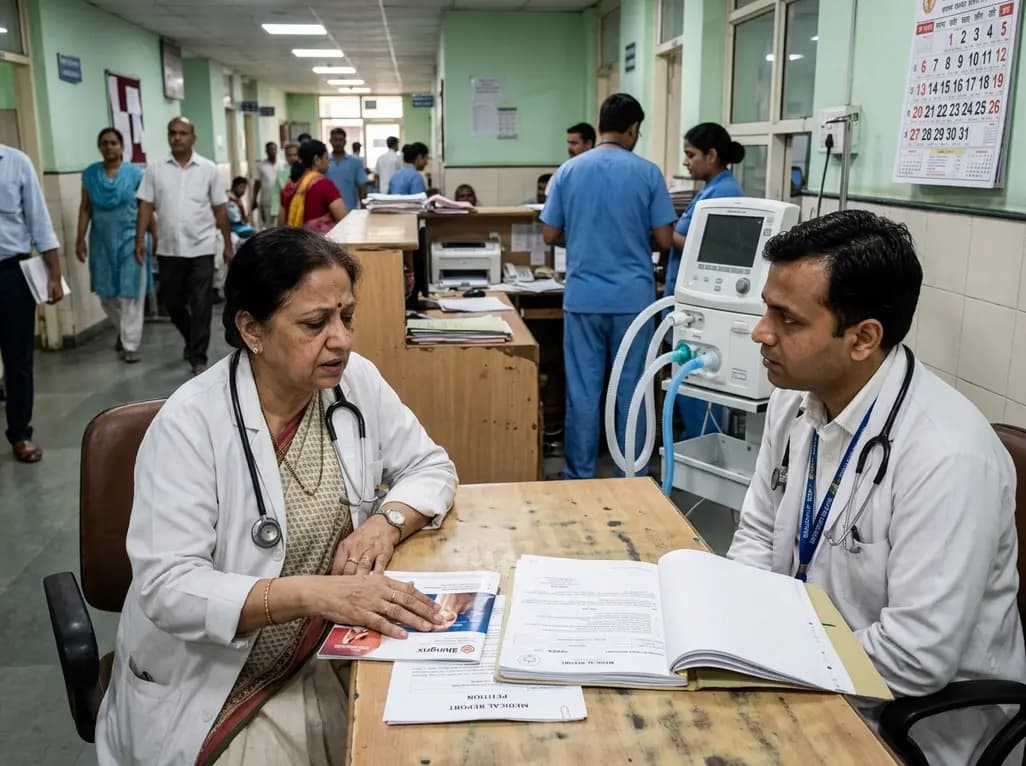
A special Delhi court has directed former DGHS Dr. Vatsala Aggarwal to surrender after refusing her relief plea. Despite clinical submissions citing immunocompromised status, scheduled Shingrix immunization, and adaptive servo-ventilation needs, the court held that jail authorities can manage these medical requirements.
Last week
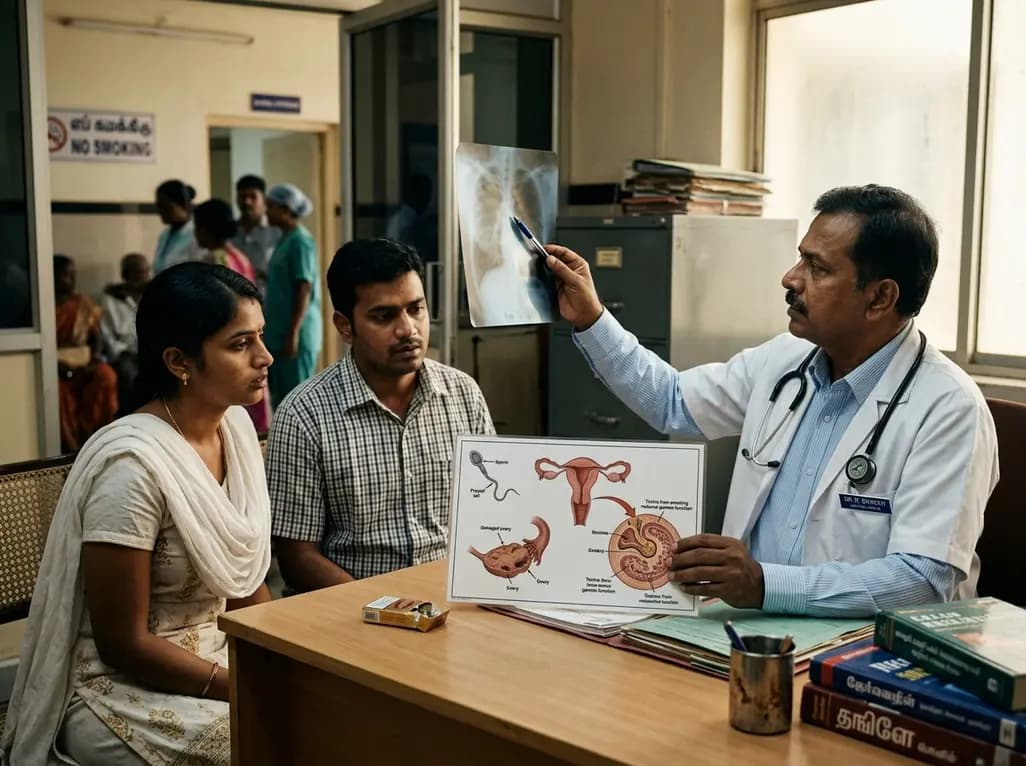
A global knowledge summary from the World Health Organization warns that tobacco smoking significantly increases infertility risks in women and causes substantial sperm and erectile dysfunction in men. Fortunately, quitting smoking substantially lowers these risks, providing clear reproductive benefits.
Last week
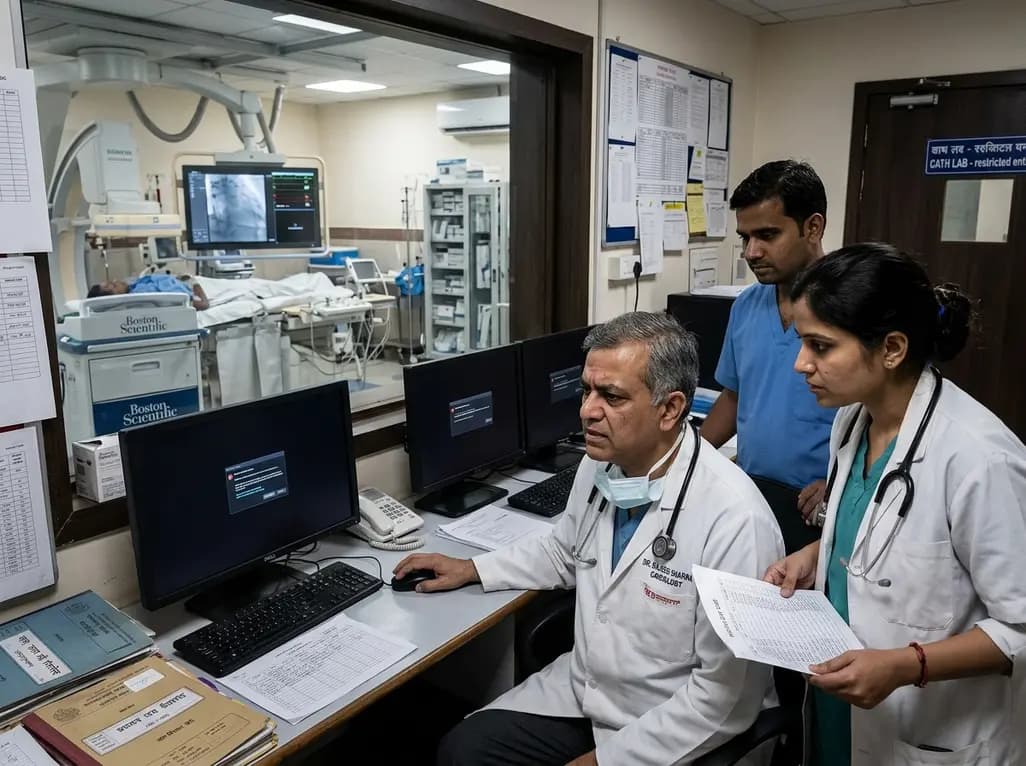
A major cybersecurity breach disrupted global operations at Boston Scientific, delaying device distribution and remote cardiac monitoring activations. This analysis examines the immediate consequences for clinical catheterization suites, electrophysiology teams, hospital inventory systems, and patient care safety.
Last week
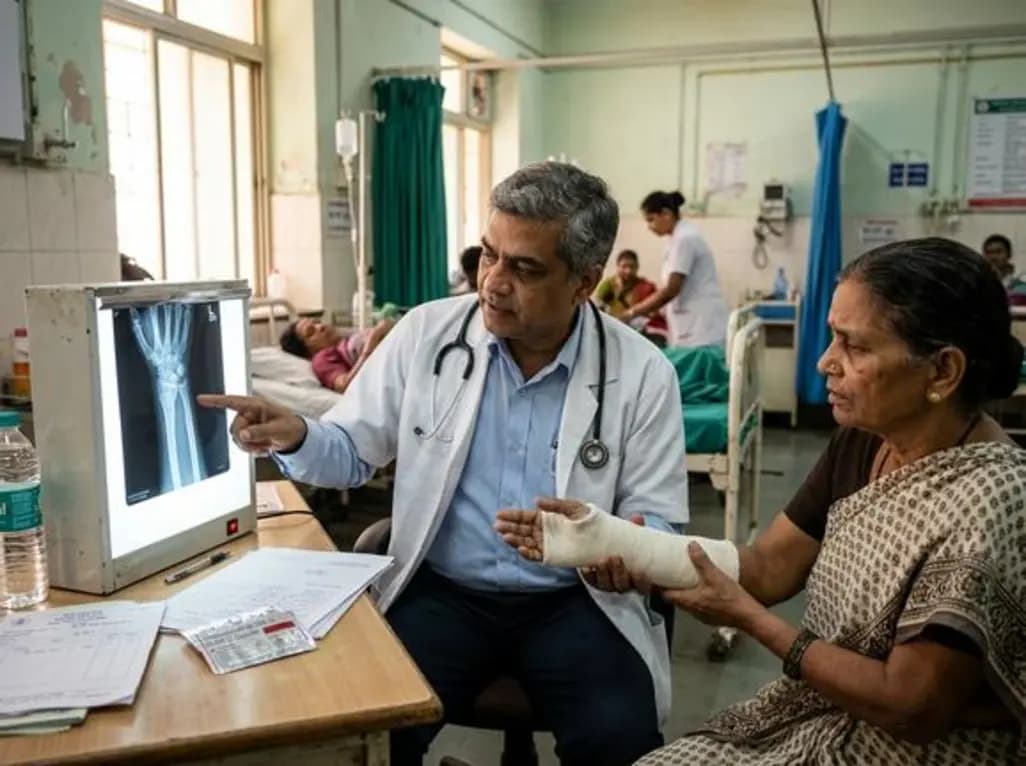
Nearly 80% of Indians suffer from inadequate Vitamin D, causing silent bone weakening and sudden fractures. This expert guide reviews why mega-dose therapy is critical for high-risk patients, the key factors driving widespread deficiency, and the mandatory medical evaluations needed to protect skeletal health.
3 months ago
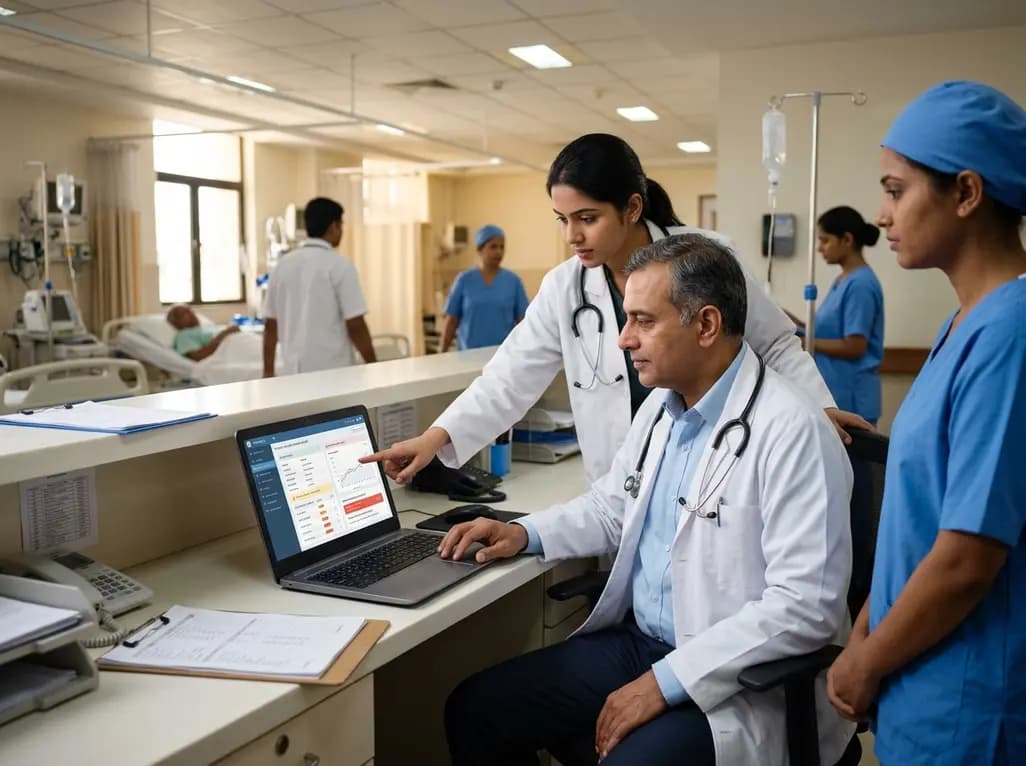
A nationwide mixed-methods study evaluated hospital glycemic management systems across 265 hospitals. While real-time alerts and automatic data sync are highly valued, significant disparities in digital maturity and low satisfaction with decision support highlight the need for standardized implementation.
3 weeks back
