.webp&w=384&q=75)

Loading, please wait...
Loading, please wait...
The anticipation for the FIFA 2026 World Cup and the Los Angeles 2028 Olympic Games is already driving significant innovation in sports medicine and hospital logistics. Managing emergency radiology surge capacity during these global spectacles is a paramount concern for healthcare administrators and clinical leads worldwide. To address this, a recent study utilized discrete-event simulation to predict the impact of massive imaging boluses on tertiary care emergency departments. This modeling approach provides a granular view of how patient arrivals and interpretation times fluctuate during short, high-intensity periods. By simulating an eight-hour shift with a specific two-hour surge, the researchers were able to quantify the potential for system saturation. Furthermore, the study explores how secondary support systems, such as teleradiology, can effectively mitigate diagnostic delays. For radiologists in India, who often manage massive patient volumes during festivals or international cricket tournaments, these findings offer a vital blueprint for data-driven preparedness. Specifically, understanding the relationship between staffing levels and turnaround times allows for better resource allocation. Consequently, the use of predictive modeling ensures that patient care remains efficient despite the unpredictable nature of event-related surges. This proactive planning is essential for maintaining safety standards in high-stakes environments where every second counts.
The methodology behind the study involves a sophisticated Monte Carlo discrete-event simulation programmed in Python. This technique allows researchers to model the emergency radiology surge capacity by simulating thousands of potential scenarios based on stochastic variables. In this specific model, CT arrivals followed a Poisson process, which is a mathematical standard for modeling random events occurring at a constant average rate. Radiologists, both local and remote, were modeled as parallel servers with varying interpretation speeds. By running 500 iterations, the researchers could account for the inherent variability in medical diagnosis and case complexity. Additionally, the simulation compared two primary staffing scenarios: one relying solely on local radiologists and another utilizing a rapid-response teleradiology team. This teleradiology support was activated once the unread queue reached a specific threshold of ten cases. Such a threshold-based activation strategy is particularly relevant for Indian hospitals that may have on-call staff or third-party diagnostic partners. Moreover, the results highlight how small changes in arrival rates can lead to exponential increases in backlog if not managed correctly. Therefore, discrete-event simulation serves as a powerful tool for visualizing workflow bottlenecks before they occur in a real-world setting, allowing for more robust contingency planning.
The results of the simulation provide striking evidence of the benefits of integrated support during surges. Without teleradiology, the mean turnaround time for a CT scan was approximately 48.7 minutes, with the 90th percentile stretching to nearly 90 minutes. This delay can have significant clinical implications for trauma or acute neurological cases where rapid intervention is required. However, when the teleradiology team was activated, the mean turnaround time dropped dramatically to 18.0 minutes. Furthermore, the 90th percentile turnaround time was reduced to 37.3 minutes, representing a much more manageable workflow for the emergency department. The maximum unread backlog also saw a substantial decrease, falling from an average of 27.7 cases to just 16.2. Perhaps most importantly, the number of cases delayed by more than an hour plummeted from 47.4 to a mere 2.0. These figures demonstrate that a surge buffer can prevent the systemic collapse that often follows an overwhelmed queue. Consequently, these metrics provide a clear benchmark for hospitals planning for major sporting events. By focusing on the 90th percentile, administrators can better understand the worst-case scenarios and develop strategies to mitigate them. Such data-driven insights are invaluable for maintaining high standards of care during periods of intense demand.
Sensitivity analysis performed within the study revealed that the risk of system saturation increases sharply when surge arrivals rise while local staffing remains static. This finding emphasizes that while teleradiology is a potent tool, it should function as a strategic surge buffer rather than a permanent substitute for adequate local staffing. Effective emergency radiology surge capacity depends on a balanced synergy between on-site clinicians and remote support. Local radiologists possess the necessary context of the hospital’s internal protocols and immediate clinical needs, which is often difficult for remote teams to replicate entirely. Therefore, establishing predefined escalation pathways is crucial for operational success. These pathways should dictate exactly when and how external support is triggered to avoid delays in activation. In India, where many tertiary care centers are already operating near capacity, adding an event-related surge could easily push the system over the edge. By utilizing simulation data, department heads can advocate for temporary staffing increases or better technological infrastructure. Additionally, the study suggests that the threshold for activation should be carefully calibrated to balance cost and efficiency. Ultimately, the goal is to create a resilient workflow that can absorb shocks without compromising the quality of radiological interpretations or patient outcomes.
The implications of this study are particularly pertinent for India, a nation that frequently hosts large-scale religious, political, and sporting gatherings. From the Indian Premier League to the Kumbh Mela, the strain on local medical infrastructure can be immense. Implementing discrete-event simulation could revolutionize how Indian hospitals prepare for these events. By inputting local data regarding average interpretation times and patient arrival patterns, Indian radiology departments can customize these models to reflect their specific operational realities. Furthermore, the study underscores the importance of technological readiness, particularly in the realm of teleradiology and AI-assisted triaging. If a hospital can predict when its CT interpretation workflow will likely become saturated, it can engage with teleradiology providers well in advance. Moreover, this approach encourages a shift from reactive to proactive management. Instead of scrambling when a backlog occurs, departments can rely on established protocols for emergency radiology surge capacity. This transition is vital for improving the overall resilience of the Indian healthcare system. Consequently, the adoption of simulation tools can lead to more predictable work environments for radiologists and safer experiences for patients. As India looks toward hosting more global events, such analytical frameworks will become indispensable for hospital administration and disaster management.
Looking ahead, the integration of simulation modeling with real-time data analytics could provide even more robust solutions for emergency radiology. As digital health records and radiology information systems become more sophisticated, hospitals can feed live data into these simulation engines to adjust staffing on the fly. The study on FIFA 2026 and the LA 2028 Olympics provides a foundational framework, but the future lies in dynamic, real-time adaptation. For instance, if an unexpected trauma bolus occurs, a system could automatically trigger teleradiology support based on pre-set backlog thresholds. Additionally, incorporating artificial intelligence into the simulation could help prioritize high-acuity cases within the queue, further reducing the 90th percentile turnaround time for critical patients. Therefore, the discussion around emergency radiology surge capacity is not just about the number of doctors, but about the intelligence of the system as a whole. Radiologists must be at the forefront of these discussions, ensuring that technology serves the clinical need. By embracing these innovative modeling techniques, the medical community can ensure that every patient receives a timely and accurate diagnosis, even during the busiest sporting spectacles. The lessons learned from this simulation are a testament to the power of preparation and the necessity of technological integration in modern medicine.
Disclaimer: This content is for informational and educational purposes only and does not constitute medical advice, diagnosis, or treatment. Always seek the advice of your physician or other qualified health provider with any questions you may have regarding a medical condition. Refer to the latest local and national guidelines for clinical practice.
References
Lee J et al. Modeling emergency radiology demand for FIFA 2026 and the Los Angeles 2028 Olympic Games using discrete-event simulation. Emerg Radiol. 2026 Jun 27. doi: 10.1007/s10140-026-02510-1. PMID: 42364073.
Al-Kanj L, et al. Disaster and Emergency Management in Radiology: Strategies for Large-Scale Events. J Am Coll Radiol. 2021;18(3):412-420.
Smith M, et al. Teleradiology and Surge Capacity in Mass Gatherings: A Systematic Review of Current Practices. Radiology Management. 2023;45(2):15-22.
Discrete-event simulation (DES) allows healthcare administrators to model complex workflows and predict how changes in patient volume affect system performance. By using mathematical algorithms, DES can identify potential bottlenecks and test the impact of various staffing levels without risking patient safety. This predictive capability is essential for managing resources during high-demand periods like major sporting events. Consequently, hospitals can develop more efficient protocols that ensure timely care even when faced with unexpected imaging boluses.
Teleradiology serves as a critical surge buffer by providing additional interpretation capacity when local resources are overwhelmed. During event-related surges, a threshold-based activation of teleradiology can significantly reduce the unread backlog and improve turnaround times. This support allows local radiologists to focus on complex cases or interventional procedures that require an on-site presence. Therefore, teleradiology enhances the overall resilience of the department, preventing system saturation and ensuring that critical diagnoses are not delayed during peak periods.
While mean turnaround time provides an average view, the 90th percentile turnaround time is a better indicator of system reliability and worst-case scenarios. In emergency radiology, ensuring that the vast majority of cases are read within a safe timeframe is crucial for patient outcomes. A high 90th percentile suggests that some patients are experiencing unacceptable delays. By monitoring this metric, departments can more accurately assess the effectiveness of their surge capacity strategies and make necessary adjustments to staffing or workflows.

Read summarized clinical updates, watch expert medical content, and earn CME certifications right from your smartphone.
Open your smartphone camera to scan and install.





A new study uses discrete-event simulation to model emergency radiology demand for FIFA 2026 and the LA 2028 Olympics. Results show that threshold-based teleradiology significantly reduces CT backlogs and turnaround times during major sporting events, providing a blueprint for surge capacity management.
3 months ago
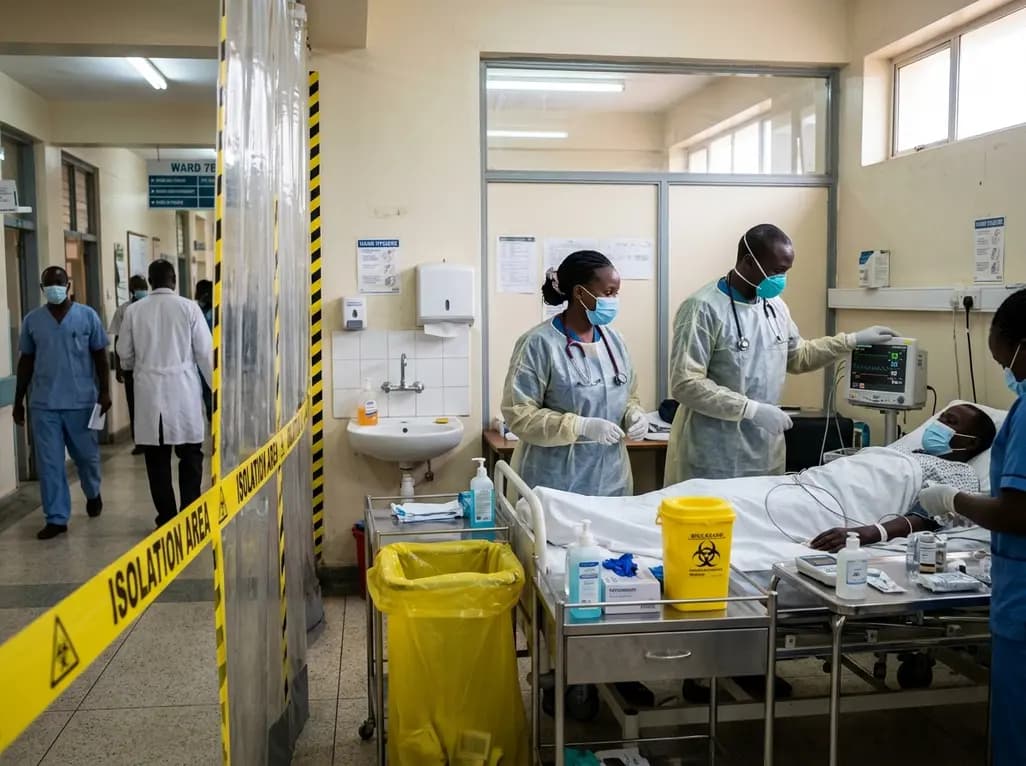
Kenya's confirmation of its eighth Ebola infection highlights the acute risk of secondary transmission in hospital environments. Clinicians must maintain high vigilance, enforce strict infection prevention protocols, and implement rapid triage mechanisms for viral hemorrhagic fevers across healthcare settings.
4 days back
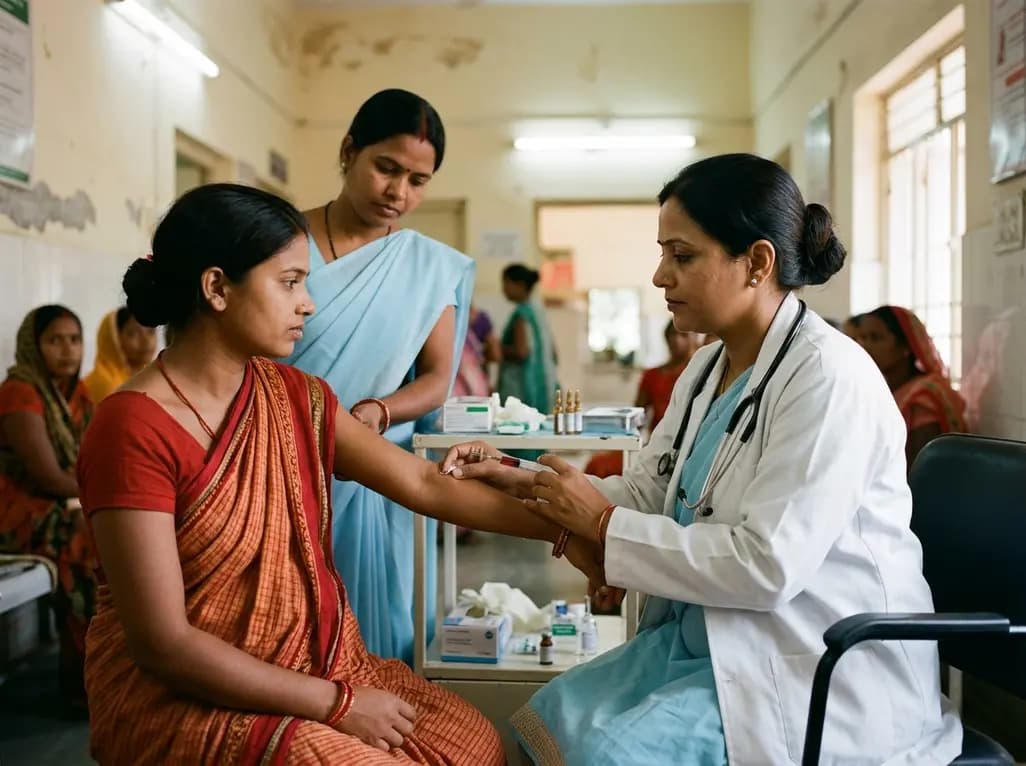
Maternal anaemia contributes to nearly half of pregnancy-related fatalities across India. To prevent complications, Uttar Pradesh has added single-dose parenteral iron to its essential medicines list. This clinical transition aims to restore haemoglobin rapidly and protect high-risk mothers across rural facilities.
Last week
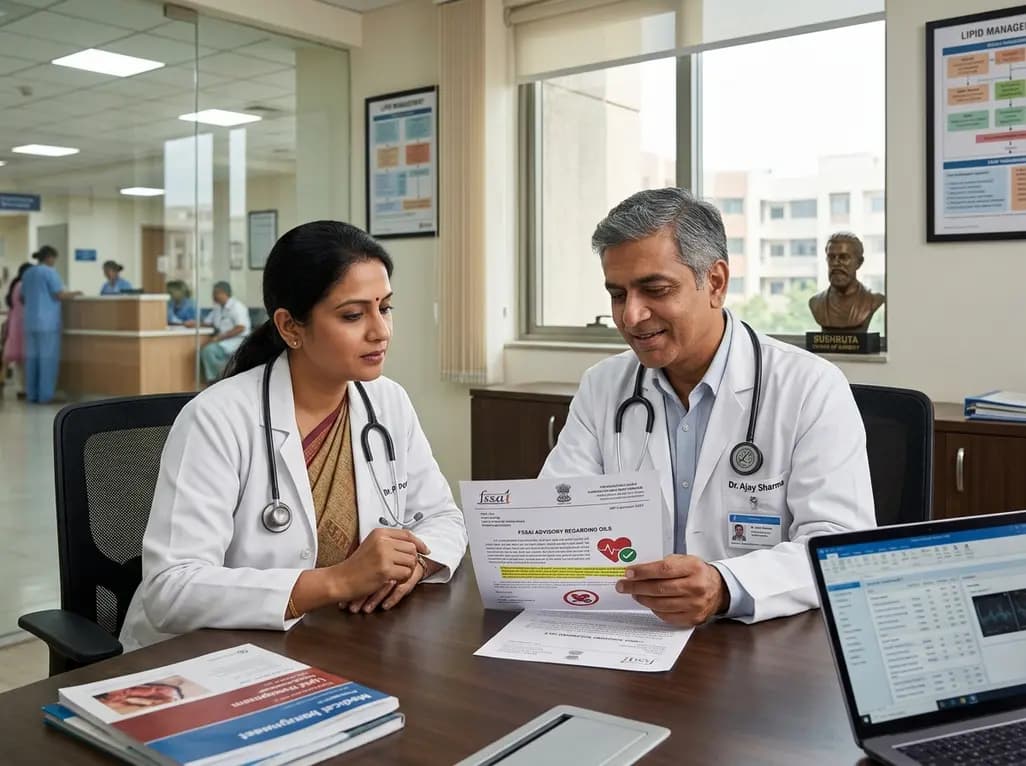
India's food safety authority FSSAI has issued show-cause notices to Gemini Edibles, BigBasket, and Flipkart for unpermitted cardiovascular claims regarding Freedom Rice Bran Oil. This regulatory move highlights the strict enforcement of advertising standards and the clinical necessity of evidence-based lipid care.
6 days back
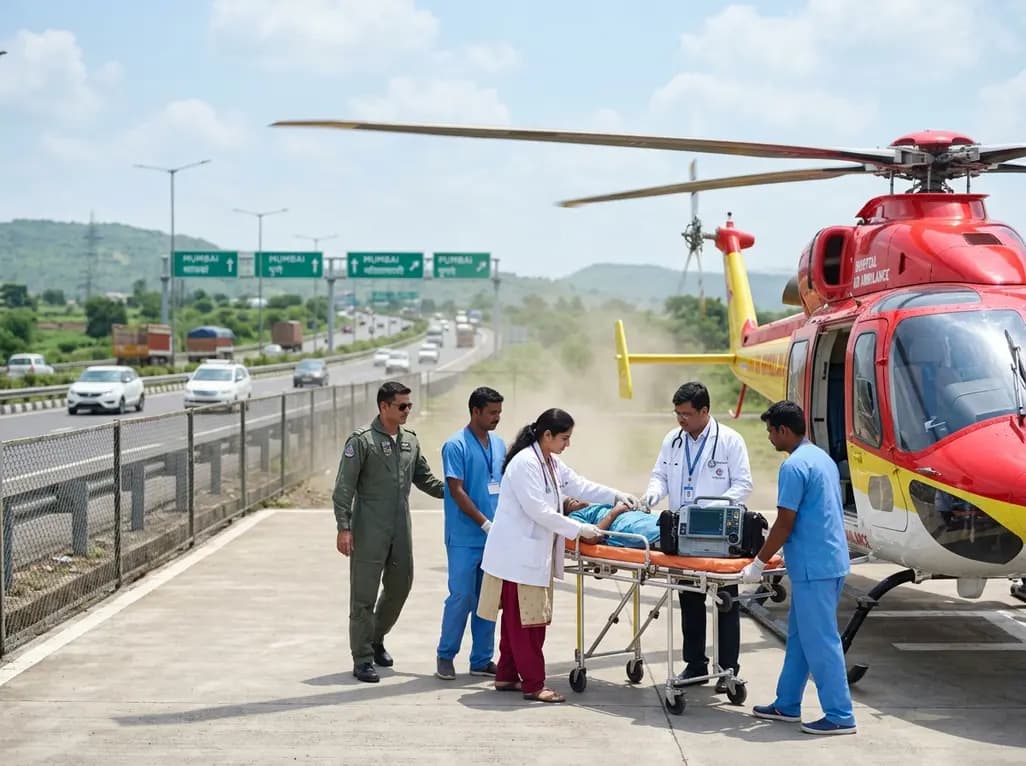
The state government is deploying helicopter emergency medical services across the Mumbai-Pune Expressway, Samruddhi Mahamarg, and Mumbai-Goa Highway. This initiative establishes unified standard operating procedures to enable rapid triage, advanced prehospital resuscitation, and seamless trauma care transfers.
Last week
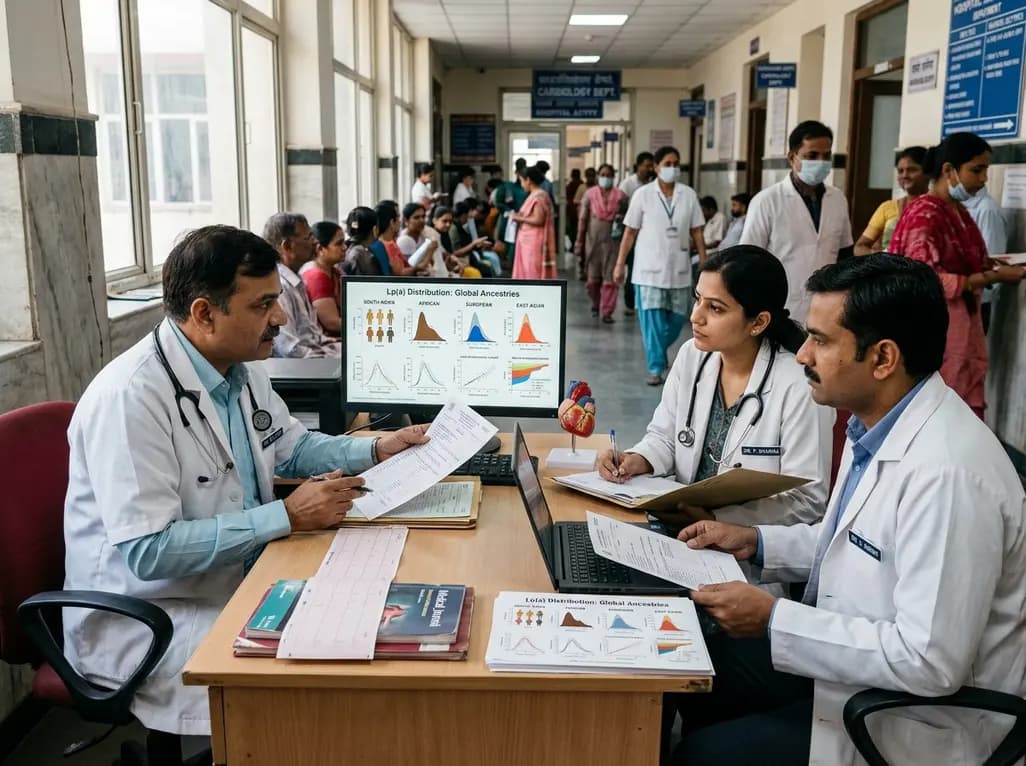
Atherosclerotic cardiovascular disease guidelines often rely on European-derived lipoprotein(a) cutoffs. However, baseline Lp(a) levels vary widely across ancestries, including South Asians and Africans. Clinicians must interpret Lp(a) values within overall absolute cardiovascular risk.
Last week
