.webp&w=384&q=75)

Loading, please wait...
Loading, please wait...
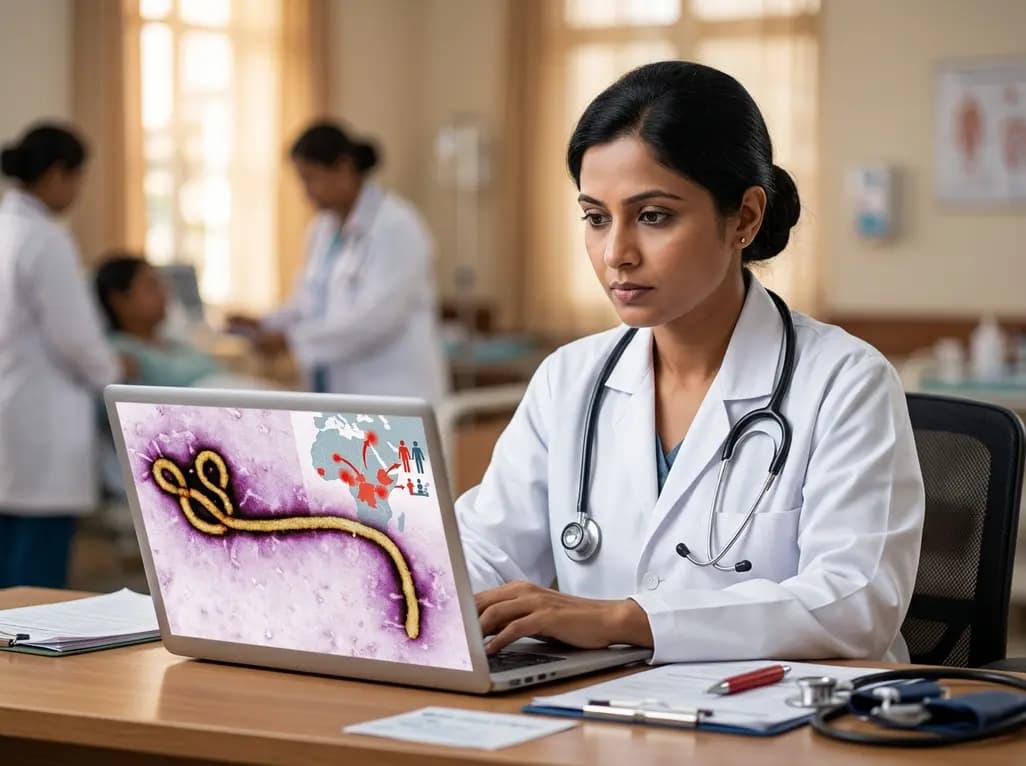
In May 2026, health authorities declared a highly concerning Bundibugyo Ebola outbreak in the Democratic Republic of the Congo [1]. Consequently, this crisis has quickly intensified into a major international health emergency. Therefore, clinicians globally must closely monitor this situation as local teams work tirelessly to contain the spread.
The current crisis primarily centers in the northeastern Ituri province, where a vast majority of the documented fatalities have occurred. Specifically, more than 83 percent of the deaths are concentrated within this highly vulnerable territory [1]. Health officials have confirmed over 1,400 cases of infection since the initial declaration of the disease [1]. Consequently, the regional case fatality rate has surpassed 31 percent, presenting a severe clinical challenge [1]. Because of ongoing regional insecurity and mass population displacements, assessing the true scale of the epidemic remains incredibly difficult. Furthermore, local medical facilities suffer from severe shortages of basic protective gear, clean water, and chlorine [1]. Meanwhile, front-line health workers must navigate complex security situations while trying to provide basic supportive care. Ultimately, the lack of resources combined with high patient volume complicates containment efforts in these remote health zones [1]. Additionally, epidemiological teams are struggling to trace contacts efficiently due to the fluid movement of the population across the province. Consequently, the risk of undetected community transmission remains extremely high, demanding immediate international intervention, enhanced epidemiological resources, and rapid logistical support.
Epidemics do not recognize geopolitical borders, and this outbreak is no exception to that rule [1]. Specifically, the virus has already spread beyond Ituri into the nearby provinces of North Kivu and South Kivu [1]. Moreover, health authorities recently identified a confirmed case in Kisangani, a major city of 1.5 million residents [1]. This urban case involved a pregnant woman whose relatives secretly transported her body by motorcycle [1]. Additionally, the neighboring nation of Uganda has confirmed multiple cases, including secondary infections in its capital city. Consequently, the World Health Organization declared this event a Public Health Emergency of International Concern. Neighboring countries, including South Sudan, have heightened their border surveillance to prevent further international spread. Nevertheless, global leaders have advised against imposing strict travel bans, which could isolate the region economically [1]. Instead, experts recommend strengthening cross-border coordination and screening at key transit points. Ultimately, coordinated regional surveillance is the most effective tool to halt the geographic progression of this highly dangerous pathogen. Furthermore, clinical surveillance teams must remain highly vigilant at all entry checkpoints.
Clinicians must understand that the pathogen responsible for this outbreak is the specific Bundibugyo ebolavirus species. Notably, this strain presents unique clinical and therapeutic challenges compared to the more common Zaire ebolavirus. Most importantly, there are currently no approved vaccines or species-specific monoclonal antibody treatments for the Bundibugyo variant. Consequently, standard countermeasures like the Ervebo vaccine offer no benefit in this specific scenario. Therefore, clinical management must rely primarily on optimized supportive care to improve patient survival rates. Specifically, aggressive intravenous fluid resuscitation, electrolyte monitoring, and symptom management represent the core of the medical response. Additionally, clinicians must actively screen for and treat common regional co-infections, such as malaria and bacterial sepsis. Because early symptoms of the disease are highly non-specific, rapid diagnostic testing remains absolutely critical for patient triage. Ultimately, strict adherence to infection prevention and control protocols within healthcare facilities is paramount to prevent deadly nosocomial transmission chains. Consequently, healthcare facilities must implement isolation zones immediately for any patients showing matching systemic symptoms.
In response to the clinical therapeutic vacuum, scientific organizations have rapidly mobilized resources to find solutions. Specifically, the World Health Organization recently initiated a clinical trial targeting this specific viral species. The trial will evaluate the efficacy of the monoclonal antibody MBP134 alongside the antiviral medication remdesivir [1]. Additionally, public health leaders remain optimistic about developing an effective vaccine specifically for this variant by the end of the year [1]. However, obtaining definitive data from these clinical trials will likely require several months of rigorous monitoring [1]. Meanwhile, health systems must maximize the deployment of existing supportive care protocols to keep mortality rates as low as possible. Furthermore, international partners are delivering essential medical supplies to the affected provinces to bolster hospital capacity. These deliveries include vital personal protective equipment, isolation tents, and specialized sanitization products [1]. Ultimately, while the scientific community works toward a pharmaceutical cure, robust public health measures remain the primary line of defense against the spreading virus. Therefore, donor nations must sustain funding to ensure these trials proceed without unnecessary clinical or logistical delays.
Beyond clinical challenges, medical teams face deep-seated local mistrust and significant socio-cultural barriers in the field [1]. For instance, some local populations deny the existence of the virus, viewing the medical response with suspicion [1]. Consequently, this mistrust sometimes escalates into violence, as seen when protesters recently burned a local health center [1]. During that incident, several suspected patients fled isolation, which significantly increased the risk of community-level transmission [1]. Additionally, traditional burial practices often involve direct contact with deceased victims, who remain highly infectious [1]. Because some families secretly transport bodies to perform traditional rites, containment efforts are severely compromised [1]. Therefore, community engagement is just as critical as medical intervention in bringing this outbreak under control. Public health workers must collaborate with local leaders to build trust and explain safe burial protocols. Furthermore, educational campaigns must address rumors and clarify that isolation centers are designed to save lives, not generate profits [1]. Ultimately, overcoming these cultural obstacles is essential to stopping the virus. Consequently, global health organizations are prioritizing local communication strategies to restore trust in clinical interventions.
Q1: What makes the Bundibugyo strain of the Ebola virus particularly challenging to manage clinically?
The Bundibugyo strain presents major hurdles because existing certified vaccines and monoclonal antibody treatments offer no clinical protection against this specific variant. Consequently, healthcare providers must rely entirely on optimized supportive therapies, including aggressive fluid resuscitation and electrolyte management. Additionally, early symptoms are highly non-specific, requiring rapid molecular diagnostics for effective patient triage and isolation.
Q2: How does community mistrust affect the public health response during this outbreak?
Deep mistrust among local populations severely hinders containment efforts and increases transmission risks [1]. Specifically, some communities deny the disease exists or suspect financial motives behind the medical response [1]. Consequently, this leads to resistance against safe burials and attacks on isolation centers [1]. Engaging local leaders and delivering transparent public education are essential steps to rebuild trust.
Q3: What clinical trials are currently underway to find treatments for this specific Ebola variant?
The World Health Organization has launched a scientific trial evaluating the monoclonal antibody MBP134 and the antiviral drug remdesivir for this variant. While these trials represent a major step forward, obtaining definitive clinical efficacy data will take several months [1]. Meanwhile, scaling up supportive care and distributing protective equipment remain the primary immediate clinical priorities.
Disclaimer: This content is for informational and educational purposes only. It does not constitute medical advice or replace professional judgment. Refer to the latest local and national guidelines for clinical practice.
References

Read summarized clinical updates, watch expert medical content, and earn CME certifications right from your smartphone.
Open your smartphone camera to scan and install.





The 2026 Ebola outbreak in the Democratic Republic of the Congo, driven by the Bundibugyo strain, has claimed over 400 lives. With no approved vaccine, health systems face major geographic spread, severe logistical deficits, clinical trial implementation, and complex socio-cultural barriers in local communities.
3 months ago
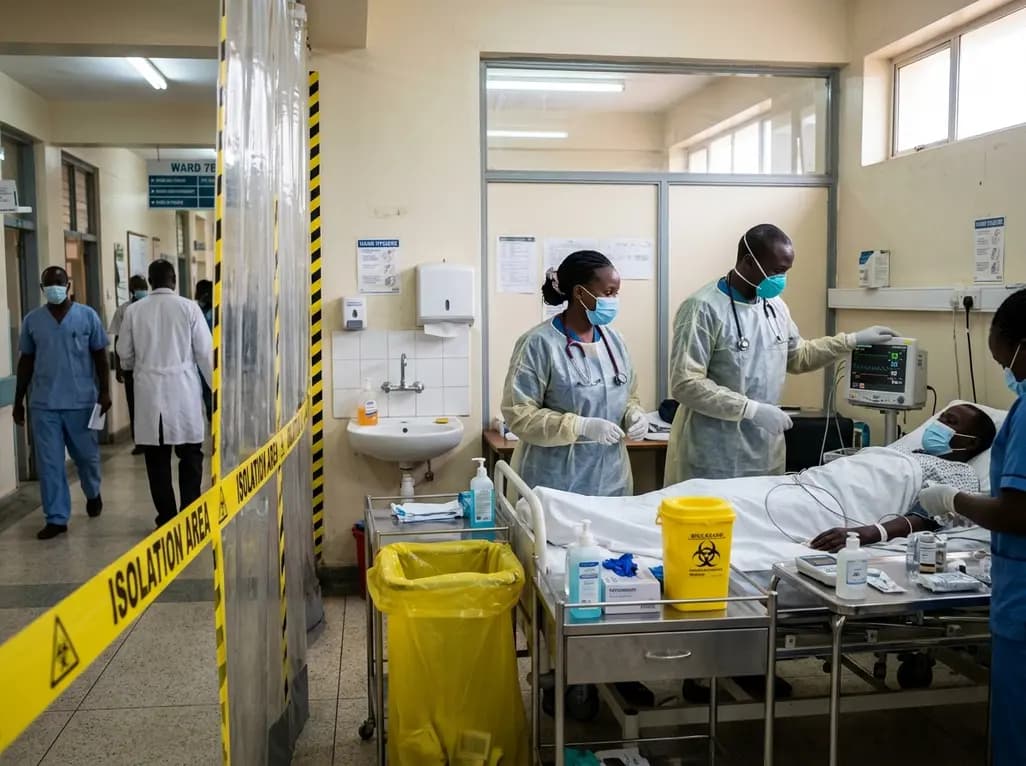
Kenya's confirmation of its eighth Ebola infection highlights the acute risk of secondary transmission in hospital environments. Clinicians must maintain high vigilance, enforce strict infection prevention protocols, and implement rapid triage mechanisms for viral hemorrhagic fevers across healthcare settings.
3 days back
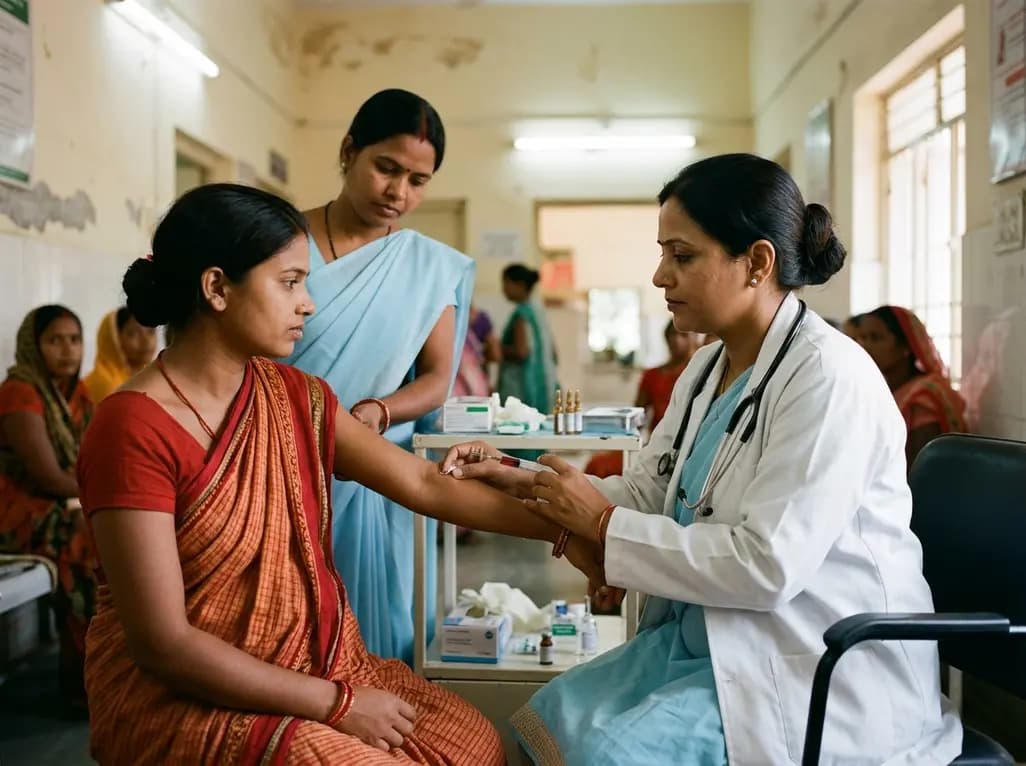
Maternal anaemia contributes to nearly half of pregnancy-related fatalities across India. To prevent complications, Uttar Pradesh has added single-dose parenteral iron to its essential medicines list. This clinical transition aims to restore haemoglobin rapidly and protect high-risk mothers across rural facilities.
Last week

India's food safety authority FSSAI has issued show-cause notices to Gemini Edibles, BigBasket, and Flipkart for unpermitted cardiovascular claims regarding Freedom Rice Bran Oil. This regulatory move highlights the strict enforcement of advertising standards and the clinical necessity of evidence-based lipid care.
5 days back
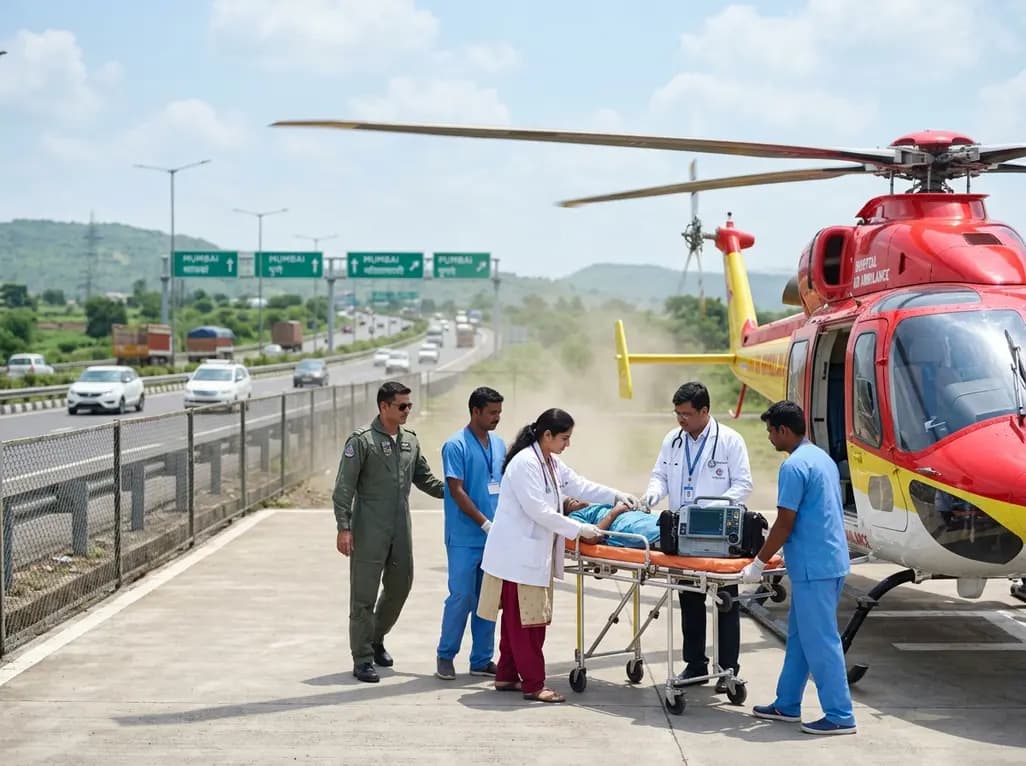
The state government is deploying helicopter emergency medical services across the Mumbai-Pune Expressway, Samruddhi Mahamarg, and Mumbai-Goa Highway. This initiative establishes unified standard operating procedures to enable rapid triage, advanced prehospital resuscitation, and seamless trauma care transfers.
Last week
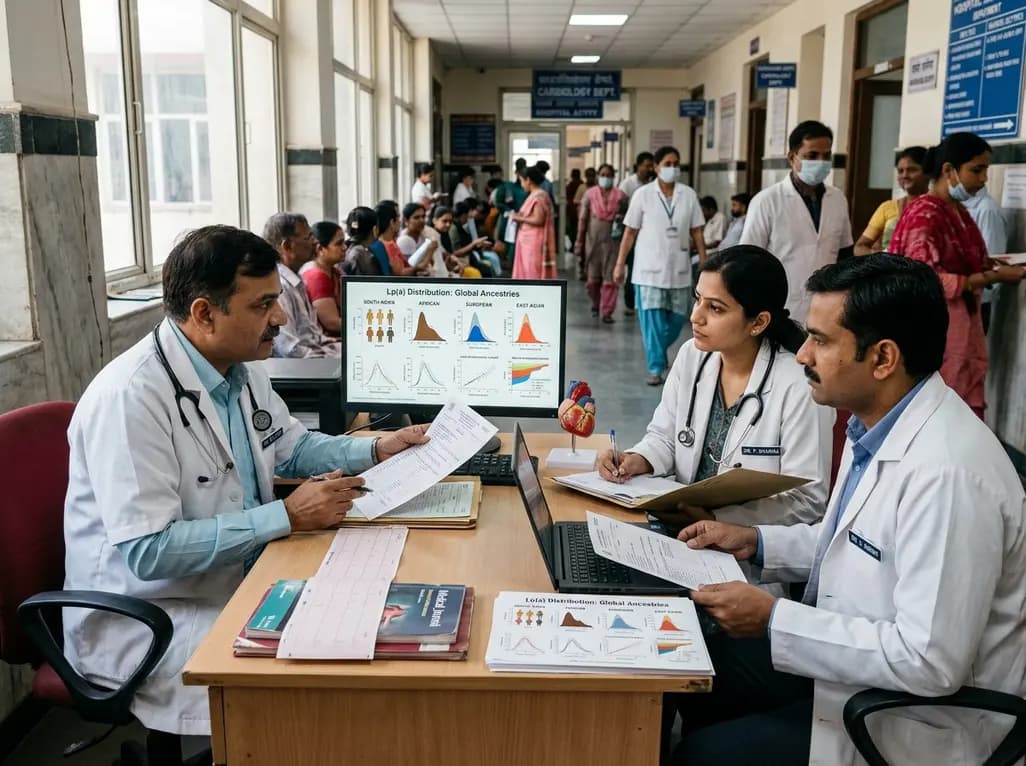
Atherosclerotic cardiovascular disease guidelines often rely on European-derived lipoprotein(a) cutoffs. However, baseline Lp(a) levels vary widely across ancestries, including South Asians and Africans. Clinicians must interpret Lp(a) values within overall absolute cardiovascular risk.
Last week
