.webp&w=384&q=75)

Loading, please wait...
Loading, please wait...
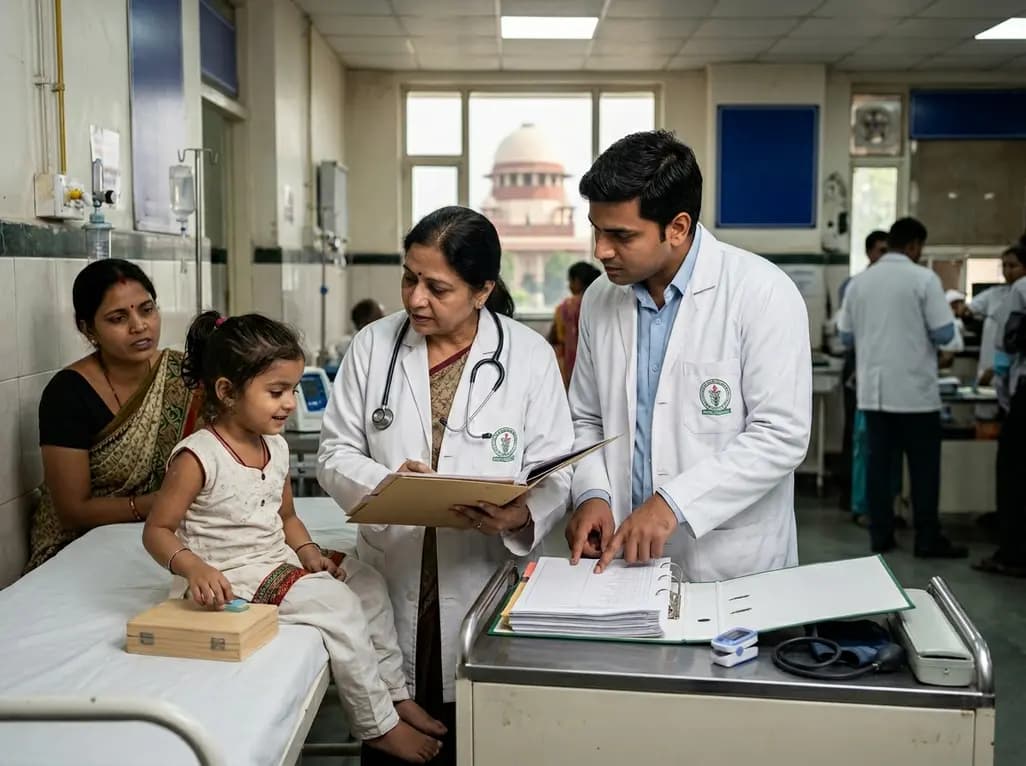
The Delhi High Court recently heard a case of a three-year-old child diagnosed with LRBA deficiency. Consequently, this case highlights the strict criteria for rare disease financial assistance under the NPRD 2021. Specifically, the Union Government opposes the child's plea because her condition does not appear on the notified list. Therefore, she currently lacks access to lifesaving financial support.
LRBA deficiency represents a rare genetic immune disorder that severely impairs immune system regulation. As a result, patients experience recurrent life-threatening infections and severe multi-system autoimmune complications. Specialists at AIIMS Delhi and CMC Vellore confirmed this diagnosis using whole-genome sequencing. Ultimately, clinical experts concluded that an allogeneic hematopoietic stem cell transplant is the only curative option. However, this complex procedure costs approximately Rs 40 lakh, placing an immense burden on the family.
For instance, the NPRD 2021 framework provides substantial financial support up to Rs 50 lakh per patient. However, the policy limits this assistance to only 63 notified rare diseases. Furthermore, since the policy omits LRBA deficiency from this list, the government rejected the petitioner's funding request. Additionally, the Centre maintained that expanding the disease list is strictly a policy decision. Thus, judicial intervention cannot mandate changes to the current executive policy framework. In addition, the government noted that public health remains primarily under State Government jurisdiction.
Q1: What is LRBA deficiency?
LRBA deficiency is a rare and severe genetic immune disorder caused by mutations in the LRBA gene. It severely impairs immune regulation, leading to frequent infections, anemia, and autoimmune complications across multiple organs.
Q2: Why did the government deny funding under the NPRD 2021?
The Union Government denied assistance because LRBA deficiency is not currently among the 63 notified rare diseases covered under the National Policy for Rare Diseases (NPRD), 2021 framework.
Q3: What is the maximum financial aid available under NPRD 2021?
The National Policy for Rare Diseases provides financial support of up to Rs 50 lakh per eligible patient, with diagnostic and treatment requests routed through 15 designated Centres of Excellence.
Disclaimer: This content is for informational and educational purposes only. It does not constitute medical advice or replace professional judgment. Refer to the latest local and national guidelines for clinical practice.
References

Read summarized clinical updates, watch expert medical content, and earn CME certifications right from your smartphone.
Open your smartphone camera to scan and install.





A three-year-old child's petition for LRBA deficiency treatment highlights the strict limits of India's NPRD 2021. Since the genetic condition is not listed among the 63 notified diseases, the Centre has declined funding, arguing that policy expansion is an executive rather than a judicial decision.
4 months ago
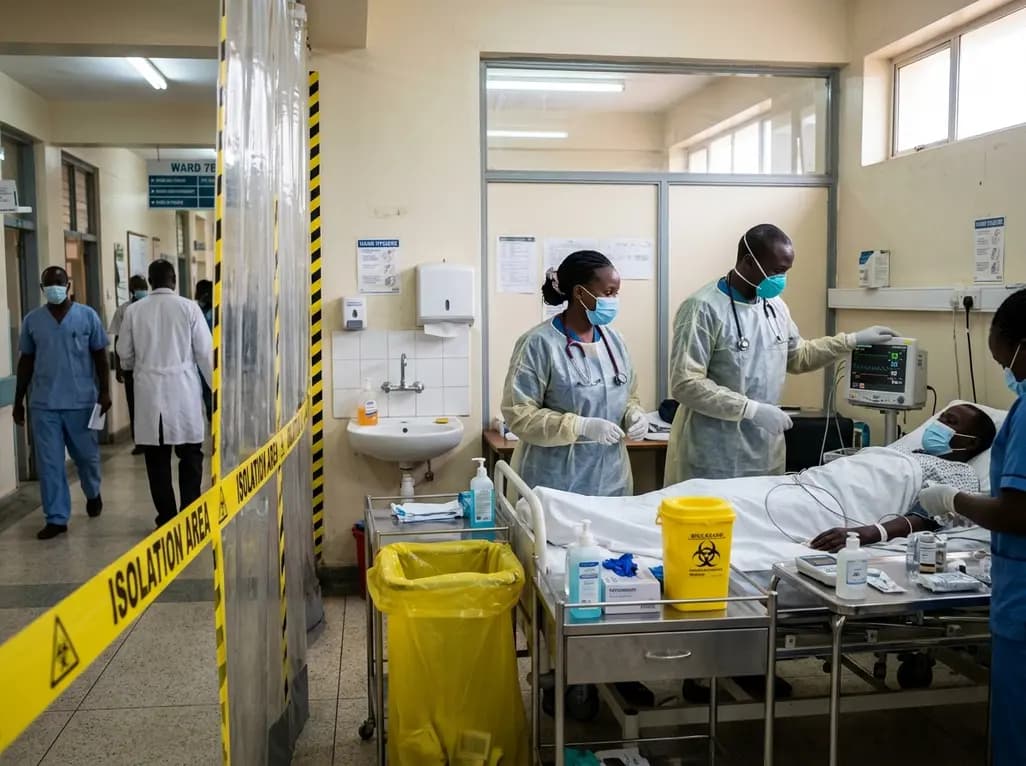
Kenya's confirmation of its eighth Ebola infection highlights the acute risk of secondary transmission in hospital environments. Clinicians must maintain high vigilance, enforce strict infection prevention protocols, and implement rapid triage mechanisms for viral hemorrhagic fevers across healthcare settings.
4 days back
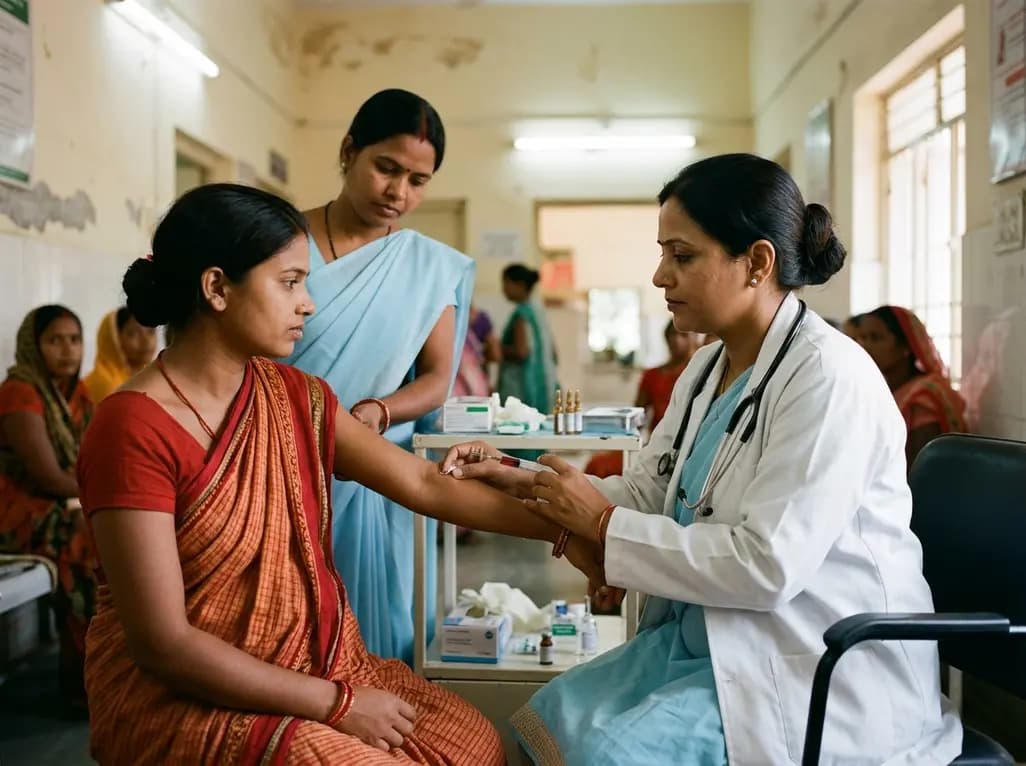
Maternal anaemia contributes to nearly half of pregnancy-related fatalities across India. To prevent complications, Uttar Pradesh has added single-dose parenteral iron to its essential medicines list. This clinical transition aims to restore haemoglobin rapidly and protect high-risk mothers across rural facilities.
Last week

India's food safety authority FSSAI has issued show-cause notices to Gemini Edibles, BigBasket, and Flipkart for unpermitted cardiovascular claims regarding Freedom Rice Bran Oil. This regulatory move highlights the strict enforcement of advertising standards and the clinical necessity of evidence-based lipid care.
6 days back
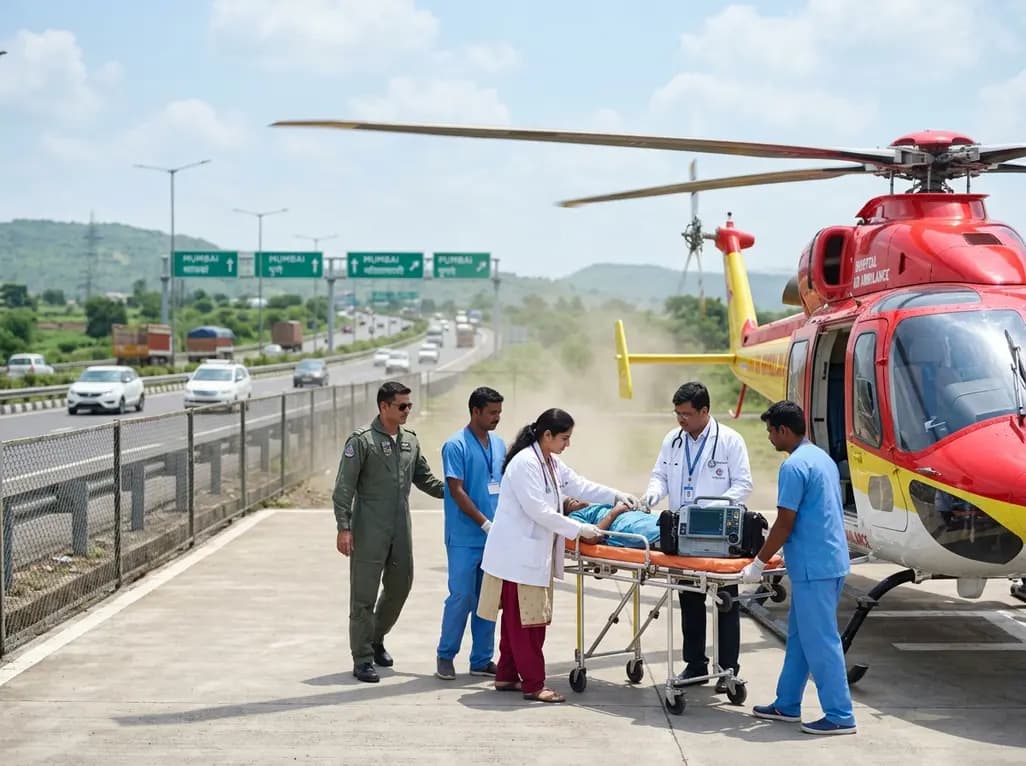
The state government is deploying helicopter emergency medical services across the Mumbai-Pune Expressway, Samruddhi Mahamarg, and Mumbai-Goa Highway. This initiative establishes unified standard operating procedures to enable rapid triage, advanced prehospital resuscitation, and seamless trauma care transfers.
Last week
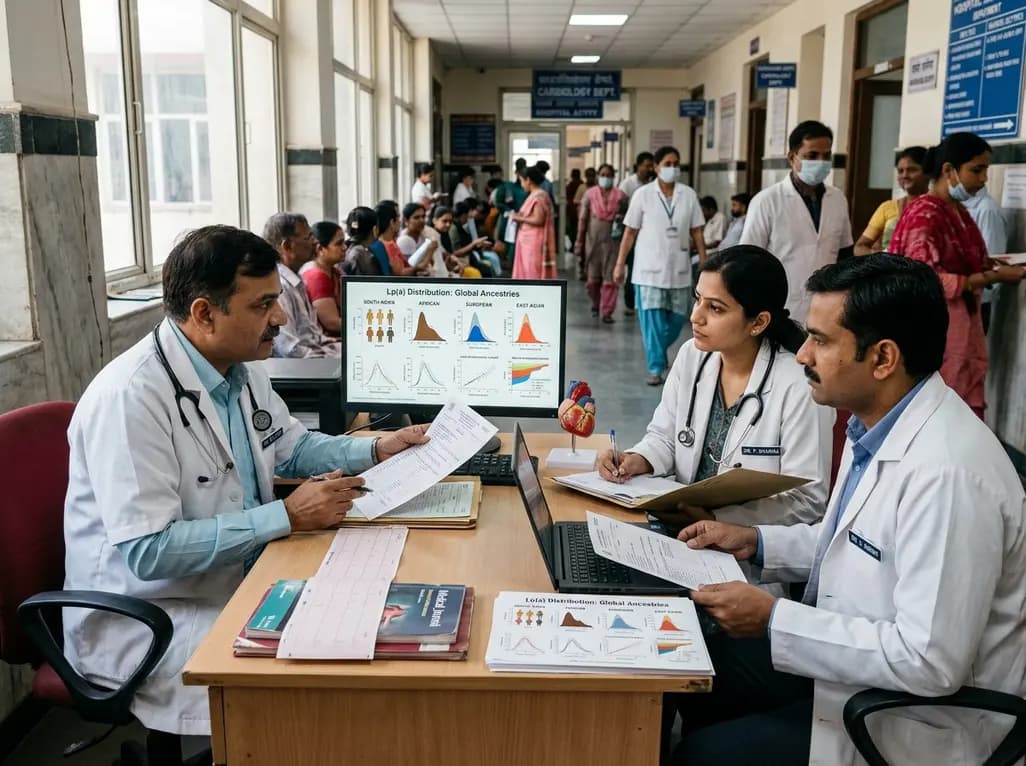
Atherosclerotic cardiovascular disease guidelines often rely on European-derived lipoprotein(a) cutoffs. However, baseline Lp(a) levels vary widely across ancestries, including South Asians and Africans. Clinicians must interpret Lp(a) values within overall absolute cardiovascular risk.
Last week
