.webp&w=384&q=75)

Loading, please wait...
Loading, please wait...
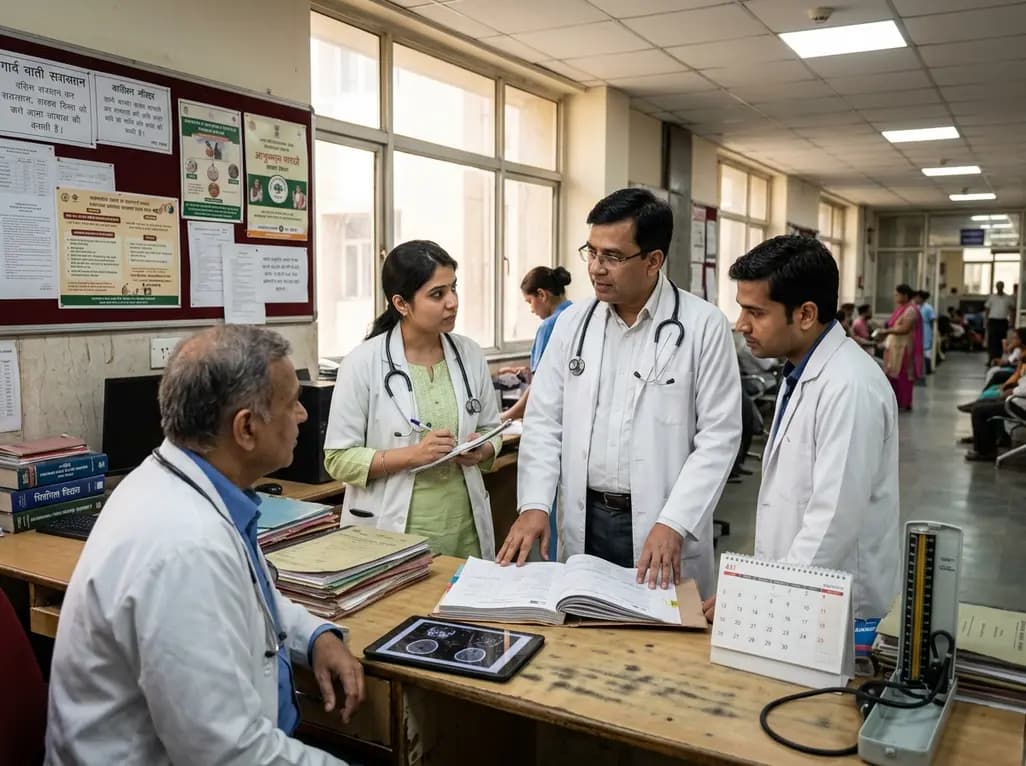
The Parliamentary Standing Committee on Health and Family Welfare has submitted a landmark report advocating for structural reforms across Indian private healthcare. Specifically, the panel recommended that corporate hospitals adopt a cross-subsidisation healthcare model to fund treatments for economically weaker patients. India has emerged as a premier global hub for medical tourism. Consequently, corporate medical institutions earn substantial foreign revenue. The committee noted that these gains must benefit citizens who cannot afford expensive tertiary procedures. High out-of-pocket medical expenditure continues to push millions of Indian families into poverty each year. Therefore, policymakers are emphasizing equity alongside commercial growth. Healthcare institutions receiving public subsidies, tax exemptions, and land concessions must actively fulfill their social commitments to underprivileged communities.
The parliamentary committee report provides a comprehensive roadmap for transforming accessibility and affordability across public and private medical facilities. Indeed, the committee acknowledged that India's private tertiary care sector has expanded rapidly in recent years. This growth is largely driven by advanced medical procedures, rising revenue per occupied bed, and international medical travel. However, private health insurance penetration remains low across most Indian states. Consequently, out-of-pocket spending remains a severe financial burden for vulnerable families. To address this widening disparity, the parliamentary panel proposed several key policy interventions. First, hospitals benefiting from foreign direct investment, concessional land, and tax breaks must share gains with poor patients. Furthermore, the committee called for capping room rents in metropolitan private hospitals at rates comparable to nearby three-star hotels. Additionally, standardising medical procedure packages and enhancing tariff transparency were strongly recommended. The committee emphasized that commercial expansion should not compromise public health equity. Therefore, regulatory frameworks must ensure that advanced tertiary procedures become accessible to indigent populations without creating unbearable financial distress.
A major highlight of the parliamentary report is the formal introduction of a structured cross-subsidisation healthcare model for corporate hospitals. Under this framework, medical institutions would direct a portion of revenues earned from international tourists and affluent domestic patients toward funding indigent care. Medical tourism in India has expanded into a multi-billion-dollar industry. High-value surgeries and premium healthcare packages generate substantial profits for major hospital chains. However, these facilities often benefit directly from government incentives, including reduced import duties and subsidised real estate. Therefore, the committee argued that corporate providers bear a clear ethical obligation to support local healthcare delivery. By earmarking profits from high-paying patients, hospitals can provide life-saving surgeries and specialized treatments to disadvantaged citizens for free or at heavily discounted rates. Furthermore, this financial model creates a sustainable ecosystem without placing an extra fiscal burden on the public treasury. Implementing this mechanism requires clear accounting guidelines, transparent reporting, and strict oversight by health authorities. Ultimately, cross-subsidisation can bridge the gap between world-class private medical infrastructure and impoverished patients requiring advanced care.
To guarantee access to advanced care, the panel urged private hospitals to reserve a mandatory percentage of beds under government health schemes. Currently, many corporate facilities allocate limited capacity for beneficiaries of Ayushman Bharat Pradhan Mantri Jan Arogya Yojana (PM-JAY). However, the committee recommended increasing mandatory bed reservations for Below Poverty Line and Economically Weaker Section patients from ten percent to twenty percent. Additionally, corporate hospitals must accept empanelled patients at standardized, regulated scheme package rates. In recent years, several private institutions have hesitated to empanel under PM-JAY due to lower reimbursement rates and payment delays. Nevertheless, the panel emphasized that hospitals accepting public concessions must participate in national health programs. Furthermore, hospital-level ethics committees should review professional fees to prevent arbitrary pricing and extra charges. By expanding PM-JAY bed allocations, economically weaker families can access high-end tertiary treatments at leading private medical centers. This initiative will also strengthen cooperation between public insurance frameworks and private clinical infrastructure, ensuring equitable distribution of medical resources.
Another critical issue addressed by the parliamentary committee is the uncontrolled inflation of private medical bills. Patient room tariffs in major metropolitan hospitals often resemble luxury hotel charges, contributing significantly to inflated medical bills. To curb these exorbitant costs, the panel proposed capping daily room charges at the average tariff of nearby three-star hotels. Moreover, the committee demanded the immediate implementation of standardized clinical treatment packages. Hospitals should publish complete fee structures and estimated procedure costs prior to patient admission. Furthermore, the panel recommended establishing a dedicated healthcare ombudsman to resolve billing disputes and investigate excessive charges. Interestingly, the report also suggested shifting healthcare services from GST-exempt status to zero-rated GST. This strategic change would enable private hospitals to claim input tax credits on medical equipment and infrastructure upgrades. Consequently, capital costs for healthcare providers would decrease, allowing savings to pass directly to patients through reduced treatment charges.
Healthcare infrastructure in India remains heavily concentrated in major metropolitan centers. Consequently, rural and semi-urban populations face immense difficulties when seeking specialized medical care. To rectify this geographic imbalance, the parliamentary panel proposed restructuring government financial incentives. Subsidised land allocations, tax exemptions, and foreign investment facilitation should become conditional upon private sector investment in tier-2, tier-3, and rural regions. Furthermore, the committee emphasized expanding public-private partnership models in underserved districts. By incentivizing corporate chains to establish satellite facilities outside urban hubs, advanced diagnostics and specialized care will become accessible closer to rural communities. Additionally, smaller regional hospitals require technical and financial support to upgrade their clinical capabilities. The panel also recommended creating autonomous, publicly managed multispecialty hospitals in every revenue division. This multi-pronged approach reduces the need for long-distance patient travel, alleviates overcrowding in urban government hospitals, and promotes balanced healthcare distribution across the country.
Q1: What is the cross-subsidisation healthcare model recommended by the parliamentary panel?
The cross-subsidisation healthcare model uses revenue generated from international medical tourists and affluent private patients to fund medical care for economically weaker sections. Under this framework, corporate hospitals benefiting from government land subsidies, tax exemptions, and foreign direct investment allocate a portion of their profits to provide free or low-cost advanced tertiary treatment to indigent domestic patients.
Q2: How does the committee propose to make private hospital billing more transparent?
The panel recommended standardising procedure package rates and capping room charges in metropolitan cities at average tariffs of nearby three-star hotels. Additionally, hospitals must publish clear tariff schedules before patient admission and provide upfront cost estimates. The committee also proposed establishing a fast-track ombudsman mechanism to investigate billing disputes, audit excessive charges, and protect patients from arbitrary healthcare pricing.
Q3: What changes are proposed for Ayushman Bharat PM-JAY empanelment in private hospitals?
The parliamentary committee recommended increasing mandatory bed reservations for Economically Weaker Section and Ayushman Bharat PM-JAY beneficiaries from ten percent to twenty percent in corporate hospitals. Furthermore, these facilities must offer advanced medical care at standardized, government-regulated package rates, ensuring that low-income families gain equitable access to high-quality tertiary procedures in private medical institutions.
Disclaimer: This content is for informational and educational purposes only. It does not constitute medical advice or replace professional judgment. Refer to the latest local and national guidelines for clinical practice.
References

Read summarized clinical updates, watch expert medical content, and earn CME certifications right from your smartphone.
Open your smartphone camera to scan and install.





A Parliamentary Standing Committee has recommended leveraging revenues from medical tourism and high-paying patients to subsidise tertiary healthcare for economically weaker sections in India. The proposal urges corporate hospitals to adopt cross-subsidisation, reserve insurance beds, and cap treatment costs.
last month
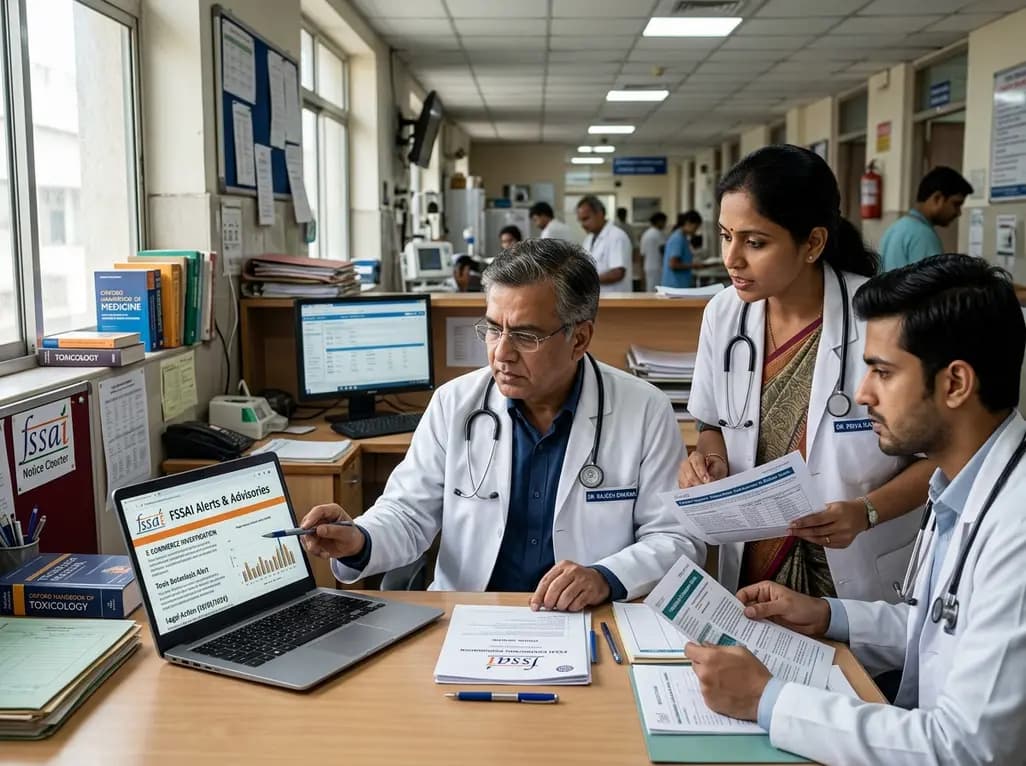
India's apex food regulator has launched legal proceedings against top digital retail platforms for distributing hazardous botanical substances and misbranded consumer goods. Discover the regulatory breaches, clinical toxicity risks, and key implications for healthcare providers across the country.
3 days back
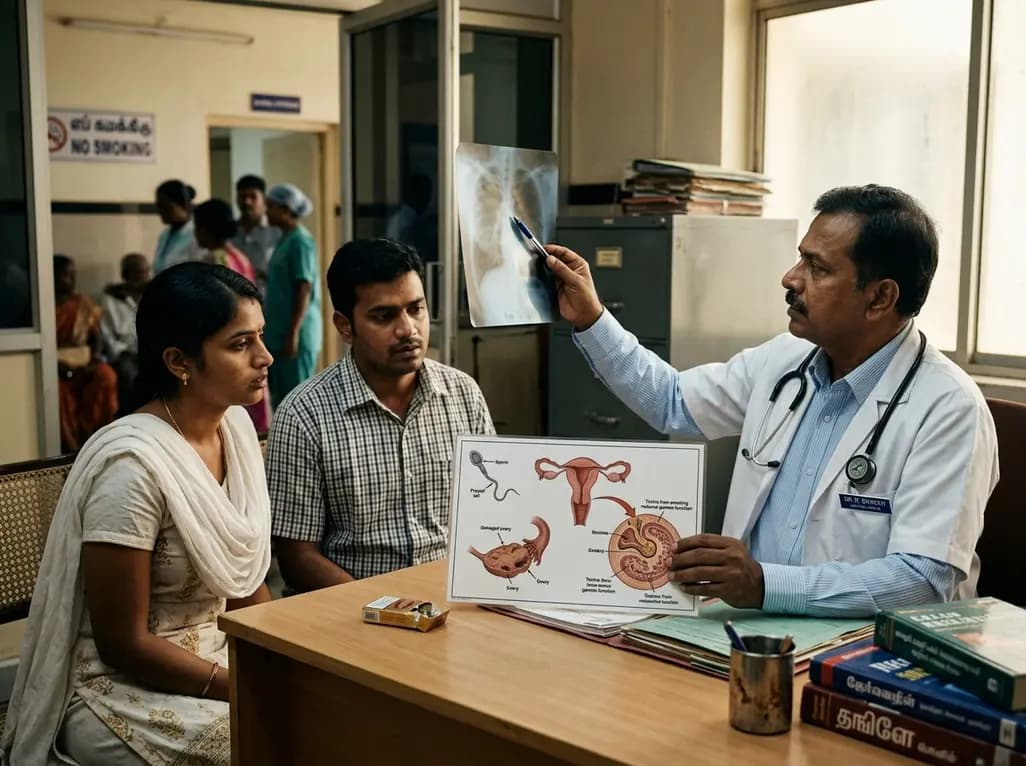
A global knowledge summary from the World Health Organization warns that tobacco smoking significantly increases infertility risks in women and causes substantial sperm and erectile dysfunction in men. Fortunately, quitting smoking substantially lowers these risks, providing clear reproductive benefits.
Last week
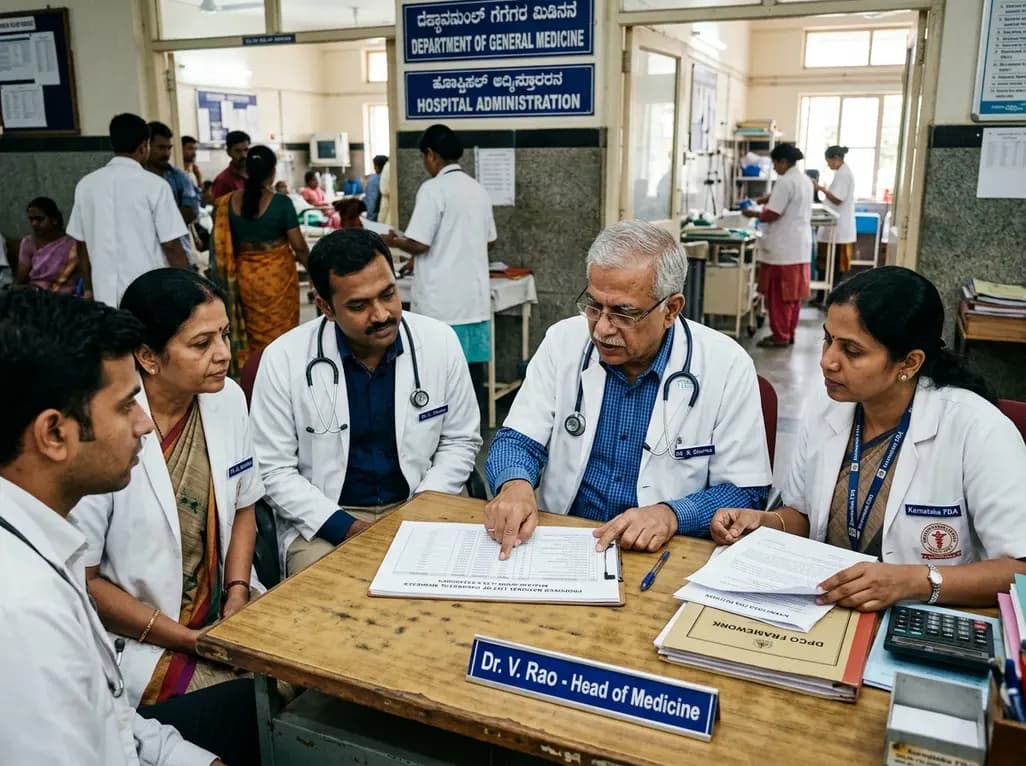
To curb crushing healthcare expenses, Karnataka's Food Safety and Drugs Administration has formally petitioned central authorities to institute a dedicated National List of Essential Medical Devices under the DPCO framework, establishing uniform price ceilings across twenty-four vital clinical categories.
3 days back
Nearly 80% of Indians suffer from inadequate Vitamin D, causing silent bone weakening and sudden fractures. This expert guide reviews why mega-dose therapy is critical for high-risk patients, the key factors driving widespread deficiency, and the mandatory medical evaluations needed to protect skeletal health.
3 months ago
A nationwide mixed-methods study evaluated hospital glycemic management systems across 265 hospitals. While real-time alerts and automatic data sync are highly valued, significant disparities in digital maturity and low satisfaction with decision support highlight the need for standardized implementation.
4 weeks back
