.webp&w=384&q=75)

Loading, please wait...
Loading, please wait...
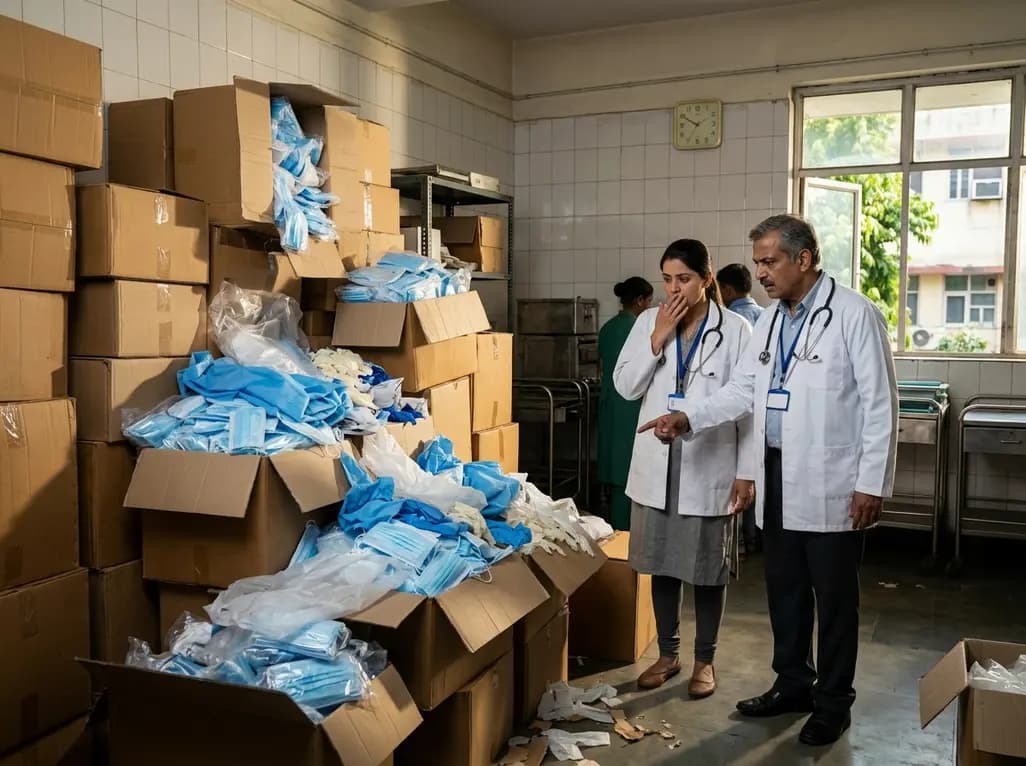
The recent UK Covid-19 Inquiry, chaired by Baroness Heather Hallett, exposed monumental failures in pandemic preparedness. Specifically, the inquiry revealed that flawed Covid PPE procurement led the British government to waste nearly £9.9 billion. Consequently, this write-off represents approximately two-thirds of the total £14.9 billion spent during the crisis. The country entered this unprecedented health crisis with inadequate stockpiles. Furthermore, it possessed an emergency procurement system that was totally ill-prepared for the massive surge in global demand. Consequently, frontline medical professionals faced severe shortages. Ultimately, this report serves as a critical warning for health administrators worldwide. Therefore, analyzing these supply chain flaws is essential.
At the onset of the pandemic, the UK's national stockpile of protective equipment was in a perilous condition. Specifically, only one-third of England's face mask stockpile was usable when the crisis began. Meanwhile, Scotland completely lacked high-grade hospital respirator masks. Consequently, officials could not quickly supply protective gear to frontline workers. Historically, planning had assumed an influenza-like pandemic rather than a coronavirus outbreak. Therefore, health officials never adequately stress-tested existing plans for prolonged respiratory protection. Moreover, large quantities of stockpiled equipment had simply expired without being replaced. Ultimately, this stockpile failure forced governments into a frantic global race for supplies. Additionally, many administrative bodies failed to coordinate their inventory counts. Thus, national systems remained blind to their actual capacities for weeks. Furthermore, this internal communication breakdown crippled the initial response. As a result, hospitals operated with highly variable safety equipment, increasing panic among local healthcare teams.
Because the UK possessed no functional emergency procurement plans, officials had to improvise new systems under immense pressure. Consequently, the government launched a massive call to arms in April 2020, quickly deluging the system with over 25,000 offers. However, the civil service lacked the infrastructure to process this sudden mountain of data. Therefore, the evaluation of potential suppliers became slow and highly chaotic. Additionally, officials had to compete directly against other nations in a volatile global market. Consequently, they often purchased low-quality products at highly inflated prices to secure immediate delivery. Furthermore, the lack of pre-existing contracts with reliable manufacturers hindered rapid scaling. Ultimately, the system could not withstand the sudden bullwhip effect in the supply chain. Moreover, the rushed decision-making process frequently bypassed standard quality assurance protocols. For instance, massive shipments of equipment arrived only to be deemed entirely unusable. Nevertheless, administrative staff worked tirelessly to manage these difficult, untested systems.
A highly controversial aspect of the crisis was the implementation of a high-priority procurement route. Specifically, this "VIP lane" fast-tracked Covid PPE procurement offers referred by political figures. Consequently, Baroness Hallett described this mechanism as a misguided attempt at prioritization. Moreover, she concluded that this pathway embedded unfairness into the public system by giving preferential treatment to suppliers with political connections. Consequently, this policy severely undermined public trust during a critical national emergency. Additionally, the VIP lane was inherently biased toward well-connected individuals who had no previous healthcare manufacturing experience. As a result, officials awarded massive contracts to inexperienced firms, leading to significant quality issues and major financial waste. Ultimately, billions of pounds went to suppliers whose products became useless because they failed to meet safety standards. Furthermore, the government spent £143 million on ventilator designs that never entered production. Consequently, political interference in public health procurement led to disastrous clinical outcomes.
The severe shortage of functional protective equipment had direct, devastating consequences for clinical staff. Specifically, frontline NHS doctors and nurses had to treat patients without adequate respiratory masks or gowns. Consequently, this exposed medical teams to extremely high viral loads during the early waves of the pandemic. Furthermore, the government essentially abandoned non-acute facilities like care homes, general practices, and pharmacies. Because they received no centralized support, they had to source their own protective equipment, which the inquiry described as a catastrophic error. Consequently, many vulnerable elderly residents and care workers contracted the virus unnecessarily. Additionally, the lack of quality-controlled gear compromised staff safety. Therefore, this procurement failure directly contributed to high infection rates among healthcare professionals. Ultimately, clinical leaders must advocate for robust stockpiles to protect their workforce in future health crises. Consequently, the medical community experienced profound moral injury and psychological distress due to these avoidable administrative oversights.
To prevent similar catastrophic waste and safety failures, the inquiry recommended a radical overhaul of emergency systems. Specifically, it urged the implementation of resilient supply chains that do not rely solely on foreign imports. Therefore, developing a robust domestic manufacturing strategy for critical healthcare equipment is essential. Consequently, this will allow nations to scale production rapidly during sudden global shortages. Furthermore, national stockpiles must be actively managed, rotated, and audited regularly to prevent equipment expiration. The report also emphasized that emergency procurement must remain transparent, objective, and insulated from political influence. Specifically, high-priority lanes for politically connected suppliers must never be utilized again. Additionally, public health planning must incorporate rigorous stress tests that simulate severe pandemics. Ultimately, these systemic improvements require sustained financial investment. Consequently, healthcare administrations should establish mutual aid treaties for emergency resource sharing. Such proactive measures will ensure equitable distribution of lifesaving devices during global emergencies.
Q1: Why did the UK waste £9.9 billion on Covid PPE during the pandemic?
The UK wasted this vast sum because it entered the pandemic with severely depleted and expired stockpiles. Consequently, officials had to make emergency, improvised purchases in a highly competitive and volatile global market. This led to acquiring substandard equipment that failed safety checks, paying highly inflated prices, and purchasing massive quantities of items that ultimately expired unused. Flawed procurement strategies further amplified these massive losses.
Q2: What was the "VIP lane" in Covid PPE procurement and why was it criticized?
The "VIP lane" was a high-priority procurement pathway introduced in April 2020 to fast-track PPE offers recommended by politicians and senior officials. However, the inquiry criticized this system because it embedded unfairness and gave preferential treatment to suppliers with political connections. Consequently, this policy severely undermined public trust and led to major contracts being awarded to inexperienced firms, resulting in substandard products and immense waste.
Q3: What are the main recommendations of the UK Covid-19 Inquiry regarding healthcare procurement?
The inquiry recommended a radical overhaul of emergency procurement and distribution systems to ensure transparency and prevent political bias. Additionally, it advised developing a robust domestic manufacturing strategy for critical healthcare equipment to reduce reliance on foreign imports. Finally, it urged governments to establish active stockpile management, rotate medical supplies regularly, and conduct rigorous, stress-tested pandemic planning to protect healthcare workers in future public health emergencies.
Disclaimer: This content is for informational and educational purposes only. It does not constitute medical advice or replace professional judgment. Refer to the latest local and national guidelines for clinical practice.
References

Read summarized clinical updates, watch expert medical content, and earn CME certifications right from your smartphone.
Open your smartphone camera to scan and install.





The UK Covid-19 Inquiry has revealed that a staggering £9.9 billion was wasted on personal protective equipment due to severe stockpiling and procurement failures. Explore the lessons from the VIP lane and recommendations for future crisis preparedness.
3 months ago
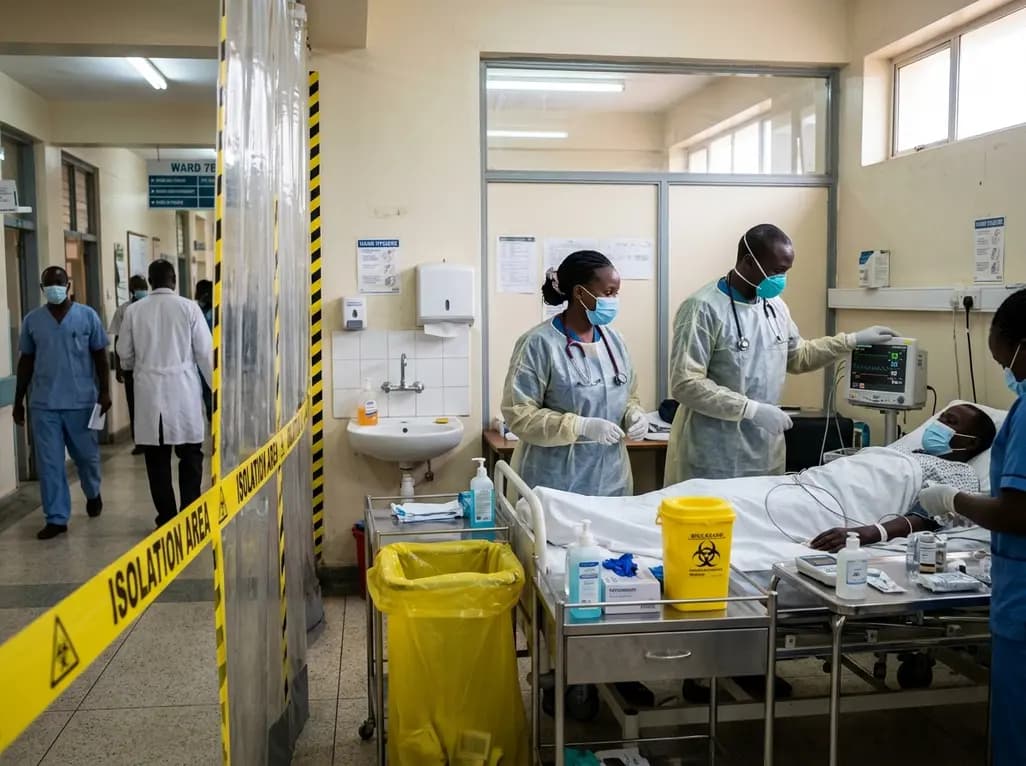
Kenya's confirmation of its eighth Ebola infection highlights the acute risk of secondary transmission in hospital environments. Clinicians must maintain high vigilance, enforce strict infection prevention protocols, and implement rapid triage mechanisms for viral hemorrhagic fevers across healthcare settings.
4 days back
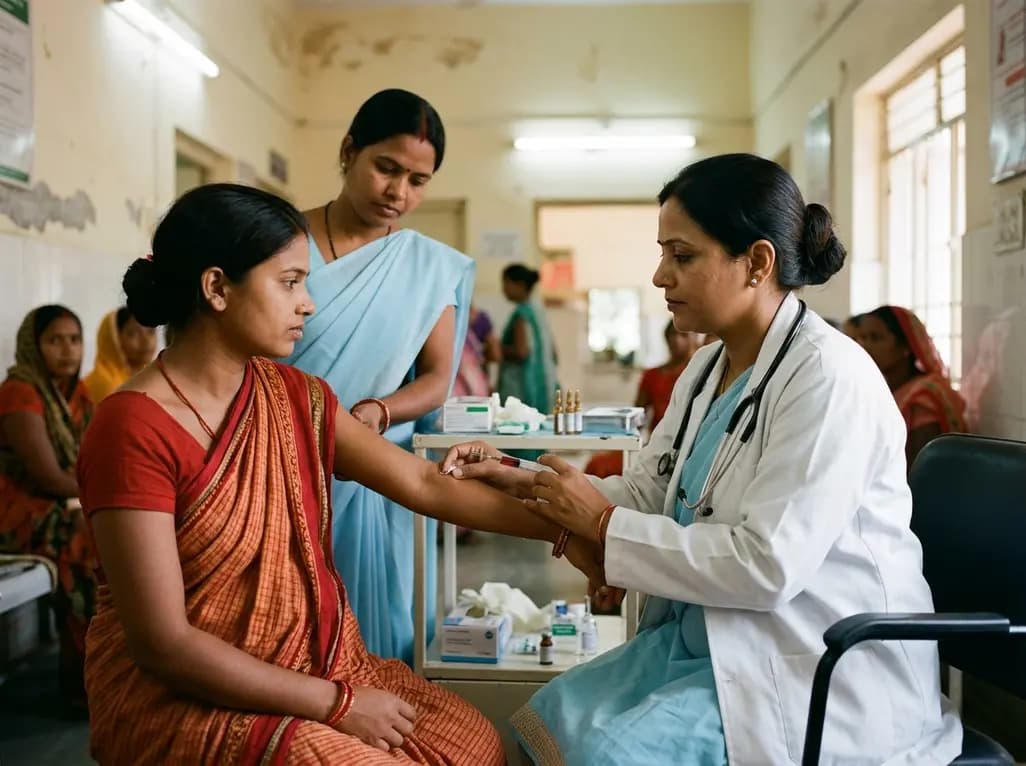
Maternal anaemia contributes to nearly half of pregnancy-related fatalities across India. To prevent complications, Uttar Pradesh has added single-dose parenteral iron to its essential medicines list. This clinical transition aims to restore haemoglobin rapidly and protect high-risk mothers across rural facilities.
Last week

India's food safety authority FSSAI has issued show-cause notices to Gemini Edibles, BigBasket, and Flipkart for unpermitted cardiovascular claims regarding Freedom Rice Bran Oil. This regulatory move highlights the strict enforcement of advertising standards and the clinical necessity of evidence-based lipid care.
6 days back
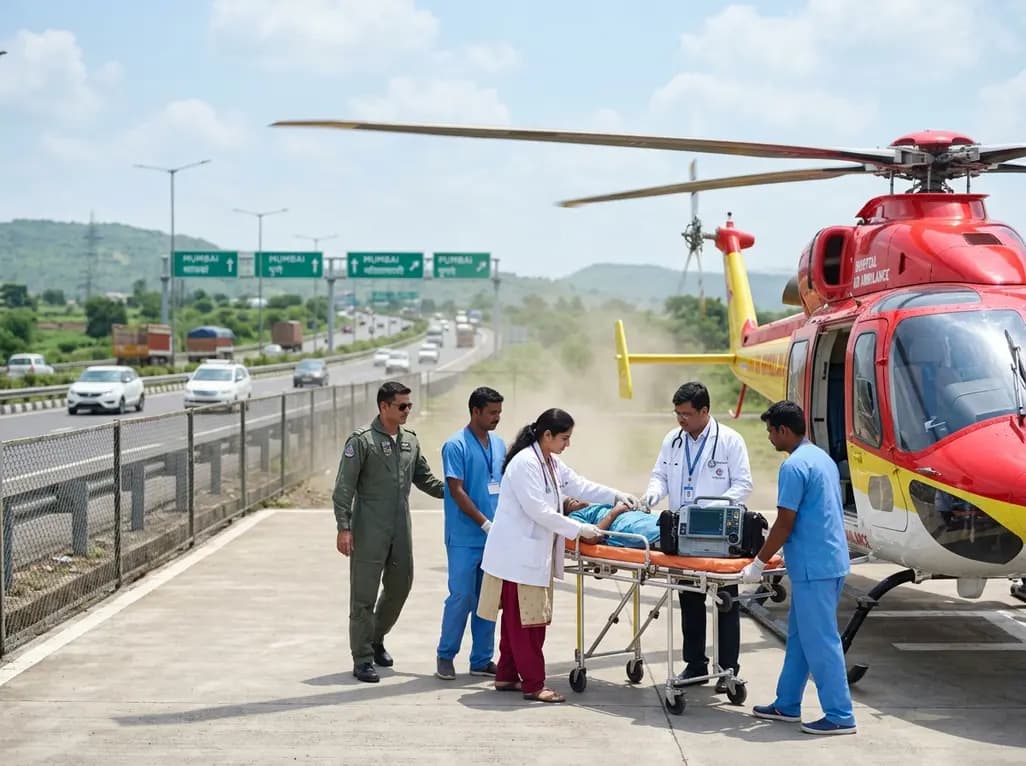
The state government is deploying helicopter emergency medical services across the Mumbai-Pune Expressway, Samruddhi Mahamarg, and Mumbai-Goa Highway. This initiative establishes unified standard operating procedures to enable rapid triage, advanced prehospital resuscitation, and seamless trauma care transfers.
Last week
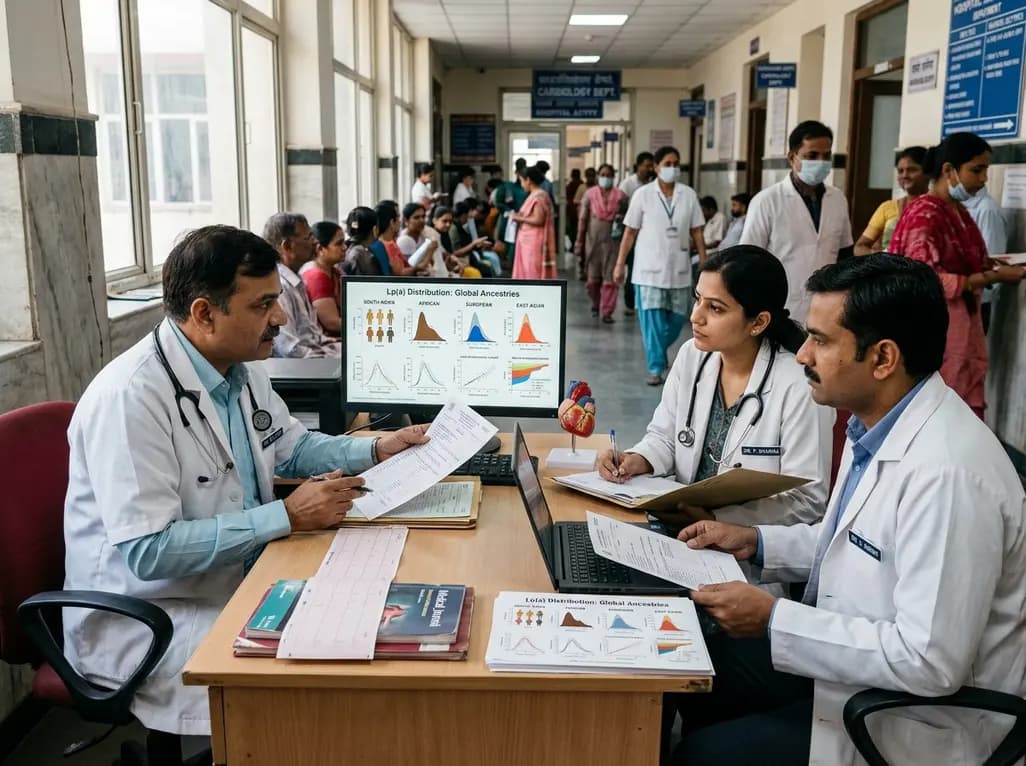
Atherosclerotic cardiovascular disease guidelines often rely on European-derived lipoprotein(a) cutoffs. However, baseline Lp(a) levels vary widely across ancestries, including South Asians and Africans. Clinicians must interpret Lp(a) values within overall absolute cardiovascular risk.
Last week
