.webp&w=384&q=75)

Loading, please wait...
Loading, please wait...
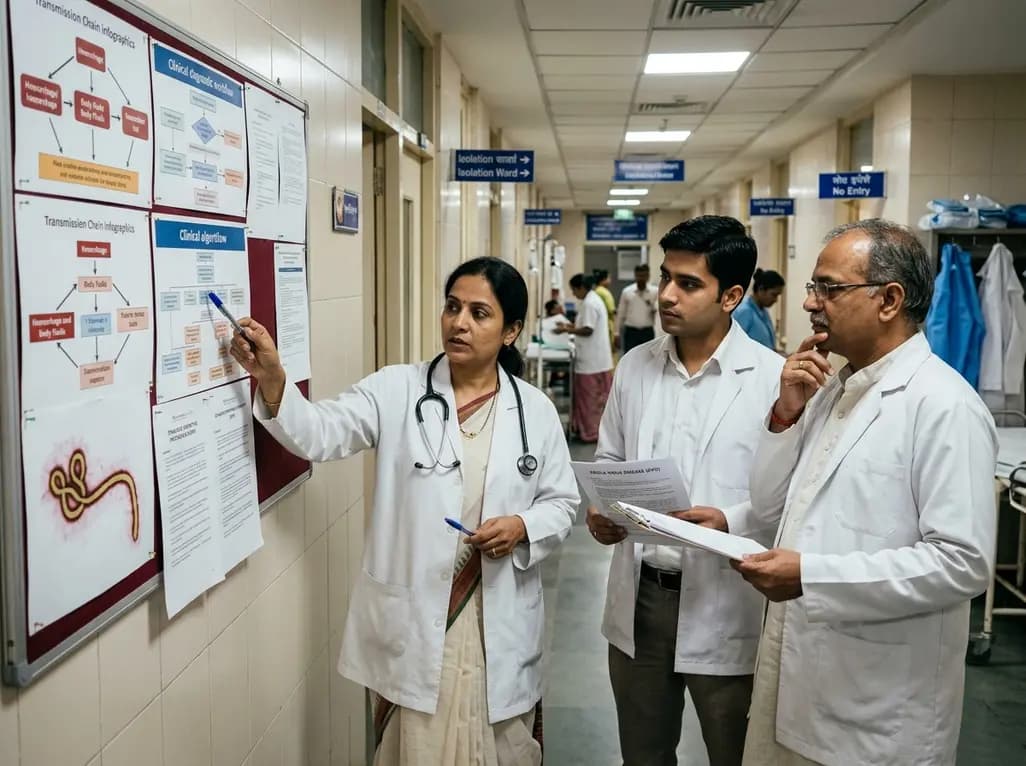
The recent identification of a fatal viral hemorrhagic case in the Democratic Republic of the Congo underscores the persistent threat of Ebola virus disease. Health authorities confirmed that a motorcycle taxi driver succumbed to the infection in Bas-Uele province after traveling from Haut-Uele. Crucially, Haut-Uele had already documented over one hundred confirmed cases during the ongoing seventeenth outbreak. The deceased patient sought care across multiple healthcare facilities before death, creating serious exposure risks among local transport operators and clinical personnel. Consequently, medical practitioners worldwide must maintain active surveillance for viral hemorrhagic fevers, particularly when assessing individuals with relevant international travel histories.
The ongoing epidemic in the Democratic Republic of Congo represents the second-largest outbreak on record, surpassed only by the devastating West African crisis. Historically, the virus circulates within animal reservoirs, particularly fruit bats, before spilling into human populations through bushmeat handling or direct exposure. Human-to-human spread subsequently drives rapid amplification within dense community networks and under-resourced healthcare centers. In this recent event, the index patient traveled extensively between administrative zones while actively symptomatic. Consequently, this mobility facilitated direct physical contact with transport colleagues and clinical staff across various healthcare delivery points. When local peers attempted to retrieve the deceased patient's body, community-level exposure risks escalated significantly, necessitating urgent police and public health intervention. Unsafe burial practices and community retrieval of deceased persons remain notorious super-spreading events in filovirus outbreaks. Therefore, epidemiological teams must rapidly deploy contact tracing to identify and monitor all first-generation and second-generation contacts for twenty-one days. Additionally, public health authorities will not classify a new province as an active transmission zone until epidemiological investigations verify autochthonous spread. Nevertheless, high cross-border and inter-provincial mobility constantly threatens regional containment efforts.
Recognizing the diverse clinical manifestations of Ebola virus disease is vital for rapid triage and isolation. The pathogen exhibits an incubation period ranging from two to twenty-one days, during which individuals remain completely asymptomatic and non-infectious. However, symptom onset occurs abruptly, typically beginning with non-specific constitutional signs that closely resemble endemic tropical infections such as malaria, typhoid fever, and dengue. Initially, patients present with high-grade fever, severe fatigue, diffuse myalgia, debilitating arthralgia, and persistent cephalalgia. As the illness progresses into the gastrointestinal phase, individuals develop profuse watery diarrhea, intractable vomiting, and severe abdominal cramping. Furthermore, profound fluid losses quickly precipitate severe electrolyte derangements, hypovolemia, and acute kidney injury. In advanced or severe stages, vascular permeability and coagulopathy induce multi-organ dysfunction syndrome. Although hemorrhagic phenomena do not occur in every infected individual, late-stage manifestations often include epistaxis, hematemesis, melena, mucosal oozing, and petechial rashes. Neurological involvement may also emerge, presenting as profound encephalopathy, confusion, restlessness, and seizures. Clinicians must remember that case fatality rates historically range between twenty-five and ninety percent without rapid intervention. Therefore, prompt clinical suspicion based on exposure history and early constitutional signs remains decisive.
Prompt laboratory confirmation is essential because clinical differentiation between viral hemorrhagic fevers and common febrile illnesses remains exceptionally challenging. Clinicians must maintain a high index of suspicion whenever a patient presents with unexplained fever and a relevant travel history within the preceding three weeks. When managing a suspected case, medical personnel must immediately initiate isolation protocols before performing invasive diagnostic sampling. Reverse transcriptase polymerase chain reaction stands as the gold standard diagnostic modality, detecting viral RNA within whole blood or serum specimens during acute viremia. In addition, antigen-capture enzyme-linked immunosorbent assays provide valuable secondary confirmation. However, all biological specimens collected from suspected patients present an extreme biohazard risk to healthcare personnel and laboratory staff. Consequently, diagnostic teams must handle non-inactivated samples strictly under biosafety level four containment conditions or utilizing validated field-deployable automated containment systems. Furthermore, personnel transporting non-inactivated biological materials must strictly utilize international triple-packaging systems to prevent accidental spillage or exposure. Simultaneously, clinicians should not overlook concurrent diagnostic testing for treatable tropical pathogens like Plasmodium falciparum. Rapid automated testing allows clinicians to rule out routine differentials while maintaining stringent biosecurity safeguards.
Rigorous infection prevention and control frameworks represent the cornerstone of breaking transmission chains in healthcare settings. Because the virus transmits through direct contact with infectious blood, body fluids, organs, or contaminated fomites, strict barrier nursing is mandatory. Healthcare workers attending to suspected or confirmed individuals must consistently wear specialized personal protective equipment, including fluid-resistant coveralls, double gloving, respirators or face shields, and impervious boots. Moreover, medical facilities must establish dedicated isolation units with unidirectional airflow, distinct donning and doffing zones, and dedicated waste decontamination autoclaves. In community settings, response agencies deploy the proven ring vaccination strategy alongside comprehensive contact tracing. By administering recombinant vesicular stomatitis virus-based vaccines to primary contacts and healthcare workers, public health teams create protective immunological barriers around active clusters. Additionally, risk communication teams must actively engage local communities to demystify clinical procedures and discourage unsafe traditional burial ceremonies. Decontamination teams must sanitize all transit vehicles and clinical equipment exposed to symptomatic individuals using appropriate sodium hypochlorite solutions. Through coordinated institutional hygiene, robust personal protection, and rapid community engagement, health networks can prevent localized introductions from evolving into widespread urban outbreaks.
Although viral hemorrhagic fevers carry high mortality, early and aggressive supportive medical management substantially improves clinical survival rates. Optimized supportive care requires meticulous hemodynamic monitoring, aggressive intravenous fluid resuscitation, and prompt correction of severe metabolic acidosis and electrolyte imbalances. Furthermore, clinicians must promptly administer empiric broad-spectrum antimicrobials and antimalarial therapies while awaiting definitive virological confirmation. In recent years, specific monoclonal antibody therapies, such as mAb114 and REGN-EB3, have demonstrated remarkable efficacy in reducing mortality when administered early in the disease course. Beyond targeted therapeutics, intensive organ support, including renal replacement therapy and respiratory assistance, plays an increasingly pivotal role in specialized treatment centers. From a global health perspective, international surveillance systems must maintain heightened vigilance regarding imported viral fevers. Healthcare centers in non-endemic countries, including India, should routinely include travel history screenings in emergency triage algorithms. Hospital administrative boards must also ensure adequate stockpiles of personal protective equipment and conduct periodic simulation drills for high-consequence pathogens. Ultimately, strengthening frontline diagnostic capacity and global epidemiological cooperation remains the definitive defense against cross-border infectious threats.
Q1: How does Ebola virus disease transmit between humans in clinical and community environments?
Transmission occurs primarily through direct physical contact with infectious blood, vomitus, feces, saliva, or other bodily fluids from symptomatic individuals or deceased corpses. Additionally, indirect contact with contaminated fomites, such as soiled bedding, unsterilized medical instruments, or public transport vehicles, can spread the virus. Importantly, infected individuals cannot transmit the virus during the asymptomatic incubation phase, but infectiousness rises sharply as clinical illness and gastrointestinal symptoms worsen.
Q2: What initial diagnostic steps should clinicians take when evaluating suspected viral hemorrhagic fever?
Clinicians must immediately place the patient into strict barrier isolation before conducting any invasive procedures. Afterward, trained personnel wearing full personal protective equipment collect venous blood for reverse transcriptase polymerase chain reaction testing under strict biosafety standards. Furthermore, healthcare teams must concurrently assess routine laboratory parameters and rule out treatable tropical illnesses such as malaria, without compromising biological containment protocols.
Q3: Which public health containment strategies prevent secondary spread during provincial outbreak expansions?
Public health authorities utilize active contact tracing to monitor exposed individuals daily for twenty-one days following exposure. Concurrently, medical teams implement ring vaccination for primary contacts and frontline healthcare personnel to establish immunological barriers. Furthermore, teams enforce safe and dignified burial protocols, disinfect contaminated vehicles and health centers, and conduct community risk communication to prevent unsafe patient transport.
Disclaimer: This content is for informational and educational purposes only. It does not constitute medical advice or replace professional judgment. Refer to the latest local and national guidelines for clinical practice.
References

Read summarized clinical updates, watch expert medical content, and earn CME certifications right from your smartphone.
Open your smartphone camera to scan and install.





Health authorities in the Democratic Republic of Congo have identified an Ebola death in Bas-Uele province following travel from Haut-Uele. This guide examines transmission risks, clinical presentation, diagnostic workflows, and essential infection prevention strategies for healthcare professionals worldwide.
last month

India's apex food regulator has launched legal proceedings against top digital retail platforms for distributing hazardous botanical substances and misbranded consumer goods. Discover the regulatory breaches, clinical toxicity risks, and key implications for healthcare providers across the country.
2 days back
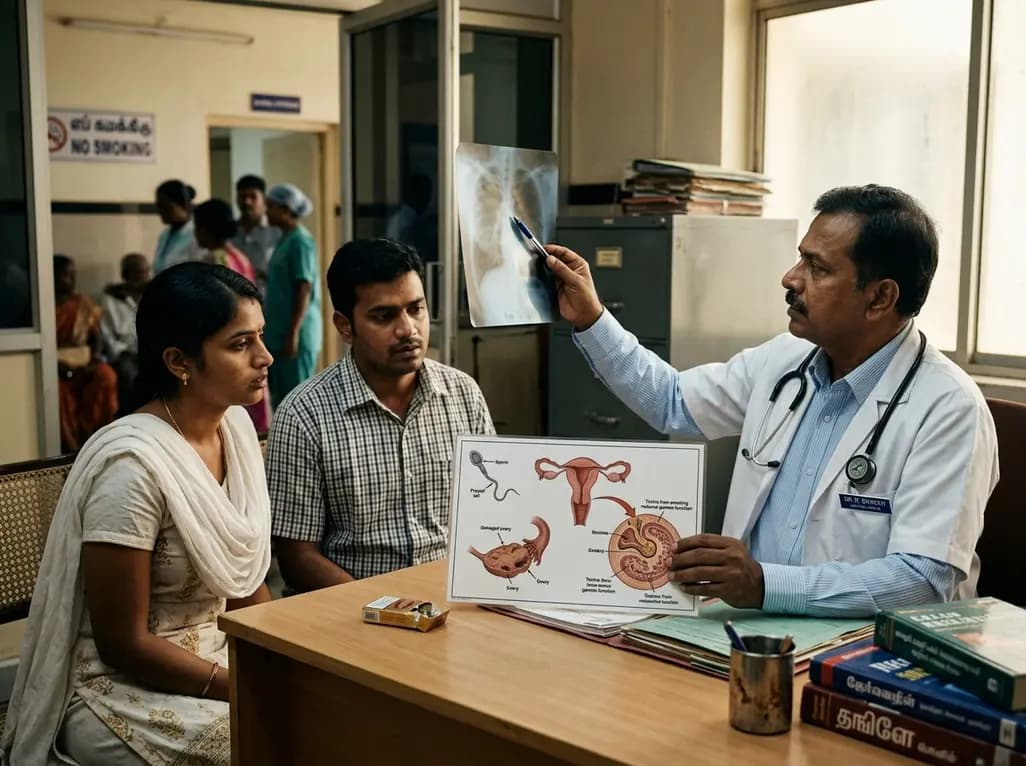
A global knowledge summary from the World Health Organization warns that tobacco smoking significantly increases infertility risks in women and causes substantial sperm and erectile dysfunction in men. Fortunately, quitting smoking substantially lowers these risks, providing clear reproductive benefits.
Last week
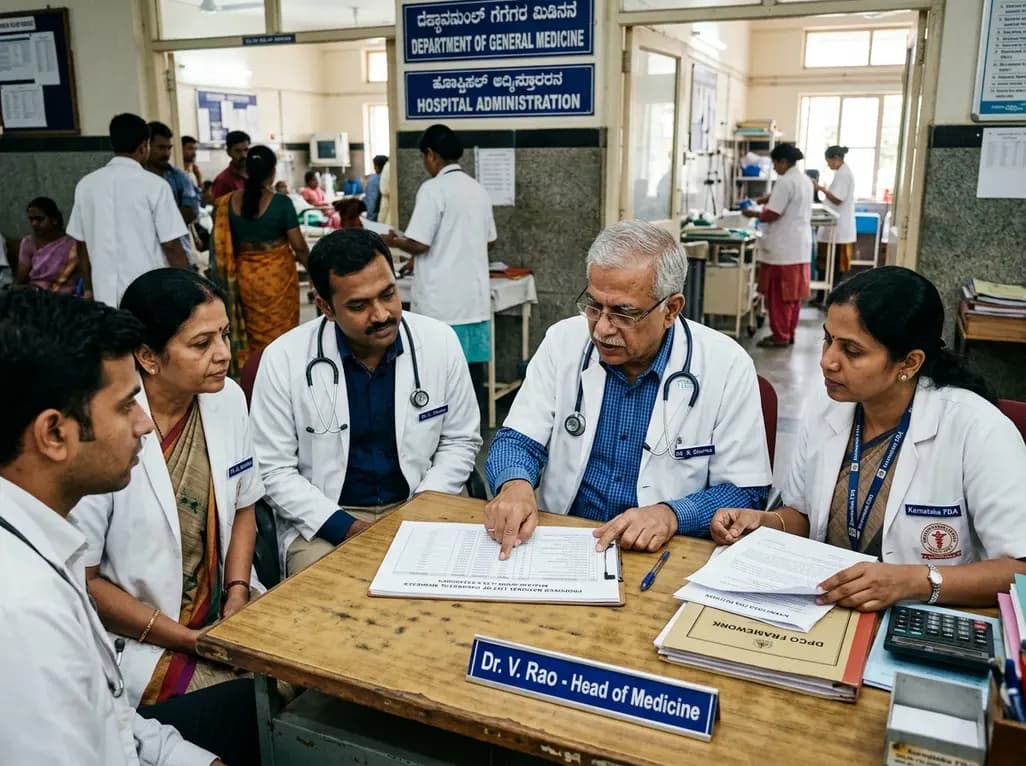
To curb crushing healthcare expenses, Karnataka's Food Safety and Drugs Administration has formally petitioned central authorities to institute a dedicated National List of Essential Medical Devices under the DPCO framework, establishing uniform price ceilings across twenty-four vital clinical categories.
2 days back
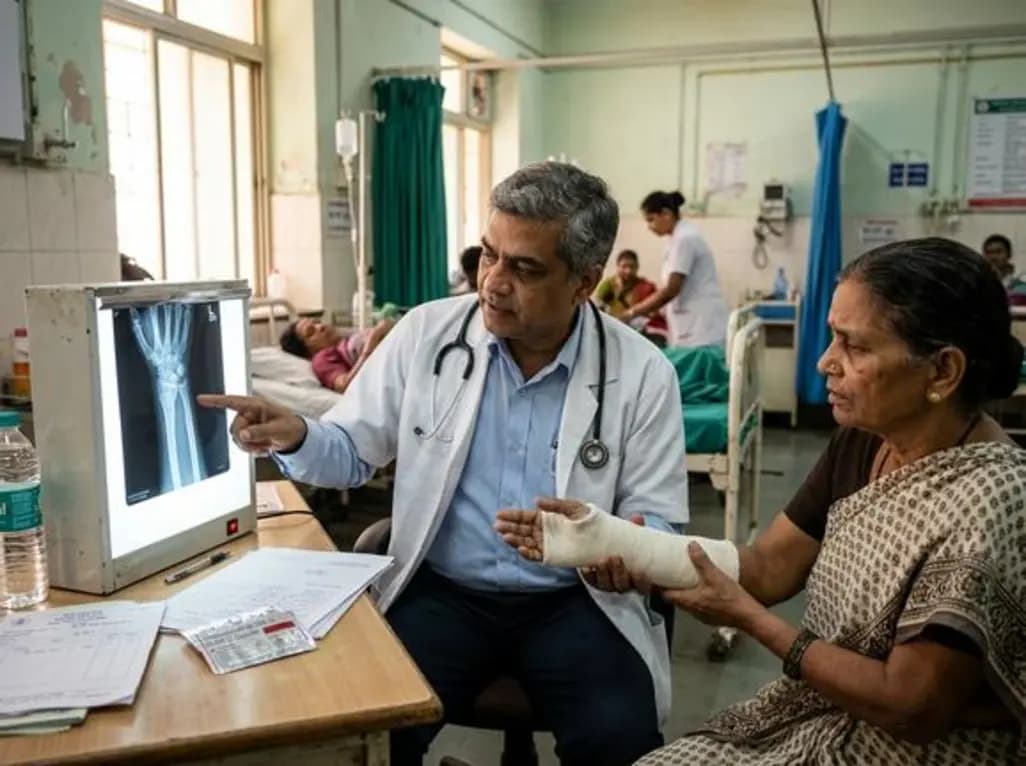
Nearly 80% of Indians suffer from inadequate Vitamin D, causing silent bone weakening and sudden fractures. This expert guide reviews why mega-dose therapy is critical for high-risk patients, the key factors driving widespread deficiency, and the mandatory medical evaluations needed to protect skeletal health.
3 months ago

A nationwide mixed-methods study evaluated hospital glycemic management systems across 265 hospitals. While real-time alerts and automatic data sync are highly valued, significant disparities in digital maturity and low satisfaction with decision support highlight the need for standardized implementation.
4 weeks back
