.webp&w=384&q=75)

Loading, please wait...
Loading, please wait...
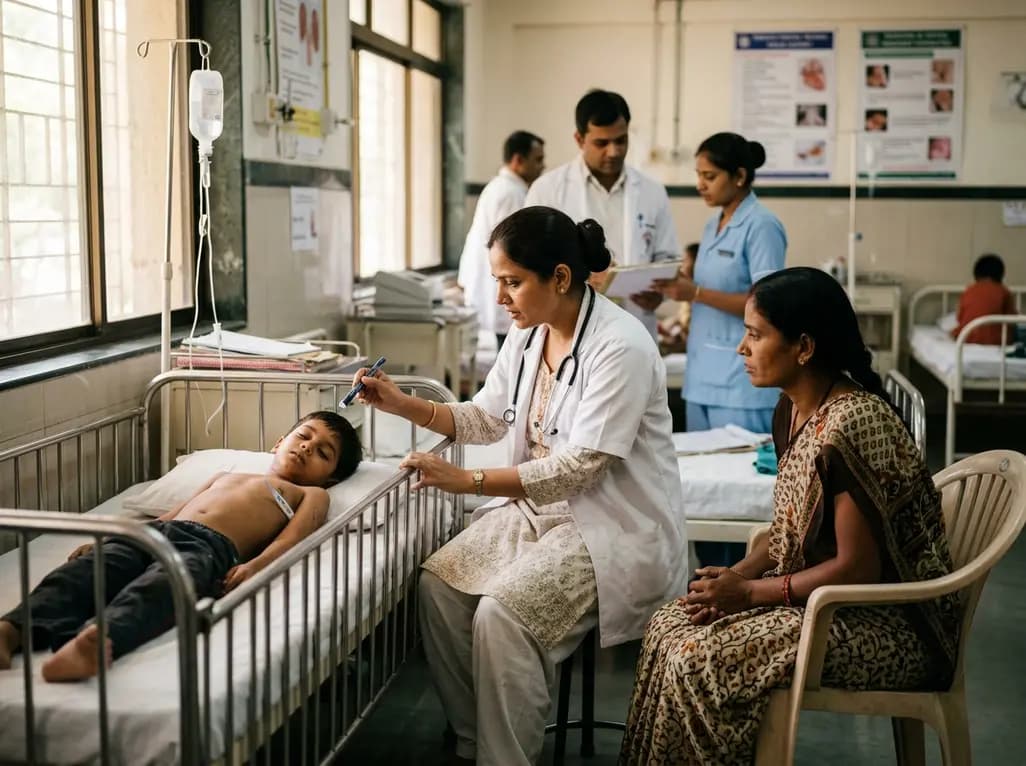
The ongoing Chandipura virus outbreak in Gujarat has raised severe public health concerns across India. State authorities have confirmed 27 pediatric deaths out of 41 confirmed laboratory cases, with more than 240 suspected presentations. Consequently, frontline clinicians must maintain heightened vigilance for rapid neurological decline in pediatric patients presenting with acute febrile illness. The infection predominantly targets children younger than 15 years old. Because the pathogen carries an exceptionally high case fatality rate, primary care providers and emergency pediatricians must understand the clinical trajectory. Early recognition directly dictates clinical survival in suspected clusters.
The Chandipura virus outbreak has emerged across multiple districts in Gujarat, including Sabarkantha, Gandhinagar, Aravalli, Kheda, Anand, Patan, Rajkot, and Bhavnagar. Historically, western and central India have experienced periodic spikes every few years. However, this recent resurgence represents the state's second major wave within three years. In addition to local teams, the Union Health Ministry and the Indian Council of Medical Research have dispatched a multidisciplinary National Joint Outbreak Response Team. This national task force actively assists state health machinery in epidemiological surveillance, contact tracing, and vector mapping.
Furthermore, sporadic cases have appeared in neighboring regions, underscoring the expanding geographic footprint of the pathogen. Most confirmed cases involve young children living in rural or peri-urban settlements. Therefore, healthcare providers practicing in endemic belts must report suspected clusters immediately to district surveillance units. Rapid data sharing enables early deployment of mobile medical teams and localized insecticidal spraying. Clinicians must maintain a high index of suspicion whenever pediatric patients from these affected districts present with unremitting fever and neurological disturbance during the monsoon season.
Chandipura virus belongs to the Vesiculovirus genus within the Rhabdoviridae family. Female phlebotomine sandflies serve as the primary vector responsible for transmitting the virus to humans. In addition, mosquitoes and ticks can act as secondary mechanical or biological vectors. Sandflies breed abundantly in organic detritus, soil fissures, and decaying matter. Consequently, rural dwellings constructed with mud walls provide optimal breeding grounds and resting shelters for these vectors.
Cracks in mud plaster harbor resting sandflies during humid monsoon months. Therefore, vector density rises substantially following seasonal rains, directly amplifying transmission risk to nearby children. Unlike other common arboviral infections, no documented human-to-human transmission occurs with Chandipura virus. Thus, direct patient contact does not spread the disease among hospital staff or family members. However, vector-rich domestic environments place siblings and close neighbors at high risk of simultaneous exposure. Public health teams are actively conducting door-to-door entomological surveys to identify microhabitats. Authorities are plastering wall crevices and clearing organic debris around residential perimeters. Clinicians should educate rural caregivers about personal protective measures, including bed nets and insect repellents, to interrupt vector-host contact.
The pathophysiological hallmark of Chandipura virus infection is its rapid neurotropism and swift viral replication. Following vector inoculation, the virus establishes an initial peripheral replication phase before breaching the blood-brain barrier. Experimental evidence demonstrates that viral phosphoproteins trigger rapid neuronal apoptosis and intense microglial activation within 24 hours of infection. Consequently, extensive cerebral edema and neuronal necrosis develop rapidly across the central nervous system.
Moreover, the host immune response unleashes a severe inflammatory cascade. This pro-inflammatory surge exacerbates intracranial hypertension, capillary leakage, and metabolic acidosis. In severe pediatric cases, clinicians observe multisystem involvement alongside cerebral damage. Elevated hepatic transaminases and rising serum creatinine frequently accompany the neurological decline. As a result, affected children deteriorate rapidly from baseline within 24 to 48 hours. The case fatality rate remains alarmingly high, often exceeding 50 percent in hospital cohorts. Because the pathogen inflicts irreversible neuronal damage in hours, physicians cannot afford any delay in initiating neuroprotective measures. Immediate stabilization of systemic perfusion and intracranial pressure remains the core objective of therapeutic intervention.
Patients typically present with an acute onset of high-grade fever accompanied by severe headache, rigors, and vomiting. In addition, gastrointestinal symptoms such as loose stools and abdominal cramps frequently precede the neuroinvasive phase. However, the illness advances aggressively into acute encephalitis syndrome within one to two days. Children exhibit altered sensorium, generalized tonic-clonic convulsions, disorientation, and progressive lethargy.
Without timely intervention, the patient rapidly lapses into decerebrate posturing or deep coma. Diagnostic workup requires immediate collection of serum and cerebrospinal fluid samples for reverse transcription-polymerase chain reaction testing. In addition, enzyme-linked immunosorbent assays detect virus-specific IgM antibodies in specialized reference laboratories. Neuroimaging via non-contrast computed tomography or magnetic resonance imaging typically reveals diffuse cerebral edema. Meanwhile, routine laboratory testing often demonstrates leukocytosis, mild thrombocytopenia, elevated transaminases, and metabolic acidosis. Frontline practitioners must differentiate Chandipura encephalitis from other common regional etiologies, including Japanese encephalitis, cerebral malaria, dengue encephalitis, and acute bacterial meningitis. Early triage at primary health centers prevents catastrophic delays in pediatric transfer to advanced intensive care units.
Currently, no targeted antiviral medications or specific prophylactic vaccines exist for Chandipura virus infection. Consequently, clinical management relies entirely on aggressive, protocol-driven supportive care and meticulous neurocritical monitoring. Clinicians must prioritize airway protection, adequate oxygenation, and hemodynamic stabilization during the initial emergency resuscitation phase. If the child presents with a Glasgow Coma Scale score below 8 or recurrent seizures, physicians should perform prompt endotracheal intubation.
Furthermore, controlling intracranial hypertension is vital for pediatric survival. Clinicians should administer intravenous mannitol or 3% hypertonic saline while elevating the head of the bed to 30 degrees. Intravenous midazolam, lorazepam, or levetiracetam effectively halts acute convulsions. In refractory status epilepticus, continuous infusions of anesthetic agents become necessary. In addition, physicians must correct fluid deficits cautiously using isotonic crystalloids to avoid worsening cerebral edema. Continuous temperature control with antipyretics and external cooling helps mitigate secondary brain injury. Early admission to a pediatric intensive care unit significantly reduces mortality. Multidisciplinary teams, including pediatric intensivists and neurologists, must monitor arterial blood gases, serum electrolytes, and organ function indicators around the clock.
Containing Chandipura virus requires coordinated community surveillance and robust vector eradication initiatives. District health authorities have initiated widespread door-to-door screening across high-risk blocks to detect symptomatic children early. Concurrently, sanitization workers apply indoor residual spraying using synthetic pyrethroids or malathion in affected rural clusters. Eliminating sandfly nesting sites around mud dwellings remains an essential public health priority.
Moreover, health workers actively educate rural populations on environmental hygiene, livestock segregation, and the sealing of domestic wall cracks. Community members should dress children in full-sleeved clothing and utilize fine-mesh bed nets treated with insecticide. Village health committees must report any sudden cluster of pediatric fevers to rapid response teams without hesitation. Meanwhile, government bodies continue to strengthen laboratory diagnostic infrastructure across district hospitals. Inter-departmental coordination between animal husbandry, public works, and health departments ensures effective source reduction. Ultimately, aggressive vector containment combined with rapid clinical referral pathways provides the only viable defense against recurring outbreaks in endemic rural regions.
Q1: What are the primary vector species and modes of transmission for Chandipura virus?
Chandipura virus spreads primarily through the bite of infected female phlebotomine sandflies, particularly Phlebotomus and Sergentomyia species. In addition, certain mosquitoes and ticks can harbor the pathogen. Sandflies thrive in mud-built houses, dark livestock shelters, and organic soil crevices during humid monsoon seasons. Crucially, there is no evidence of human-to-human transmission, meaning direct contact with an infected patient does not spread the infection.
Q2: Why does Chandipura virus progress so rapidly to acute encephalitis syndrome?
Chandipura virus is an intensely neurotropic pathogen that replicates swiftly within host neuronal cells. Within 24 to 48 hours of infection, viral structural proteins induce extensive neuronal apoptosis and trigger a severe central neuroinflammatory response. Consequently, this inflammatory storm precipitates diffuse cerebral edema, microglial activation, and rapid neurological collapse. This rapid pathophysiology causes children to advance swiftly from simple fever to severe seizures, decerebrate posturing, and coma.
Q3: What are the cornerstone management strategies for pediatric patients with suspected infection?
Because no specific antiviral drug or licensed vaccine exists for Chandipura virus, management centers on rigorous supportive critical care. Immediate goals include securing the pediatric airway, providing mechanical ventilation when indicated, and controlling seizures using first-line anticonvulsants. Furthermore, intensivists administer hyperosmolar therapy with 3% hypertonic saline or mannitol to manage intracranial hypertension. Careful fluid balance, continuous hemodynamic monitoring, and early pediatric intensive care admission are vital to improve clinical survival.
Disclaimer: This content is for informational and educational purposes only. It does not constitute medical advice or replace professional judgment. Refer to the latest local and national guidelines for clinical practice.
References

Read summarized clinical updates, watch expert medical content, and earn CME certifications right from your smartphone.
Open your smartphone camera to scan and install.





With 27 fatalities reported in Gujarat, the recent surge in Chandipura virus cases highlights an urgent need for pediatric surveillance. Clinicians must recognize early neurological deterioration, provide prompt supportive care for acute encephalitis syndrome, and implement vector control strategies in rural areas.
last month

India's apex food regulator has launched legal proceedings against top digital retail platforms for distributing hazardous botanical substances and misbranded consumer goods. Discover the regulatory breaches, clinical toxicity risks, and key implications for healthcare providers across the country.
3 days back
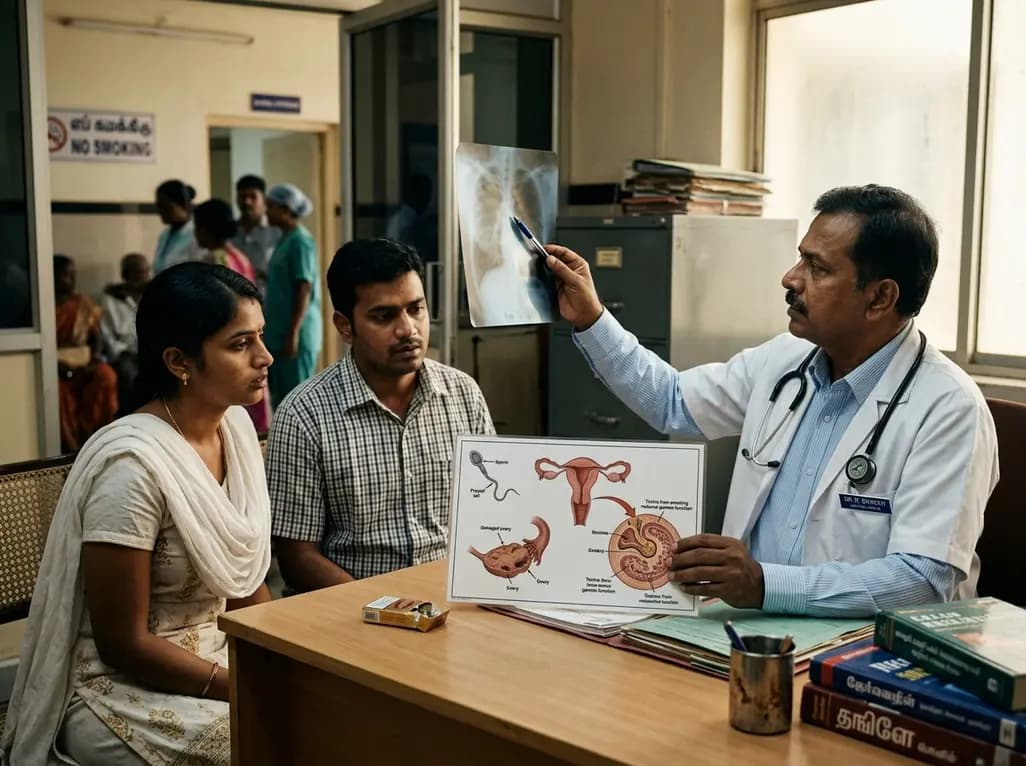
A global knowledge summary from the World Health Organization warns that tobacco smoking significantly increases infertility risks in women and causes substantial sperm and erectile dysfunction in men. Fortunately, quitting smoking substantially lowers these risks, providing clear reproductive benefits.
Last week
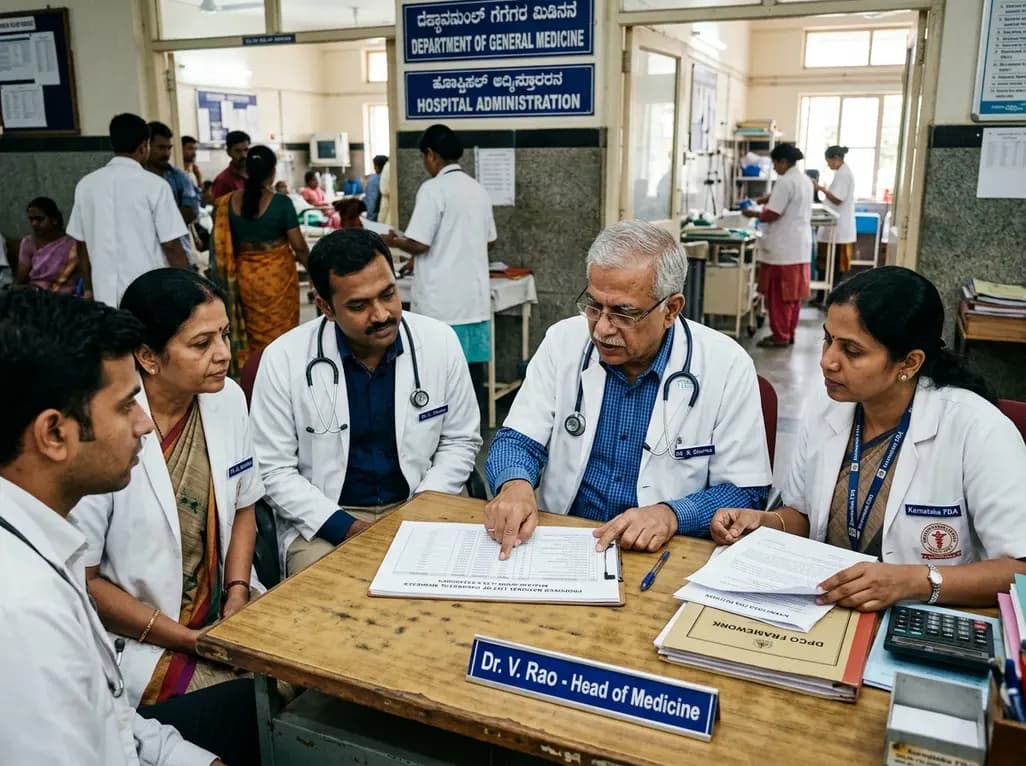
To curb crushing healthcare expenses, Karnataka's Food Safety and Drugs Administration has formally petitioned central authorities to institute a dedicated National List of Essential Medical Devices under the DPCO framework, establishing uniform price ceilings across twenty-four vital clinical categories.
3 days back
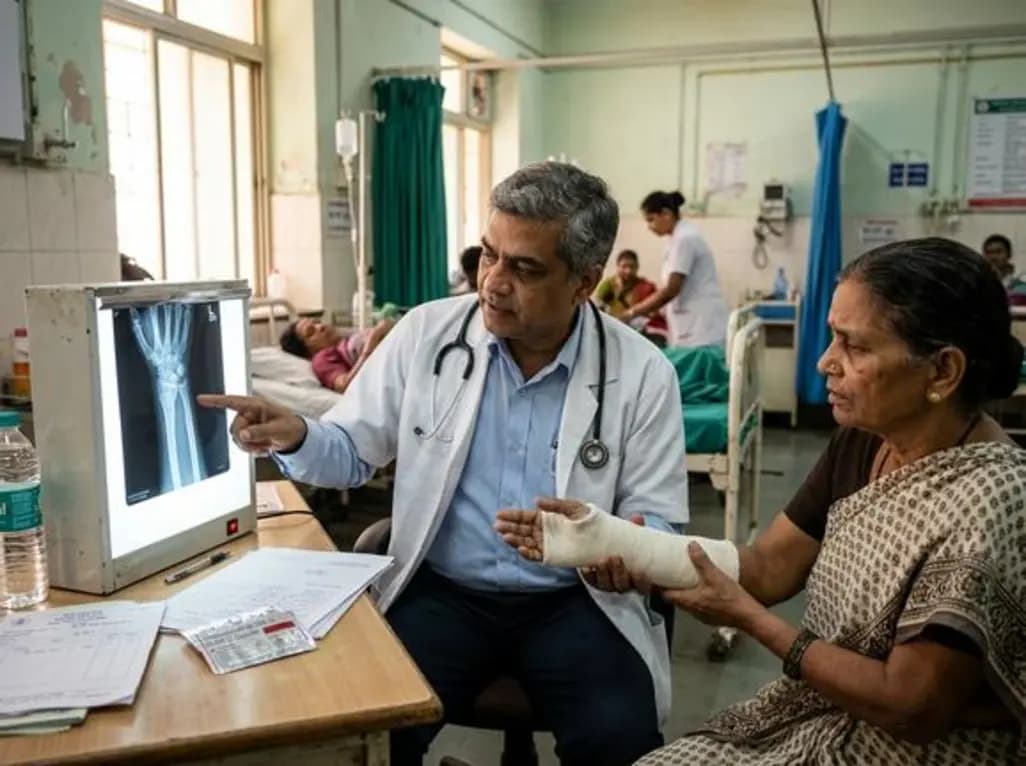
Nearly 80% of Indians suffer from inadequate Vitamin D, causing silent bone weakening and sudden fractures. This expert guide reviews why mega-dose therapy is critical for high-risk patients, the key factors driving widespread deficiency, and the mandatory medical evaluations needed to protect skeletal health.
3 months ago

A nationwide mixed-methods study evaluated hospital glycemic management systems across 265 hospitals. While real-time alerts and automatic data sync are highly valued, significant disparities in digital maturity and low satisfaction with decision support highlight the need for standardized implementation.
4 weeks back
