.webp&w=384&q=75)

Loading, please wait...
Loading, please wait...

Recently, the Gujarat State Branch of the Indian Medical Association issued a critical Chandipura virus advisory to guide clinicians through a sudden outbreak. This sandfly-borne pathogen primarily impacts pediatric patients, leading to rapid clinical deterioration. Consequently, medical practitioners must elevate their surveillance standards immediately to protect vulnerable populations. Because the virus can progress to severe neurological complications within forty-eight hours, early recognition is vital. Therefore, doctors must integrate these protocols into daily practice to mitigate this severe health crisis. Thus, a collaborative clinical approach is necessary to reduce pediatric mortality.
The advisory explicitly instructs pediatricians to maintain a high index of clinical suspicion when evaluating febrile children. Specifically, physicians must aggressively monitor hallmark clinical features like sudden high-grade fever, severe convulsions, and acute encephalitis. These symptoms often signal rapid neurological involvement, which demands immediate intensive supportive care. Furthermore, clinicians should carefully examine pediatric patients presenting with acute onset of sensory changes or unexplained vomiting. Because there is currently no specific antiviral therapy available for this pathogen, symptomatic management remains the cornerstone of care. Consequently, any delay in identifying these cardinal signs can result in tragic clinical outcomes. Pediatricians must therefore prioritize immediate stabilization of the airway and hemodynamics during the initial assessment. Moreover, medical officers should prepare specialized isolation wards to manage suspected cases safely. Ultimately, prompt referral to tertiary care centers with pediatric intensive care units can save young lives. Additionally, clinicians must track fluid balance to avoid cerebral edema. This complication frequently arises during the acute encephalitic phase of the infection. Therefore, precise fluid administration is crucial. Doctors should also perform regular neurological assessments to detect subtle changes early.
Epidemiological history plays a pivotal role in identifying potential cases of Chandipura virus infection. Doctors must meticulously evaluate the travel history of young patients, especially those arriving from known active transmission zones. Specifically, tracking previous outbreaks and localized sandfly infestation patterns helps in mapping vulnerable clusters. Furthermore, physicians should investigate if the child resides in rural or semi-urban areas characterized by mud walls and dense vegetation. These environmental factors significantly promote vector breeding, thereby increasing transmission risks. Additionally, clinicians should document any history of insect bites reported by the parents. Since the disease spreads primarily via Phlebotomus sandflies, targeted questioning is highly useful. Consequently, early identification of epidemiological links enables authorities to initiate localized insecticide spraying. Moreover, medical staff should participate in community active surveillance to screen contacts of confirmed cases. This proactive screening helps in detecting subclinical cases before they develop severe neurological symptoms. Therefore, maintaining detailed patient records is essential for public health tracking. In addition, local clinics should share data with municipal health departments daily.
Accurate and rapid diagnosis is critical to managing acute encephalitis syndrome associated with the Chandipura virus. Currently, laboratory confirmation relies on advanced molecular and serological assays. Specifically, reverse transcription polymerase chain reaction (RT-PCR) serves as the gold standard for detecting viral RNA in blood samples. However, this test is highly time-sensitive because viremia typically decreases after the initial days of fever. Additionally, enzyme-linked immunosorbent assay (ELISA) helps detect specific immunoglobulin M (IgM) antibodies in serum or cerebrospinal fluid. Clinicians should perform a lumbar puncture to obtain cerebrospinal fluid for analysis when clinically safe. Furthermore, doctors must rule out other common causes of acute encephalitis, such as Japanese encephalitis or herpes simplex virus. Consequently, a comprehensive panel of diagnostic tests is required for definitive confirmation. Meanwhile, neuroimaging techniques like CT or MRI can help assess the extent of brain inflammation. These scans, however, cannot provide a definitive etiologic diagnosis on their own. Therefore, laboratory testing remains the absolute standard. Finally, clinicians must send all suspected samples to designated reference laboratories promptly. This prompt referral ensures that public health epidemiologists can track the viral genome accurately. Moreover, genetic sequencing helps identify any mutations in the virus. As a result, researchers can monitor changes in viral virulence during active outbreaks.
Because there is no specific antiviral treatment or vaccine for this infection, management is entirely supportive. Therefore, pediatric intensive care represents the primary defense against severe complications. Specifically, clinicians must focus on managing airway patency and providing respiratory support. Since rapid deterioration often leads to respiratory failure, early elective intubation is frequently necessary. Additionally, controlling severe convulsions requires the aggressive administration of first-line anticonvulsant medications. Furthermore, maintaining cerebral perfusion pressure while managing elevated intracranial pressure is a critical therapeutic goal. Consequently, doctors should use hypertonic saline or mannitol judiciously to reduce brain swelling. Moreover, continuous hemodynamic monitoring is vital to prevent multi-organ dysfunction syndrome. Physicians must also ensure adequate hydration while carefully avoiding fluid overload. In addition, broad-spectrum antibiotics are often initiated empirically to cover other potential pathogens. Once laboratory tests confirm the virus, clinicians can streamline the therapeutic regimen. Ultimately, meticulous nursing care and close clinical observation during the first forty-eight hours improve survival rates. Thus, dedicated pediatric ICU teams remain indispensable. In addition, regular monitoring of blood glucose levels helps avoid hypoglycemic encephalopathy in critical children.
Preventing sandfly bites is the most effective strategy to mitigate the transmission of the Chandipura virus. Therefore, public health campaigns must prioritize vector control and community education. Specifically, families should use insecticide-treated bed nets and install fine-mesh screens on windows. Furthermore, applying insect repellents containing DEET or picaridin on exposed skin offers robust protection. Since sandflies are primarily active during twilight and nighttime, parents should keep children indoors during these hours. Additionally, environmental sanitation plays a crucial role in eliminating vector breeding sites. For instance, plastering mud walls with cement or lime helps seal cracks where sandflies breed. Consequently, local municipal bodies should conduct regular indoor residual spraying of insecticides. Moreover, clearing dense vegetation and removing organic debris around households reduces vector harboring. In contrast to mosquitoes, sandflies fly close to the ground, so targeted low-level spraying is highly effective. Finally, raising community awareness about early warning signs of infection encourages prompt clinical visits. This proactive approach significantly minimizes delayed hospital presentations, thereby saving lives. Indeed, early medical intervention remains critical. Furthermore, community leaders should organize local hygiene drives to keep surroundings clean and reduce sandfly harboring spots.
Q1: What is the primary vector responsible for transmitting the Chandipura virus?
The primary vector responsible for transmitting this pathogen is the female Phlebotomus sandfly. Additionally, certain species of mosquitoes and ticks may occasionally harbor the virus. These vectors thrive in warm, humid conditions, particularly during the monsoon season. Consequently, vector control measures, such as indoor insecticide spraying and clearing organic waste, are essential to reduce sandfly populations and prevent transmission to vulnerable pediatric populations.
Q2: Why does the Chandipura virus progress so rapidly in children?
The virus exhibits high neurotropism, which allows it to infect brain cells very quickly after entering the bloodstream. Consequently, it triggers acute encephalitis and cerebral edema within twenty-four to forty-eight hours of symptom onset. Because children under fifteen have developing immune systems and unique physiological vulnerabilities, they experience rapid neurological deterioration. Therefore, immediate medical evaluation and intensive supportive care are vital to prevent fatal outcomes.
Q3: Is there a specific vaccine or antiviral drug available for this infection?
Currently, there is no approved vaccine or specific antiviral medication available to target the Chandipura virus. Consequently, clinical management relies entirely on aggressive supportive care in pediatric intensive care units. This treatment focuses on controlling high fever, managing severe seizures with anticonvulsants, and reducing intracranial pressure. Therefore, early hospitalization and supportive therapy represent the main strategies for improving survival rates among infected children.
Disclaimer: This content is for informational and educational purposes only. It does not constitute medical advice or replace professional judgment. Refer to the latest local and national guidelines for clinical practice.
References

Read summarized clinical updates, watch expert medical content, and earn CME certifications right from your smartphone.
Open your smartphone camera to scan and install.





As Chandipura virus cases rise in Gujarat, the GSB-IMA has issued critical clinical directives for pediatricians and general practitioners. This comprehensive guide covers diagnostic criteria, high-risk red flags such as high-grade fever and acute encephalitis, and preventive strategies to manage this vector-borne outbreak.
3 months ago

Kenya's confirmation of its eighth Ebola infection highlights the acute risk of secondary transmission in hospital environments. Clinicians must maintain high vigilance, enforce strict infection prevention protocols, and implement rapid triage mechanisms for viral hemorrhagic fevers across healthcare settings.
4 days back

Maternal anaemia contributes to nearly half of pregnancy-related fatalities across India. To prevent complications, Uttar Pradesh has added single-dose parenteral iron to its essential medicines list. This clinical transition aims to restore haemoglobin rapidly and protect high-risk mothers across rural facilities.
Last week

India's food safety authority FSSAI has issued show-cause notices to Gemini Edibles, BigBasket, and Flipkart for unpermitted cardiovascular claims regarding Freedom Rice Bran Oil. This regulatory move highlights the strict enforcement of advertising standards and the clinical necessity of evidence-based lipid care.
6 days back
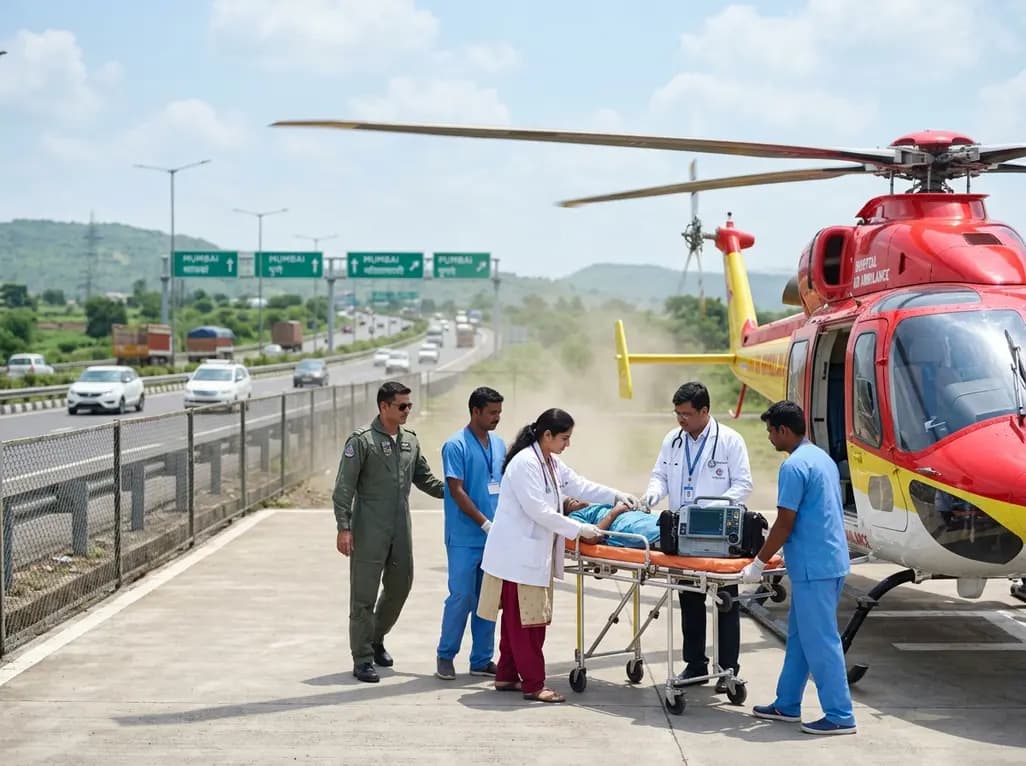
The state government is deploying helicopter emergency medical services across the Mumbai-Pune Expressway, Samruddhi Mahamarg, and Mumbai-Goa Highway. This initiative establishes unified standard operating procedures to enable rapid triage, advanced prehospital resuscitation, and seamless trauma care transfers.
Last week

Atherosclerotic cardiovascular disease guidelines often rely on European-derived lipoprotein(a) cutoffs. However, baseline Lp(a) levels vary widely across ancestries, including South Asians and Africans. Clinicians must interpret Lp(a) values within overall absolute cardiovascular risk.
Last week
