.webp&w=384&q=75)

Loading, please wait...
Loading, please wait...
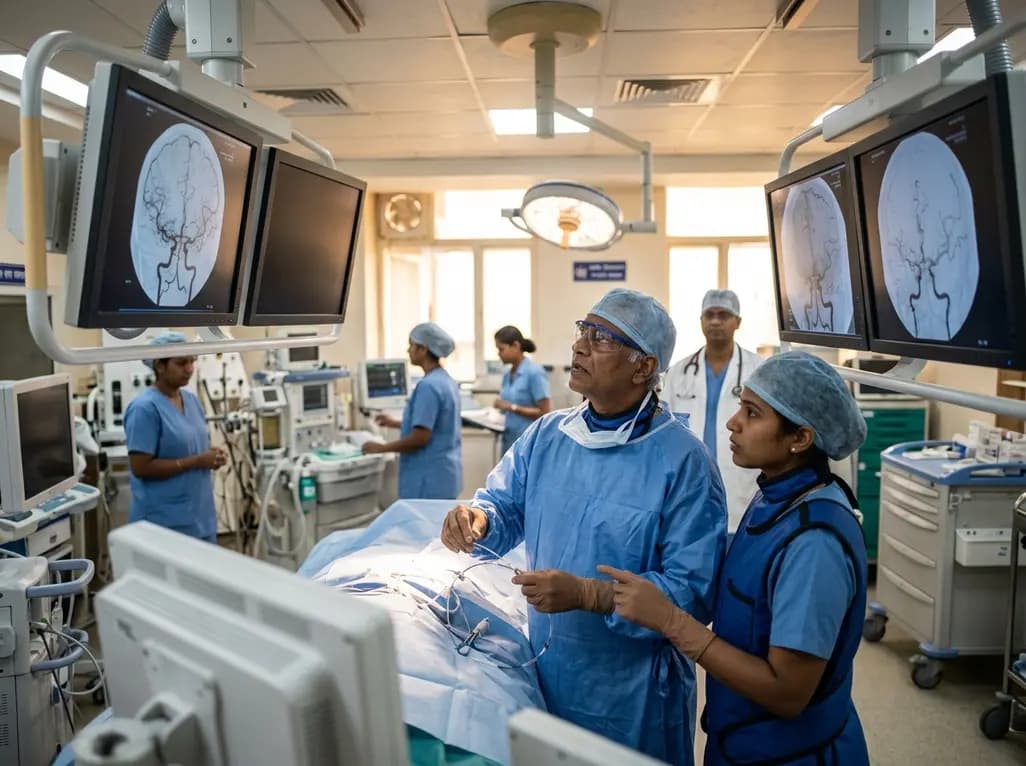
Cerebrovascular diseases, ranging from acute ischemic strokes to complex intracranial aneurysms, require highly specialized interventions. In recent years, medical literature has increasingly highlighted that institutional experience directly influences survival and recovery. Specifically, cerebrovascular center volume has emerged as a reliable surrogate for clinical quality. As healthcare systems transition toward centralized models, understanding the relationship between case frequency and patient safety becomes paramount. This shift is particularly relevant for practitioners managing high-risk patients who require either microsurgical or neuroendovascular expertise. Evidence suggests that centers treating a higher number of cases per year achieve superior results. Consequently, physicians must recognize that procedural volume is not merely a metric of productivity but a fundamental driver of clinical excellence. This article explores how volume impact varies across different modalities and why specialized care remains the gold standard for vascular neurosurgery.
Microsurgical aneurysm clipping remains an essential pillar of cerebrovascular care despite the widespread adoption of endovascular coiling. However, the technical complexity of clipping demands exceptional surgical precision and institutional support. Research indicates that cerebrovascular center volume significantly affects the success of these procedures for both ruptured and unruptured aneurysms. High-volume centers often report lower mortality rates and fewer patient-safety indicator (PSI) events. Furthermore, experienced surgeons in these settings benefit from a multidisciplinary environment that manages the delicate perioperative period more effectively. In contrast, low-volume facilities may lack the frequency needed to refine surgical techniques or manage rare intraoperative complications. Statistics show that institutions performing higher numbers of clippings annually have a reduced risk of adverse events. Therefore, maintaining high microsurgical volumes is critical for ensuring patient safety and procedural efficacy. Additionally, the availability of specialized intraoperative monitoring and advanced neuro-navigation in high-volume settings further enhances these outcomes. Surgeons who frequently perform these operations develop a nuanced understanding of vascular anatomy that low-frequency practitioners might lack.
The evolution of neuroendovascular therapy has revolutionized the management of ischemic stroke and vascular malformations. Specifically, interventions like mechanical thrombectomy and carotid stenting require rapid execution and high technical proficiency. Data from multiple registries reinforce the strong association between higher procedural volumes and improved functional outcomes. Patients treated at high-volume centers for mechanical thrombectomy experience significantly lower mortality rates and faster flow restoration. Moreover, the integration of cerebrovascular center volume as a benchmark helps identify centers that can consistently meet stringent time-to-treatment goals. Higher institutional volume often correlates with more efficient hospital workflows, leading to shorter "door-to-needle" and "door-to-puncture" times. Consequently, patients have a higher likelihood of achieving functional independence after a major stroke. In addition to technical skill, high-volume centers possess the robust infrastructure necessary to support complex endovascular cases 24/7. This includes dedicated interventional suites and a team of specialized nurses and technicians familiar with neurovascular emergencies. Ultimately, the cumulative experience of the entire team contributes to the superior outcomes observed in these busy centers.
Carotid endarterectomy and the surgical management of cerebrovascular malformations are high-stakes procedures where even minor errors can lead to permanent disability. Studies consistently show that patients undergoing these operations have significantly better outcomes when treated by high-volume surgeons in high-volume centers. This relationship is largely due to the steep learning curve associated with managing complex vascular lesions like arteriovenous malformations (AVMs). Furthermore, the cerebrovascular center volume acts as a safety net, providing the necessary resources for comprehensive postoperative management. Specifically, high-volume institutions are better equipped to handle post-carotid endarterectomy complications such as hyperperfusion syndrome or cranial nerve injuries. Likewise, the management of AVMs requires a coordinated approach involving embolization, microsurgery, and sometimes radiosurgery. High-volume centers facilitate this multidisciplinary synergy, ensuring that every patient receives a tailored treatment plan. Conversely, centers with limited exposure to these pathologies may struggle with the coordination required for optimal results. As a result, referral to experienced centers is often recommended to minimize risks and maximize the chances of a complete cure. This trend underscores the importance of institutional expertise in the broader landscape of vascular neurosurgery.
While procedural success is vital, the quality of postoperative care often determines the final clinical outcome. The integration of dedicated neurocritical care units (NCCUs) has significantly improved survival rates for patients with hemorrhagic and ischemic diseases. Specialized units within high-volume centers provide continuous monitoring by neurointensivists who understand the unique physiological needs of brain-injured patients. Research demonstrates that these specialized teams can reduce mortality rates and shorten hospital lengths of stay. Furthermore, the presence of a dedicated neurocritical care team ensures that complications like vasospasm after subarachnoid hemorrhage are detected and treated early. Because cerebrovascular center volume is usually high in these institutions, the staff gains vast experience in managing complex neurological pathologies. Additionally, high-volume centers often implement standardized protocols for intracranial pressure management and hemodynamic optimization. These protocols contribute to more consistent care and fewer preventable errors. Consequently, the combination of surgical expertise and specialized critical care creates a comprehensive environment that fosters better recovery. Patients in these units benefit from a multidisciplinary team approach that includes specialized respiratory therapists, pharmacists, and rehabilitation experts.
The established relationship between institutional volume and patient outcomes has profound implications for healthcare policy and hospital organization. Centralizing cerebrovascular care into high-volume comprehensive stroke centers can potentially save thousands of lives annually. By ensuring that patients are transported to facilities with proven cerebrovascular center volume and expertise, healthcare systems can optimize resource allocation. Moreover, this model supports the training of the next generation of neurosurgeons and neurointerventionalists in high-acuity environments. However, clinicians must also consider the challenges of geographical access, particularly in rural or underserved areas. In these scenarios, hub-and-spoke models using telemedicine can bridge the gap between local hospitals and high-volume centers. Furthermore, maintaining high-volume standards for endovascular and microsurgical care helps ensure that quality benchmarks are met across the board. Ultimately, the goal is to provide high-quality care that minimizes mortality and maximizes functional recovery for all patients. As evidence continues to grow, it is clear that institutional and provider case volumes will remain central to the definition of excellence in cerebrovascular medicine. Therefore, ongoing monitoring of volume-based metrics is essential for the continuous improvement of neurosurgical services.
High-volume centers demonstrate reduced mortality because they possess optimized workflows and extensive experience in managing complex cases. These institutions often have 24/7 access to specialized neurointerventionalists and neurocritical care teams. Consequently, they can perform lifesaving procedures like mechanical thrombectomy more rapidly and accurately, which directly correlates with better survival rates for stroke patients.
Yes, microsurgical clipping remains a cornerstone of cerebrovascular care for many patients. While endovascular techniques are growing, certain aneurysms are better treated surgically due to their location or morphology. High-volume centers continue to excel in clipping, showing lower rates of patient-safety indicator events and better long-term durability compared to centers with fewer cases.
The experience of the nursing and support staff at high-volume centers is crucial for patient recovery. These professionals are specifically trained to identify early signs of neurological deterioration, such as vasospasm or increased intracranial pressure. Their familiarity with specialized protocols ensures that postoperative complications are managed swiftly, significantly reducing the length of hospital stays and improving outcomes.
Disclaimer: This content is for informational and educational purposes only. It does not constitute professional medical advice, diagnosis, or treatment. Always seek the advice of your physician or other qualified healthcare provider with any questions you may have regarding a medical condition. Refer to the latest local and national guidelines for clinical practice.
References
Wolfe SQ et al. Association of cerebrovascular center volume with patient outcomes. Neurosurg Rev. 2026 Jun 29. doi: 10.1007/s10143-026-04374-y. PMID: 42366249.
Saber H et al. Association of Endovascular Thrombectomy Volume and Outcomes in Acute Ischemic Stroke. Stroke. 2019;50(2):455-461.
Pandey AS et al. High Subarachnoid Hemorrhage Patient Volume Associated With Lower Mortality and Better Outcomes. Neurosurgery. 2015;77(3):462-470.
"
Read summarized clinical updates, watch expert medical content, and earn CME certifications right from your smartphone.
Open your smartphone camera to scan and install.





High procedural volumes at cerebrovascular centers are linked to significantly better patient outcomes. This article reviews evidence across microsurgical clipping, endovascular therapy, and neurocritical care, highlighting why institutional experience is a critical driver of clinical excellence.
3 months ago
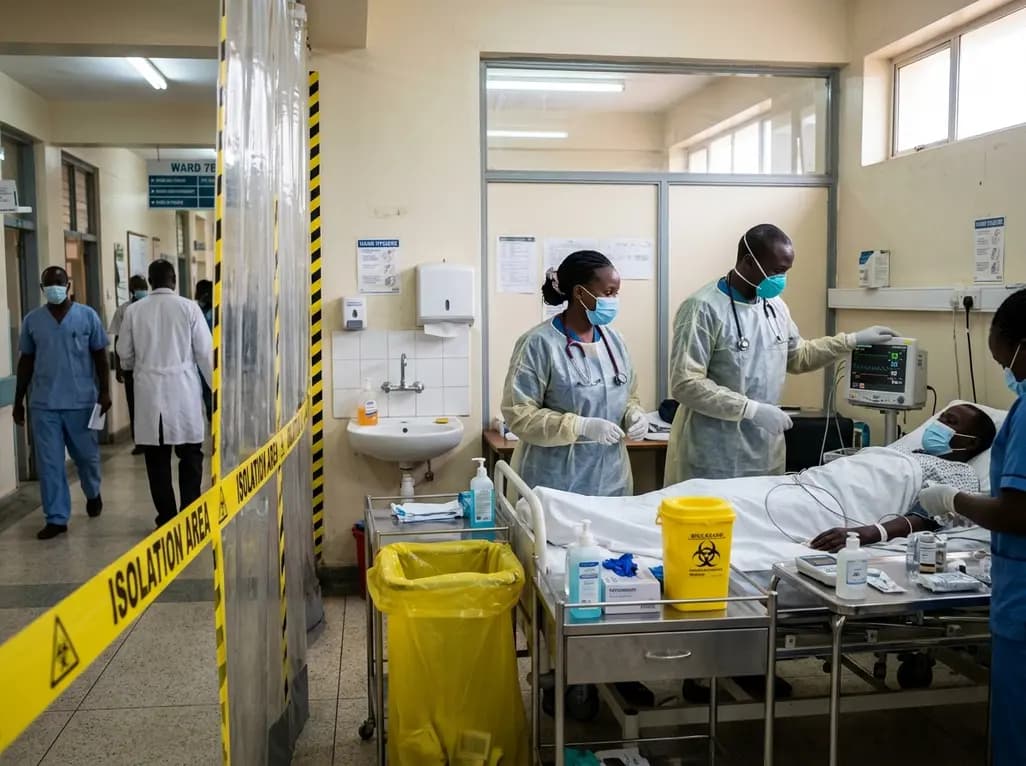
Kenya's confirmation of its eighth Ebola infection highlights the acute risk of secondary transmission in hospital environments. Clinicians must maintain high vigilance, enforce strict infection prevention protocols, and implement rapid triage mechanisms for viral hemorrhagic fevers across healthcare settings.
3 days back

Maternal anaemia contributes to nearly half of pregnancy-related fatalities across India. To prevent complications, Uttar Pradesh has added single-dose parenteral iron to its essential medicines list. This clinical transition aims to restore haemoglobin rapidly and protect high-risk mothers across rural facilities.
Last week

India's food safety authority FSSAI has issued show-cause notices to Gemini Edibles, BigBasket, and Flipkart for unpermitted cardiovascular claims regarding Freedom Rice Bran Oil. This regulatory move highlights the strict enforcement of advertising standards and the clinical necessity of evidence-based lipid care.
5 days back

The state government is deploying helicopter emergency medical services across the Mumbai-Pune Expressway, Samruddhi Mahamarg, and Mumbai-Goa Highway. This initiative establishes unified standard operating procedures to enable rapid triage, advanced prehospital resuscitation, and seamless trauma care transfers.
Last week

Atherosclerotic cardiovascular disease guidelines often rely on European-derived lipoprotein(a) cutoffs. However, baseline Lp(a) levels vary widely across ancestries, including South Asians and Africans. Clinicians must interpret Lp(a) values within overall absolute cardiovascular risk.
Last week
