.webp&w=384&q=75)

Loading, please wait...
Loading, please wait...
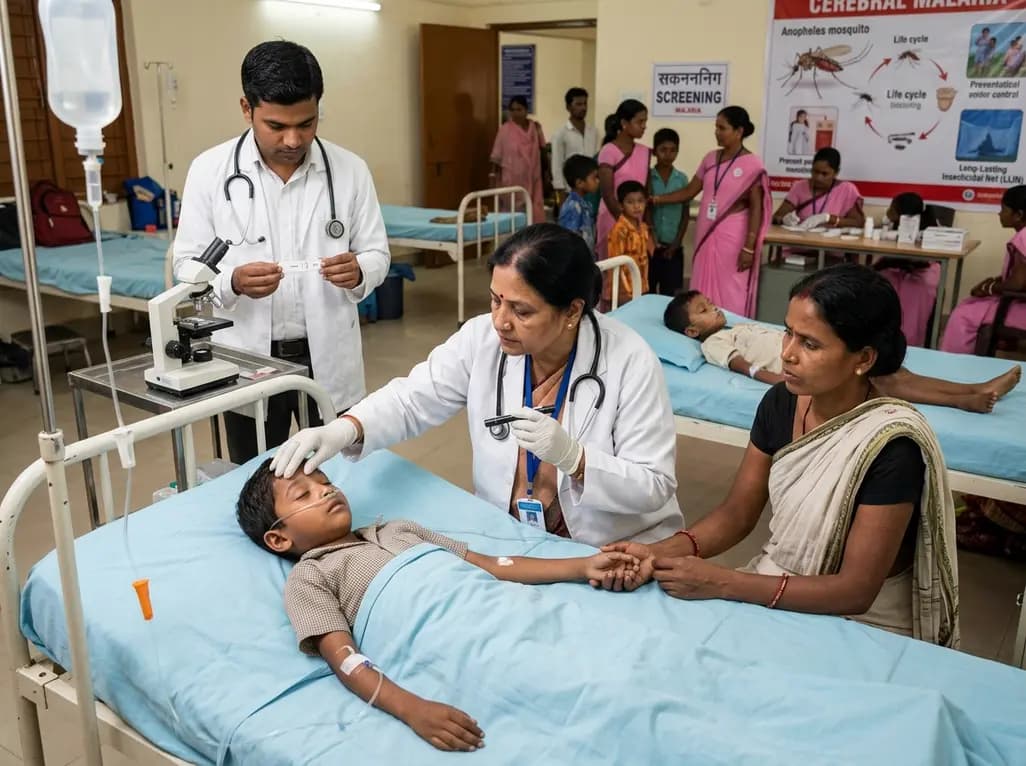
The authorities in Jharkhand's East Singhbhum district recently constituted a three-member investigation team to examine sudden deaths. Specifically, these tragic deaths arose from a severe cerebral malaria outbreak in several blocks, including Potka. Furthermore, the district administration is evaluating medical negligence to improve rural healthcare delivery. Consequently, this crisis highlights the critical need for rapid diagnosis and early clinical intervention across endemic areas.
The vector-borne disease surge rapidly escalated during the monsoon season in Jharkhand. Among the affected administrative blocks, Potka emerged as the worst-hit area with dozens of daily infections. In response, health workers screened thousands of residents through intensive localized health camps. Consequently, testing campaigns identified hundreds of positive Plasmodium falciparum malaria cases within a few weeks. Additionally, healthcare units noted several mixed malaria cases that complicated clinical management. To control the transmission, authorities initiated extensive DDT spraying and targeted fogging across the affected villages. However, poor infrastructure and delayed health-seeking behavior among tribal communities initially hindered these containment efforts. Subsequently, the district administration deployed special teams to coordinate field operations. These teams focused heavily on door-to-door surveillance and fever monitoring in high-risk zones. Ultimately, active community participation and rigorous surveillance helped stabilize the transmission rate in late July. Nevertheless, the high volume of critical pediatric patients admitted to regional tertiary hospitals remains a major concern for local administrators. Specifically, public health experts emphasize that stagnant water and high humidity created ideal breeding environments for Anopheles mosquitoes. Therefore, future preventive strategies must integrate early environmental sanitation before the monsoon onset.
To address rising deaths, Deputy Commissioner Rajeev Ranjan formed a three-member inquiry panel. Additional District ADM Mukesh Machhua heads this team, with support from expert medical officers. Specifically, the panel will inspect affected spots to check for negligence by local healthcare staff. Indeed, initial reports indicated that a sealed private clinic had failed to provide proper care to a minor. As a result, authorities issued show-cause notices to several clinical operators to ensure accountability. Furthermore, the inquiry aims to identify systemic gaps in drug availability and diagnostic tools. By investigating these delays, the administration hopes to refine the local referral pathways. Consequently, patients with severe symptoms will receive faster tertiary care instead of suffering from transportation delays. Moreover, the team must submit a comprehensive diagnostic review within three days. Thus, this strict deadline underscores the urgency of reforming local medical practices. Ultimately, the findings will guide policy updates to enforce protocols in rural primary health centers. Additionally, training programs will educate rural practitioners on early warning signs to minimize mismanagement. Therefore, strict administrative oversight will help prevent similar public health failures in the future.
Cerebral malaria represents the most severe neurological complication of Plasmodium falciparum infection. Specifically, the pathology involves the sequestration of parasitized red blood cells in the brain microvasculature. These erythrocytes express surface proteins that bind host endothelial receptors. Consequently, this cytoadherence obstructs microvascular blood flow and induces severe localized hypoxia. Furthermore, the host immune response releases excessive pro-inflammatory cytokines that worsen endothelial dysfunction. This complex cascade subsequently compromises the blood-brain barrier and triggers diffuse cerebral edema. As a result, patients quickly develop altered consciousness, delirium, and generalized seizures. Clinicians must recognize that these changes can progress to coma within hours. Thus, rapid therapeutic intervention remains vital to salvage viable brain tissue. Additionally, pediatric patients often present with concomitant severe anemia and lactic acidosis. Because these derangements aggravate neurological damage, intensive care is mandatory. Therefore, understanding these microscopic mechanisms helps physicians prioritize aggressive parasite clearance and neuroprotective strategies. Ultimately, early identification of microvascular blockage reduces long-term neurological sequelae. Moreover, timely therapy with intravenous artesunate acts rapidly to interrupt the sequestration process. Consequently, immediate access to this drug can decide between survival and fatal outcomes.
Accurate diagnosis becomes highly challenging during the monsoon when multiple febrile illnesses co-exist. Specifically, symptoms of malaria often overlap with dengue, scrub typhus, and enteric fever. Consequently, relying solely on clinical presentation can lead to misdiagnosis and delayed treatment. To resolve this, rapid diagnostic tests provide quick confirmation at the primary care level. However, RDTs sometimes yield false negatives in cases of low parasitemia or specific gene deletions. Therefore, technicians must perform microscopic examination of blood smears as the gold standard. Additionally, mixed infections involving different Plasmodium species can obscure the clinical picture. Clinicians must also monitor hemoglobin levels, platelet counts, and glucose regularly. Indeed, severe hypoglycemia frequently accompanies cerebral malaria and worsens the neurological prognosis. Furthermore, lumbar punctures help exclude acute bacterial meningitis in patients presenting with meningismus. Ultimately, integrating multiple diagnostic modalities ensures that health workers do not overlook critical cases. Furthermore, healthcare teams must prioritize training for local medical staff to recognize early warning signs. Thus, systematic screening remains the most effective tool to identify infections early in vulnerable populations. Moreover, rural clinics must maintain steady stocks of test kits during high-transmission months. Subsequently, proper storage of these kits prevents heat-induced degradation.
Controlling a severe cerebral malaria outbreak requires a multifaceted public health strategy. First, the administration must prioritize vector control through indoor residual spraying of insecticides. Additionally, distributing insecticide-treated bed nets to all rural households significantly reduces nightly mosquito bites. Furthermore, healthcare teams must conduct regular fever surveys to identify asymptomatic carriers. Consequently, treating these individuals with artemisinin-based combination therapies interrupts the transmission cycle. Moreover, local authorities should launch intensive sanitation drives to eliminate standing water near residential areas. Indeed, public education campaigns can empower villagers to take active preventive measures. Subsequently, strengthening primary health centers ensures that patients receive immediate medical attention. Ultimately, rapid transportation to tertiary hospitals reduces mortality rates in critical cases. Thus, robust coordination between administrative officers and healthcare workers remains vital. By executing these targeted strategies, the district can systematically curb the spread of the vector. Therefore, persistent surveillance and resource allocation are key to sustaining these public health achievements. Specifically, regular monitoring of insecticide resistance ensures that vector control programs remain highly effective. Consequently, regional health departments must adapt their chemicals to prevent vector adaptation over time. Ultimately, continuous community engagement serves as the foundation for long-term eradication.
Q1: What are the primary warning signs that indicate malaria has progressed to cerebral malaria?
When malaria progresses to cerebral malaria, patients typically exhibit severe neurological symptoms. Specifically, these clinical signs include altered consciousness, persistent delirium, generalized seizures, and deep coma. Additionally, pediatric patients may experience extreme lethargy, hyperpyrexia, and abnormal posturing. Because these features indicate a medical emergency, immediate hospitalization is critical. Consequently, any delay in administering intravenous therapy can lead to permanent brain damage or fatal outcomes.
Q2: Why is the Plasmodium falciparum strain particularly dangerous in comparison to other malaria species?
The Plasmodium falciparum strain is exceptionally dangerous because it causes infected cells to adhere to microvascular walls. Specifically, this cytoadherence process obstructs vital blood flow to the brain. Consequently, severe hypoxia and inflammation occur in cerebral tissues, causing neurological dysfunction. Furthermore, this species reproduces rapidly in the bloodstream, leading to high parasitemia. Thus, prompt artesunate therapy is essential to prevent severe organ failure.
Q3: How do local health departments effectively manage vector control during a regional malaria outbreak?
Local health departments manage outbreaks by executing multiple synchronized vector control measures. Specifically, teams apply indoor residual spraying of chemical insecticides inside homes. Additionally, authorities distribute insecticidal nets to protect the vulnerable population. Moreover, municipal workers clear clogged drains and spray anti-larval chemicals to eliminate breeding sites. Ultimately, these integrated actions drastically reduce transmission rates, helping clinical teams isolate and treat cases.
Disclaimer: This content is for informational and educational purposes only. It does not constitute medical advice or replace professional judgment. Refer to the latest local and national guidelines for clinical practice.
References

Read summarized clinical updates, watch expert medical content, and earn CME certifications right from your smartphone.
Open your smartphone camera to scan and install.





Following several tragic deaths of minors in Jharkhand's East Singhbhum district, the local administration has launched an investigation into healthcare negligence and delayed response. Read about the clinical features, screening drives, and key interventions for cerebral malaria to prevent further fatalities.
3 months ago
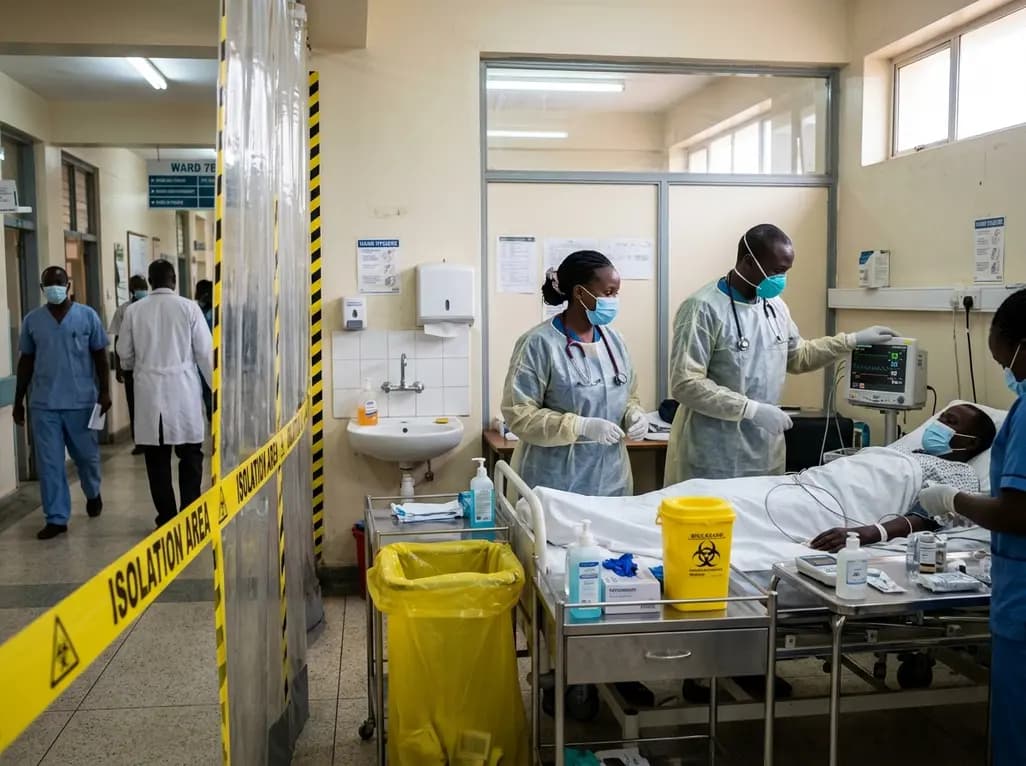
Kenya's confirmation of its eighth Ebola infection highlights the acute risk of secondary transmission in hospital environments. Clinicians must maintain high vigilance, enforce strict infection prevention protocols, and implement rapid triage mechanisms for viral hemorrhagic fevers across healthcare settings.
3 days back
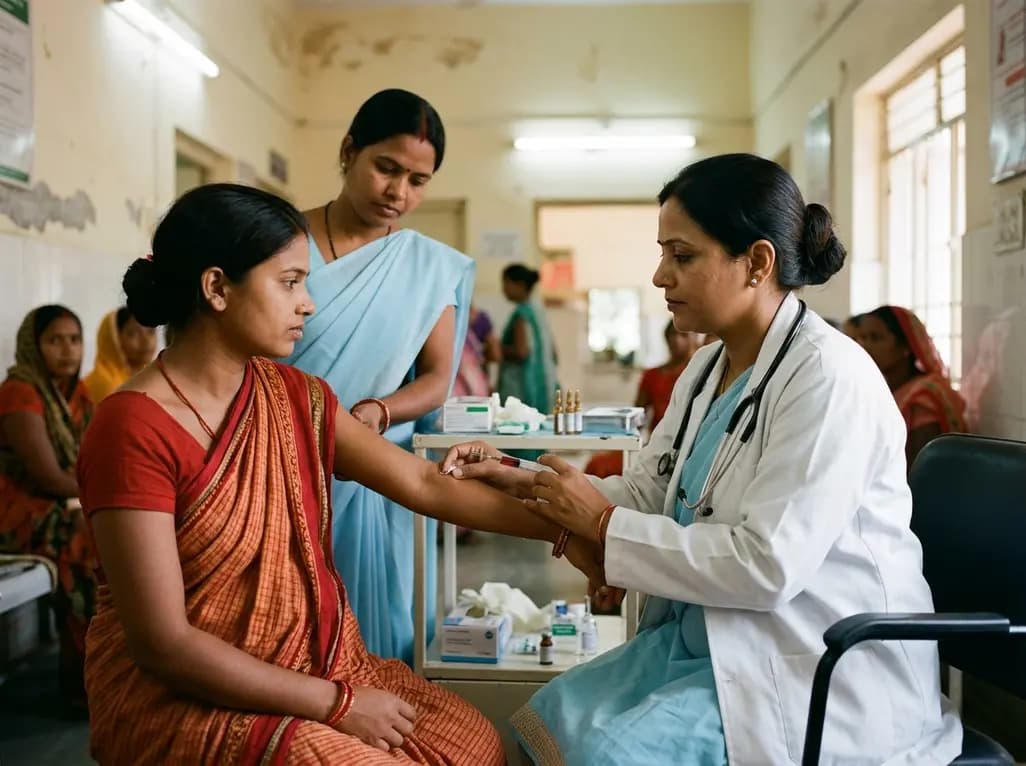
Maternal anaemia contributes to nearly half of pregnancy-related fatalities across India. To prevent complications, Uttar Pradesh has added single-dose parenteral iron to its essential medicines list. This clinical transition aims to restore haemoglobin rapidly and protect high-risk mothers across rural facilities.
Last week

India's food safety authority FSSAI has issued show-cause notices to Gemini Edibles, BigBasket, and Flipkart for unpermitted cardiovascular claims regarding Freedom Rice Bran Oil. This regulatory move highlights the strict enforcement of advertising standards and the clinical necessity of evidence-based lipid care.
5 days back
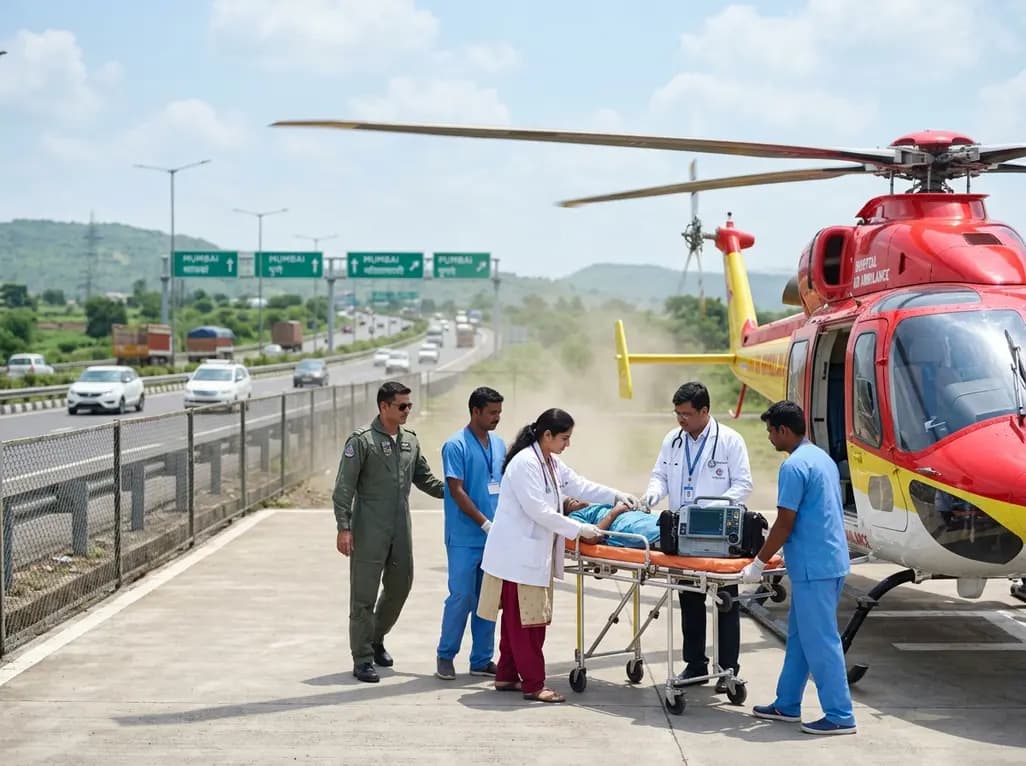
The state government is deploying helicopter emergency medical services across the Mumbai-Pune Expressway, Samruddhi Mahamarg, and Mumbai-Goa Highway. This initiative establishes unified standard operating procedures to enable rapid triage, advanced prehospital resuscitation, and seamless trauma care transfers.
Last week
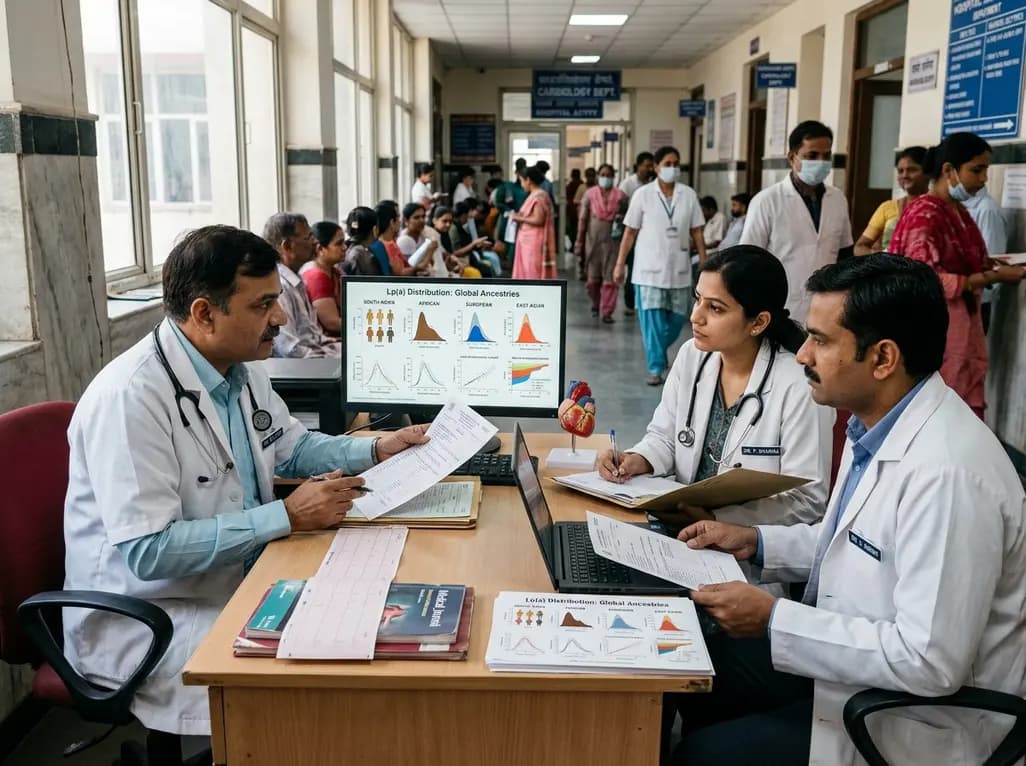
Atherosclerotic cardiovascular disease guidelines often rely on European-derived lipoprotein(a) cutoffs. However, baseline Lp(a) levels vary widely across ancestries, including South Asians and Africans. Clinicians must interpret Lp(a) values within overall absolute cardiovascular risk.
Last week
