.webp&w=384&q=75)

Loading, please wait...
Loading, please wait...
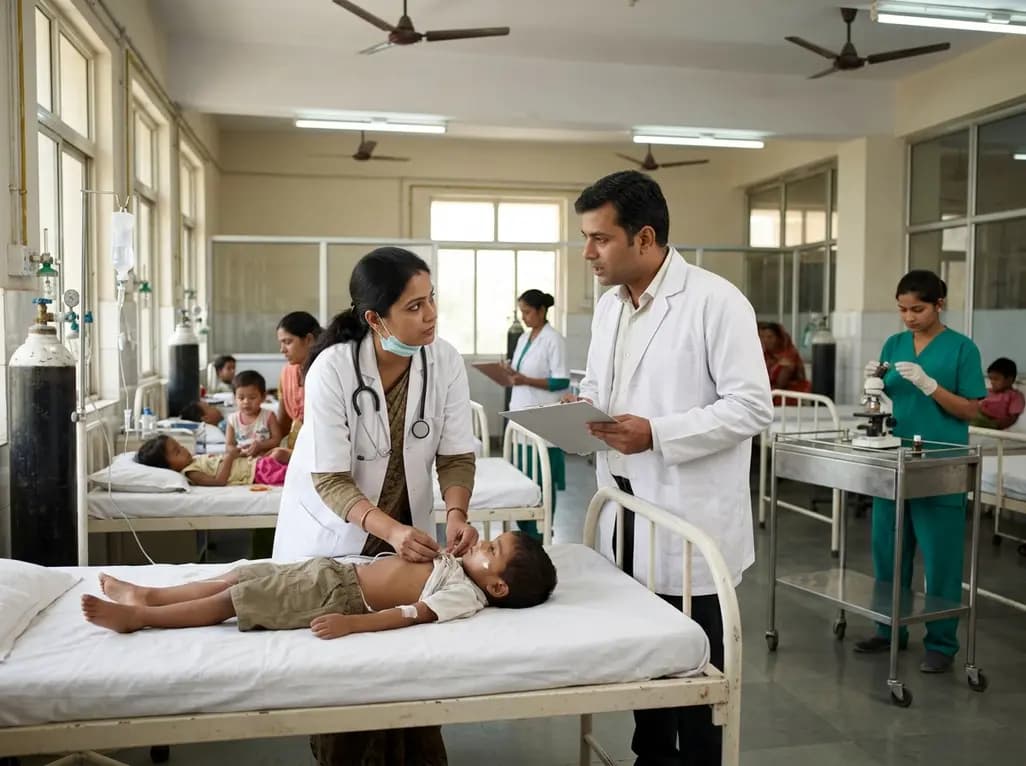
The recent fatal cases reported in Chhattisgarh highlight the persistent danger of cerebral malaria during the monsoon season in endemic Indian districts. Health officials confirmed the deaths of two young children at the Kanker Government Medical College Hospital due to severe Plasmodium falciparum infection. In addition, five other pediatric patients remain admitted under intensive hospital care, while proactive screening drives continue across local tribal hostels and residential schools. Severe malaria rapidly progresses to life-threatening complications when early symptoms remain undetected. Therefore, healthcare providers must maintain high clinical suspicion, initiate rapid diagnostic testing, and deploy prompt parenteral antimalarial therapy to prevent avoidable pediatric mortality in high-risk rural populations across the state.
Cerebral malaria represents the most severe and rapidly fatal neurological complication of Plasmodium falciparum infection. Pathophysiologically, the disease involves the sequestration of parasitized red blood cells within the cerebral microvascular network. Parasite-encoded surface proteins cause infected erythrocytes to adhere to endothelial receptors, which obstructs microvascular blood flow. Consequently, local tissue hypoxia, blood-brain barrier dysfunction, and hyperinflammatory cytokine cascades rapidly develop. In pediatric patients, diffuse cerebral edema frequently raises intracranial pressure, which significantly increases the risk of brainstem herniation and rapid neurological decline.
Clinically, cerebral malaria presents as an acute febrile encephalopathy characterized by impaired consciousness, altered sensorium, or generalized seizures. Physicians usually assess consciousness using the Blantyre Coma Scale in young children or the Glasgow Coma Score in older patients. Additionally, systemic complications frequently accompany neurological impairment in these patients. These complications include severe malarial anemia, hypoglycemia, metabolic acidosis, acute kidney injury, and pulmonary edema. Because clinical progression occurs swiftly, any child in an endemic region presenting with unexplained fever and altered behavior requires immediate hospital admission. Consequently, prompt medical evaluation and rapid emergency stabilization remain essential to prevent permanent neurological deficits or fatal outcomes.
Early diagnosis forms the cornerstone of effective malaria containment, particularly during seasonal surges in disease transmission. Rapid diagnostic tests detecting Plasmodium falciparum histidine-rich protein 2 or lactate dehydrogenase offer quick bedside confirmation in remote primary care centers. However, peripheral blood smear examination via thick and thin blood films remains the gold standard diagnostic method. Microscopic evaluation allows trained laboratory personnel to calculate parasite density and monitor therapeutic response over time. Furthermore, serial blood smear testing is crucial when initial screens yield negative results despite persistent high clinical suspicion in symptomatic patients.
In active surveillance programs, health teams conduct extensive field screening across vulnerable communities, tribal hostels, and residential schools. Standardized protocols mandate immediate testing for all individuals presenting with unexplained fever or systemic prodromal symptoms. Additionally, healthcare workers must evaluate symptomatic patients for metabolic disturbances, particularly hypoglycemia, which frequently mimics or exacerbates malarial encephalopathy. Diagnostic workups in hospitalized children should also include complete blood counts, arterial blood gas analysis, renal function tests, serum electrolyte measurements, and blood cultures. Consequently, comprehensive diagnostic assessment enables clinicians to differentiate cerebral malaria from bacterial meningitis, viral encephalitis, or metabolic encephalopathies.
National vector-borne disease control guidelines mandate immediate administration of parenteral antimalarial therapy for all confirmed or suspected cases of severe malaria. Intravenous artesunate serves as the first-line therapeutic agent for pediatric and adult patients alike. Artesunate rapidly reduces parasite burden compared to traditional parenteral quinine regimens. Clinicians administer intravenous artesunate at zero, twelve, and twenty-four hours, followed by daily doses until the patient fully tolerates oral medication. Subsequently, patients must complete a full three-day course of artemisinin-based combination therapy to ensure complete clearance of remaining blood-stage parasites.
In addition to antiparasitic therapy, aggressive supportive care in an intensive care setting remains critical for patient survival. Medical teams must carefully monitor fluid balance to avoid both volume overload and systemic hypoperfusion. Moreover, early correction of hypoglycemia using intravenous dextrose solutions is essential to prevent permanent neurodevelopmental damage. When seizures occur, prompt management with intravenous anticonvulsants like fosphenytoin or levetiracetam is necessary. Furthermore, severe anemia requires timely blood transfusions to maintain tissue oxygenation. Consequently, integrating potent antimalarial pharmacotherapy with meticulous critical care supportive measures markedly reduces overall mortality rates in pediatric cerebral malaria.
Managing critically ill children with cerebral malaria requires continuous monitoring within a specialized pediatric critical care unit. Clinical teams must conduct frequent neurological assessments to detect subtle changes in consciousness or signs of impending intracranial hypertension. Maintaining proper body positioning with the head elevated at thirty degrees helps optimize cerebral venous drainage and reduce intracranial pressure. Additionally, clinicians should frequently measure blood glucose levels, because pediatric patients undergoing antimalarial treatment remain exceptionally vulnerable to recurrent hypoglycemia.
Proper airway management and supplemental oxygen therapy are vital for patients exhibiting severe altered mental status, hypoxemia, or ongoing seizure activity. Moreover, healthcare providers must regularly track fluid administration via strict intake and output charting. Over-hydration can exacerbate cerebral swelling, whereas inadequate resuscitation worsens metabolic acidosis and acute kidney injury. Furthermore, broad-spectrum empiric parenteral antibiotics are often indicated initially, pending laboratory exclusion of co-existing bacterial sepsis or pyogenic meningitis. Consequently, rigorous nursing care, meticulous fluid management, continuous vital sign monitoring, and prompt multi-system surveillance directly influence clinical recovery and mitigate long-term neurological sequelae.
Preventing seasonal malaria outbreaks requires integrated public health strategies combining vector control, routine screening, and community engagement. Local health authorities must conduct active case-finding drives across tribal hostels, residential schools, and remote villages during high-transmission months. Rapid response teams should distribute artemisinin-based therapies, rapid diagnostic kits, and essential medications to peripheral healthcare centers before the monsoon season begins. Additionally, institutional residential facilities require regular indoor residual spraying, environmental vector management, and universal distribution of long-lasting insecticidal nets to protect vulnerable residents.
Furthermore, community education programs must emphasize early health-seeking behavior among parents, teachers, hostel wardens, and local caregivers. Delaying medical consultation during acute febrile illness significantly increases the risk of rapid progression to cerebral complications. Inter-departmental coordination between health services, tribal welfare departments, and local governance bodies ensures rapid referral pathways for severe cases. Consequently, establishing robust field surveillance, maintaining uninterrupted drug supply chains, reinforcing preventive environmental measures, and strengthening primary healthcare referral infrastructure are necessary steps to eliminate preventable malaria mortality across endemic regions.
Q1: What are the primary warning signs that indicate Plasmodium falciparum malaria has progressed to cerebral malaria?
The primary clinical warning signs include altered sensorium, persistent delirium, generalized seizures, extreme lethargy, and inability to recognize family members following a febrile illness. In pediatric patients, severe prostration, continuous vomiting, and acute behavioral changes often precede deep coma. Healthcare providers must recognize these neurological red flags immediately and initiate urgent referral to a tertiary medical facility equipped for parenteral antimalarial therapy and pediatric critical care support.
Q2: Why is intravenous artesunate preferred over quinine for treating severe cerebral malaria?
Intravenous artesunate is the preferred first-line therapy because it achieves significantly faster parasite clearance and reduces mortality rates compared to intravenous quinine. Furthermore, artesunate demonstrates a superior safety profile with fewer severe side effects, such as cardiotoxicity or profound hypoglycemia, which are frequently associated with quinine infusions. Consequently, national and international treatment guidelines strongly recommend parenteral artesunate as the primary therapeutic agent for all severe malaria cases.
Q3: How can residential schools and tribal hostels in endemic areas prevent malaria outbreaks during the monsoon season?
Residential institutions should implement comprehensive vector control measures, including routine indoor residual spraying, structural window netting, and ensuring all students sleep under long-lasting insecticidal nets. Additionally, school administrators must establish active health monitoring protocols to conduct rapid diagnostic testing immediately when any student develops fever. Continuous coordination with local public health teams enables early case detection, prompt treatment, and rapid emergency referral, thereby preventing institutional clusters and severe clinical complications.
Disclaimer: This content is for informational and educational purposes only. It does not constitute medical advice or replace professional judgment. Refer to the latest local and national guidelines for clinical practice.
References

Read summarized clinical updates, watch expert medical content, and earn CME certifications right from your smartphone.
Open your smartphone camera to scan and install.





Reports of pediatric deaths due to severe Plasmodium falciparum malaria in Chhattisgarh underscore the urgency of rapid field screening, early parenteral artesunate administration, and intensive supportive care. This review outlines diagnostic protocols, treatment guidelines, and pediatric surveillance strategies.
2 months ago
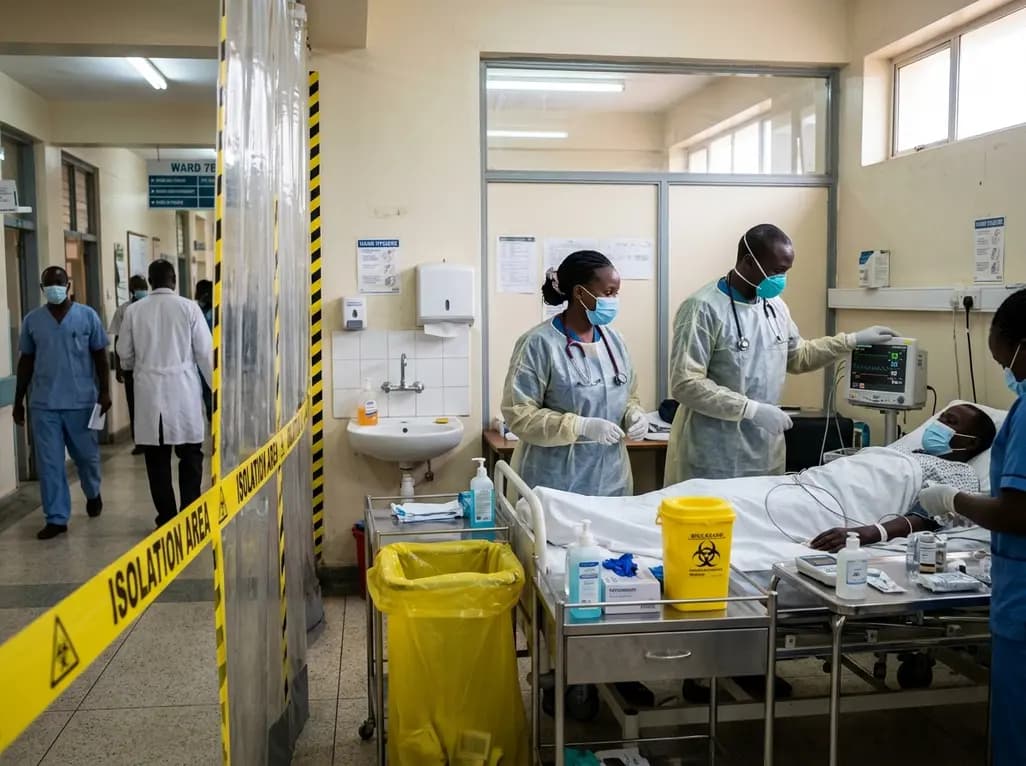
Kenya's confirmation of its eighth Ebola infection highlights the acute risk of secondary transmission in hospital environments. Clinicians must maintain high vigilance, enforce strict infection prevention protocols, and implement rapid triage mechanisms for viral hemorrhagic fevers across healthcare settings.
3 days back
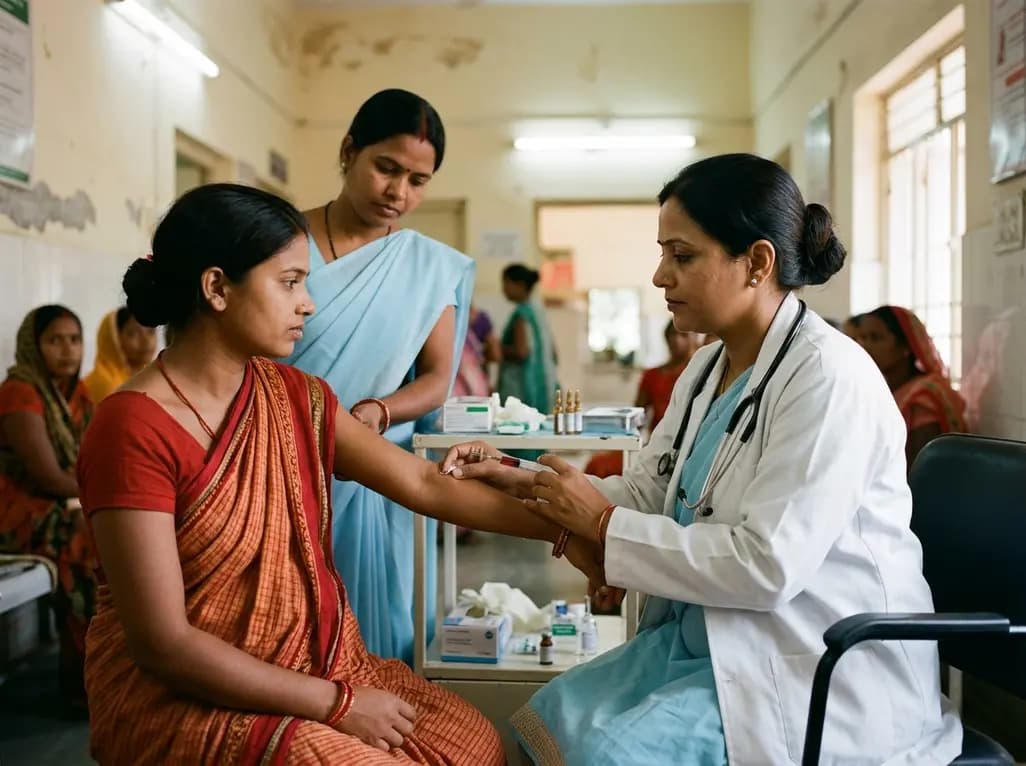
Maternal anaemia contributes to nearly half of pregnancy-related fatalities across India. To prevent complications, Uttar Pradesh has added single-dose parenteral iron to its essential medicines list. This clinical transition aims to restore haemoglobin rapidly and protect high-risk mothers across rural facilities.
Last week

India's food safety authority FSSAI has issued show-cause notices to Gemini Edibles, BigBasket, and Flipkart for unpermitted cardiovascular claims regarding Freedom Rice Bran Oil. This regulatory move highlights the strict enforcement of advertising standards and the clinical necessity of evidence-based lipid care.
5 days back
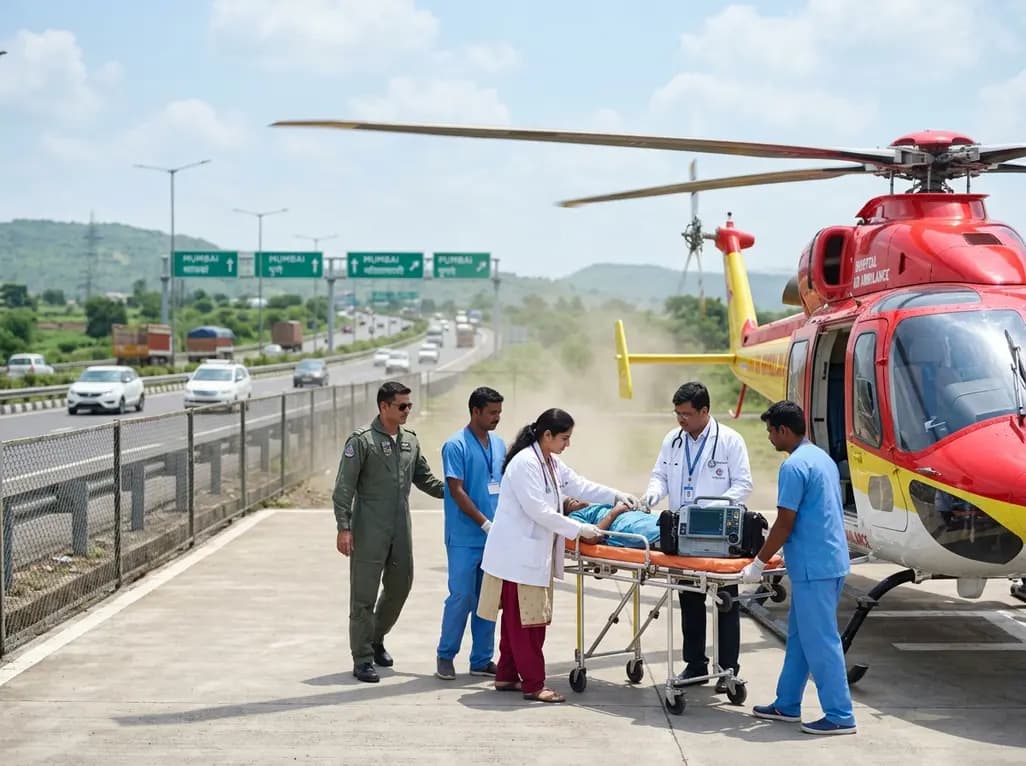
The state government is deploying helicopter emergency medical services across the Mumbai-Pune Expressway, Samruddhi Mahamarg, and Mumbai-Goa Highway. This initiative establishes unified standard operating procedures to enable rapid triage, advanced prehospital resuscitation, and seamless trauma care transfers.
Last week
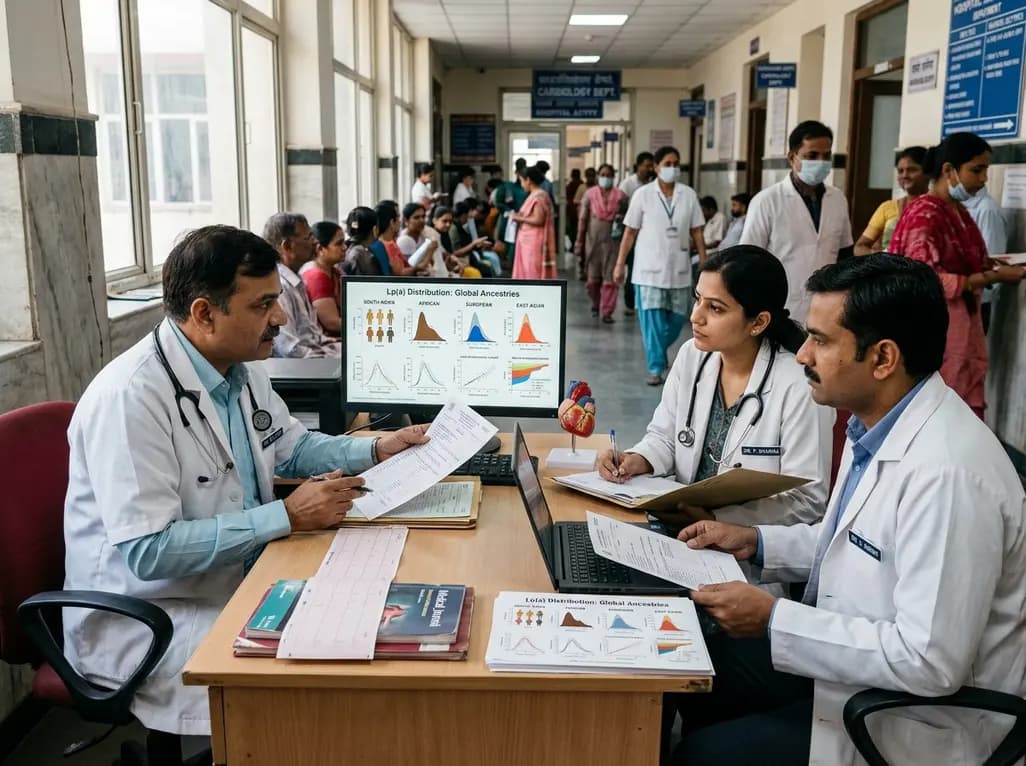
Atherosclerotic cardiovascular disease guidelines often rely on European-derived lipoprotein(a) cutoffs. However, baseline Lp(a) levels vary widely across ancestries, including South Asians and Africans. Clinicians must interpret Lp(a) values within overall absolute cardiovascular risk.
Last week
