.webp&w=384&q=75)

Loading, please wait...
Loading, please wait...

The Central Drugs Standard Control Organisation (CDSCO) has taken a decisive step to regularize India's assisted reproductive technology sector. Consequently, the regulator has issued a strict circular targeting the unauthorized distribution of laboratory materials. Specifically, this directive enforces new IVF media supply restrictions across the country. Unregulated environments expose couples to serious clinical risks. Therefore, this policy represents a major safety milestone for patients.
To begin with, the Drugs Controller General of India (DCGI) issued this significant circular on June 23, 2026. This directive strictly mandates that crucial laboratory consumables can only go to registered fertility centers. These essential materials include culture media, cryopreservation media, reagents, and other active consumables. Previously, many unlicensed centers routinely managed to buy these regulated items. However, the regulatory body noticed these dangerous leaks and decided to intervene immediately. Consequently, the new ruling enforces absolute traceability throughout the supply chain. Manufacturers and importers must now verify the legal registration of every single client before shipping products. Therefore, suppliers can no longer sell these devices to unverified clinics. In addition, the circular applies to all states and union territories. Regulatory bodies at both central and state levels will monitor this implementation closely. As a result, the government hopes to eradicate the shadow market for fertility procedures completely. This bold action protects vulnerable couples from unauthorized clinical environments. Ultimately, this nationwide directive ensures that only licensed professionals handle delicate human gametes and embryos.
In the first place, laboratory media are vital for handling, preserving, and growing eggs, sperm, and embryos during fertility treatments. Therefore, any compromise in the quality of these solutions can severely impact embryonic development. Substandard media can lead to cycle failure or, worse, genetic abnormalities. Because of these dangers, implementing strict IVF media supply restrictions is essential for safeguarding public health. Unregistered clinics often operate without sterile conditions or trained embryologists. Consequently, they pose a high risk of contamination and procedural errors. By restricting the supply of culture media, the government effectively halts these unsafe operations. Furthermore, this move ensures that all procedures occur under certified conditions. Patients will now have greater assurance regarding the safety of their medical care. Additionally, the policy prevents the commercial exploitation of desperate couples. Many unregistered clinics lure patients with false promises while using unapproved materials. Thus, this regulatory action enforces medical ethics across the industry. Eventually, patients will benefit from higher success rates in registered clinics. For this reason, top gynecologists have widely welcomed the new policy. They believe it elevates India's reproductive medicine standard.
To clarify, the Medical Devices Rules, 2017, legally classify IVF media and reagents as medical devices. As a result, they require specific licenses for import, manufacture, sale, and distribution. The government created these laws to ensure that only tested, high-quality products enter the market. Meanwhile, the Assisted Reproductive Technology (Regulation) Act, 2021, and the Surrogacy (Regulation) Act, 2021, regulate clinical operations. Together, these frameworks protect patients. However, a significant gap previously existed where unlicensed clinics purchased licensed devices. This loophole allowed illegal IVF practices to flourish across many cities. Consequently, the CDSCO has now bridged this gap by aligning both sets of laws. Stakeholders must now verify clinical registrations under both 2021 Acts. Specifically, manufacturers must maintain detailed records of their buyers' licenses. This paperwork must be available for government inspection at any time. Furthermore, non-compliance can lead to severe penalties, including license cancellation. Thus, the legal framework is now watertight and highly integrated. By combining medical device laws with clinical regulations, the CDSCO has closed the escape routes for bad actors in reproductive healthcare.
Undoubtedly, this directive will heavily disrupt the operations of unregistered fertility centers. Because they can no longer procure essential laboratory solutions, their daily functions will grind to a halt. Consequently, these clinics must either shut down or pursue immediate registration. This sudden halt protects vulnerable patients. Previously, these uncertified centers operated under the radar, bypassing stringent safety checks. Meanwhile, they managed to access high-grade consumables, which lent them a false veneer of legitimacy. However, the new upstream enforcement cut off their supply lines completely. As a result, the growth of the illegal fertility industry will face a massive decline. Furthermore, the CDSCO has ordered state licensing authorities to increase ground-level monitoring. They will inspect local distributors to ensure full compliance with the circular. Therefore, state licensing authorities will immediately prosecute any dealer found supplying to unlicensed clinics. In addition, the CDSCO zonal offices will audit import records of IVF media. This comprehensive surveillance makes it impossible for unregistered centers to survive. Ultimately, this cleanup will strengthen the trust of patients in the Indian healthcare system.
To adapt to this changing landscape, fertility centers must prioritize immediate registration. They must submit all required paperwork to the state licensing authorities under the ART and Surrogacy Acts. In addition, they must ensure their in-house laboratories meet the strict criteria specified under the 2017 Medical Devices Rules. Meanwhile, manufacturers and importers should update their customer databases immediately. Specifically, they must verify and document the registration certificates of all clinics they supply. If a clinic fails to provide these documents, suppliers must stop shipments without delay. Furthermore, distributors must keep computerized logs of all sales to facilitate regulatory audits. Therefore, transition to this new system requires active collaboration from all industry stakeholders. On one hand, it may cause temporary administrative delays for clinics seeking registration. On the other hand, the long-term benefit of a safe and standardized sector far outweighs these challenges. Indeed, this strict transition marks a mature milestone for Indian reproductive medicine. Ultimately, maintaining high standards will attract more international patients, boosting medical tourism. Thus, compliance is not just a legal obligation but a key pathway to sustainable growth.
Q1: Why did the CDSCO restrict the supply of IVF media and related consumables to registered fertility centers?
To clarify, the CDSCO observed that critical laboratory consumables were being supplied to unregistered clinics. Consequently, these unlicensed facilities posed significant risks to patient safety and clinical outcomes. Therefore, the regulator restricted the supply exclusively to registered centers. This action effectively stops illegal clinics from operating in India. It also ensures that only certified professionals handle sensitive reproductive procedures under strict ethical and clinical standards.
Q2: What specific Acts govern the registration of fertility clinics and sperm banks in India?
Currently, two primary national laws govern these reproductive facilities in India. Firstly, the Assisted Reproductive Technology (Regulation) Act, 2021, regulates all clinical and laboratory processes. Secondly, the Surrogacy (Regulation) Act, 2021, strictly oversees surrogacy practices. Together, these frameworks mandate compulsory registration for all fertility clinics and banks. Consequently, this ensures that only compliant facilities can legally access vital reproductive healthcare technologies and consumables.
Q3: How are IVF culture media and reagents classified and regulated under Indian law?
Specifically, IVF culture media, cryopreservation solutions, and reagents are regulated as medical devices under Indian legislation. Therefore, they fall directly under the provisions of the Medical Devices Rules, 2017. As a result, manufacturers and importers must obtain valid licenses from the CDSCO before selling these items. Furthermore, suppliers are legally prohibited from distributing these medical devices to any clinics without valid registration certificates.
Disclaimer: This content is for informational and educational purposes only. It does not constitute medical advice or replace professional judgment. Refer to the latest local and national guidelines for clinical practice.
References

Read summarized clinical updates, watch expert medical content, and earn CME certifications right from your smartphone.
Open your smartphone camera to scan and install.





India's CDSCO has issued a landmark directive restricting the supply of critical IVF culture media, cryopreservation solutions, and reagents exclusively to fertility centers registered under the ART and Surrogacy Acts. This policy aims to safeguard patient health and shut down unauthorized clinics.
3 months ago
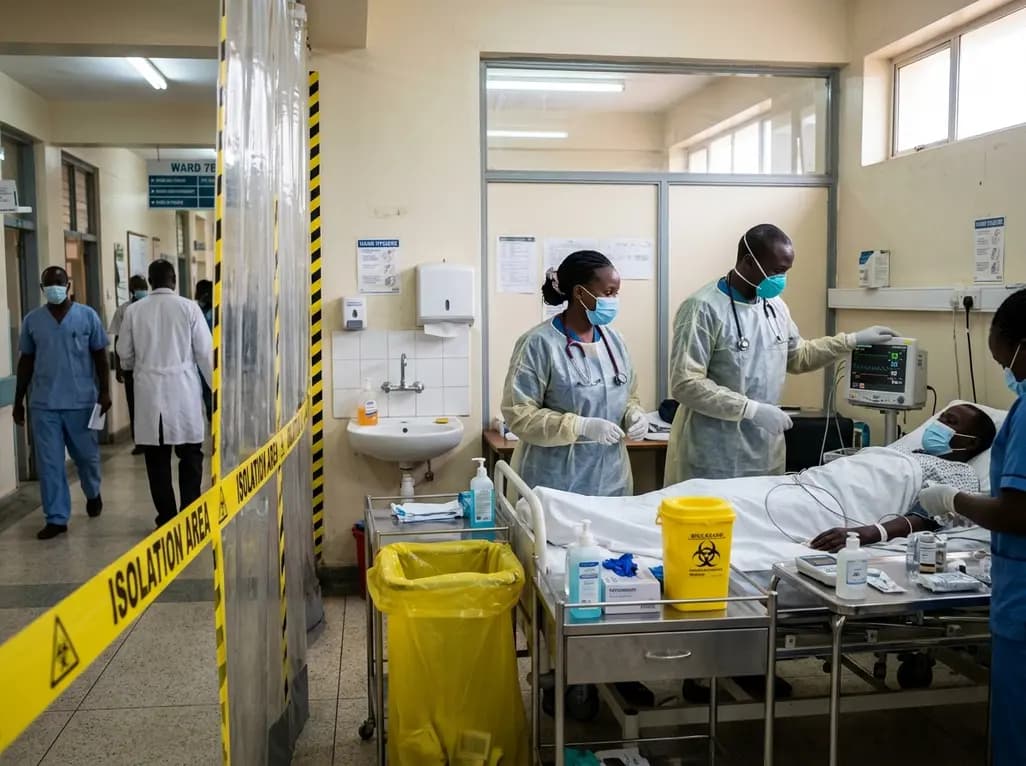
Kenya's confirmation of its eighth Ebola infection highlights the acute risk of secondary transmission in hospital environments. Clinicians must maintain high vigilance, enforce strict infection prevention protocols, and implement rapid triage mechanisms for viral hemorrhagic fevers across healthcare settings.
4 days back
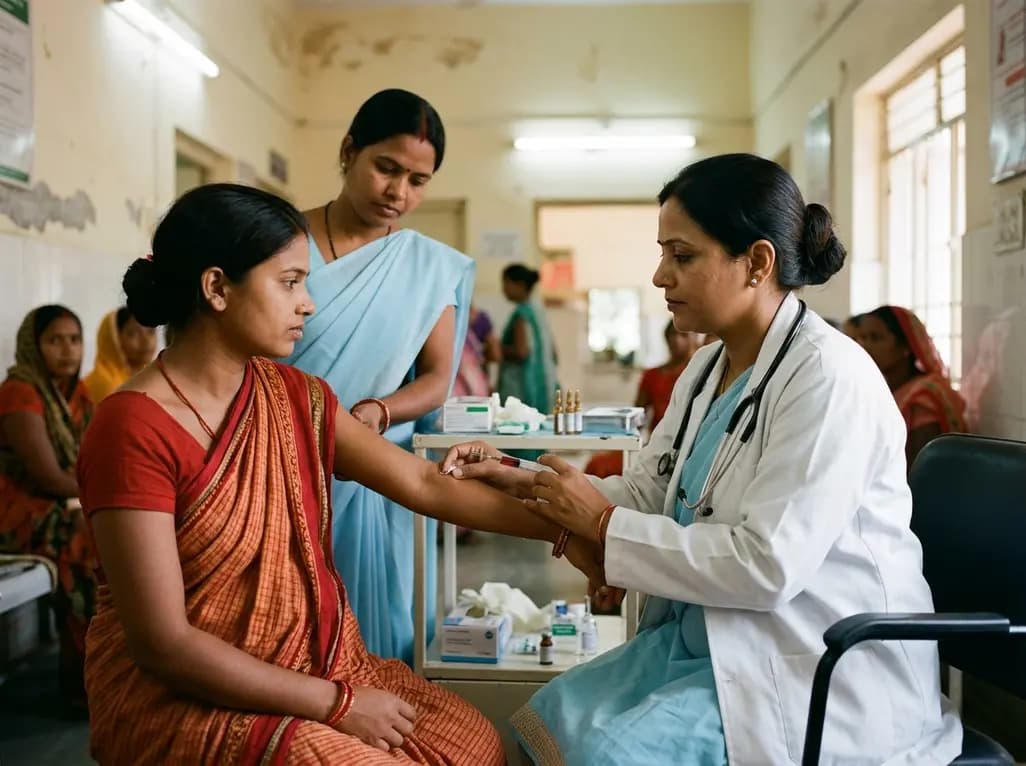
Maternal anaemia contributes to nearly half of pregnancy-related fatalities across India. To prevent complications, Uttar Pradesh has added single-dose parenteral iron to its essential medicines list. This clinical transition aims to restore haemoglobin rapidly and protect high-risk mothers across rural facilities.
Last week

India's food safety authority FSSAI has issued show-cause notices to Gemini Edibles, BigBasket, and Flipkart for unpermitted cardiovascular claims regarding Freedom Rice Bran Oil. This regulatory move highlights the strict enforcement of advertising standards and the clinical necessity of evidence-based lipid care.
6 days back

The state government is deploying helicopter emergency medical services across the Mumbai-Pune Expressway, Samruddhi Mahamarg, and Mumbai-Goa Highway. This initiative establishes unified standard operating procedures to enable rapid triage, advanced prehospital resuscitation, and seamless trauma care transfers.
Last week
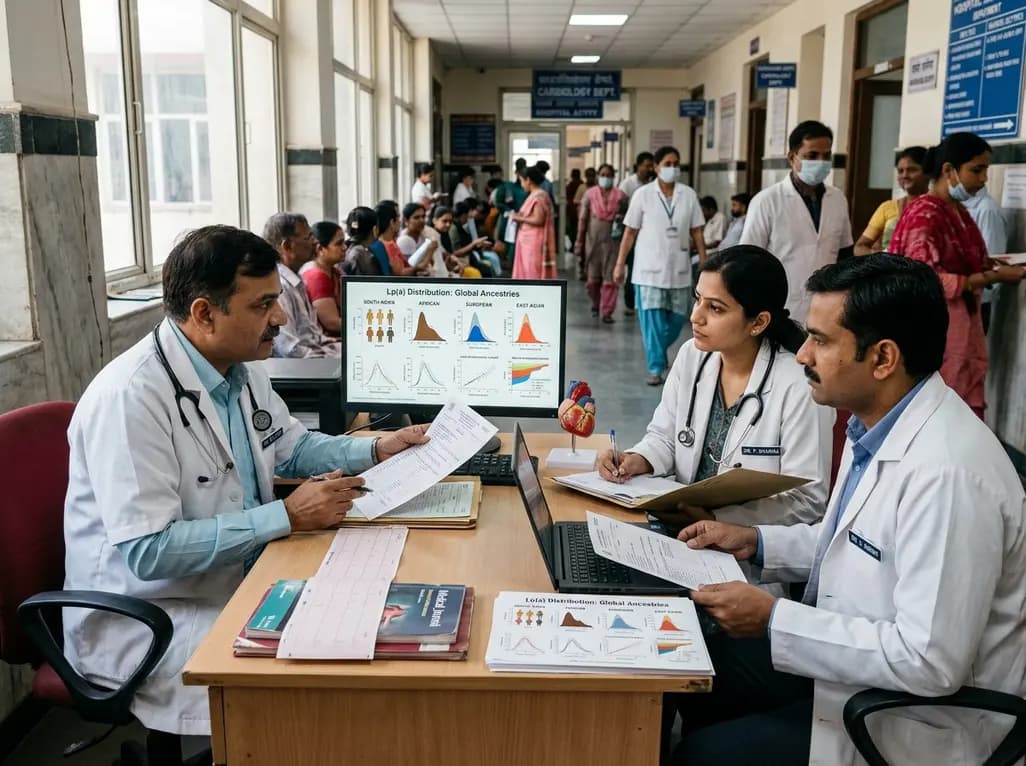
Atherosclerotic cardiovascular disease guidelines often rely on European-derived lipoprotein(a) cutoffs. However, baseline Lp(a) levels vary widely across ancestries, including South Asians and Africans. Clinicians must interpret Lp(a) values within overall absolute cardiovascular risk.
Last week
