.webp&w=384&q=75)

Loading, please wait...
Loading, please wait...

The recent surge of viral hemorrhagic fever in central Africa has triggered major concern among international health organizations and medical professionals. Officially declared in mid-May 2026, the ongoing Bundibugyo Ebola strain outbreak has expanded rapidly across eastern Democratic Republic of Congo. Medics have now recorded over 3,000 confirmed infections and more than 1,350 deaths within a brief ten-day escalation period. Consequently, health authorities are intensifying field surveillance, diagnostic testing, and hospital isolation protocols across affected health zones. Understanding this specific viral species remains crucial for guiding clinical management, vaccine research, and outbreak containment measures.
The rapid geographical expansion of this epidemic highlights severe public health vulnerabilities in conflict-affected regions. Initial disease clusters emerged in the northeastern province of Ituri, which remains the primary epicenter of viral transmission. Currently, Ituri accounts for nearly ninety percent of all confirmed cases across the nation. However, intense population movement and localized violence have allowed the virus to cross provincial boundaries. Active transmission chains are now confirmed across five provinces, including North Kivu, Haut-Uele, Tshopo, and South Kivu. Furthermore, cross-border surveillance teams have identified sporadic imported cases in neighboring Uganda, requiring swift quarantine measures. Epidemiological reports indicate that total case counts climbed from two thousand to over three thousand in just ten days. Officials attribute this sudden surge partly to improved diagnostic capacity and expanded mobile laboratory testing. Consequently, field teams are identifying previously undetected chains of transmission in rural communities. Nevertheless, ongoing healthcare worker strikes over unpaid wages continue to disrupt patient care and contact tracing in key regional hospitals. Additionally, severe logistical constraints in remote areas complicate the delivery of essential medical supplies. Public health experts anticipate that containment efforts will require several more months of intensive international collaboration and field support.
Accurate identification of the underlying viral pathogen is critical for establishing effective clinical strategies. The orthobolavirus genus includes several distinct viral species, such as Zaire, Sudan, Tai Forest, Reston, Bombali, and Bundibugyo ebolavirus. Notably, the Bundibugyo species was first isolated during an outbreak in western Uganda in 2007. Although it shares key structural features with other filoviruses, its surface glycoprotein possesses unique antigenic properties. Consequently, monoclonal antibody treatments and licensed vaccines designed for the Zaire strain do not provide clinical cross-protection against Bundibugyo infection. Definitive laboratory diagnosis requires real-time reverse transcription polymerase chain reaction testing on venous blood samples. Clinicians must handle all patient specimens with strict biosafety precautions to prevent accidental exposure. In addition, rapid antigen detection tests offer valuable triage support in decentralized health centers lacking complex laboratory infrastructure. However, early symptoms frequently resemble endemic infectious diseases such as malaria, typhoid fever, or chikungunya. Therefore, healthcare providers in affected regions must maintain high clinical suspicion for any patient presenting with acute fever, headache, and gastrointestinal distress. Early isolation remains the most effective intervention to prevent secondary transmission within health facilities and households.
Patients infected with the Bundibugyo virus typically present following an incubation period of two to twenty-one days. Initial symptoms manifest abruptly with severe fever, profound fatigue, generalized myalgia, frontal headache, and pharyngitis. Subsequently, patients develop severe gastrointestinal manifestations, including persistent nausea, intractable vomiting, severe abdominal cramping, and watery diarrhea. Although overt hemorrhage occurs in less than half of affected individuals, severe fluid loss rapidly leads to hypovolemia, electrolyte disturbances, and acute renal failure. Currently, no specific antiviral agent is approved for treating Bundibugyo virus disease. Consequently, comprehensive supportive care remains the primary therapeutic intervention for hospitalized patients. Clinicians must initiate prompt intravenous fluid resuscitation to restore intravascular volume and maintain organ perfusion. Furthermore, continuous monitoring of serum sodium, potassium, and magnesium levels is crucial to prevent fatal cardiac dysrhythmias. Additionally, empiric administration of antimalarial agents and broad-spectrum antibiotics is recommended when co-infections cannot be excluded. Enteral nutritional support should also be introduced early to support metabolic stability and gastrointestinal recovery. Meanwhile, healthcare workers must strictly adhere to personal protective equipment protocols, including fluid-impermeable gowns, double gloves, eye protection, and respiratory masks.
The lack of authorized preventive vaccines against Bundibugyo ebolavirus has spurred intensive global scientific research. Scientists from academic research centers and international coalitions are actively developing novel candidate vaccines. Notably, researchers at the Oxford Vaccine Group recently initiated a landmark Phase I clinical trial in the United Kingdom. This experimental vaccine, named ChAdOx1 BDBV, utilizes a viral vector platform similar to technology used in coronavirus vaccines. The trial aims to evaluate safety profiles and immune responses among healthy adult volunteers. Furthermore, the Serum Institute of India has rapidly manufactured and stockpiled over six hundred thousand investigational doses to support potential emergency deployment. In addition to preventive vaccines, researchers are advancing two potential antiviral drug candidates through preclinical and early clinical evaluation. Meanwhile, public health agencies are assessing whether partial immune protection might occur from existing Ebola vaccines under clinical study frameworks. However, long-term epidemic control depends on finalizing species-specific immunizations. International funding from epidemic preparedness coalitions continues to accelerate research timelines. Clinicians worldwide are closely monitoring these trial results, which represent a vital advancement for global health security and future outbreak preparedness.
Effective control of Ebola epidemics requires a comprehensive strategy integrating field surveillance, infection control, and community trust. Contact tracing teams must identify and monitor all exposed individuals for twenty-one days following potential exposure. Additionally, specialized isolation units must implement strict biosafety standards, including safe biomedical waste management and dedicated sanitation channels. Safe and dignified burial teams are essential, as deceased individuals retain high viral concentrations capable of causing super-spreading events. Furthermore, health risk communication must engage local community leaders directly to dispel fear and address resistance toward isolation centers. Meanwhile, international aid agencies are working to ensure uninterrupted supply chains for protective gear, diagnostic reagents, and rehydration fluids. Preventing nosocomial transmission requires universal implementation of standard infection control protocols across all health facilities. Healthcare institutions outside the immediate outbreak zone must also maintain active travel screening protocols for returning individuals exhibiting febrile illness. Consequently, managing this complex public health emergency demands sustained international funding, robust logistical support, and continuous clinical vigilance. Ultimately, global cooperation remains the foundation for preventing further regional and international spread.
Q1: What distinguishes the Bundibugyo strain from other Ebola virus species?
The Bundibugyo ebolavirus represents one of six recognized species within the Orthoebolavirus genus. Although it causes severe viral hemorrhagic fever similar to the Zaire strain, it possesses distinct surface glycoprotein structures. Consequently, licensed vaccines and monoclonal antibody therapies designed for Zaire ebolavirus do not offer effective cross-protection against Bundibugyo. Additionally, while historical outbreaks indicate a somewhat lower fatality rate than Zaire, Bundibugyo remains a lethal pathogen requiring rapid clinical intervention.
Q2: How is the Bundibugyo Ebola virus transmitted among humans?
Transmission occurs primarily through direct contact with broken skin or mucous membranes exposed to infectious bodily fluids. These fluids include blood, vomit, stool, urine, saliva, and sweat from infected individuals. Furthermore, contact with contaminated bedding, medical equipment, or deceased bodies during traditional funeral ceremonies presents a high transmission risk. Respiratory droplet transmission between humans has not been demonstrated. Consequently, rigorous infection control precautions and isolation procedures are mandatory in clinical settings.
Q3: What treatment options are currently available for infected patients?
Currently, no specific antiviral medication holds official regulatory approval for treating Bundibugyo ebolavirus infection. Therefore, clinical management focuses on aggressive supportive care to stabilize vital functions. Key interventions include early intravenous fluid resuscitation, electrolyte correction, nutritional support, and management of symptomatic complications. Meanwhile, clinical trials are actively evaluating candidate antiviral therapeutics and candidate vaccines, including an experimental vaccine developed by Oxford University, to establish effective target-specific treatments.
Disclaimer: This content is for informational and educational purposes only. It does not constitute medical advice or replace professional judgment. Refer to the latest local and national guidelines for clinical practice.
References

Read summarized clinical updates, watch expert medical content, and earn CME certifications right from your smartphone.
Open your smartphone camera to scan and install.





The Democratic Republic of Congo is facing a severe epidemic driven by the Bundibugyo virus, with over 3,000 confirmed cases and 1,350 deaths across five provinces. While existing Ebola vaccines target the Zaire strain, clinical trials for a new candidate from Oxford University have urgently commenced.
2 months ago
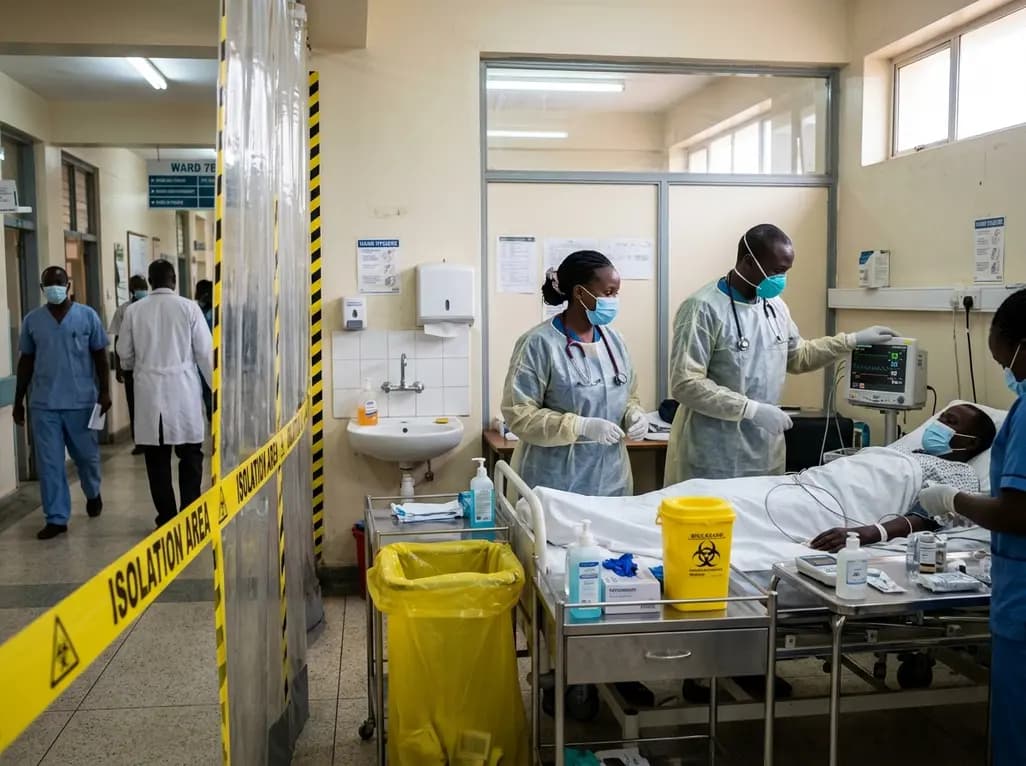
Kenya's confirmation of its eighth Ebola infection highlights the acute risk of secondary transmission in hospital environments. Clinicians must maintain high vigilance, enforce strict infection prevention protocols, and implement rapid triage mechanisms for viral hemorrhagic fevers across healthcare settings.
4 days back
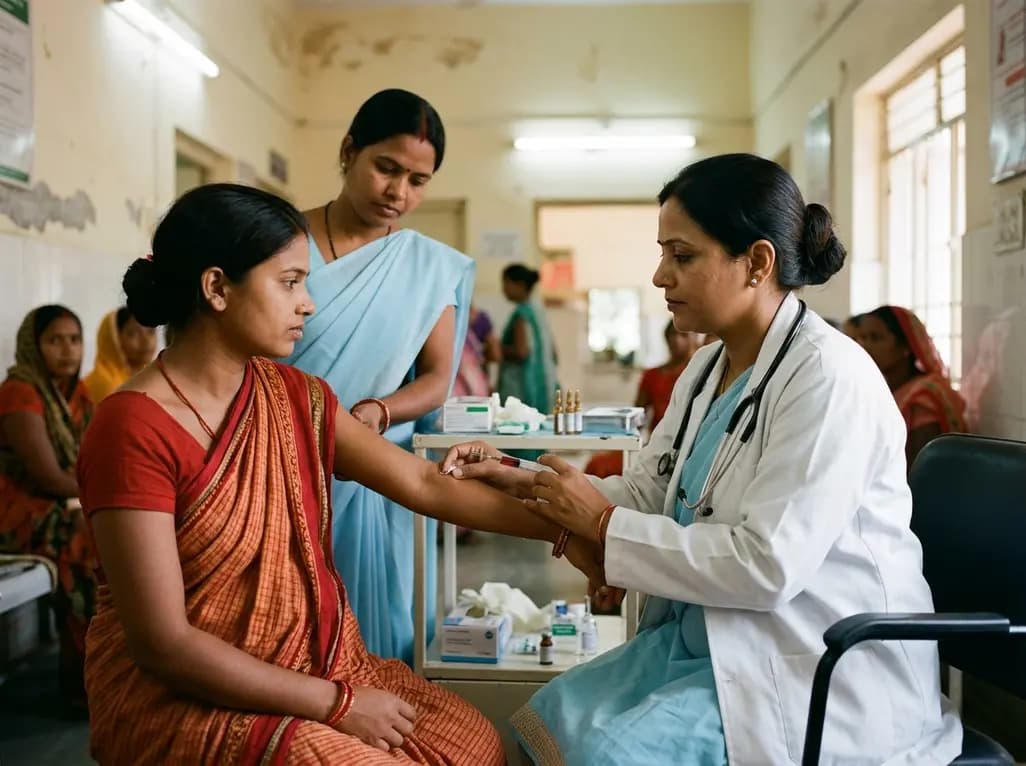
Maternal anaemia contributes to nearly half of pregnancy-related fatalities across India. To prevent complications, Uttar Pradesh has added single-dose parenteral iron to its essential medicines list. This clinical transition aims to restore haemoglobin rapidly and protect high-risk mothers across rural facilities.
Last week

India's food safety authority FSSAI has issued show-cause notices to Gemini Edibles, BigBasket, and Flipkart for unpermitted cardiovascular claims regarding Freedom Rice Bran Oil. This regulatory move highlights the strict enforcement of advertising standards and the clinical necessity of evidence-based lipid care.
6 days back
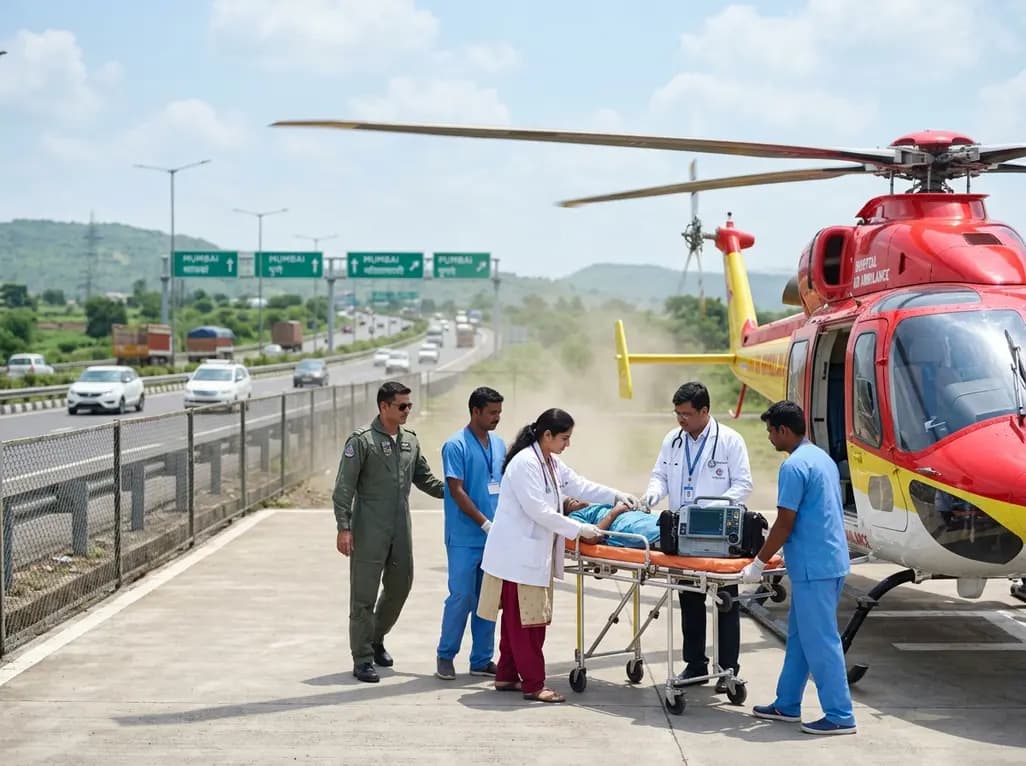
The state government is deploying helicopter emergency medical services across the Mumbai-Pune Expressway, Samruddhi Mahamarg, and Mumbai-Goa Highway. This initiative establishes unified standard operating procedures to enable rapid triage, advanced prehospital resuscitation, and seamless trauma care transfers.
Last week
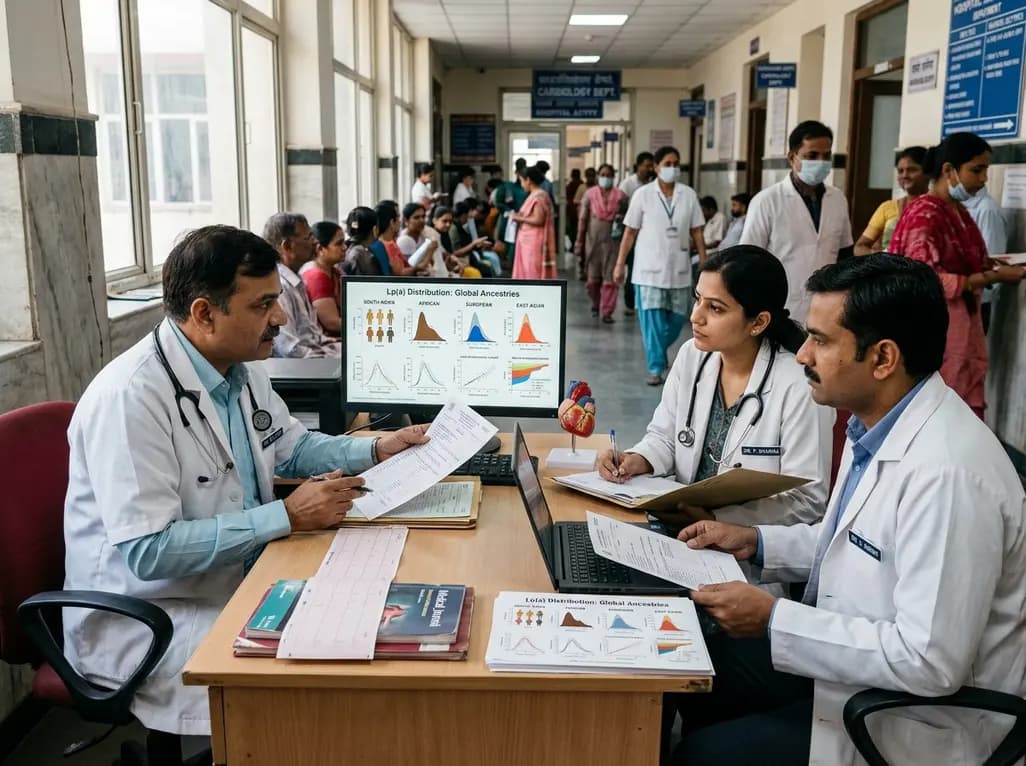
Atherosclerotic cardiovascular disease guidelines often rely on European-derived lipoprotein(a) cutoffs. However, baseline Lp(a) levels vary widely across ancestries, including South Asians and Africans. Clinicians must interpret Lp(a) values within overall absolute cardiovascular risk.
Last week
