.webp&w=384&q=75)

Loading, please wait...
Loading, please wait...

The ongoing Bundibugyo Ebola outbreak in the Democratic Republic of Congo poses a severe threat to public health and economic stability. Historically, Ebola epidemics disrupt local health systems and devastate communities. However, the current situation presents unique challenges that demand urgent global attention and coordinated medical interventions. Healthcare professionals must understand both the clinical nuances and the broader socioeconomic ramifications of this crisis. Consequently, this article analyzes the multidimensional impacts of the outbreak, offering vital clinical insights for medical providers worldwide.
According to a recent report from the United Nations Development Programme, the financial consequences of this epidemic are staggering. In fact, the agency outlined three distinct developmental scenarios for the region. Under the best-case scenario, the economic cost will likely reach $1 billion in Congo's gross domestic product. Conversely, the worst-case scenario paints a far more devastating picture for the African continent. Specifically, spreading to countries like Rwanda and Angola could contract the continental gross domestic product by $3.6 billion. Furthermore, this catastrophic scenario could result in the loss of approximately 328,000 jobs, deeply worsening regional poverty. Additionally, high global fuel costs linked to geopolitical crises could exacerbate these financial hardships, rendering containment efforts even more expensive. Therefore, the international community must recognize that this health emergency threatens to trigger a prolonged development crisis across Africa. Without swift intervention, the economic fallout will severely compromise regional healthcare infrastructure. Consequently, clinicians and policymakers must view this outbreak not merely as a localized medical problem but as a systemic threat. Indeed, healthy economies are vital for maintaining robust public health defense systems.
The current Bundibugyo Ebola outbreak demands a precise clinical understanding because the causative pathogen behaves differently from other filoviruses. Specifically, the Bundibugyo virus represents a distinct species within the genus Orthoebolavirus. While the Zaire ebolavirus typically causes higher mortality rates, the Bundibugyo species still presents severe clinical challenges. For example, patients commonly present with acute onset of high fever, intense weakness, generalized muscle pain, and severe headache. Subsequently, gastrointestinal symptoms such as vomiting, watery diarrhea, and abdominal pain frequently manifest. In severe cases, patients experience internal and external bleeding, which signals systemic vascular damage. However, diagnosing this infection early remains exceptionally difficult. This is because early clinical manifestations closely mimic endemic tropical illnesses like malaria, typhoid fever, and yellow fever. Consequently, healthcare workers must maintain a high index of suspicion in endemic zones. Moreover, clinicians must implement immediate isolation procedures for any suspected cases to protect other patients. By recognizing these atypical presentations early, medical teams can dramatically improve triage efficiency. Ultimately, rapid clinical identification is our first line of defense in minimizing healthcare-associated transmission.
One of the most alarming aspects of this epidemic is the absolute lack of approved therapeutics. In past outbreaks, medical teams successfully deployed vaccines like Ervebo to establish ring vaccination. However, these existing vaccines only target the Zaire species and offer no protection against the Bundibugyo virus. Similarly, monoclonal antibody treatments like Ebanga do not show efficacy against this specific variant. Consequently, clinical management relies entirely on aggressive supportive care. Specifically, clinicians must focus on early intravenous fluid resuscitation to combat severe dehydration. Additionally, medical teams must closely monitor electrolyte levels and correct imbalances immediately. Symptomatic treatments, such as antiemetics and antipyretics, also play a vital role in patient comfort. Meanwhile, researchers are actively evaluating several experimental vaccine candidates in clinical trials. Until these trials yield approved products, healthcare systems must rely on strict infection control measures. For instance, staff must wear full personal protective equipment at all times within treatment units. Furthermore, hospitals must establish dedicated triage areas to prevent cross-contamination. Ultimately, addressing these therapeutic gaps requires intense international collaboration and rapid regulatory pathways.
Containing the epidemic requires robust epidemiological surveillance across national borders. Currently, the outbreak centers in the northeastern provinces of the Democratic Republic of Congo. However, the region's high population mobility and active trade routes facilitate rapid viral transmission. For example, health authorities have already confirmed several cases in Uganda's capital city, Kampala. Additionally, experts warn of potential spread into neighboring South Sudan, Rwanda, and Angola. Therefore, neighboring countries must immediately scale up their screening protocols at all entry points. Specifically, border control officers should conduct temperature screenings and clinical history assessments for all incoming travelers. In addition, local laboratories must possess the diagnostic capacity to perform rapid polymerase chain reaction tests. If a suspected case arises, clinicians must initiate immediate contact tracing to isolate exposed individuals. Historically, delayed contact tracing has allowed minor outbreaks to balloon into uncontrollable epidemics. Consequently, real-time data sharing between nations is essential to prevent a wider regional disaster. Furthermore, training community health workers in surveillance techniques ensures early detection in remote areas. By fortifying these border defenses, we can halt the geographic expansion of this lethal virus.
Controlling a major infectious disease outbreak requires a unified and well-funded global response. Currently, international organizations like the World Health Organization and Africa CDC are actively coordinating with local ministries. However, severe funding shortages and local insecurity continue to hamper field operations in eastern Congo. For instance, humanitarian workers frequently face logistical challenges and security threats in conflict-affected zones. Therefore, the global community must mobilize immediate financial resources to support these frontline workers. Specifically, funding must cover essential supplies, community engagement initiatives, and local health facility upgrades. Furthermore, health education campaigns are critical to dispel misconceptions and build community trust. Historically, community resistance has severely disrupted isolation and safe burial protocols. Consequently, public health teams must partner with local leaders and trusted community voices to share accurate information. In addition, strengthening local healthcare infrastructure during a crisis leaves a lasting legacy of resilience. Ultimately, global solidarity is not just a moral obligation but a pragmatic necessity to ensure global biosecurity. If we invest heavily in containment now, we can protect thousands of lives and prevent a devastating developmental crisis.
Q1: Why does the Bundibugyo Ebola outbreak require different clinical management compared to the Zaire Ebola strain?
The Bundibugyo strain represents a distinct species of the virus. Consequently, existing vaccines and monoclonal antibodies certified for the Zaire strain are completely ineffective. Therefore, clinicians cannot rely on ring vaccination or specific antiviral therapeutics. Instead, treatment remains strictly supportive, focusing on aggressive fluid resuscitation, maintaining electrolyte balance, and managing symptoms. This therapeutic gap makes early clinical identification and strict infection control measures absolutely paramount to prevent hospital-acquired transmission.
Q2: How can healthcare workers distinguish the Bundibugyo Ebola virus from other endemic tropical diseases?
Early symptoms of this infection are highly non-specific and mimic malaria, typhoid, or yellow fever. However, clinicians should look for rapid progression from fever to gastrointestinal distress, including vomiting and watery diarrhea. In addition, the presence of unexplained bleeding from mucosal sites strongly points toward a viral hemorrhagic fever. Consequently, obtaining a detailed travel history and performing rapid diagnostic PCR testing are essential to confirm the diagnosis.
Q3: What are the primary socioeconomic risks associated with the worst-case scenario of this outbreak?
In the worst-case scenario, the virus spreads beyond Congo and Uganda to countries like Rwanda and Angola. Specifically, this geographical expansion, combined with rising global fuel costs, could contract Africa's gross domestic product by $3.6 billion. Furthermore, this economic disruption could cause the loss of over 328,000 jobs across the region. Ultimately, these financial strains can plunge millions into poverty and severely deplete the resources available for local health systems.
Disclaimer: This content is for informational and educational purposes only. It does not constitute medical advice or replace professional judgment. Refer to the latest local and national guidelines for clinical practice.
References

Read summarized clinical updates, watch expert medical content, and earn CME certifications right from your smartphone.
Open your smartphone camera to scan and install.





The UN warns that the current Bundibugyo Ebola outbreak in the Democratic Republic of Congo could cost Africa up to $3.6 billion. Discover the clinical challenges of this strain, the lack of approved vaccines, and the urgent public health and economic interventions required to prevent a wider continental crisis.
3 months ago
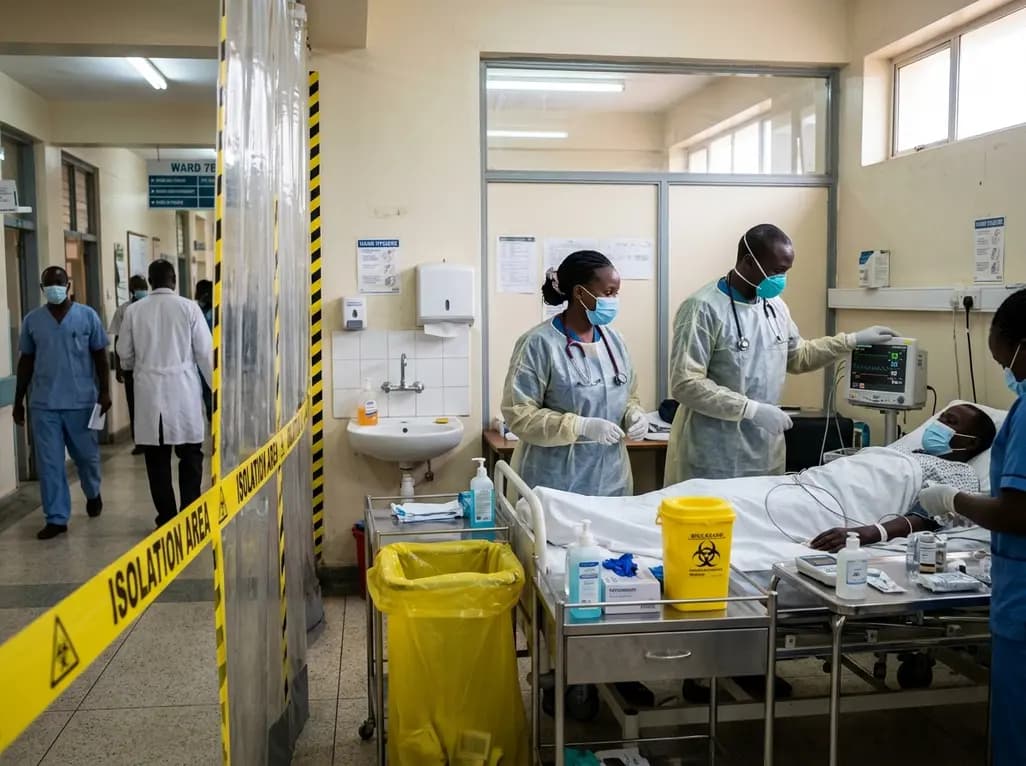
Kenya's confirmation of its eighth Ebola infection highlights the acute risk of secondary transmission in hospital environments. Clinicians must maintain high vigilance, enforce strict infection prevention protocols, and implement rapid triage mechanisms for viral hemorrhagic fevers across healthcare settings.
4 days back
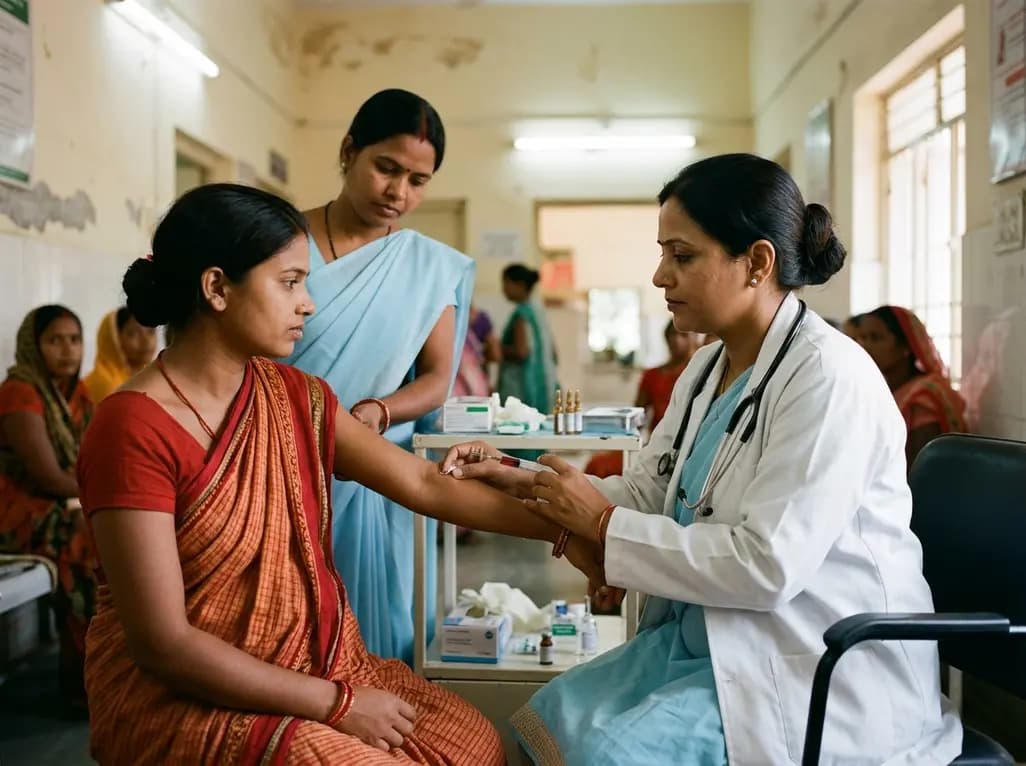
Maternal anaemia contributes to nearly half of pregnancy-related fatalities across India. To prevent complications, Uttar Pradesh has added single-dose parenteral iron to its essential medicines list. This clinical transition aims to restore haemoglobin rapidly and protect high-risk mothers across rural facilities.
Last week

India's food safety authority FSSAI has issued show-cause notices to Gemini Edibles, BigBasket, and Flipkart for unpermitted cardiovascular claims regarding Freedom Rice Bran Oil. This regulatory move highlights the strict enforcement of advertising standards and the clinical necessity of evidence-based lipid care.
6 days back
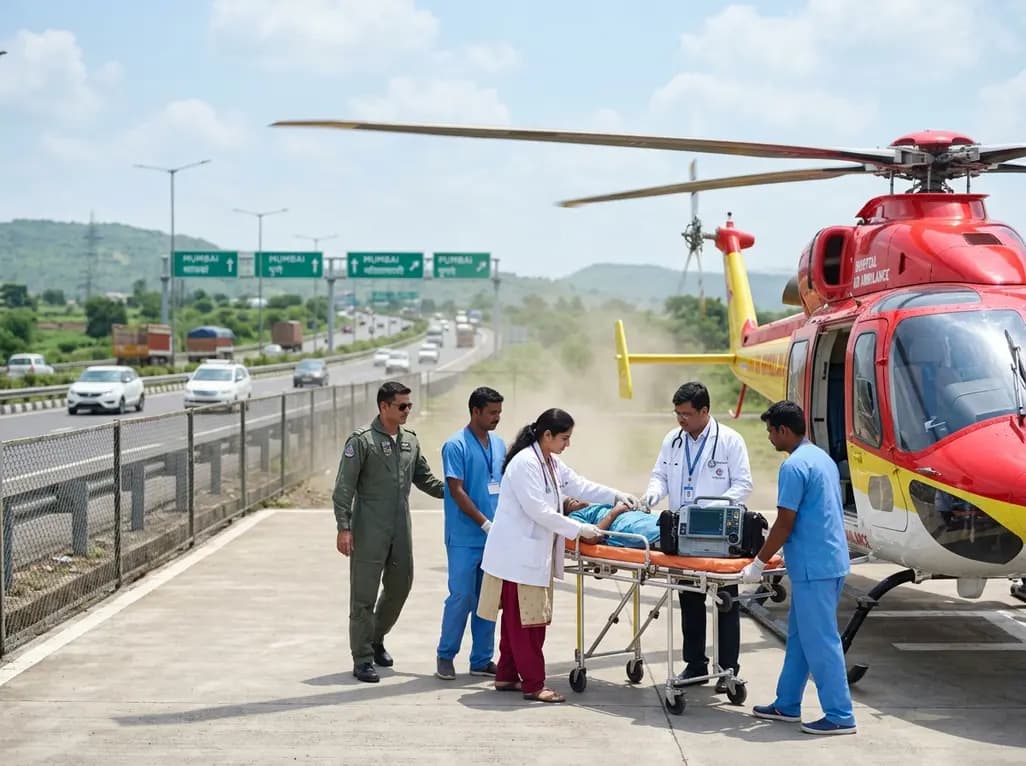
The state government is deploying helicopter emergency medical services across the Mumbai-Pune Expressway, Samruddhi Mahamarg, and Mumbai-Goa Highway. This initiative establishes unified standard operating procedures to enable rapid triage, advanced prehospital resuscitation, and seamless trauma care transfers.
Last week
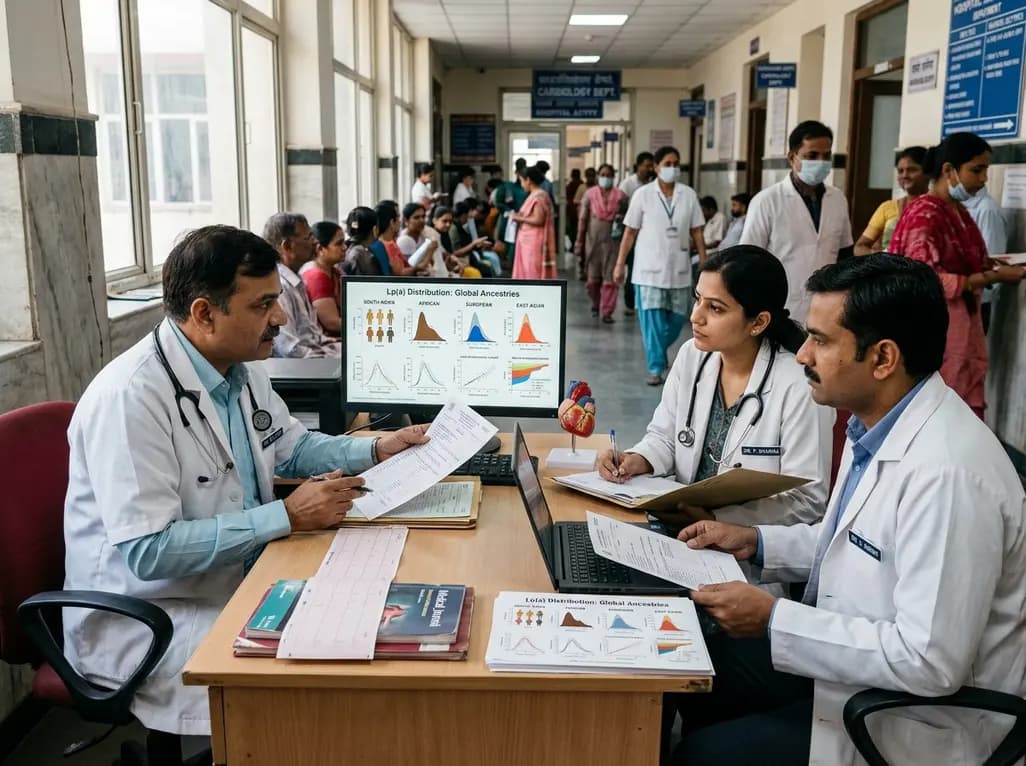
Atherosclerotic cardiovascular disease guidelines often rely on European-derived lipoprotein(a) cutoffs. However, baseline Lp(a) levels vary widely across ancestries, including South Asians and Africans. Clinicians must interpret Lp(a) values within overall absolute cardiovascular risk.
Last week
