.webp&w=384&q=75)

Loading, please wait...
Loading, please wait...
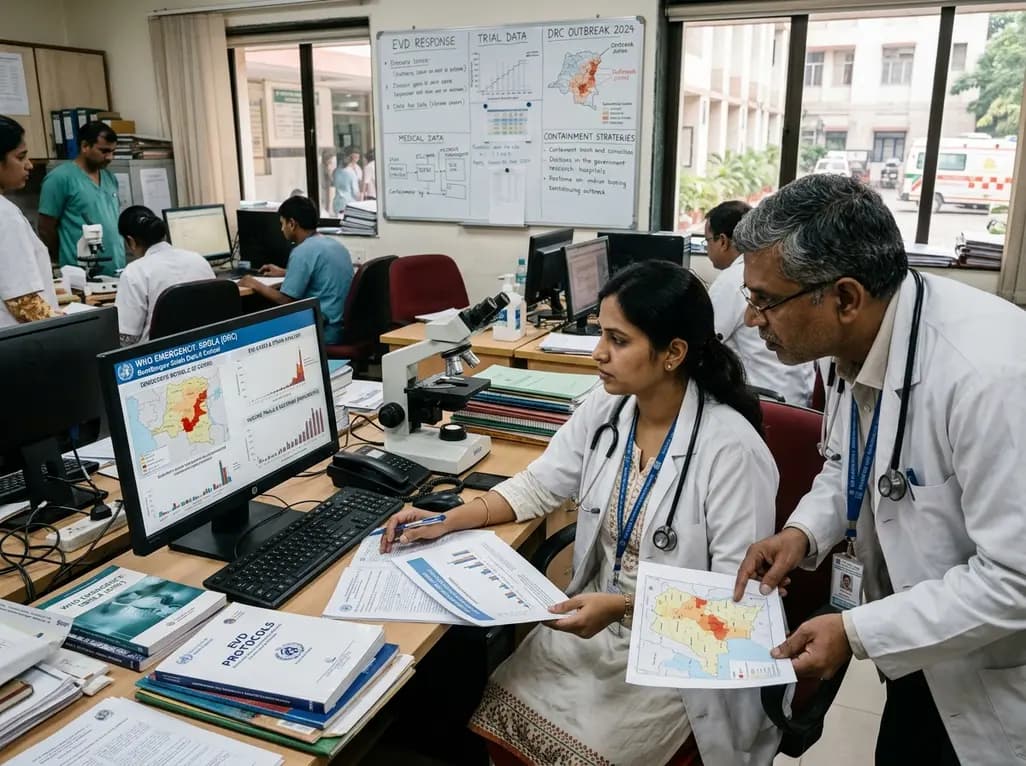
The World Health Organization recently issued a critical global warning regarding the expanding Bundibugyo Ebola outbreak in DR Congo. Health authorities reported that case counts are rising at an alarming trajectory across multiple Eastern provinces. Consequently, international medical teams are accelerating emergency public health operations to contain further geographical dissemination. Currently, the absence of approved viral countermeasures exacerbates the severity of this evolving epidemiological emergency.
Recent epidemiological reports indicate that this crisis represents the largest recorded virus outbreak in the nation. Officially declared on May 15, the contagion has spread rapidly across northeastern regions. Specifically, the epicenter remains concentrated in Ituri province, which borders South Sudan and Uganda. However, confirmed clinical cases have also emerged in North Kivu and South Kivu provinces. Furthermore, municipal centers are now reporting localized transmission chains within dense urban populations. As of late July, health agencies confirmed over 3,600 cases and more than 1,580 deaths. Consequently, the observed case fatality rate stands at approximately 44 percent. Medical experts emphasize that this high mortality rate underscores the critical need for immediate clinical resources. Additionally, contact tracing teams are struggling to monitor all exposed individuals due to rapid population mobility. Therefore, public health officials are warning that official statistics may undercount the true disease burden. Field epidemiologists continue to track secondary transmission clusters across rural health zones. Nevertheless, health system constraints continue to hinder comprehensive surveillance efforts across the affected territory.
Ebola virus disease is a severe and often fatal illness caused by filovirus infection. Patients typically present with an abrupt onset of high fever, muscle pain, fatigue, severe headache, and sore throat. Subsequently, patients develop gastrointestinal symptoms including acute vomiting, watery diarrhea, abdominal pain, and rapid dehydration. In severe cases, systemic manifestations involve impaired kidney and liver function alongside unexplained hemorrhage. Notably, internal and external bleeding may manifest as hematemesis, melena, or mucosal oozing. However, early clinical presentation often mimics other tropical pathogens such as malaria, typhoid fever, and dengue. Therefore, rapid laboratory confirmation via reverse transcription-polymerase chain reaction testing is essential for accurate triage. Clinicians must maintain high clinical suspicion when evaluating febrile patients residing in or traveling from endemic areas. Furthermore, prompt isolation of suspected cases remains vital to prevent secondary nosocomial transmission within healthcare facilities. Protective isolation wards must enforce strict infection prevention protocols to shield medical staff from exposure. Additionally, routine laboratory monitoring of electrolytes, renal parameters, and coagulation profiles is crucial during intensive supportive care. Effective supportive treatment with intravenous fluid resuscitation and electrolyte correction significantly improves patient survival rates.
The filovirus spreads primarily through direct contact with blood, secretions, organs, or other bodily fluids of infected individuals. Additionally, contact with surfaces and materials contaminated with these infectious fluids can facilitate rapid transmission. Natural reservoir hosts, particularly fruit bats, introduce the pathogen into human populations through spillover events. Subsequently, human-to-human transmission drives secondary disease clusters in domestic and healthcare settings. Crucially, the ongoing response in DR Congo faces unprecedented operational obstacles due to armed conflict. Large swathes of land remain controlled by non-state armed groups, which severely restricts humanitarian access. Consequently, thousands of displaced civilians are continuously moving across provincial and national boundaries. This extreme population mobility dramatically increases the risk of international disease spread into neighboring nations. Furthermore, healthcare workers face severe safety risks, which leads to frequent disruptions in treatment center operations. Recent strikes by unpaid medical staff have further compromised clinical care in frontline facilities. Therefore, international aid organizations are calling for immediate security guarantees and sustained financial support. Restoring stable health infrastructure is imperative to maintain contact tracing, safe burials, and community engagement.
Unlike the Zaire strain, no licensed vaccine or specific antiviral treatment currently exists for the Bundibugyo species. However, global research teams are rapidly advancing experimental candidates to address this dangerous therapeutic gap. Recently, researchers at Oxford University launched the first human clinical trial for a candidate Bundibugyo vaccine. This candidate utilizes recombinant viral vector technology similar to established adenovirus-based vaccine platforms. Meanwhile, manufacturing partners have already produced and stockpiled hundreds of thousands of doses for potential emergency deployment. Simultaneously, Singapore-based Hilleman Laboratories has partnered with international research coalitions to manufacture an alternative candidate. This candidate leverages the recombinant vesicular stomatitis virus platform, which previously yielded effective protection against Zaire ebolavirus. Additionally, clinical researchers are preparing field protocols to evaluate whether existing Ebola vaccines offer cross-protective immunity. Nonetheless, regulatory authorities emphasize that early-phase trials primarily evaluate safety and immunogenicity rather than immediate field efficacy. Therefore, public health strategies must remain reliant on classic epidemiological interventions while clinical trials proceed. Global health agencies continue to coordinate funding to accelerate regulatory reviews and manufacturing scaling.
To control viral expansion, international health organizations are deploying comprehensive outbreak management protocols. Frontline clinical teams must prioritize rigorous infection prevention and control practices across all healthcare facilities. Specifically, healthcare providers must consistently utilize personal protective equipment, including fluid-resistant gowns, double gloves, and face shields. Moreover, dedicated isolation facilities must implement strict environmental sanitation and controlled waste management procedures. In addition, community health workers play a pivotal role in active case searching and contact tracing. Educating local communities about safe burial practices and early symptom reporting remains fundamental to breaking transmission chains. Furthermore, supportive clinical care must focus on aggressive fluid replacement, electrolyte stabilization, and symptom management. Empiric broad-spectrum antibiotics and antimalarial therapies are often administered to treat concurrent infections. Meanwhile, global public health bodies are enhancing surveillance networks at international border crossings to detect potential exported cases. Coordinated cross-border communication between national public health institutes ensures rapid contact tracing across boundaries. Ultimately, combining robust clinical supportive care with strict public health measures offers the best chance to curb mortality.
Q1: What distinguishes the Bundibugyo strain from other Ebola virus species?
The Bundibugyo strain is one of six known species within the Orthoebolavirus genus. While it causes severe viral hemorrhagic fever similar to the Zaire species, Bundibugyo historically exhibits a slightly lower case fatality rate. Crucially, existing licensed vaccines and monoclonal antibody treatments specifically target Zaire ebolavirus and offer no confirmed protection against Bundibugyo. Consequently, outbreaks caused by this strain present unique management challenges requiring novel vaccine development.
Q2: How is the Bundibugyo Ebola virus transmitted between humans?
Transmission occurs through direct contact with the blood, body fluids, or organs of infected living or deceased individuals. Additionally, contact with contaminated surfaces, bedding, or clothing can transmit the virus if mucosal membranes or skin breaks are exposed. Healthcare workers and family members caring for patients face the highest transmission risk. Furthermore, traditional burial practices involving direct contact with deceased patients significantly contribute to community spread during active outbreaks.
Q3: What clinical supportive treatments are currently available for affected patients?
Because no approved targeted antiviral therapies exist for the Bundibugyo strain, clinical management relies on early and aggressive supportive care. Treatment protocols focus on oral and intravenous rehydration to manage severe fluid loss from diarrhea and vomiting. Additionally, clinicians provide electrolyte correction, analgesic support, nutritional therapy, and treatment for co-infections like malaria. Early administration of supportive care significantly reduces mortality rates among hospitalized patients.
Disclaimer: This content is for informational and educational purposes only. It does not constitute medical advice or replace professional judgment. Refer to the latest local and national guidelines for clinical practice.
References

Read summarized clinical updates, watch expert medical content, and earn CME certifications right from your smartphone.
Open your smartphone camera to scan and install.





The World Health Organization has issued an urgent alert regarding the escalating Ebola epidemic in the Democratic Republic of Congo. Driven by the rare Bundibugyo virus strain, the current surge poses complex public health challenges due to ongoing security issues and a lack of approved targeted therapies.
last month
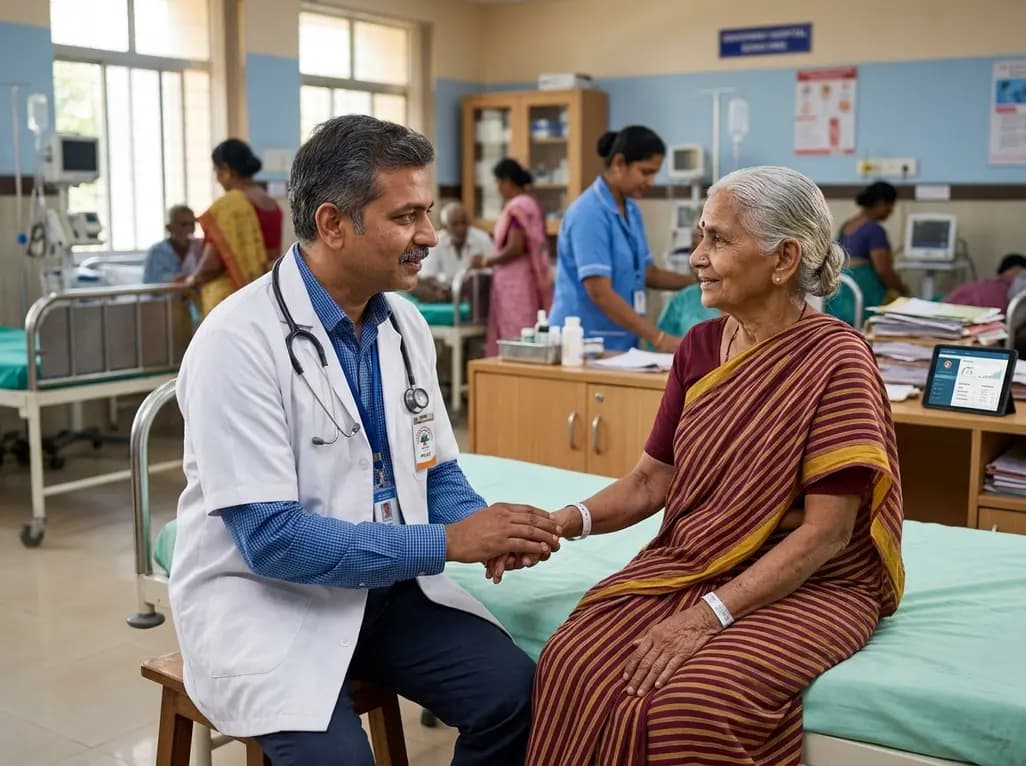
As India's geriatric demographic prepares to double to 346 million by 2050, national health initiatives are expanding. From universal PM-JAY insurance for individuals aged 70 and above to institutional care homes and dedicated digital caregiver dashboards, proactive public healthcare models are reshaping eldercare.
5 days back
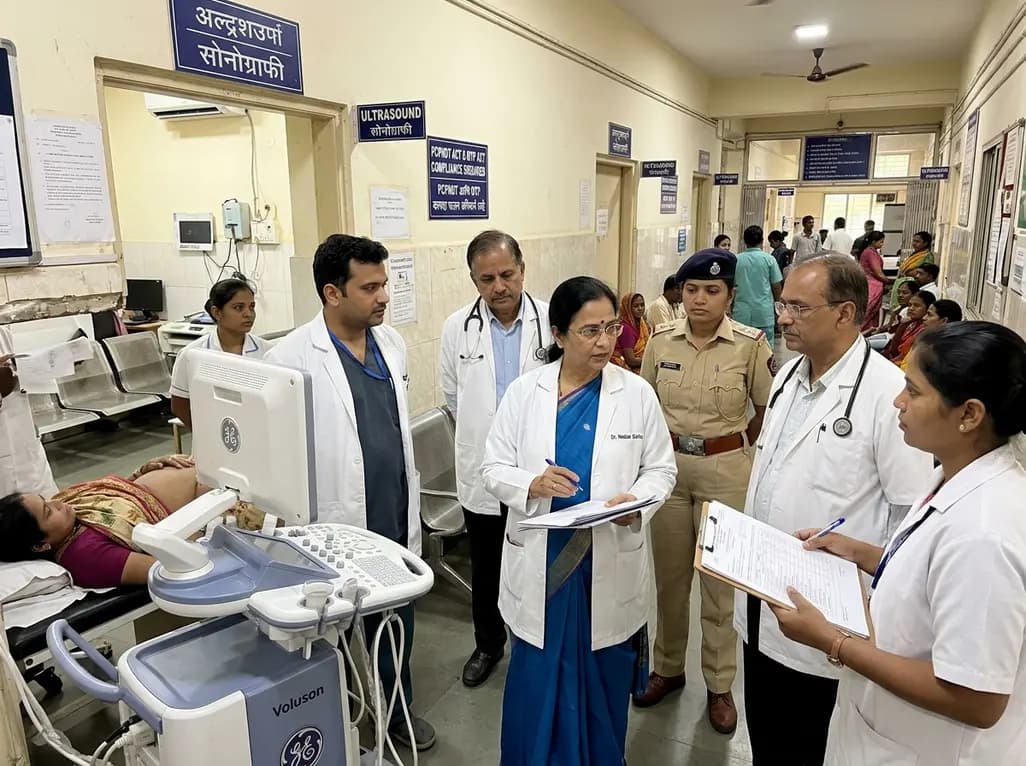
The Maharashtra public health department has established a specialized task force headed by Dr. Neelam Gorhe to eliminate illegal sex determination and unauthorized abortions. The team will execute surprise inspections of ultrasound facilities, audit medical documentation, and enforce strict statutory standards.
5 days back
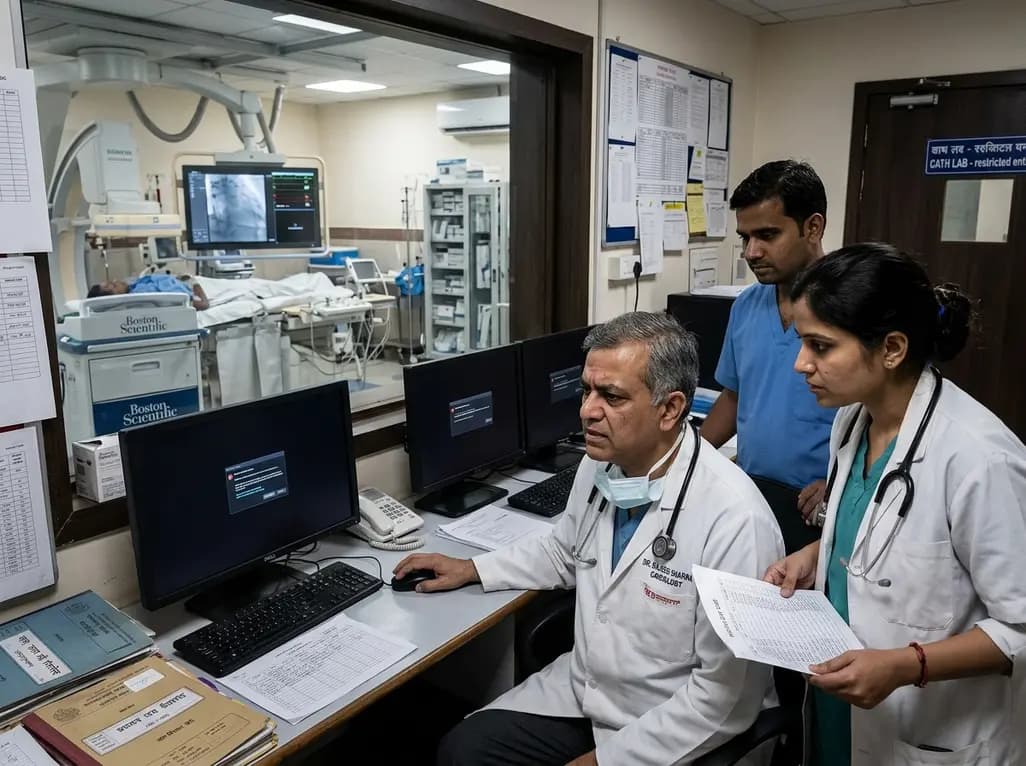
A major cybersecurity breach disrupted global operations at Boston Scientific, delaying device distribution and remote cardiac monitoring activations. This analysis examines the immediate consequences for clinical catheterization suites, electrophysiology teams, hospital inventory systems, and patient care safety.
5 days back
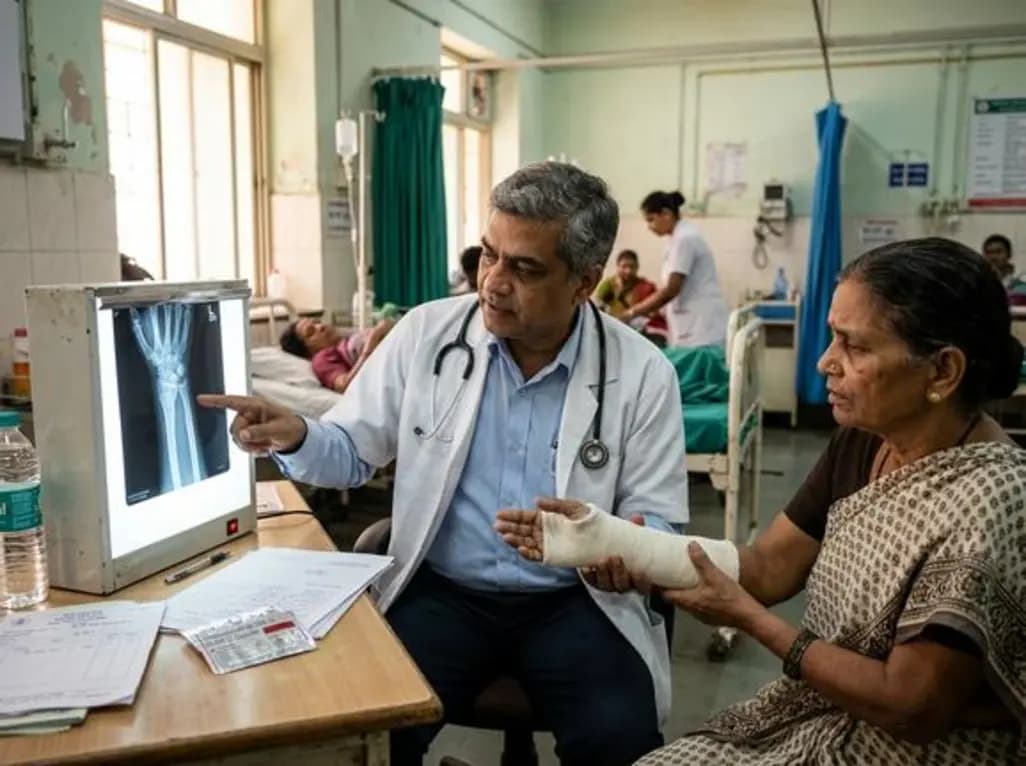
Nearly 80% of Indians suffer from inadequate Vitamin D, causing silent bone weakening and sudden fractures. This expert guide reviews why mega-dose therapy is critical for high-risk patients, the key factors driving widespread deficiency, and the mandatory medical evaluations needed to protect skeletal health.
2 months ago

A nationwide mixed-methods study evaluated hospital glycemic management systems across 265 hospitals. While real-time alerts and automatic data sync are highly valued, significant disparities in digital maturity and low satisfaction with decision support highlight the need for standardized implementation.
2 weeks back
