.webp&w=384&q=75)

Loading, please wait...
Loading, please wait...
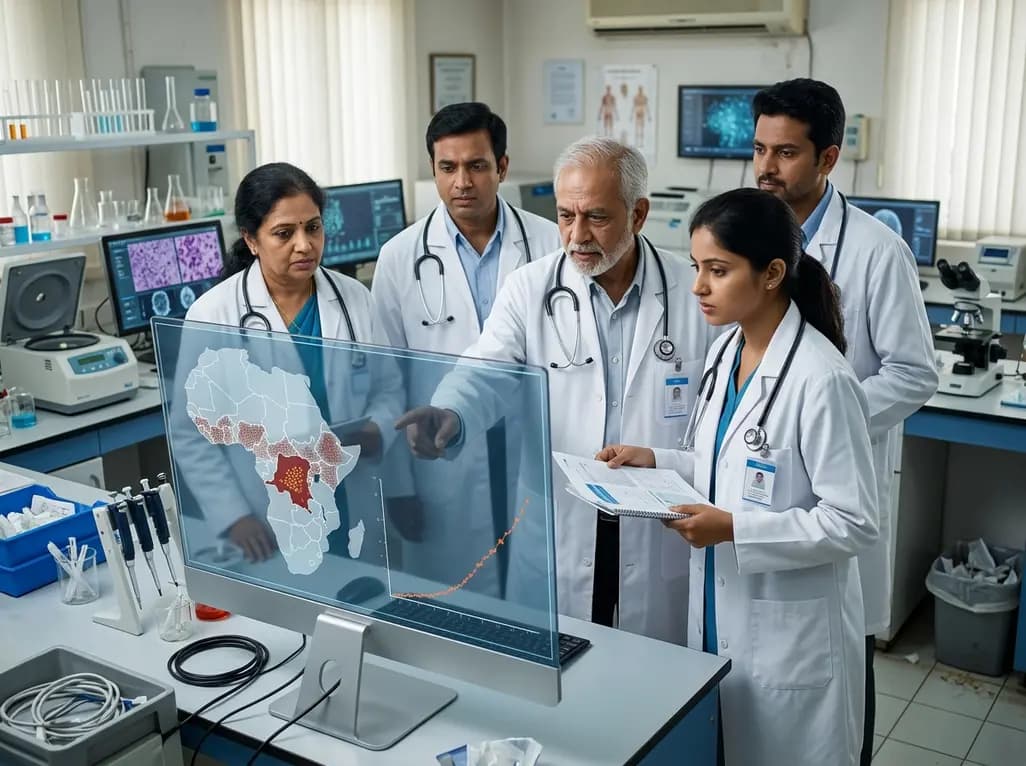
On May 15, 2026, the Democratic Republic of Congo declared an epidemic. Consequently, confirmed cases in this Bundibugyo Ebola outbreak have surpassed 2,011, with 754 deaths. Clinicians must understand these epidemiological dynamics to support containment efforts.
To begin with, the speed of this outbreak has shattered prior records. In just two months, confirmed cases reached 2,011. Furthermore, epidemiologists face major difficulties tracking transmission chains. Specifically, at least 80 percent of new infections originate from unknown sources because patient zero remains unidentified. Regional instability worsens this containment crisis. Massive population displacements due to armed conflict and mining-related movements hinder contact tracing. Consequently, healthcare authorities have managed to trace only 67 percent of exposed individuals. Meanwhile, many infected patients die directly within their communities. They never reach a medical facility, which severely obscures the true fatality rate. Indeed, World Health Organization experts state that the official tally represents only a small fraction of the actual disease burden on the ground. Mathematical models suggest the true scale of the epidemic is twice as large. Therefore, active community surveillance remains a vital necessity. To address this, international agencies are scaling up local coordination. However, persistent funding deficits and community mistrust continue to hamper these critical surveillance efforts. Ultimately, establishing security is an essential prerequisite.
From a clinical standpoint, diagnosing Bundibugyo virus disease in its early stages is exceptionally difficult. The incubation period typically ranges from 2 to 21 days. Initially, patients present with non-specific, flu-like symptoms. These early signs include sudden fever, headache, muscle pain, and severe malaise. Consequently, clinicians often delay recognition as these symptoms mirror endemic infections like malaria and typhoid. As the disease progresses, gastrointestinal symptoms dominate the clinical picture. Patients suffer from severe watery diarrhea, persistent vomiting, and abdominal pain. Eventually, vascular leakage and systemic failure occur. Although classified as a hemorrhagic fever, overt bleeding occurs in fewer than half of infected individuals. Specifically, when present, bleeding manifests as hematemesis, epistaxis, or oozing from puncture sites. Therefore, laboratory confirmation is vital for accurate diagnosis. Clinicians must utilize reverse transcription-polymerase chain reaction assays to confirm cases. However, standard diagnostic assays optimized for the Zaire strain often fail to detect Bundibugyo. In response, reference laboratories must employ specific multiplex PCR platforms or rapid viral sequencing. Ultimately, early diagnostic confirmation is absolutely essential to prevent dangerous hospital-acquired transmissions.
Crucially, this Bundibugyo Ebola outbreak presents an extraordinary therapeutic challenge for frontline clinicians. Currently, there are no approved vaccines or targeted antiviral therapies for this specific strain. In contrast, the common Zaire ebolavirus is highly manageable. Clinicians treat Zaire infections with the Ervebo vaccine and monoclonal antibodies like Inmazeb. However, these therapies target Zaire-specific glycoproteins. Consequently, they offer absolutely zero cross-protection against the Bundibugyo species. Therefore, optimized supportive care remains the absolute cornerstone of clinical survival. Specifically, providers must focus on aggressive, early intravenous fluid resuscitation to combat dehydration. This fluid management must be combined with careful electrolyte monitoring, particularly for potassium and sodium. Additionally, clinicians should empirically treat concurrent infections like malaria or bacterial sepsis when indicated. Although basic, optimized supportive care dramatically lowers the mortality rate. Currently, the fatality rate of this outbreak stands at approximately 37 percent. This is noticeably lower than the typical 60 to 90 percent mortality associated with Zaire outbreaks. Nevertheless, the lack of approved vaccines demands rapid clinical trial enrollment to evaluate experimental therapies.
In addition to treatment difficulties, protecting healthcare workers is a primary concern. The World Health Organization reported that over 100 staff members have contracted the virus. Consequently, this high infection rate highlights the extreme risk of hospital-acquired transmission. Because early symptoms are highly non-specific, clinicians frequently expose themselves before isolation protocols are established. To mitigate this risk, clinics must strictly enforce infection prevention and control measures. Specifically, staff must undergo rigorous training in personal protective equipment protocols. This training must emphasize supervised donning and doffing, as most exposures occur during PPE removal. Furthermore, medical facilities require dedicated chlorinated water stations for hand hygiene. Safe waste disposal is also critical to prevent environmental contamination. Meanwhile, healthcare workers face severe financial and psychological stress. In Bunia, many medical professionals have gone completely unpaid since the epidemic began. Consequently, widespread strikes have paralyzed several key treatment centers. Ultimately, resolving these salary disputes is not merely a labor issue; it is a vital public health necessity. Without a protected and compensated workforce, containing this pathogen is impossible.
Fortunately, the international scientific community is actively seeking solutions. In response to the crisis, researchers recently launched a highly anticipated clinical trial in Ituri province. The EBO-PEP study investigates post-exposure prophylaxis for high-risk contacts of infected individuals. Specifically, this landmark trial evaluates the efficacy of two promising antiviral drugs: obeldesivir and remdesivir. Under the trial protocol, participants receive daily monitoring for 21 days, with a final evaluation at day 42. Additionally, the study administers obeldesivir to eligible adults who have had direct contact with confirmed cases. For vulnerable populations, a separate sub-protocol is active. This sub-protocol provides remdesivir on a compassionate-use basis to pregnant women and children under 12. Because these groups face extreme risk, finding safe preventive options is a top priority. Successfully implementing this trial could revolutionize outbreak response. Rather than merely isolating sick patients, clinicians could actively halt household transmission chains. However, conducting a trial in an active conflict zone is incredibly complex. Ultimately, researchers must build deep community trust to ensure consistent follow-up and accurate data.
Q1: Why are Zaire Ebola vaccines and treatments ineffective against the Bundibugyo strain?
Standard Zaire Ebola vaccines, such as Ervebo, and monoclonal antibody therapies like Inmazeb, are engineered to target the specific glycoprotein of the Zaire strain. Because the Bundibugyo virus has a distinct genetic makeup and glycoprotein structure, these existing countermeasures do not provide cross-protective immunity. Consequently, clinicians cannot rely on them during this outbreak and must instead utilize supportive care.
Q2: What is the primary objective of the newly launched EBO-PEP clinical trial in Ituri?
The EBO-PEP trial evaluates the efficacy of post-exposure prophylaxis to prevent the development of Ebola in high-risk contacts. By administering experimental antivirals like obeldesivir, and remdesivir for pediatric and pregnant cohorts, researchers hope to break transmission chains directly at the household level. This trial marks a critical step forward in finding species-specific therapies for the Bundibugyo virus.
Q3: How does armed conflict in the Democratic Republic of Congo impact Ebola containment efforts?
Ongoing armed conflict and mining-related population movements in eastern Congo severely disrupt contact tracing and community surveillance. Epidemiologists cannot safely access certain health zones, which has left at least 80 percent of new cases originating from unknown chains of transmission. Furthermore, these security challenges, combined with unpaid healthcare worker strikes, allow the virus to spread undetected across multiple provinces.
Disclaimer: This content is for informational and educational purposes only. It does not constitute medical advice or replace professional judgment. Refer to the latest local and national guidelines for clinical practice.
References

Read summarized clinical updates, watch expert medical content, and earn CME certifications right from your smartphone.
Open your smartphone camera to scan and install.





As DR Congo battles a rapidly growing Ebola epidemic caused by the rare Bundibugyo virus, cases have officially surpassed 2,011 with 754 deaths. Frontline clinicians face immense challenges due to striking health workers, tracking difficulties, and a lack of approved vaccines or standard Zaire-specific treatments.
3 months ago
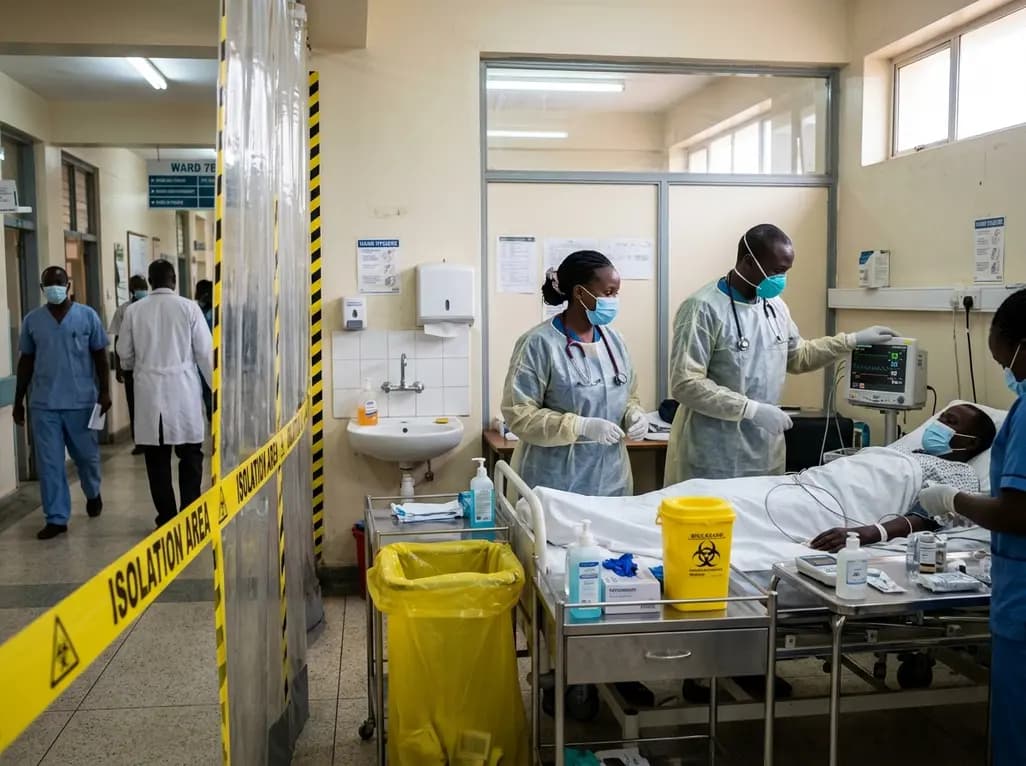
Kenya's confirmation of its eighth Ebola infection highlights the acute risk of secondary transmission in hospital environments. Clinicians must maintain high vigilance, enforce strict infection prevention protocols, and implement rapid triage mechanisms for viral hemorrhagic fevers across healthcare settings.
6 days back
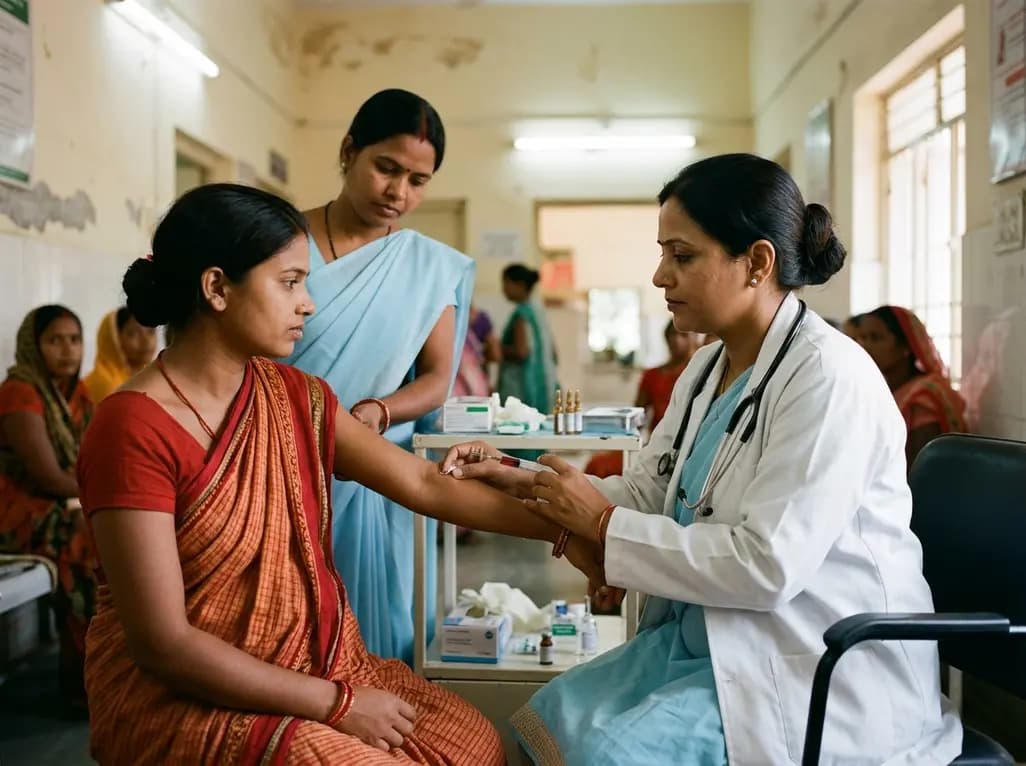
Maternal anaemia contributes to nearly half of pregnancy-related fatalities across India. To prevent complications, Uttar Pradesh has added single-dose parenteral iron to its essential medicines list. This clinical transition aims to restore haemoglobin rapidly and protect high-risk mothers across rural facilities.
2 weeks back

India's food safety authority FSSAI has issued show-cause notices to Gemini Edibles, BigBasket, and Flipkart for unpermitted cardiovascular claims regarding Freedom Rice Bran Oil. This regulatory move highlights the strict enforcement of advertising standards and the clinical necessity of evidence-based lipid care.
Last week
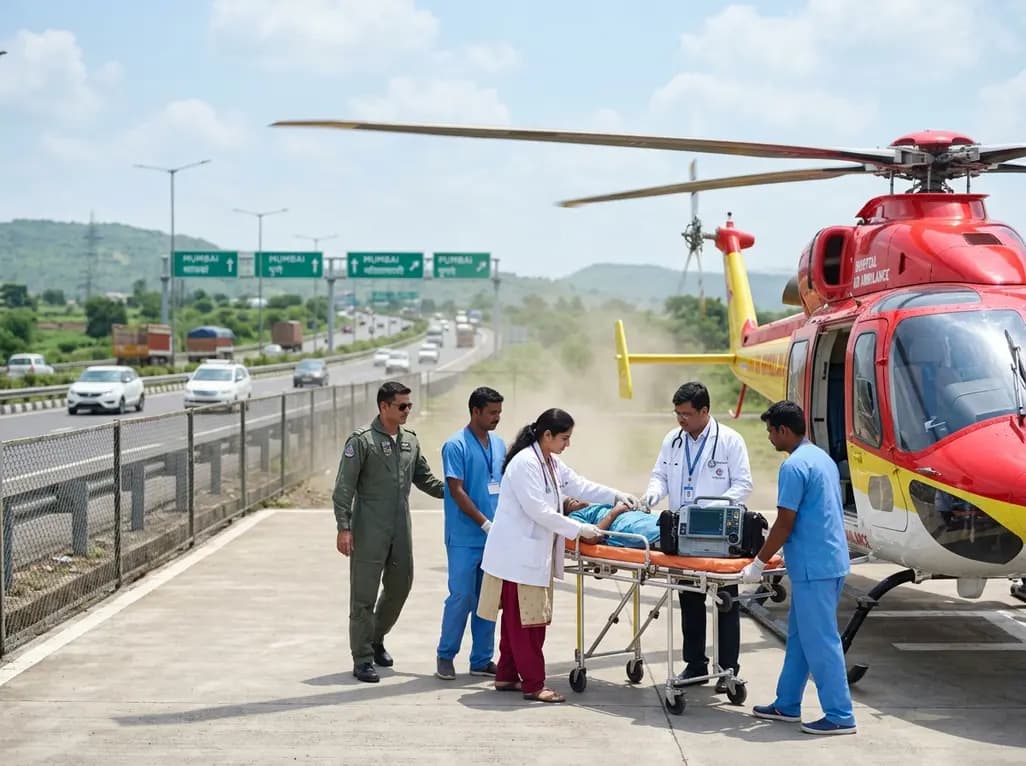
The state government is deploying helicopter emergency medical services across the Mumbai-Pune Expressway, Samruddhi Mahamarg, and Mumbai-Goa Highway. This initiative establishes unified standard operating procedures to enable rapid triage, advanced prehospital resuscitation, and seamless trauma care transfers.
Last week
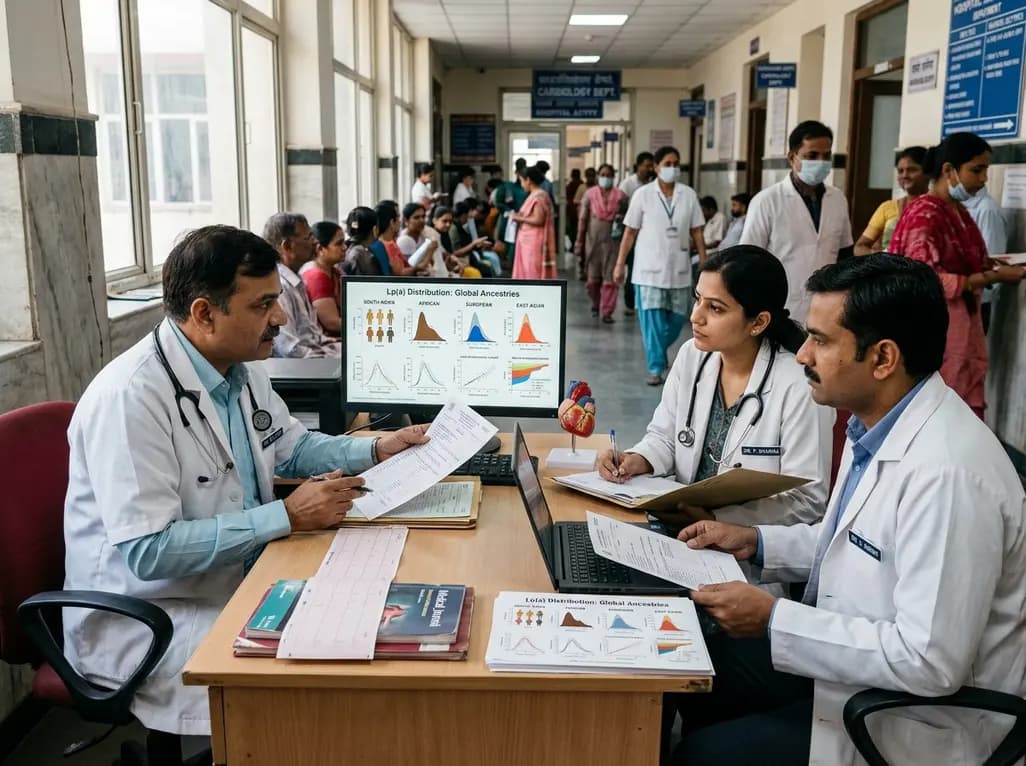
Atherosclerotic cardiovascular disease guidelines often rely on European-derived lipoprotein(a) cutoffs. However, baseline Lp(a) levels vary widely across ancestries, including South Asians and Africans. Clinicians must interpret Lp(a) values within overall absolute cardiovascular risk.
2 weeks back
