.webp&w=384&q=75)

Loading, please wait...
Loading, please wait...
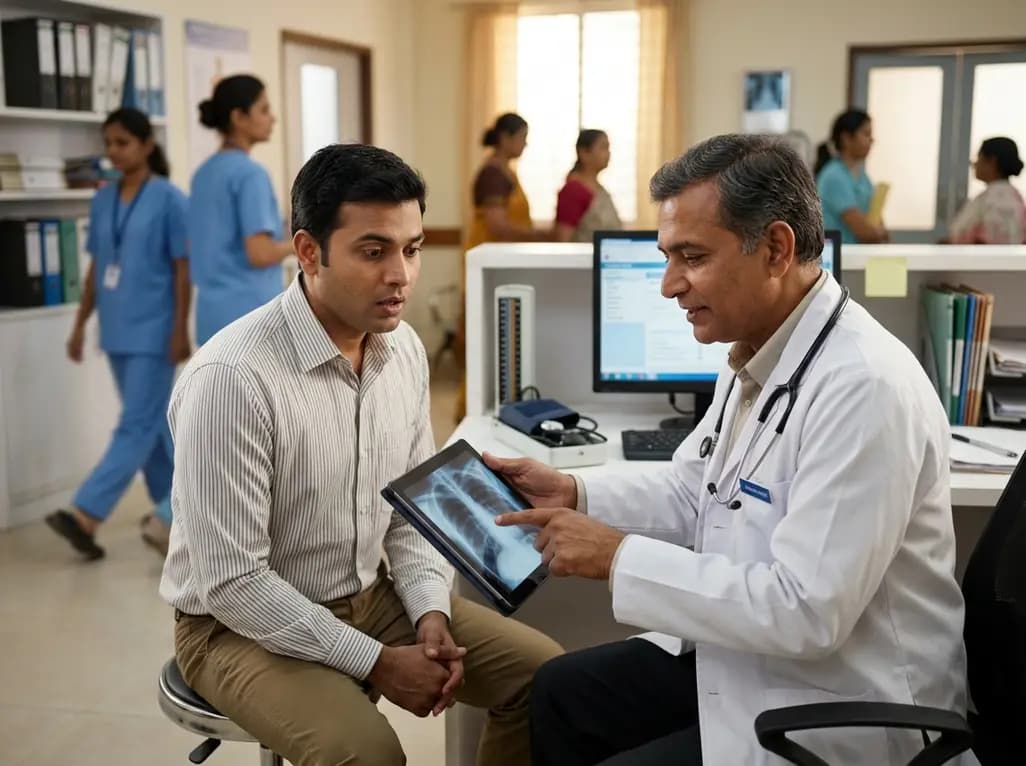
Recent national epidemiological data reveals a critical diagnostic challenge facing public health authorities across India. A national tuberculosis prevalence survey reported that fifty-two percent of laboratory-confirmed bacteriologically positive cases presented without any recognizable clinical symptoms. Furthermore, another seventeen percent of individuals exhibited classic symptoms but had not initiated standard anti-tubercular therapy. Consequently, effective asymptomatic tuberculosis screening has emerged as an essential priority for early case detection and disease control. Traditionally, clinical suspicion relies upon symptoms like chronic cough, evening fever, and weight loss. However, these survey findings demonstrate that a vast proportion of active transmission originates from individuals who appear healthy. Specifically, this silent reservoir creates hidden transmission chains within households, workplaces, and densely populated community settings. Health officials emphasize that relying solely on symptom-based triage leaves over half of infectious individuals undetected. Therefore, public health infrastructure must rapidly evolve beyond passive case-finding methodologies to achieve nationwide elimination goals.
Understanding the biological continuum between latent infection and subclinical active disease remains crucial for practicing clinicians. Experts clarify that individuals harboring subclinical or latent tuberculosis infection typically display no outward signs of illness. Consequently, these individuals do not actively transmit Mycobacterium tuberculosis during routine everyday interactions. However, dormant bacterial foci remain viable within host granulomas for months or even decades. Importantly, these dormant bacteria can reactivate whenever host immunity suffers significant clinical impairment. For instance, systemic conditions like poorly controlled diabetes mellitus, HIV infection, severe malnutrition, malignancies, smoking, and advanced age heighten reactivation risks. Clinicians must realize that subclinical active cases already exhibit active bacterial replication despite an absence of symptoms. Therefore, implementing routine radiological and molecular screening among high-risk groups bridges the gap between latent infection and active disease. Furthermore, early diagnostic imaging helps clinicians identify subtle lung parenchyma involvement before overt symptoms manifest.
State health departments across India are currently intensifying targeted interventions to eliminate tuberculosis from vulnerable populations. Notably, during the recent hundred-day intensive campaign titled TB-Mukt Bharat, health officials in Uttar Pradesh identified fifty-three thousand nine hundred sixty-seven asymptomatic cases. This remarkable yield illustrates both the immense scale of hidden infections and the efficacy of structured outreach programs. Furthermore, state authorities deployed mobile medical units equipped with digital radiography and point-of-care rapid molecular diagnostic tools directly to remote communities. Consequently, high-risk cohorts received immediate diagnostic evaluations without experiencing financial or logistical barriers. Additionally, public health teams conducted comprehensive door-to-door screenings in high-density informal settlements, industrial zones, and rural hamlets. These targeted field operations proved that systematic active case-finding yields far superior detection rates compared to standard facility-based care. Moreover, local healthcare workers provided immediate post-diagnosis counseling to ensure patients commenced early therapy smoothly.
Achieving national elimination targets requires a strategic shift toward routine testing of high-risk populations regardless of clinical symptoms. Specifically, public health task forces recommend mandatory radiological screening for close household contacts of confirmed pulmonary cases. Furthermore, individuals living with compromised immune systems, such as patients undergoing chemotherapy or immunosuppressive therapy, require regular diagnostic evaluations. Consequently, clinical guidelines emphasize incorporating chest X-rays and highly sensitive molecular assays into routine follow-up protocols. For example, modern molecular platforms like cartridge-based nucleic acid amplification tests offer rapid detection of mycobacterial DNA alongside drug resistance profiles. Moreover, utilizing portable handheld X-ray devices integrated with artificial intelligence algorithms allows health workers to conduct rapid field triage in remote areas. Additionally, routine screening among institutionalized populations, healthcare workers, and industrial laborers significantly reduces occupational transmission risks. Therefore, medical professionals must maintain high clinical suspicion even when patients present for unrelated health concerns.
Eliminating tuberculosis permanently necessitates aggressive management of latent infections alongside standard treatment of active disease. Under the National Tuberculosis Elimination Programme, eligible individuals receive structured tuberculosis preventive treatment to neutralize dormant bacilli. Specifically, household contacts of bacteriologically confirmed patients, pediatric populations, and immunocompromised individuals receive short-course preventive regimens. For instance, standardized prophylactic options include three months of weekly rifapentine plus isoniazid or three months of daily rifampicin plus isoniazid. Consequently, completing preventive therapy substantially reduces the risk of developing active pulmonary disease over a lifetime. Furthermore, public health facilities offer these preventive medications free of charge to improve population adherence. Notably, healthcare providers must rigorously rule out active disease before initiating preventive regimens to prevent drug resistance. Therefore, comprehensive baseline evaluations, combining clinical assessments, sputum analysis, and chest imaging, remain mandatory preceding therapy initiation.
Medical practitioners play a vital role in transforming national health policies into effective clinical practices at the grassroots level. First, clinicians must proactively inquire about close household contact history whenever managing patients with chronic metabolic or immunosuppressive disorders. Furthermore, clinicians should recommend chest radiography for asymptomatic individuals belonging to high-density or high-risk environments. Consequently, integrating routine chest imaging during annual health checkups can catch silent subclinical infections early. Second, practitioners must educate patients regarding the difference between asymptomatic latent infection and active pulmonary disease. Clear communication mitigates unnecessary panic while ensuring strict adherence to prescribed preventive regimens. Additionally, medical officers should utilize digital reporting platforms like Ni-kshay to ensure seamless tracking and nutritional support distribution. For example, direct benefit transfers under government welfare schemes provide essential financial assistance during therapy. Ultimately, aggressive contact tracing, early radiological detection, and widespread preventive treatment form the cornerstone of successful tuberculosis elimination strategies across India.
Q1: Why do over half of bacteriologically positive tuberculosis cases show no symptoms?
Many individuals with early or subclinical tuberculosis exhibit active bacterial replication before significant inflammatory destruction occurs in the lungs. Consequently, these patients do not experience classic systemic symptoms like persistent cough, evening fever, or weight loss. Furthermore, robust host immune responses may temporarily contain severe tissue damage, masking clinical manifestations. Therefore, radiological imaging and molecular diagnostic tests remain essential for detecting these silent cases before overt symptoms develop.
Q2: Who should undergo tuberculosis screening if no clinical symptoms are present?
Asymptomatic screening is strongly recommended for high-risk cohorts, particularly close household contacts of confirmed pulmonary tuberculosis patients. Additionally, individuals living with immunocompromising conditions, such as diabetes mellitus, HIV infection, chronic kidney disease, or underlying malignancies, should undergo regular evaluations. Furthermore, individuals residing in overcrowded environments or taking immunosuppressive medications require routine radiological testing. Proactive screening among these vulnerable groups helps identify subclinical infections early and prevents community transmission.
Q3: What preventive treatment regimens are available for latent tuberculosis infection in India?
Under the National Tuberculosis Elimination Programme, eligible individuals receive short-course tuberculosis preventive treatment regimens. Common prophylactic options include three months of weekly rifapentine plus isoniazid or three months of daily rifampicin and isoniazid. Alternatively, six months of daily isoniazid monotherapy is prescribed in specific clinical scenarios. Healthcare providers must thoroughly rule out active tuberculosis using chest radiography and laboratory testing prior to initiating any preventive treatment regimen.
Disclaimer: This content is for informational and educational purposes only. It does not constitute medical advice or replace professional judgment. Refer to the latest local and national guidelines for clinical practice.
References

Read summarized clinical updates, watch expert medical content, and earn CME certifications right from your smartphone.
Open your smartphone camera to scan and install.





A recent national survey highlights that 52% of bacteriologically positive tuberculosis cases in India present without typical symptoms. Health experts emphasize targeted radiological screening, early contact tracing, and expanding preventive treatment to achieve nationwide elimination goals.
2 months ago
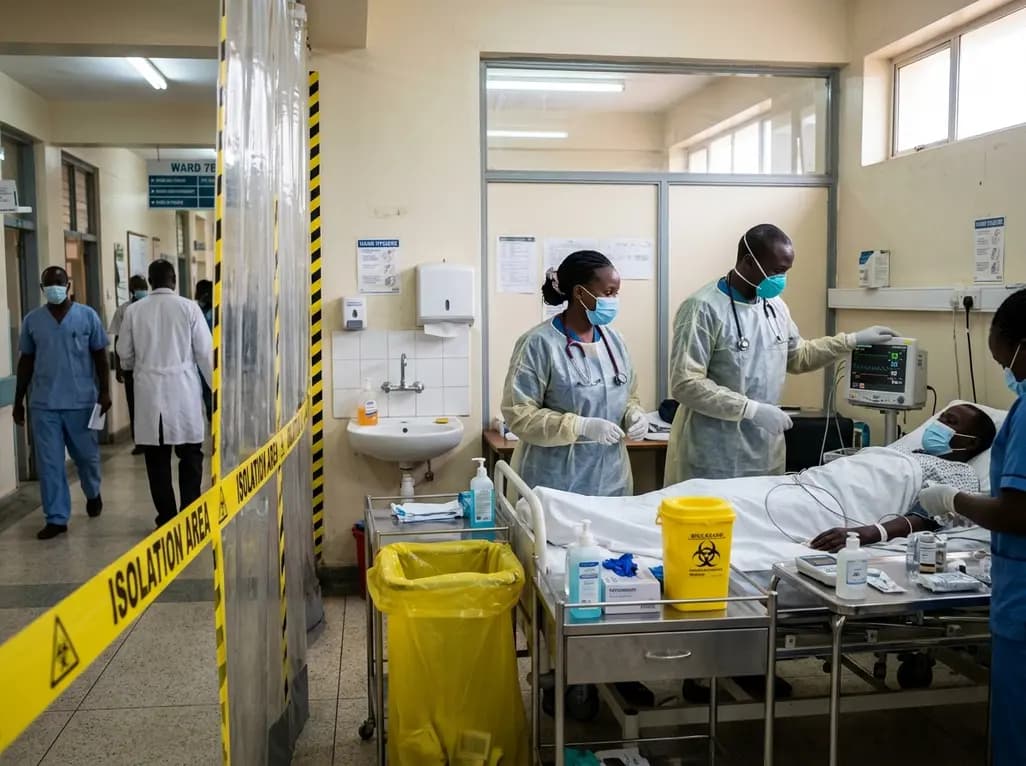
Kenya's confirmation of its eighth Ebola infection highlights the acute risk of secondary transmission in hospital environments. Clinicians must maintain high vigilance, enforce strict infection prevention protocols, and implement rapid triage mechanisms for viral hemorrhagic fevers across healthcare settings.
3 days back
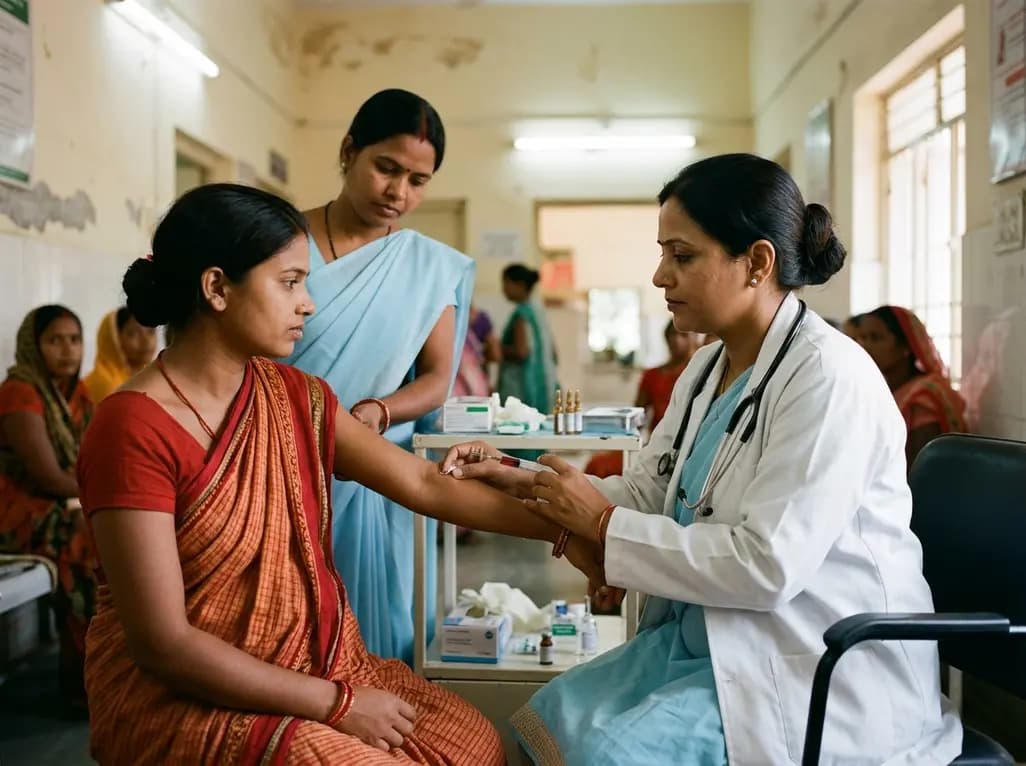
Maternal anaemia contributes to nearly half of pregnancy-related fatalities across India. To prevent complications, Uttar Pradesh has added single-dose parenteral iron to its essential medicines list. This clinical transition aims to restore haemoglobin rapidly and protect high-risk mothers across rural facilities.
Last week
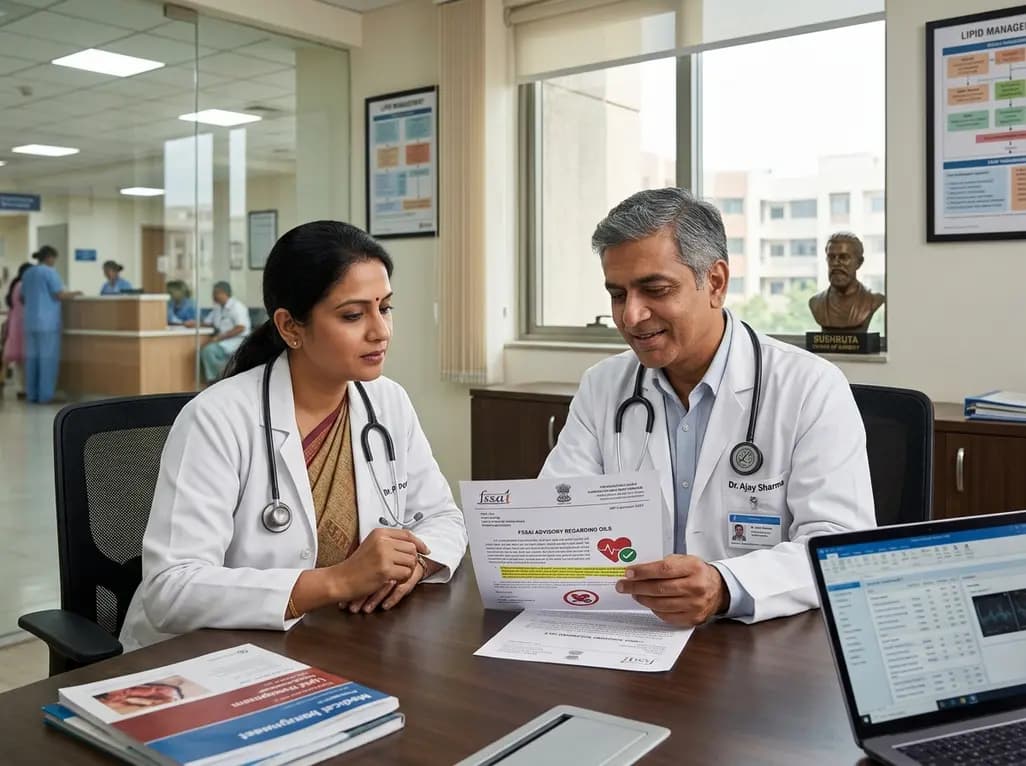
India's food safety authority FSSAI has issued show-cause notices to Gemini Edibles, BigBasket, and Flipkart for unpermitted cardiovascular claims regarding Freedom Rice Bran Oil. This regulatory move highlights the strict enforcement of advertising standards and the clinical necessity of evidence-based lipid care.
5 days back
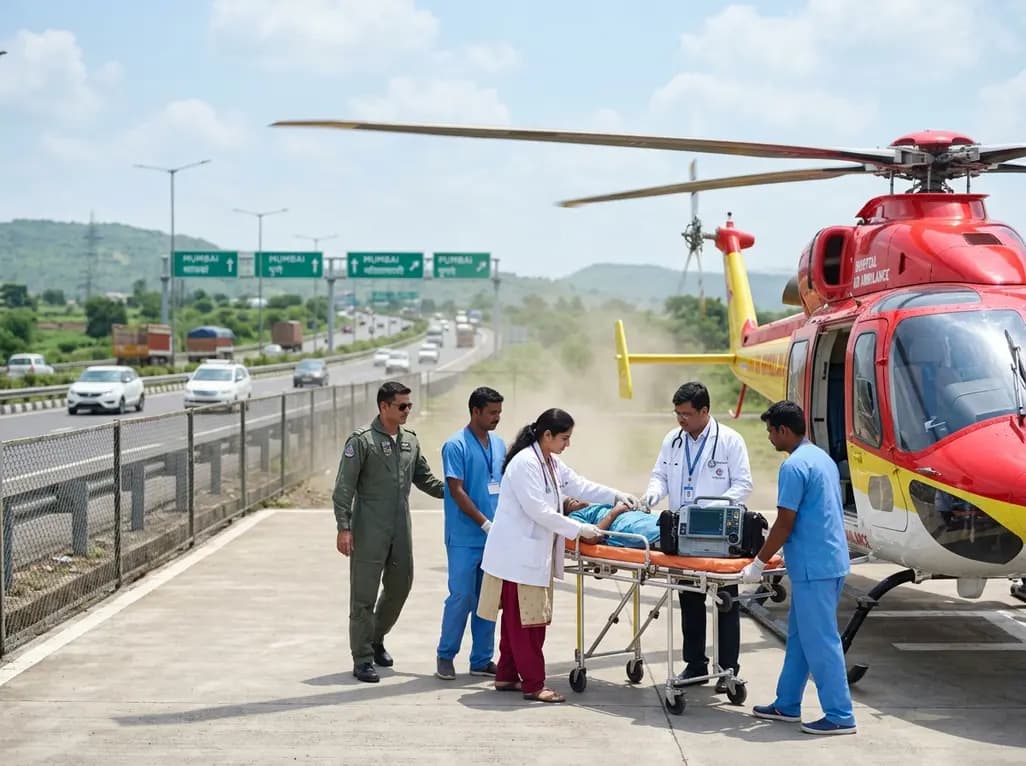
The state government is deploying helicopter emergency medical services across the Mumbai-Pune Expressway, Samruddhi Mahamarg, and Mumbai-Goa Highway. This initiative establishes unified standard operating procedures to enable rapid triage, advanced prehospital resuscitation, and seamless trauma care transfers.
Last week
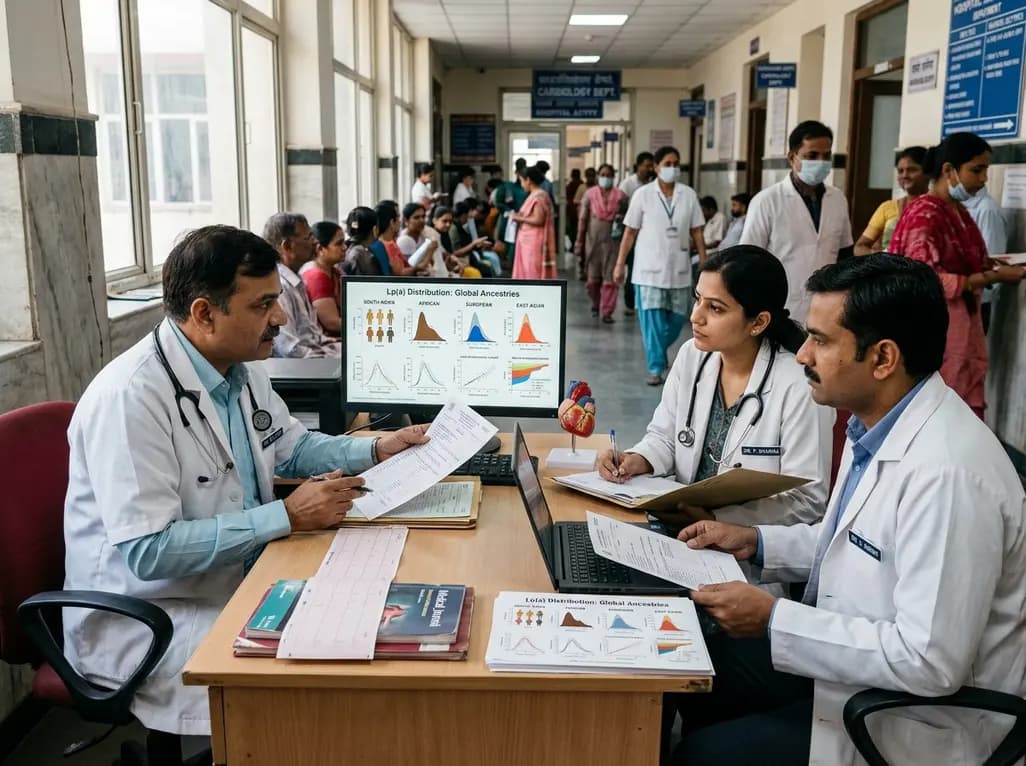
Atherosclerotic cardiovascular disease guidelines often rely on European-derived lipoprotein(a) cutoffs. However, baseline Lp(a) levels vary widely across ancestries, including South Asians and Africans. Clinicians must interpret Lp(a) values within overall absolute cardiovascular risk.
Last week
