.webp&w=384&q=75)

Loading, please wait...
Loading, please wait...
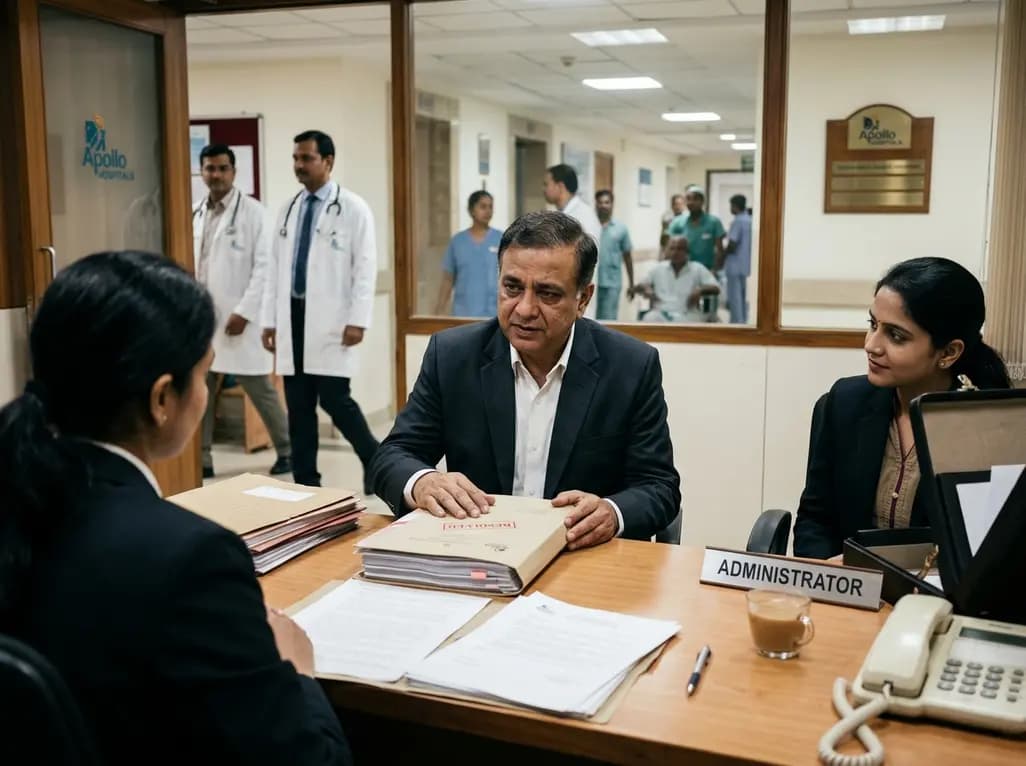
The Enforcement Directorate (ED) has terminated all adjudication proceedings in the Apollo Hospitals FEMA case. This decision benefits India's largest healthcare network and five of its directors. Specifically, the central agency closed the probe after the Reserve Bank of India (RBI) issued a formal compounding order. Consequently, the settlement brings a decisive end to all further litigation regarding these alleged foreign exchange violations.
The Enforcement Directorate initiated the investigation based on credible information about large-scale transactions. Additionally, the alleged violations spanned four major points and involved a massive sum of over Rs 2,424 crore. First, the agency scrutinized foreign direct investment (FDI) in retail trading. This sector prohibited foreign direct investment during the period under review. Furthermore, the company reportedly accepted subsequent FDI without receiving the requisite government approvals. Moreover, Apollo issued Foreign Currency Convertible Bonds (FCCBs) in violation of existing regulations. Finally, they received investments under the FII-PIS route that breached the prescribed limits.
To resolve the allegations, Apollo Hospitals Enterprises Limited made a one-time compounding payment of Rs 17.76 crore. In addition, each of the five named directors paid Rs 18 lakh individually to settle the charges. These executives include Preetha Reddy, Suneetha Reddy, S K Venkatraman, Akhileswaran Krishnan, and S M Krishnan. Subsequently, the RBI processed the compounding application under Section 15 of FEMA, 1999. Importantly, the central bank passed this order only after obtaining a formal 'No Objection' certificate from the ED.
A compounding order provides a legal settlement mechanism to resolve regulatory violations. Specifically, it allows a company to admit to a violation and pay a monetary penalty. This process helps the company avoid lengthy litigation and potential prosecution. Indeed, the ED has been actively promoting this option for select FEMA cases. Therefore, this approach aligns with government efforts to improve the ease of doing business.
Q1: What are the main violations resolved in the Apollo Hospitals FEMA case?
The case involved unauthorized FDI in retail trading, exceeding the FII-PIS foreign shareholding cap, and issuing FCCBs in violation of FEMA regulations.
Q2: How much did Apollo Hospitals pay to settle the FEMA investigation?
Apollo Hospitals paid a one-time penalty of Rs 17.76 crore. Additionally, five of its directors paid Rs 18 lakh each to compound the violations.
Q3: What role did the Enforcement Directorate play in the compounding order?
The ED completed the investigation and filed a complaint. However, they later issued a 'No Objection' certificate, allowing the RBI to pass the compounding order.
Disclaimer: This content is for informational and educational purposes only. It does not constitute medical advice or replace professional judgment. Refer to the latest local and national guidelines for clinical practice.
References

Read summarized clinical updates, watch expert medical content, and earn CME certifications right from your smartphone.
Open your smartphone camera to scan and install.





The Enforcement Directorate (ED) has terminated its Foreign Exchange Management Act (FEMA) investigation against Apollo Hospitals and five of its top directors. The settlement was finalized after the Reserve Bank of India (RBI) issued a compounding order following a one-time penalty payment of over Rs 18 crore.
4 months ago
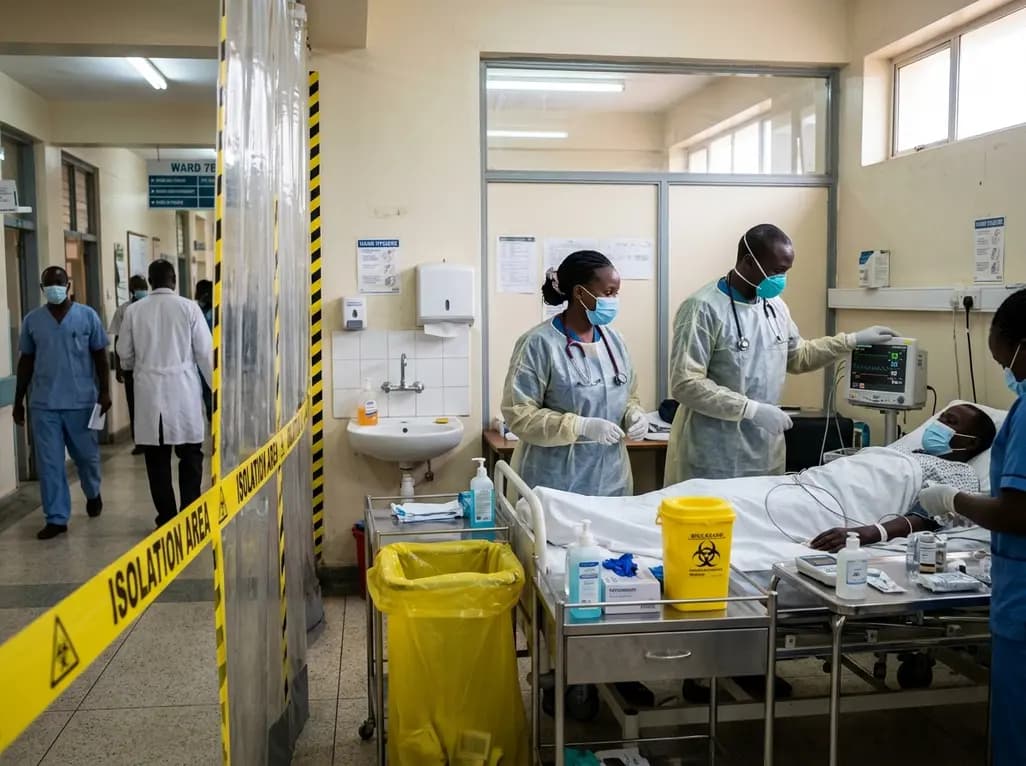
Kenya's confirmation of its eighth Ebola infection highlights the acute risk of secondary transmission in hospital environments. Clinicians must maintain high vigilance, enforce strict infection prevention protocols, and implement rapid triage mechanisms for viral hemorrhagic fevers across healthcare settings.
4 days back

Maternal anaemia contributes to nearly half of pregnancy-related fatalities across India. To prevent complications, Uttar Pradesh has added single-dose parenteral iron to its essential medicines list. This clinical transition aims to restore haemoglobin rapidly and protect high-risk mothers across rural facilities.
Last week

India's food safety authority FSSAI has issued show-cause notices to Gemini Edibles, BigBasket, and Flipkart for unpermitted cardiovascular claims regarding Freedom Rice Bran Oil. This regulatory move highlights the strict enforcement of advertising standards and the clinical necessity of evidence-based lipid care.
6 days back

The state government is deploying helicopter emergency medical services across the Mumbai-Pune Expressway, Samruddhi Mahamarg, and Mumbai-Goa Highway. This initiative establishes unified standard operating procedures to enable rapid triage, advanced prehospital resuscitation, and seamless trauma care transfers.
Last week

Atherosclerotic cardiovascular disease guidelines often rely on European-derived lipoprotein(a) cutoffs. However, baseline Lp(a) levels vary widely across ancestries, including South Asians and Africans. Clinicians must interpret Lp(a) values within overall absolute cardiovascular risk.
Last week
