.webp&w=384&q=75)

Loading, please wait...
Loading, please wait...

The Director-General of the Africa Centres for Disease Control and Prevention, Dr. Jean Kaseya, has formally requested that the United States remove its Ebola travel restrictions on Uganda. Speaking at an African Union health summit in Ghana, Dr. Kaseya revealed that he wrote directly to U.S. Health Secretary Robert F. Kennedy Jr. to appeal the ongoing border controls. Uganda has recorded no new viral cases for approximately a month. Consequently, public health leaders argue that continuing these severe travel limits lacks epidemiological justification. Furthermore, African officials emphasize that maintaining restrictions punishes transparent disease reporting. As Uganda enters its critical containment phase, global health authorities are re-evaluating border controls versus international cooperation.
Dr. Jean Kaseya highlighted that Uganda has successfully managed its domestic health situation through swift public health responses. Specifically, U.S. authorities imposed initial entry restrictions in May and subsequently tightened them across several international transit points. These federal regulations directly affect travelers who recently visited the Democratic Republic of Congo, Uganda, or South Sudan. However, Africa CDC leadership maintains that the epidemiological profile in Uganda has stabilized remarkably over recent weeks. Dr. Kaseya urged fellow African nations to back the formal appeal submitted to Washington officials. Furthermore, he emphasized that continental solidarity remains essential during complex health emergencies. Unilateral travel bans frequently hinder emergency response efforts by delaying the transport of critical medical supplies and expert personnel. Therefore, continental health leaders consistently advocate for targeted surveillance and localized containment strategies instead of broad travel bans. Removing these punitive measures will allow Uganda to recover economically while maintaining rigorous clinical monitoring. Consequently, the Africa CDC continues to champion evidence-based policy adjustments among all international partners.
Uganda officially discharged its final hospitalized Ebola patient on July 16, marking a pivotal milestone in outbreak management. Under World Health Organization guidelines, discharging the last active case triggers a mandatory 42-day countdown period. This timeframe represents twice the maximum incubation period of 21 days for the virus. If health workers detect zero new transmission cases during these 42 days, health authorities can formally declare the outbreak over. Consequently, Ugandan clinical teams are maintaining heightened surveillance across all high-risk districts. Additionally, cross-border screening at key entry points remains active to identify potential secondary cases immediately. Local health authorities praised frontline medical workers for their relentless dedication throughout the outbreak. Moreover, public health experts emphasize that community engagement played a vital role in curbing viral transmission. Early reporting and rapid isolation protocols successfully prevented widespread community transmission within urban centers. Therefore, Uganda's adherence to global monitoring standards demonstrates robust emergency preparedness. Health officials expect full viral clearance if current trends persist through late August.
Epidemiological data reveals a stark contrast between Uganda and its neighboring nation, the Democratic Republic of Congo. Uganda has recorded only 20 confirmed cases and two deaths throughout the current outbreak cycle. Notably, fifteen of these cases resulted from direct cross-border importation from the neighboring conflict zone. In stark contrast, the Democratic Republic of Congo has reported more than 2,400 confirmed Ebola cases and nearly 1,000 deaths. Consequently, the epicenter of the viral outbreak remains concentrated in remote Congolese provinces like Ituri and North Kivu. Public health workers face extreme security challenges and logistical barriers while managing infections in eastern Congo. Conversely, Uganda rapidly contained local transmission chains through robust contact tracing and prompt hospital isolations. Therefore, treating both nations under identical travel restrictions creates an unfair burden on Uganda. Dr. Kaseya noted that global health agencies must distinguish between active outbreak epicenters and controlled surveillance zones. Additionally, public health policy must adapt dynamically to reflect localized containment successes.
Global epidemiological experts historically caution against implementing broad international travel restrictions during viral outbreaks. The World Health Organization repeatedly advises that travel bans rarely halt viral transmission across national borders. Instead, restrictive travel measures often drive travelers toward unmonitored border crossings, severely complicating surveillance efforts. Furthermore, travel restrictions disrupt local economies and strain healthcare supply chains by delaying vital shipments. Public health strategies prove far more effective when focusing on targeted symptom screening, rapid isolation, and contact tracing. For instance, enhanced health screenings at international airports allow authorities to identify symptomatic individuals without shutting down international travel. Additionally, requiring self-monitoring for 21 days after departure provides adequate safety without disrupting global trade. Consequently, public health organizations urge governments to align border regulations with proven scientific methodologies. By favoring evidence-based screening over blanket bans, global health security improves significantly. Moreover, transparent cooperation between international public health agencies ensures faster outbreak resolution worldwide.
Imposing international travel bans on countries managing viral outbreaks generates severe economic repercussions for developing nations. Travel restrictions harm international trade, damage local tourism, and deter foreign investment across affected regions. Furthermore, punitive travel measures create a dangerous disincentive for nations to report future disease outbreaks transparently. If countries fear economic isolation, local authorities might hesitate to notify international health bodies promptly. Dr. Kaseya strongly criticized this dynamic, stressing that transparent disease reporting should receive international support rather than punishment. Additionally, previous Ebola outbreaks in West Africa demonstrated that economic losses often far outweigh direct medical costs. Consequently, maintaining unnecessary travel restrictions on Uganda threatens long-term economic stability while offering minimal health benefits. Global health advocates argue that international partners should offer financial and logistical assistance instead of border closures. Therefore, lifting restrictions rewards Uganda's clinical transparency and strengthens overall global health trust.
Q1: Why is the Africa CDC asking the US to lift Ebola travel restrictions on Uganda?
The Africa CDC requested the removal of travel restrictions because Uganda has reported no new Ebola cases in nearly a month. Furthermore, Uganda discharged its final Ebola patient on July 16, initiating the official 42-day countdown. Public health officials argue that maintaining travel bans on a country with controlled transmission penalizes transparent disease reporting and creates unnecessary economic hardship without providing additional health benefits.
Q2: What is the 42-day countdown rule for declaring an Ebola outbreak over?
The World Health Organization establishes a 42-day countdown before declaring an Ebola outbreak officially over. This period equals twice the maximum 21-day incubation period of the Ebola virus. The countdown begins after the last confirmed patient tests negative twice and leaves isolation. If no new confirmed infections emerge during these 42 days, health authorities can safely declare the outbreak terminated.
Q3: How does Uganda's Ebola outbreak compare to the outbreak in the Democratic Republic of Congo?
Uganda's outbreak has been limited, recording only 20 confirmed cases and two deaths, with most cases imported from neighboring regions. In contrast, the Democratic Republic of Congo remains the epicenter, reporting over 2,400 confirmed cases and nearly 1,000 deaths. Uganda successfully halted local transmission through rapid contact tracing, isolation protocols, and robust public health surveillance across high-risk border districts.
Disclaimer: This content is for informational and educational purposes only. It does not constitute medical advice or replace professional judgment. Refer to the latest local and national guidelines for clinical practice.
References

Read summarized clinical updates, watch expert medical content, and earn CME certifications right from your smartphone.
Open your smartphone camera to scan and install.





Africa CDC Director-General Jean Kaseya has formally requested the US to lift Ebola travel restrictions on Uganda following a month with no new infections. As Uganda begins its 42-day countdown to declare an end to the outbreak, public health leaders emphasize that travel bans harm economies without aiding control.
3 months ago
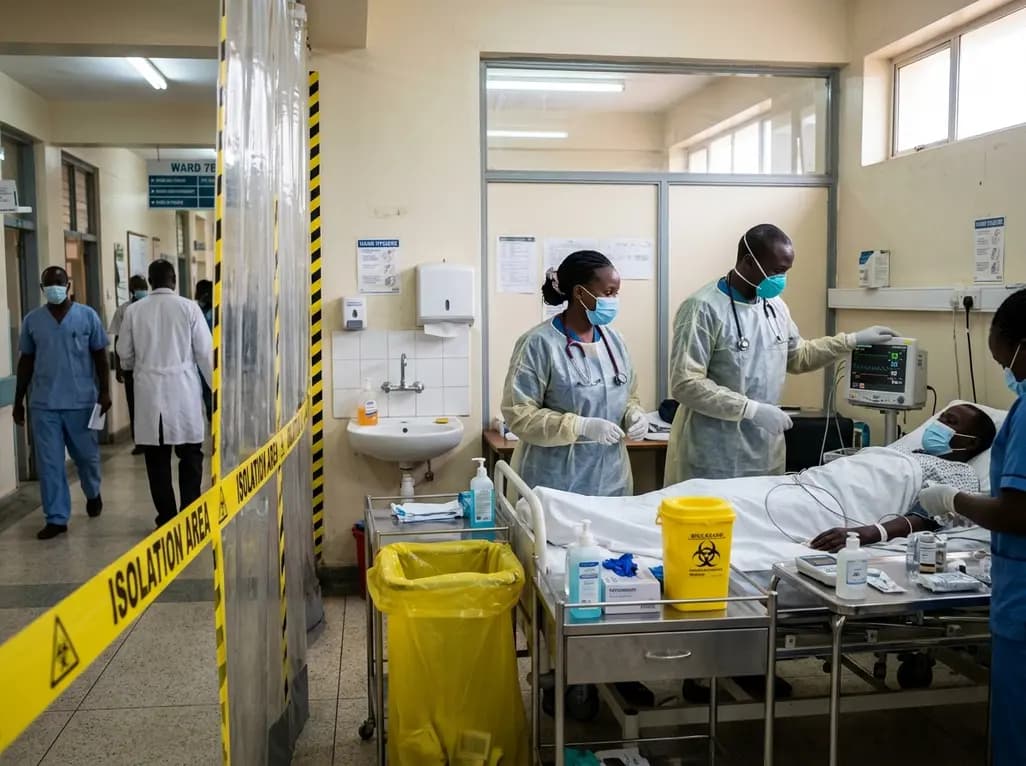
Kenya's confirmation of its eighth Ebola infection highlights the acute risk of secondary transmission in hospital environments. Clinicians must maintain high vigilance, enforce strict infection prevention protocols, and implement rapid triage mechanisms for viral hemorrhagic fevers across healthcare settings.
Last week
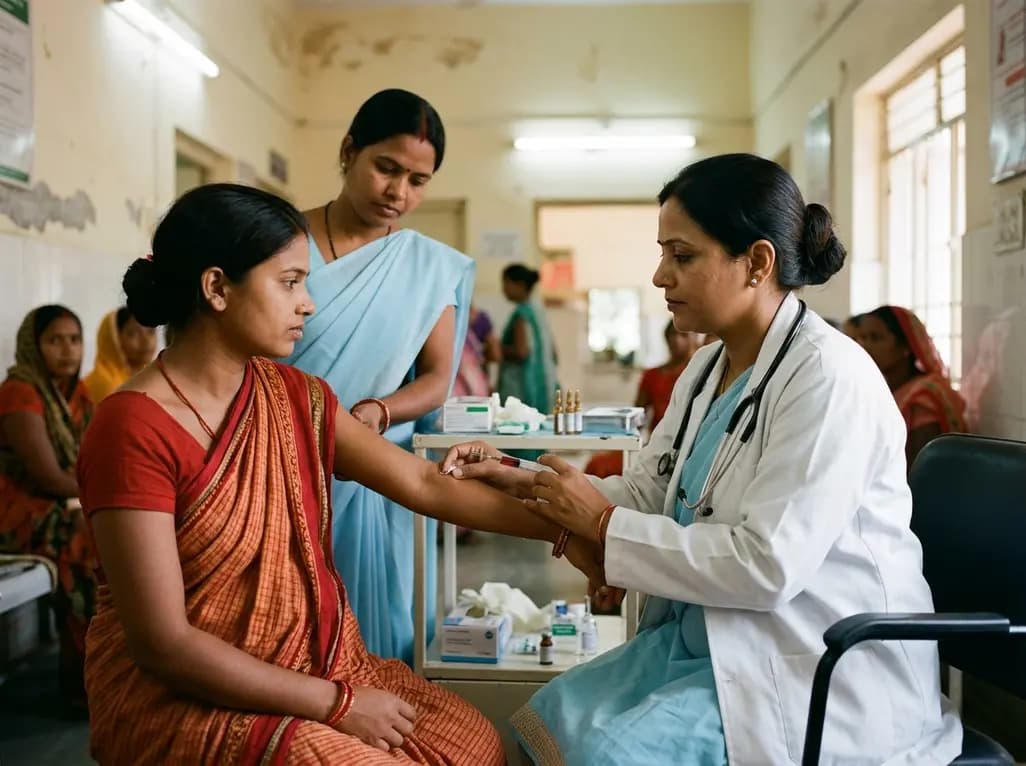
Maternal anaemia contributes to nearly half of pregnancy-related fatalities across India. To prevent complications, Uttar Pradesh has added single-dose parenteral iron to its essential medicines list. This clinical transition aims to restore haemoglobin rapidly and protect high-risk mothers across rural facilities.
2 weeks back

India's food safety authority FSSAI has issued show-cause notices to Gemini Edibles, BigBasket, and Flipkart for unpermitted cardiovascular claims regarding Freedom Rice Bran Oil. This regulatory move highlights the strict enforcement of advertising standards and the clinical necessity of evidence-based lipid care.
Last week

The state government is deploying helicopter emergency medical services across the Mumbai-Pune Expressway, Samruddhi Mahamarg, and Mumbai-Goa Highway. This initiative establishes unified standard operating procedures to enable rapid triage, advanced prehospital resuscitation, and seamless trauma care transfers.
Last week
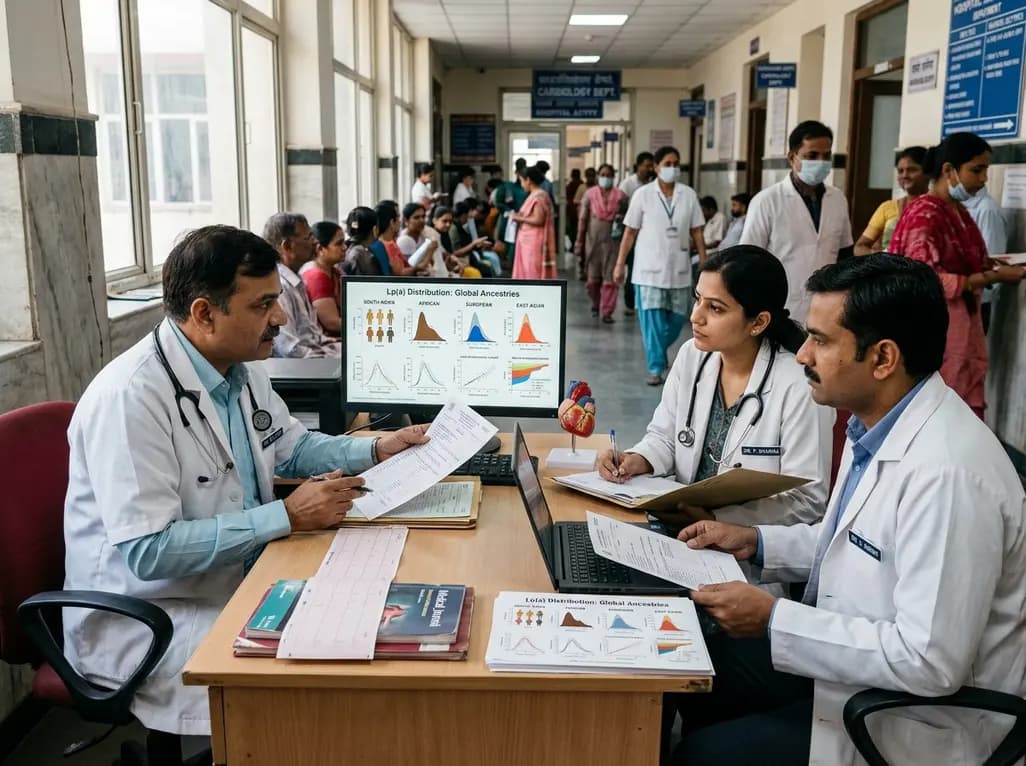
Atherosclerotic cardiovascular disease guidelines often rely on European-derived lipoprotein(a) cutoffs. However, baseline Lp(a) levels vary widely across ancestries, including South Asians and Africans. Clinicians must interpret Lp(a) values within overall absolute cardiovascular risk.
2 weeks back
