.webp&w=384&q=75)

Loading, please wait...
Loading, please wait...
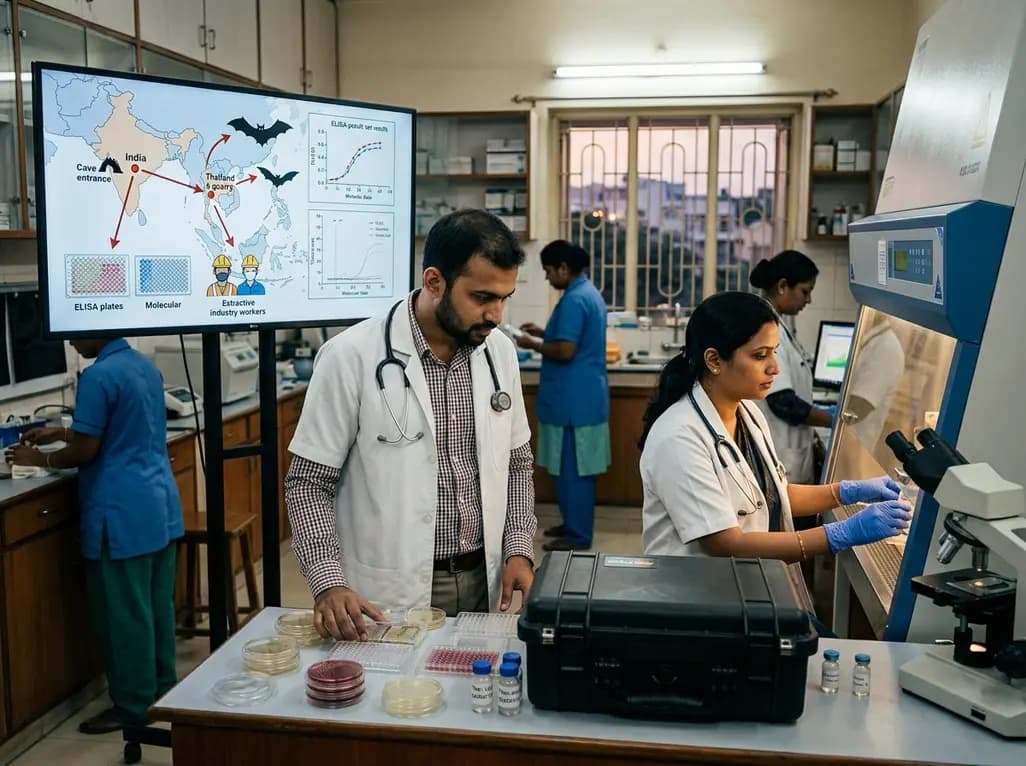
Emerging infectious diseases originating from wildlife reservoirs represent an escalating threat to global health security. Tropical regions across Asia harbor immense biodiversity, yet rapid habitat modification frequently accelerates close contact between humans and forest fauna. Consequently, systematic zoonotic pathogen surveillance at high-risk ecological interfaces has become essential for proactive epidemic preparedness. A landmark cross-sectional study conducted at a cave interface in central Thailand evaluated both human and chiropteran cohorts to elucidate cryptic viral transmission dynamics. The investigation utilized molecular screening and multiplex serologic assays to detect previous exposures to zoonotic paramyxoviruses and filoviruses.
Cave ecosystems provide unique ecological roosts where diverse wildlife species interact directly with human populations. In many rural Asian communities, individuals frequently enter caves for religious pilgrimages, ecotourism, or specialized economic activities such as bat guano fertilizer harvesting. However, these subterranean environments concentrate dense colonies of cave-roosting bats that naturally shed diverse pathogenic agents. Researchers systematically sampled 234 human participants and 272 bats residing in a central Thailand cave complex to capture potential spillover events. The human cohort included guano harvesters, national park rangers, cave visitors, and surrounding community members. Concurrently, the chiropteran cohort encompassed multiple insectivorous species, including Mops plicatus and Hipposideros larvatus. Environmental disturbance and intensive occupational entry significantly amplify the likelihood of direct contact with aerosolized bat excreta or contaminated rock surfaces. Therefore, establishing targeted biosurveillance at these specific human-wildlife interfaces enables public health authorities to detect viral threats before widespread community outbreaks manifest. Furthermore, combining detailed demographic surveys with advanced serological diagnostics helps researchers map occupational risk factors associated with uncharacterized viral exposure. Understanding these transmission pathways provides actionable intelligence for regional epidemic prevention programs.
Filoviruses, comprising genera such as Orthoebolavirus and Orthomarburgvirus, cause severe hemorrhagic fevers in primates with high case-fatality rates. While African filoviruses have received extensive scientific scrutiny, Asian filovirus diversity remains poorly characterized. Notably, this investigation detected serological reactivity against orthoebolavirus antigens in two insectivorous cave-roosting bat species, Mops plicatus and Hipposideros larvatus. These findings corroborate earlier reports of filovirus-reactive antibodies in Asian fruit bats and cave-dwelling insectivorous bats across Southeast Asia and Northeast India. Although molecular PCR assays did not yield active viral RNA genomes during the cross-sectional period, the presence of specific neutralizing antibodies confirms ongoing or past circulation of filovirus-related agents within these bat colonies. Importantly, cross-reactive antibodies suggest that Asiatic filoviruses possess distinct antigenic profiles related to known African lineages. Additionally, these bat species frequently roost in massive colonies containing hundreds of thousands of individuals, creating ideal conditions for viral maintenance and seasonal amplification. Consequently, wildlife surveillance must track seroprevalence fluctuations over multi-year cycles to pinpoint peak viral shedding periods. Clinicians and researchers must recognize that the geographical distribution of filovirus reservoirs extends well beyond the African continent.
Beyond chiropteran filoviruses, the study revealed compelling serological evidence of human exposure to small terrestrial mammal-borne parahenipaviruses. Paramyxoviruses represent a major family of RNA viruses that includes deadly pathogens like Nipah virus and Hendra virus. However, recent discoveries have identified novel parahenipaviruses, such as Gamak virus and Daeryong virus, circulating in shrews (Crocidura species) and small rodents. Multivariable regression analysis demonstrated that individuals working in the extractive industry had significantly higher odds of seroreactivity to parahenipaviruses, including Gamak virus (odds ratio = 3.41, 95% CI: 1.39–8.57, P < 0.001). Extractive work, mining, and soil excavation disturb subterranean microhabitats where shrews forage and nest. Consequently, laborers face heightened exposure to rodent and shrew urine, feces, or saliva during daily physical tasks. Furthermore, ecological niche modeling indicated that the geographical range of host shrew species spans wide territories across East, Southeast, and South Asia. Thus, occupational exposure to small mammal excreta represents a major, yet underappreciated, transmission route for novel paramyxoviruses. Public health agencies must therefore implement protective workplace protocols, such as mandatory respiratory and dermal personal protective equipment, for laborers in high-risk extractive settings.
For physicians practicing across South and Southeast Asia, recognizing potential zoonotic spillover is clinically vital. Paramyxovirus infections, including classical Henipavirus and emerging Parahenipavirus strains, typically present with acute febrile illness, severe myalgia, progressive encephalitis, or acute respiratory distress syndrome. Similarly, novel filoviruses can manifest with nonspecific early symptoms, including high fever, headache, gastrointestinal distress, and profound fatigue, before progressing to vascular leakage or coagulopathy. Because early clinical features closely mimic endemic diseases like dengue, leptospirosis, scrub typhus, and malaria, clinicians frequently overlook zoonotic paramyxoviruses in routine practice. Therefore, obtaining a thorough occupational and environmental exposure history is paramount when evaluating patients with unexplained encephalitic or acute febrile illnesses. Medical practitioners should specifically inquire about cave exploration, bat guano handling, mining, agriculture, and direct wildlife exposure. In addition, hospitals must establish rapid diagnostic referral pathways to reference laboratories capable of multiplex serology and molecular sequencing. Early clinical suspicion, coupled with strict infection control measures, prevents potential nosocomial transmission of virulent zoonotic pathogens in healthcare facilities.
Mitigating the risk of emerging zoonoses requires an integrated One Health framework combining human medicine, veterinary science, and environmental ecology. Southeast Asia and South Asia share remarkably similar ecological landscapes, harboring abundant bat biodiversity and dense human-wildlife interfaces. For instance, frequent Nipah virus outbreaks in India and Bangladesh highlight the persistent threat posed by paramyxovirus spillover from flying foxes. Similarly, the documented presence of filovirus and parahenipavirus antibodies across Asian mammalian hosts underscores the necessity of continuous regional surveillance. Interdisciplinary collaboration must focus on regular wildlife biosampling, systematic monitoring of occupational cohorts, and active syndromic surveillance in district hospitals. Furthermore, public health education programs must educate rural communities regarding the hazards of unpasteurized fruit juices, raw bat guano collection, and unshielded cave mining. By uniting wildlife biologists, epidemiologists, and practicing clinicians, regional health systems can construct robust early warning networks. Ultimately, proactive ecological surveillance minimizes the danger of regional pathogen spillover evolving into uncontrolled pandemics.
Parahenipaviruses are a newly classified genus within the Paramyxoviridae family, closely related to classical henipaviruses such as Nipah and Hendra viruses. While classical henipaviruses primarily utilize pteropodid fruit bats as natural reservoirs, parahenipaviruses like Gamak virus and Langya virus circulate predominantly in small terrestrial mammals, particularly shrews and rodents. They cause acute febrile illnesses and potential respiratory or neurological symptoms in humans.
Extractive industry laborers, including miners and excavation workers, routinely disturb natural soil and cave environments where small mammals live. This physical disturbance significantly increases occupational exposure to shrew and rodent excretions, such as aerosolized urine, feces, and saliva. Without appropriate personal protective equipment, workers inhale infectious droplets or contaminate mucous membranes, leading to higher seroreactivity rates compared to the general population.
Clinicians should immediately elicit a detailed travel, wildlife contact, and occupational history from any patient presenting with acute encephalitis or severe respiratory distress. The medical team must isolate the patient promptly using droplet and contact precautions to prevent nosocomial transmission. Furthermore, physicians should notify public health authorities and collect serum and respiratory specimens for specialized molecular and serological testing at accredited reference laboratories.
Disclaimer: This content is for informational and educational purposes only... Refer to the latest local and national guidelines for clinical practice.
References

Read summarized clinical updates, watch expert medical content, and earn CME certifications right from your smartphone.
Open your smartphone camera to scan and install.





Surveillance at a Thailand cave interface revealed orthoebolavirus antibodies in bats and parahenipavirus exposure in extractive industry workers, underscoring critical One Health diagnostic insights for Asian clinicians.
last month

A nationwide Swedish cohort study shows oral glucocorticoid exposure over 1-2 years strongly predicts overall organ damage in SLE, while cardiovascular risk reflects cumulative doses across 3 years. These findings reinforce early steroid minimization and cautious long-term maintenance.
Today

A pharmacometric and machine learning study reveals that specific vaginal bacteria alter cervical antiretroviral exposure, highlighting the need for precision HIV PrEP strategies.
Today
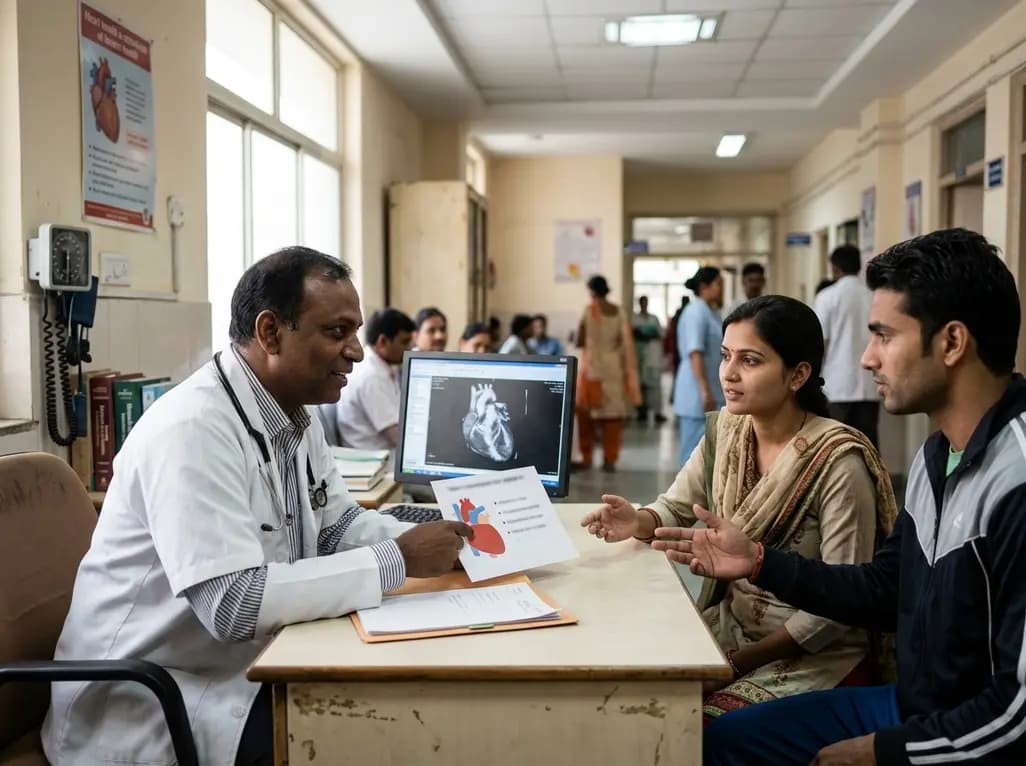
New clinical evidence demonstrates a shift away from strict exercise restrictions in genetic heart disease. While patients with channelopathies engage in more vigorous activity than those with cardiomyopathies, shared decision-making and individualized risk assessments ensure safe, beneficial exercise participation.
Today
A scoping review highlights neural mobilization as a promising adjunct in managing cervicogenic headache. Integrating neurodynamics into multimodal physical therapy improves pain, range of motion, and posture, though standardized protocols and larger clinical trials are still needed.
Today
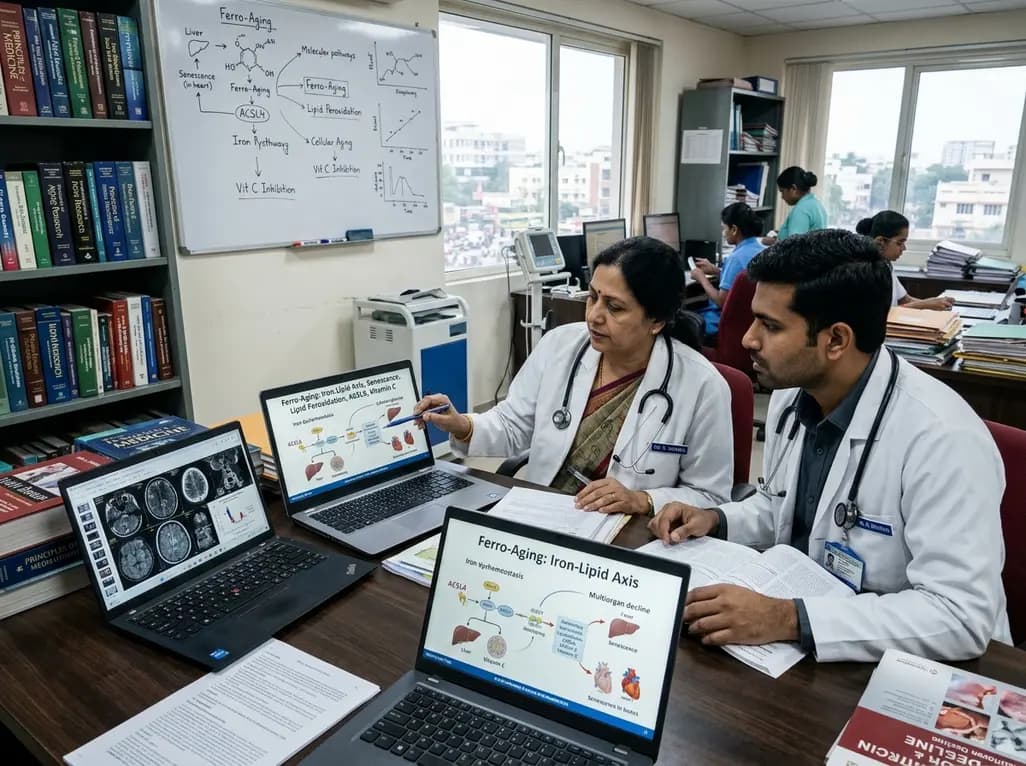
Recent research defines ferro-aging as a conserved iron-lipid axis driving organ decline across primates. Age-related iron dyshomeostasis stimulates ACSL4-mediated lipid peroxidation, promoting cellular senescence. Notably, vitamin C directly inhibits ACSL4, suppressing phospholipid oxidation and multi-organ decay.
Today
