

Loading, please wait...
Loading, please wait...
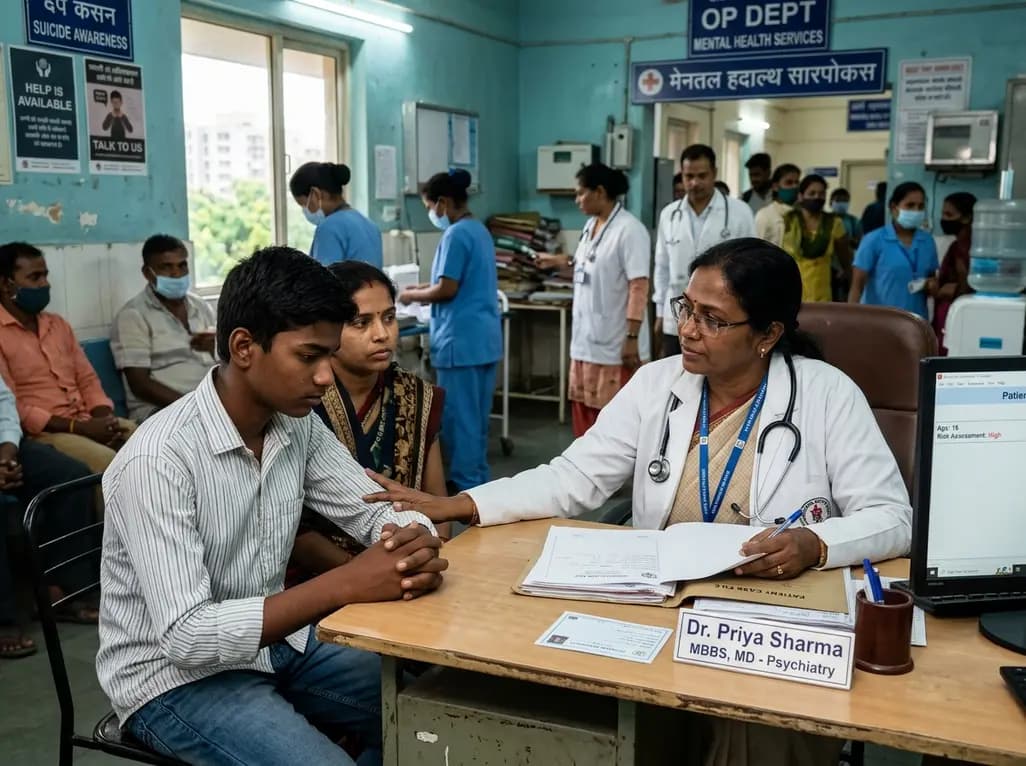
Epidemiological data reveals that rising youth suicide rates represent an urgent global challenge for healthcare providers. Mental health practitioners and pediatricians observe this growing crisis across diverse clinical settings. A comprehensive twenty-year population analysis has documented substantial increases in youth self-harm and mortality. Consequently, clinicians must recognize underlying systemic vulnerabilities and individual warning indicators. Primary care providers frequently serve on the front lines of adolescent behavioral health. Therefore, understanding regional disparities and demographic trends remains essential for early intervention and targeted suicide prevention.
Recent comprehensive vital statistics show alarming patterns across adolescents and young adults aged 10 to 24 years. Specifically, between 2000 and 2019, the overall age-standardized mortality increased by 33.6 percent nationwide. The mortality rate shifted upward from 7.7 to 10.3 deaths per 100,000 individuals during this observation interval. Furthermore, this disturbing trajectory spanned nearly all analyzed demographic cohorts and regional environments. Data indicates that over 99 percent of evaluated counties experienced upward trends in youth mortality. Moreover, over 60 percent of these local increases achieved clear statistical significance. These figures demonstrate that youth self-harm constitutes a generalized crisis rather than isolated clusters. In addition, younger adolescents aged 10 to 14 displayed notable vulnerabilities requiring early clinical vigilance. Mental health professionals recognize that such systemic escalations demand proactive clinical attention. As a result, routine developmental assessments must prioritize early emotional and behavioral screening. Clinicians must evaluate emotional distress long before overt suicidal intent develops. Early detection creates crucial therapeutic windows for multidisciplinary intervention. Therefore, pediatric and psychiatric teams must modernize their diagnostic protocols to detect covert psychological despair.
Geographic analysis demonstrates that youth self-harm does not distribute evenly across geographic territories. Rural jurisdictions often display disproportionately elevated mortality rates compared to urban centers. For instance, remote northern territories and rural Midwestern regions consistently reported the highest overall rates in recent analyses. Notably, seven of the ten most severely affected counties were situated in Alaska. Similarly, isolated rural counties in South Dakota and North Dakota demonstrated critical distress levels. Several systemic factors explain why rural communities experience elevated youth mortality. Firstly, severe geographical isolation limits immediate access to acute psychiatric care facilities. In addition, specialized child psychiatry services remain virtually absent in many remote environments. Consequently, vulnerable young individuals face prolonged delays when seeking urgent behavioral support. Furthermore, transportation barriers and extreme weather conditions often restrict mobility during acute depressive crises. Stigma regarding psychiatric consultation also persists heavily within tight-knit rural communities. Thus, young individuals frequently conceal distressing emotional turmoil from family members and educators. Addressing these geographic barriers requires robust telepsychiatry expansion and local emergency response coordination.
Demographic stratification highlights profound disparities among historically marginalized youth populations. Most prominently, American Indian and Alaska Native youth experienced the highest observed suicide rates throughout the two decades. Their mortality rate rose steeply from 16.1 to 27.2 deaths per 100,000 individuals by 2019. Consequently, these statistics reflect profound generational trauma, socioeconomic deprivation, and chronic resource underfunding. Similarly, minority youth from Black and Latino backgrounds demonstrated accelerating risk profiles in recent years. Healthcare providers must recognize that cultural nuance strongly affects how adolescents express emotional distress. For example, some adolescent patients somatize psychological pain as vague abdominal complaints or intractable fatigue. Furthermore, racial discrimination and systemic inequities actively exacerbate depressive symptoms among marginalized adolescents. Clinicians must therefore approach diagnostic evaluations through culturally humble and trauma-informed methodologies. Family dynamics and community support structures also play pivotal roles in treatment adherence. When clinicians build genuine trust, vulnerable young patients feel safer disclosing passive suicidal ideation. Therefore, psychiatric interventions must incorporate culturally relevant support systems and local community elders to foster resilience.
Primary care clinics and pediatric offices serve as critical detection grounds for at-risk youth. Indeed, epidemiological studies demonstrate that many suicidal youths visit primary care shortly before self-harm events. However, routine medical visits frequently miss psychological distress unless providers administer validated objective instruments. Healthcare systems should adopt standardized tools such as the Ask Suicide-Screening Questions or the Columbia Protocol. These brief assessments allow clinicians to stratify acute risk rapidly during standard annual checkups. Additionally, universal screening removes subjective clinical bias and normalizes discussions surrounding mental health. If an adolescent screens positive, providers must immediately execute a structured clinical pathway. This pathway includes conducting a comprehensive safety plan and restricting access to lethal means. Furthermore, clinicians must evaluate co-occurring psychiatric conditions like major depression, substance use, and severe anxiety. Open communication between primary care providers and child psychiatrists ensures timely crisis escalation. As a result, seamless triage workflows prevent dangerous gaps during high-risk discharge periods. Routine screening ultimately transforms outpatient medical clinics into robust lifelines for struggling youth.
Effective suicide prevention demands comprehensive intervention models combining medical care with broad community engagement. Pharmacological therapy alone rarely resolves complex adolescent suicidal crises without concurrent psychotherapeutic support. In particular, cognitive behavioral therapy and dialectical behavior therapy provide adolescents with essential emotional regulation skills. Moreover, involving parents and caregivers in safety planning dramatically enhances treatment success at home. Reducing access to lethal means, including firearms and medications, represents one of the most effective preventive measures. Similarly, school-based mental health initiatives cultivate peer awareness and reduce persistent psychiatric stigma. Educational institutions can train teachers and counselors to recognize behavioral warning signs promptly. Additionally, crisis intervention helplines provide accessible, confidential support for adolescents undergoing acute distress. Digital mental health platforms and telehealth services also bridge critical access gaps in remote regions. Consequently, integrated community networks wrap vulnerable youths in protective social support structures. Healthcare professionals must advocate for sustainable public funding dedicated to youth mental health programs. Ultimately, unified multi-sector collaboration holds the greatest promise for reversing escalating mortality trajectories.
Medical practitioners occupy a vital leadership role in reversing contemporary youth mortality trends. Clinicians must educate families, schools, and civic leaders about recognizing early depressive deterioration. Furthermore, continuous professional training in pediatric risk assessment empowers general physicians to intervene effectively. Collaborative care models connecting pediatricians with psychiatric specialists enhance diagnostic accuracy and treatment fidelity. In addition, healthcare facilities should establish rapid outpatient follow-up protocols for youth discharged from emergency departments. Research proves that caring contact during the immediate post-discharge period significantly decreases subsequent suicide attempts. Therefore, structured telephone check-ins and case management protocols offer lifesaving protective buffers. Healthcare systems must also address socioeconomic determinants of health that compound psychological vulnerabilities in youth. By fostering strong therapeutic alliances and addressing social isolation, doctors can alter tragic life trajectories. Thus, clinical vigilance paired with empathetic communication remains our most potent defense against youth despair.
Adolescent patients at imminent risk often exhibit noticeable behavioral shifts, including severe social withdrawal, sudden mood changes, and pervasive hopelessness. Additionally, clinicians should look for increased agitation, sleep disturbances, dramatic declines in school performance, and uncharacteristic expressions of guilt. Adolescents may also verbalize feeling trapped or burdening others. Direct inquiries about self-harm remain imperative whenever providers observe these indicators, as early detection allows for timely psychiatric stabilization and comprehensive safety planning.
Pediatric providers frequently utilize the Ask Suicide-Screening Questions tool or the Columbia-Suicide Severity Rating Scale in outpatient clinics. Both evidence-based instruments offer rapid, validated scoring frameworks to identify active or passive suicidal ideation across pediatric populations. Furthermore, these tools help clinicians stratify acute danger and determine whether immediate emergency psychiatric consultation is warranted. Implementing universal screening during routine checkups ensures that silent emotional distress is systematically identified before self-harm behaviors escalate dangerously.
Lethal means counseling directly reduces adolescent self-harm fatalities by restricting immediate access to dangerous items during acute emotional crises. Clinicians educate parents on securely locking away firearms, toxic household chemicals, and prescription medications. Because adolescent suicidal impulses often arise impulsively, creating physical barriers substantially delays suicidal acts. This crucial delay frequently allows acute emotional distress to subside and enables life-saving psychological interventions, thereby dramatically lowering completed suicide rates among vulnerable youths.
Disclaimer: This content is for informational and educational purposes only. It is not intended to be a substitute for professional medical advice, diagnosis, or treatment. Always seek the advice of your physician or another qualified health provider with any questions you may have regarding a medical condition. Refer to the latest local and national guidelines for clinical practice.
References
Rahman SG et al. Youth and Young Adult Suicide by County, Race, and/or Ethnicity in the United States, 2000-2019. J Adolesc Health. 2026 Nov 22. doi: undefined. PMID: 43068398.
American Academy of Pediatrics. Suicide and Suicide Risk in Adolescents. Pediatrics. 2024;153(1):e2023064800.
Braciszewski JM, et al. Health diagnoses and service utilization in the year before youth and young adult suicide. Psychiatr Serv. 2023;74(6):566-573.

Read summarized clinical updates, watch expert medical content, and earn CME certifications right from your smartphone.
Open your smartphone camera to scan and install.





A twenty-year analysis shows youth suicide rates rose by 33.6% in the US, with significant geographic and demographic disparities. Learn key clinical screening protocols, risk factors, and multidisciplinary prevention strategies for pediatric and psychiatric practice.
Today

A cross-validation study in early-stage lung cancer evaluated algorithms mapping FACT-L to EQ-5D-5L utilities. Ridge regression achieved the lowest error, outperforming complex machine learning models such as random forest, neural networks, and XGBoost, underscoring the enduring value of regularized linear models.
Today
A meta-analysis of 9 randomized controlled trials evaluated health-related quality of life when adding PD-1/PD-L1 inhibitors to standard therapy for endometrial and cervical cancer. Adding immunotherapy did not detectably change global quality of life or worsen functional and symptom domains.
Today

A cross-sectional study evaluates the critical intersection between acute surgical pain, kinesiophobia, and fall risks during initial mobilization after cardiac surgery, emphasizing targeted nursing strategies.
Today
A comprehensive meta-analysis reveals a decline in hip avascular necrosis following kidney transplantation to 3.45% post-2010. This decline reflects modern steroid-sparing immunosuppression, while highlighting geographic variations and the importance of early diagnosis.
Today
Single-cell transcriptomics reveals that STAP2 promotes retinal endothelial dysfunction in diabetic retinopathy through CXCR4 signaling. In vivo and in vitro studies show STAP2 knockdown reduces capillary drop-out and vascular leakage, uncovering a novel therapeutic target beyond anti-VEGF therapies.
Today
