.webp&w=384&q=75)

Loading, please wait...
Loading, please wait...

To begin with, India is actively integrating yoga and naturopathy into the mainstream healthcare system to boost wellness. Union Ayush Minister Prataprao Jadhav highlighted this initiative during a recent parliamentary consultative committee meeting. Specifically, he emphasized that these traditional practices serve as effective complementary systems to manage non-communicable diseases. Consequently, the government is expanding institutional capabilities across the nation to support this goal.
These ancient practices significantly reduce stress, anxiety, and various lifestyle-related disorders. Moreover, clinical evidence supports their role in managing hypertension, diabetes, and cardiovascular conditions. For this reason, many modern physicians now suggest integrative protocols to their patients. In addition, these natural methods encourage patients to adopt active, healthy, and conscious lifestyles. Thus, integrating traditional wisdom with modern medicine helps create a comprehensive healthcare network.
India now boasts over 70 Bachelor of Naturopathy and Yogic Sciences colleges. Furthermore, more than 5,000 certified training institutes actively educate the public. In fact, the Morarji Desai National Institute of Yoga has successfully trained over six lakh volunteers. This robust educational network subsequently strengthens India's growing wellness economy. On a global scale, the International Day of Yoga now connects millions of people across 190 countries. As a result, India continues to lead the global movement toward holistic health and wellness.
Q1: How do yoga and naturopathy help in managing chronic diseases?
Yoga and naturopathy help reduce systemic stress, lower blood pressure, and improve metabolic functions. Therefore, they work as effective complementary strategies alongside conventional medicine for chronic conditions.
Q2: How is the government expanding institutional support for these traditional systems?
The government is establishing numerous dedicated colleges and training centers across India. Specifically, over 70 Bachelor of Naturopathy and Yogic Sciences colleges are now operating to provide standardized education.
Disclaimer: This content is for informational and educational purposes only. It does not constitute medical advice or replace professional judgment. Refer to the latest local and national guidelines for clinical practice.
References

Read summarized clinical updates, watch expert medical content, and earn CME certifications right from your smartphone.
Open your smartphone camera to scan and install.





Union Minister Prataprao Jadhav emphasizes yoga and naturopathy as key complementary approaches to manage chronic illnesses and promote wellness in India....
4 months ago

A retrospective cohort study of 7,716 ICU patients from the MIMIC-IV database demonstrates that Gradient Boosting Decision Trees significantly outperform traditional SOFA scores in predicting in-hospital mortality among patients with sepsis and diabetes, with SHAP analysis providing clinical interpretability.
Today
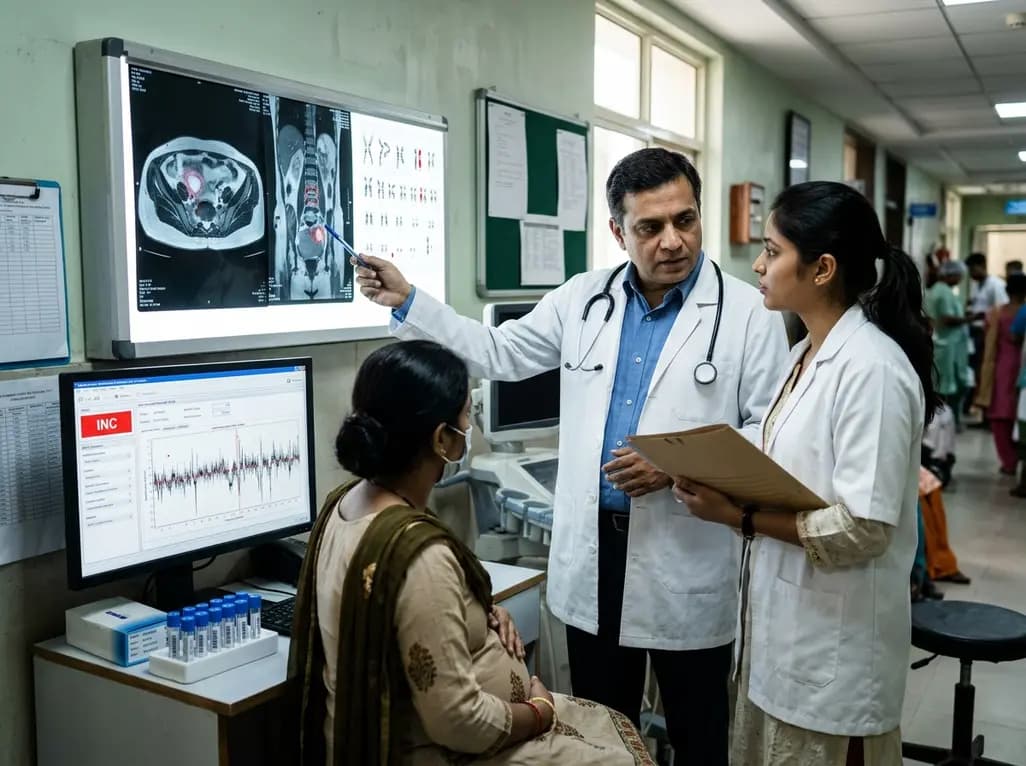
Occult maternal malignancy accounts for 3.82% of persistent unreportable NIPT results with genomic noise. Multiple chromosomal aberrations, notably on chromosome 18, warrant thorough oncological evaluation and whole-body MRI to ensure timely maternal diagnosis while preserving fetal care.
Today
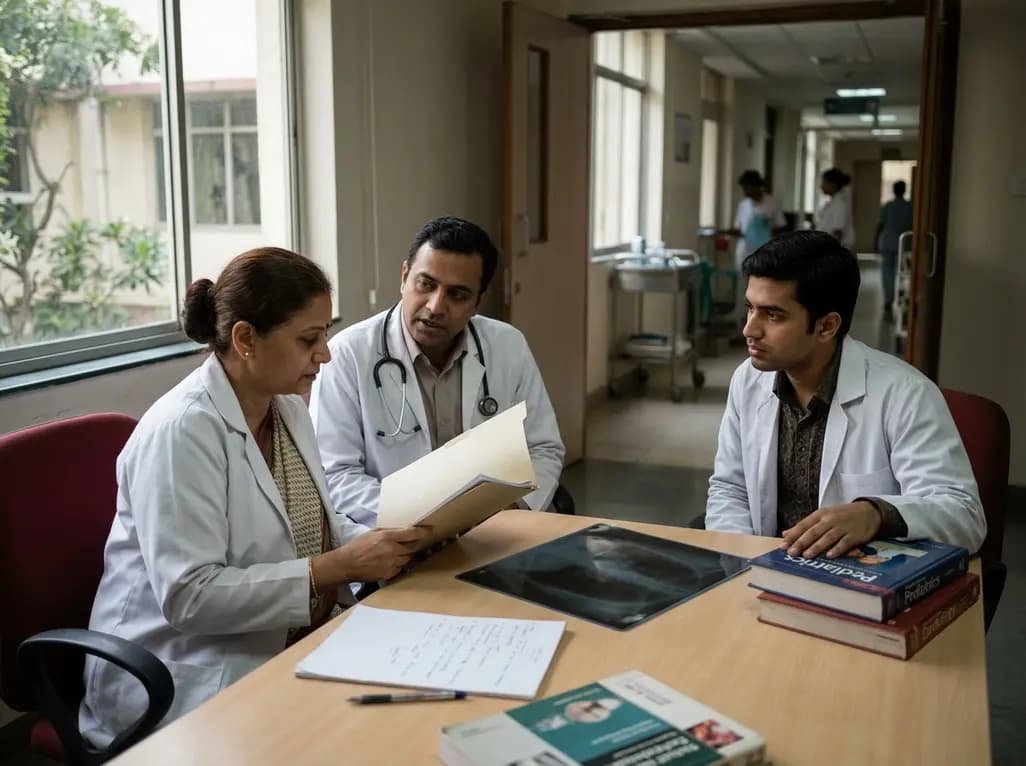
This article reviews the forensic and clinical complexities of acute myocarditis arising on left ventricular hypertrophy in children, highlighting early diagnostic red flags and multidisciplinary postmortem autopsy protocols.
Today

This comparative study evaluates posterior labral tears with and without glenohumeral instability, highlighting distinct demographic patterns, MRI underestimation in stable shoulders, and successful arthroscopic repair outcomes.
Yesterday

A clinical study demonstrates that early intervention with tocilizumab, either as monotherapy or bridged with corticosteroids, achieves significant proptosis reduction and resolves active inflammation in treatment-naive thyroid eye disease.
Yesterday
