.webp&w=384&q=75)

Loading, please wait...
Loading, please wait...

Emerging tick-borne zoonoses represent a substantial clinical challenge for modern healthcare systems worldwide. Specifically, Yezo virus infection has emerged as a distinct pathogen causing acute febrile illness accompanied by multi-organ involvement. Because clinicians frequently encounter non-specific tick-borne syndromes, understanding viral pathogenesis remains paramount. A recent landmark study has successfully established a lethal C57BL/6 mouse model that mimics human disease. Consequently, this breakthrough provides essential insights into disease mechanisms and potential antiviral therapies.
Yezo virus belongs to the genus Orthonairovirus within the Nairoviridae family. Initially identified in northeastern Asia, this tick-borne virus infects humans through bites from hard ticks such as Ixodes persulcatus. Clinicians often observe that infected patients develop sudden high fever, headache, malaise, and localized lymphadenopathy. Furthermore, standard laboratory investigations typically reveal profound hematological disruptions, including leukopenia and thrombocytopenia. In addition, marked hepatic injury regularly occurs, presenting with elevated serum aminotransferases and systemic inflammation. However, distinguishing this pathogen from other regional tick-borne infections remains difficult due to overlapping clinical presentations. For instance, tick-borne encephalitis, severe fever with thrombocytopenia syndrome, and Crimean-Congo hemorrhagic fever present nearly identical early manifestations. Previously, researchers lacked an immunocompetent animal platform to investigate these shared pathophysiological phenomena. Therefore, medical teams struggled to define precise diagnostic biomarkers or test targeted therapeutics. This critical gap hindered the clinical translation of experimental therapies. Consequently, establishing an accessible, immunocompetent rodent model became an urgent scientific priority for global infectious disease specialists.
Historically, scientists depended on immunocompromised rodent strains lacking type I or type II interferon receptors to study nairoviruses. While those knockout models permitted viral replication, they failed to reflect natural host immune interactions. To overcome this fundamental limitation, investigators performed thirty serial in vivo passages of Yezo virus in wild-type C57BL/6 mice. Through this iterative selection, the researchers isolated a mouse-adapted viral strain possessing distinct adaptive mutations. Remarkably, this adapted pathogen produced lethal systemic disease in fully immunocompetent mice without artificial immunosuppression. Moreover, the infected animals faithfully displayed the canonical features of human Yezo virus infection. Mice quickly developed significant leukopenia and progressive thrombocytopenia within days after exposure. In addition, the animals exhibited prominent hypothermia, acute weight loss, and marked lethargy. Histopathological analyses subsequently demonstrated substantial viral dissemination across multiple vital tissues. Thus, this novel model reproduces the full pathophysiological spectrum observed in human clinical cohorts. Consequently, researchers now possess a reliable platform to study native immune activation and systemic viral spread.
Hepatic involvement constitutes a cardinal feature of human orthonairovirus pathology. In this adapted mouse model, investigators observed intense viral tropism targeting the liver parenchyma. Viral RNA loads climbed rapidly within hepatocytes, correlating directly with systemic disease progression. Consequently, infected animals developed massive elevations in serum aspartate aminotransferase and alanine aminotransferase levels. Histopathological evaluations further corroborated severe acute hepatitis characterized by extensive necroinflammatory lesions. Notably, hepatocyte ballooning, scattered apoptotic bodies, and localized microvascular thrombosis disrupted hepatic architecture. Furthermore, robust inflammatory infiltrates consisting of activated macrophages and neutrophils invaded the sinusoidal spaces. This cellular response triggered profound local tissue destruction and impaired hepatic synthetic function. Similarly, human patients with severe Yezo virus disease experience acute transaminitis and coagulopathies. Therefore, the hepatic lesions documented in this experimental system provide valuable mechanistic clues regarding organ-specific damage. Ultimately, these pathological findings confirm that hepatic injury serves as a primary driver of disease severity during systemic infection.
A particularly intriguing discovery in this study involves marked sex-associated differences in clinical outcomes. Specifically, female mice exhibited significantly higher mortality rates than age-matched male cohorts under identical viral challenge doses. Female mice also experienced more rapid weight loss and severe clinical deterioration during the acute phase. In contrast, male mice demonstrated delayed symptom onset and superior overall survival. Laboratory investigations revealed that female hosts generated stronger yet dysregulated proinflammatory responses. Consequently, excessive cytokine release accelerated hepatic necroinflammation and systemic microvascular collapse in females. Furthermore, sex hormones and distinct interferon-stimulated gene pathways likely modulate this immunological dimorphism. Researchers have noted comparable sex-biased vulnerabilities in several other viral hemorrhagic fevers and zoonotic infections. Therefore, these experimental observations underscore the necessity of stratifying clinical trial cohorts by biological sex. Moreover, clinicians must remain vigilant regarding potential sex-specific vulnerability when managing severe tick-borne viral infections. Future mechanistic studies will clarify how endocrine factors and chromosomal differences drive these disparate survival outcomes.
Currently, clinicians lack approved, pathogen-specific antiviral therapies for emerging orthonairoviruses. To address this urgent therapeutic void, the researchers evaluated two broad-spectrum purine nucleoside analogues in vivo. Specifically, they administered favipiravir and ribavirin to infected animals during early disease stages. Both pharmacological agents demonstrated remarkable in vivo efficacy against the lethal viral challenge. Favipiravir directly inhibited viral RNA-dependent RNA polymerase activity, drastically blunting systemic viral replication. Consequently, treated animals showed rapid reductions in hepatic viral burden and preserved liver histology. Similarly, ribavirin suppressed viral amplification and significantly improved overall survival rates compared with vehicle-treated controls. Both compounds effectively prevented the precipitous drop in platelets and white blood cells. Furthermore, early intervention markedly mitigated serum transaminase elevation and prevented fatal systemic decompensation. In contrast, delayed therapeutic initiation yielded attenuated benefits, highlighting the importance of rapid diagnosis. Therefore, these findings position favipiravir and ribavirin as promising candidates for future clinical trials against severe tick-borne fevers.
The development of this immunocompetent model carries substantial translational significance for practicing physicians and infectious disease specialists. Across endemic regions, clinicians regularly confront diagnostic ambiguity when managing acute tick-borne febrile illnesses. Because Yezo virus induces thrombocytopenia and elevated transaminases, doctors must include orthonairoviruses in differential diagnoses alongside scrub typhus and hemorrhagic fevers. Furthermore, the demonstrated efficacy of favipiravir and ribavirin provides an empirical rationale for evaluating these agents during outbreak scenarios. Early administration appears critical to prevent irreversible hepatocellular necrosis and systemic coagulopathy. Additionally, the observed sex disparities highlight the importance of personalized risk assessment in vulnerable patient groups. Beyond immediate clinical utility, this small animal platform accelerates the development of monoclonal antibodies and next-generation antivirals. Researchers can also utilize this system to investigate host protective immune pathways and assess vaccine candidates. Ultimately, bridging preclinical findings with frontline clinical surveillance strengthens global preparedness against emerging tick-borne zoonotic threats.
Human Yezo virus infection typically manifests as an acute febrile syndrome following a tick bite. Patients routinely present with high fever, headache, myalgia, and fatigue. Clinical laboratory investigations characteristically demonstrate significant thrombocytopenia, leukopenia, and hepatic transaminase elevation. In addition, some individuals develop localized lymphadenopathy and mild gastrointestinal symptoms. Clinicians must distinguish this illness from other endemic tick-borne infections that present with similar cytopenias and acute liver inflammation.
Prior experimental models relied primarily on immunodeficient mice lacking interferon pathways to permit viral replication. However, immunocompromised rodents cannot replicate intact innate and adaptive immune responses. The mouse-adapted C57BL/6 model successfully simulates natural host immunity while producing characteristic human pathology, including leukopenia, hepatitis, and mortality. Consequently, this immunocompetent platform enables researchers to investigate true host-pathogen interactions, dissect sex-dependent susceptibility factors, and evaluate antiviral drug efficacy under physiologically relevant immunological conditions.
Preclinical evaluation in immunocompetent mice demonstrates that both favipiravir and ribavirin significantly suppress in vivo Yezo virus replication. Specifically, these broad-spectrum antivirals reduce hepatic viral titers, ameliorate necroinflammatory liver injury, and markedly improve overall survival. Furthermore, treatment preserves platelet and leukocyte counts when administered during early infection. Although these results offer promising therapeutic candidates for clinical translation, healthcare teams still require controlled clinical trials to establish human efficacy and optimal dosing schedules.
Disclaimer: This content is for informational and educational purposes only and should not be used as a substitute for professional medical advice, diagnosis, or treatment. Refer to the latest local and national guidelines for clinical practice.
References

Read summarized clinical updates, watch expert medical content, and earn CME certifications right from your smartphone.
Open your smartphone camera to scan and install.





A breakthrough lethal C57BL/6 mouse model of Yezo virus infection recapitulates human leukopenia, thrombocytopenia, and hepatitis while uncovering sex-associated mortality and validating the therapeutic efficacy of favipiravir and ribavirin.
last month
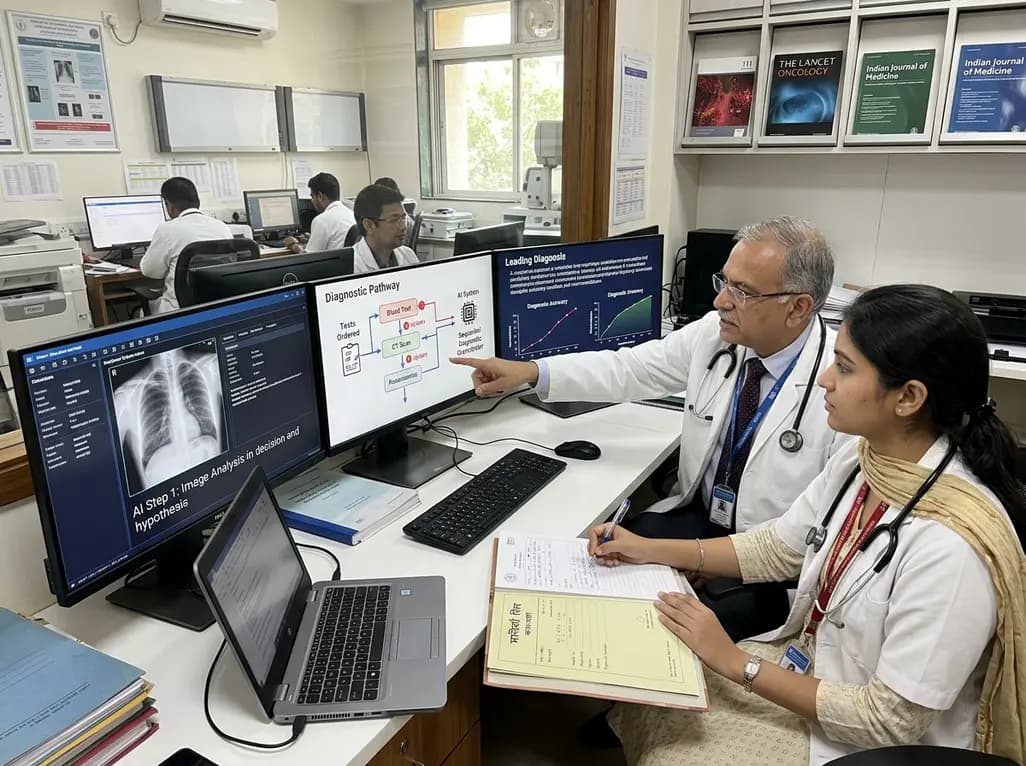
A breakthrough peer-reviewed study demonstrates that a sequential AI diagnosis system can mirror real-world clinical reasoning. By ordering stepwise tests and updating hypotheses dynamically, this multi-agent orchestrator achieved superior diagnostic accuracy while reducing investigative costs.
Today

A prenatal case highlights severe glutaric acidemia type II presenting as bilateral hyperechoic cystic kidneys at 18 weeks. Whole-exome sequencing revealed a novel homozygous ETFDH frameshift variant, demonstrating the power of rapid genetic testing in fetal renal anomalies.
Today

Review how tailored exercise programs benefit frail older patients with heart failure. Explore pathophysiological mechanisms, individualized training prescriptions, and strategies to overcome adherence barriers in clinical practice.
Yesterday

This comparative study evaluates posterior labral tears with and without glenohumeral instability, highlighting distinct demographic patterns, MRI underestimation in stable shoulders, and successful arthroscopic repair outcomes.
Yesterday

A clinical study demonstrates that early intervention with tocilizumab, either as monotherapy or bridged with corticosteroids, achieves significant proptosis reduction and resolves active inflammation in treatment-naive thyroid eye disease.
Yesterday
