

Loading, please wait...
Loading, please wait...
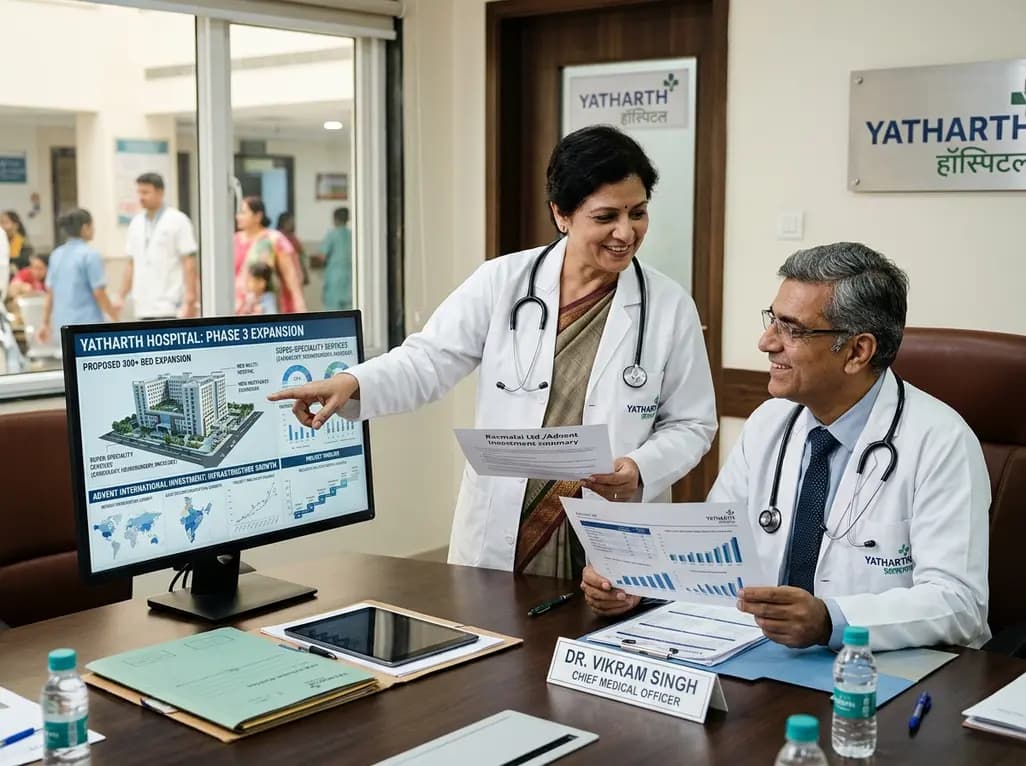
The Competition Commission of India recently cleared a substantial private equity transaction in the Indian healthcare landscape. Specifically, this regulatory clearance permits global private equity powerhouse Advent International to finalize a pivotal Yatharth Hospital investment valued at ₹3,150 crore. Advent executes this transaction through its Cyprus-incorporated investment vehicle, Rasmalai Limited. Consequently, the foreign investor secures a significant minority stake of 24.9 per cent in Yatharth Hospital and Trauma Care Services Limited. Meanwhile, the founding Tyagi family maintains the largest controlling ownership share to preserve continuous clinical stewardship. This massive capital infusion represents primary funding directed straight into corporate reserves rather than secondary shareholder offloading. Therefore, the strategic partnership establishes a robust operational trajectory for long-term clinical and geographical expansion.
The Competition Commission of India maintains vigilant oversight on corporate transactions to ensure fair marketplace competition across healthcare delivery sectors. Consequently, antitrust regulators evaluate major hospital acquisitions to prevent regional monopolistic pricing and unfair clinical market concentration. In this review, the watchdog determined that Rasmalai Limited operates primarily as a holding vehicle without domestic operational assets. Therefore, the entry of Advent does not distort competitive balance across northern regional tertiary health markets.
Furthermore, antitrust clearance affirms that private capital injections into tertiary infrastructure align with national regulatory priorities. Private equity participation in Indian hospital networks has escalated swiftly over recent years. However, statutory scrutiny remains essential to protect patient welfare and clinical cost structures. Regulators recognize that primary capital deployment enhances treatment accessibility rather than restricting patient care choices. Consequently, this formal green light allows Yatharth Hospitals to deploy financial resources rapidly across critical multi-speciality domains. As a result, the institution strengthens operational governance while complying fully with stringent competition benchmarks. Additionally, this regulatory milestone signals sustained investor confidence in domestic healthcare platforms. Furthermore, regulatory clearance provides legal certainty for institutional stakeholders, assuring uninterrupted patient care services across all operational facilities.
The primary capital infusion of ₹3,150 crore provides unprecedented fiscal support for extensive healthcare infrastructure development. Currently, Yatharth Hospitals manages nine multi-speciality hospitals encompassing approximately 2,800 operational beds across northern India. In addition, the organization previously outlined plans to increase nominal capacity to 3,250 beds. However, this transformative private equity transaction empowers the provider to aim far higher. Specifically, company leaders project an ambitious scale-up toward more than 5,000 operational beds within the next three years.
Moreover, hospital leadership intends to target underserved tier-two and tier-three urban hubs experiencing acute shortages of high-end clinical services. Expanding inpatient bed capacity alleviates severe community pressures on overstretched tertiary care facilities. Consequently, clinical specialists gain access to state-of-the-art modular operating theaters and modernized intensive care units. Furthermore, new secondary and tertiary care outposts will integrate digital telemetry, advanced diagnostic imaging, and hybrid catheterization suites. Therefore, expanding hospital bed counts directly elevates community survival rates during acute medical emergencies and surgical interventions. Ultimately, building modern clinical infrastructure bridges critical regional healthcare gaps. It ensures that rural and peri-urban populations receive equitable access to super-speciality interventions without extensive travel burdens. Additionally, increased bed availability curtails emergency department boarding times, facilitating prompt triage and immediate stabilization for critically ill patients.
Trauma management and super-speciality medicine require substantial continuous capital investment to achieve optimal patient survival outcomes. Founded in 2008, Yatharth Hospitals developed a reputable presence across emergency medicine, cardiology, neurology, and surgical oncology. However, modern clinical practice demands relentless upgrades in biomedical instrumentation and surgical robotics. The injection of equity provides vital liquidity to acquire sophisticated diagnostic platforms, including dual-source computed tomography systems.
Consequently, surgical teams can perform complex minimally invasive procedures with superior precision and diminished perioperative morbidity. In addition, strengthened trauma infrastructure will improve triage protocols and golden-hour emergency responses across high-traffic northern corridors. Global investors like Advent International bring international institutional benchmarks, clinical audit structures, and patient safety protocols. Therefore, the partnership fosters systematic clinical governance across regional centers. Furthermore, medical personnel benefit from enhanced professional development programs, research sponsorships, and multidisciplinary clinical collaborative networks. As a result, patient survival rates in critical care and neurotrauma units are anticipated to improve markedly. Notably, standardizing trauma resuscitation protocols across satellite centers will establish predictable clinical pathways. This systemic enhancement provides frontline emergency physicians with reliable diagnostic support around the clock. Consequently, patients suffering polytrauma and neurosurgical emergencies experience expedited surgical triage, which substantially minimizes catastrophic mortality risks.
Recent corporate earnings underscore robust operating fundamentals across Yatharth Hospital and Trauma Care Services. For example, during the September 2026 quarter, the company registered a 17.45 per cent rise in consolidated net profit. Specifically, net income reached ₹48.45 crore compared to ₹41.25 crore reported during the corresponding period last year. Simultaneously, consolidated operational revenue surged dramatically to ₹431.42 crore, validating substantial commercial and clinical expansion.
Furthermore, this financial momentum mirrors broader market dynamics reshaping private healthcare delivery throughout India. Global private equity funds recognize that growing insurance penetration, rising lifestyle ailments, and demographic shifts necessitate organized tertiary platforms. However, corporate hospital chains require extensive long-term equity to fund capital-intensive technological updates. Strategic minority investments allow healthcare founders to maintain managerial independence while leveraging sophisticated private equity resources. Therefore, primary funding safeguards organizational liquidity without overburdening clinical balance sheets with onerous commercial debt. Consequently, healthcare organizations can prioritize patient-centric investments and clinical innovations over short-term interest liabilities. In addition, organized institutional funding accelerates accredited residency programs and clinical research initiatives. This sustainable capital approach ultimately stabilizes long-term institutional development across demanding multispecialty healthcare disciplines. Moreover, a fortified capital reserve insulates hospital operations against supply chain shocks and rising pharmaceutical procurement expenditures.
For practicing medical professionals, institutional balance sheet expansion creates fertile grounds for clinical excellence and professional autonomy. When healthcare institutions receive substantial growth capital, medical departments experience timely upgrades in specialized clinical equipment. Consequently, physicians, surgeons, and intensivists can implement evidence-based practices without budgetary compromises. Furthermore, geographic network expansion creates diverse leadership opportunities for senior clinicians seeking administrative or academic progression.
Moreover, enhanced institutional stability improves physician recruitment and nursing retention across multi-speciality disciplines. Hospital networks equipped with advanced diagnostics naturally attract skilled medical talent and retain experienced nursing staff. As a result, nurse-to-patient ratios in critical care units improve significantly, mitigating clinician burnout and medical error rates. In addition, broader regional hospital networks streamline referral networks for rare subspeciality pathology. Therefore, patients residing in secondary catchments obtain seamless access to tertiary cancer care, organ transplantation, and interventional cardiology. Ultimately, institutional equity partnerships elevate overall healthcare delivery standards, establishing superior clinical benchmarks across community and tertiary environments alike. Specifically, integrated hospital clusters enable seamless multidisciplinary tumor boards and collaborative clinical consultations. These modern practices ensure every patient receives standardized, guideline-concordant medical and surgical care. Additionally, advanced digital information systems facilitate seamless clinical documentation, permitting healthcare professionals to dedicate more time directly to bedside patient care.
Q1: Why did the Competition Commission of India review the Yatharth Hospital investment?
The Competition Commission of India evaluates major healthcare mergers and acquisitions to prevent market distortion, anti-competitive practices, and healthcare monopolization. Because the investment involves significant capital infusion and substantial equity acquisition by global private equity giant Advent International, regulatory oversight was statutory. The watchdog confirmed that Rasmalai Limited possesses no prior competing Indian healthcare holdings, ensuring the deal maintains vibrant regional competition while expanding clinical care infrastructure.
Q2: How does this capital infusion support hospital bed capacity and regional expansion?
This primary capital infusion of ₹3,150 crore directs fresh equity into corporate reserves rather than funding promoter share sales. Yatharth Hospitals currently manages nine hospitals with approximately 2,800 operational beds. The newly secured funds will finance greenfield constructions and strategic acquisitions. Consequently, the organization plans to expand its total clinical capacity beyond 5,000 beds over three years, extending tertiary super-speciality care into underserved northern Indian cities.
Q3: What clinical benefits does the partnership offer to medical professionals and patients?
The partnership provides medical professionals with cutting-edge surgical robotics, modernized intensive care beds, and advanced radiological modalities. Furthermore, Advent International introduces international clinical governance protocols, patient safety standards, and specialized training programs. Patients benefit directly through improved golden-hour trauma management, reduced wait times, and comprehensive multispeciality expertise. Ultimately, these clinical enhancements elevate standard-of-care delivery and lower complication rates across complex surgical and critical care interventions.
Disclaimer: This content is for informational and educational purposes only. It does not constitute medical advice or replace professional judgment. Refer to the latest local and national guidelines for clinical practice.
References

Read summarized clinical updates, watch expert medical content, and earn CME certifications right from your smartphone.
Open your smartphone camera to scan and install.





The Competition Commission of India has approved private equity firm Advent International’s primary capital infusion of ₹3,150 crore into Yatharth Hospital through Rasmalai Limited. This landmark transaction accelerates super-speciality infrastructure expansion, bed capacity growth, and tertiary clinical services.
Today

Confirmed multiple drug hypersensitivity syndrome is rare, affecting only 1.4% of evaluated patients. A recent study highlights culprit patterns, diagnostic testing realities, and the danger of unnecessary drug avoidance, underscoring the vital need for systematic drug challenge testing and delabeling.
Today
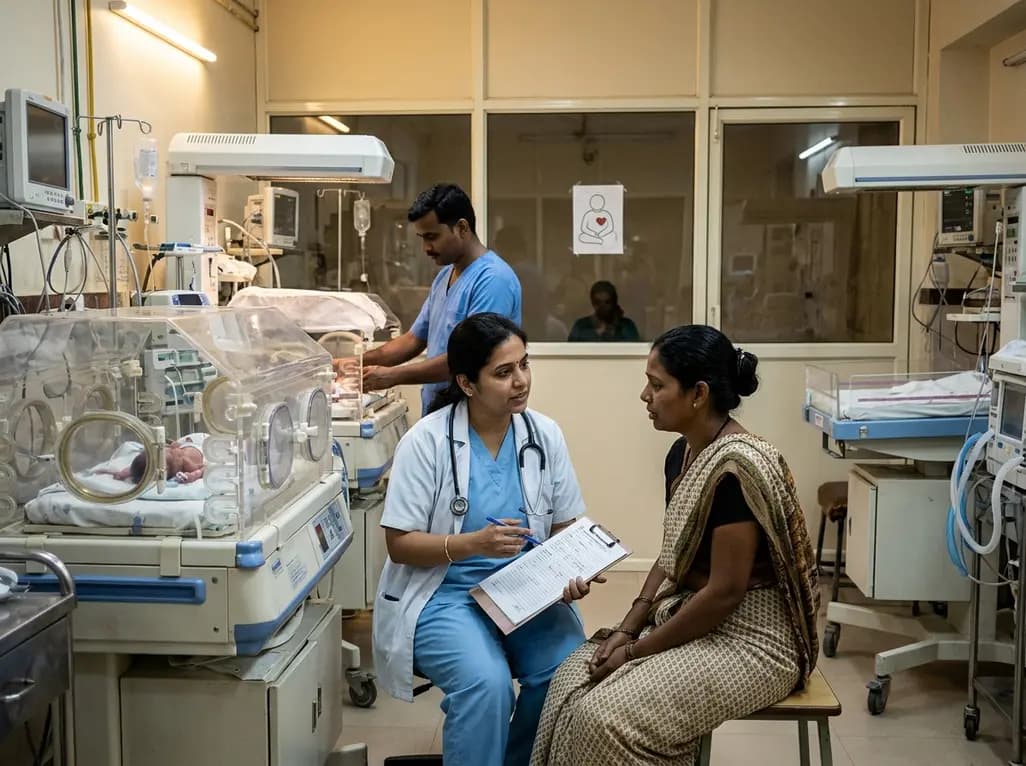
A new quality-improvement initiative reveals that universal maternal mental health screening in the NICU increased screening rates from 29.5% to 95.0%, with nearly 60% of screened mothers requiring psychosocial referrals, highlighting the urgent need for embedded mental health resources.
Today
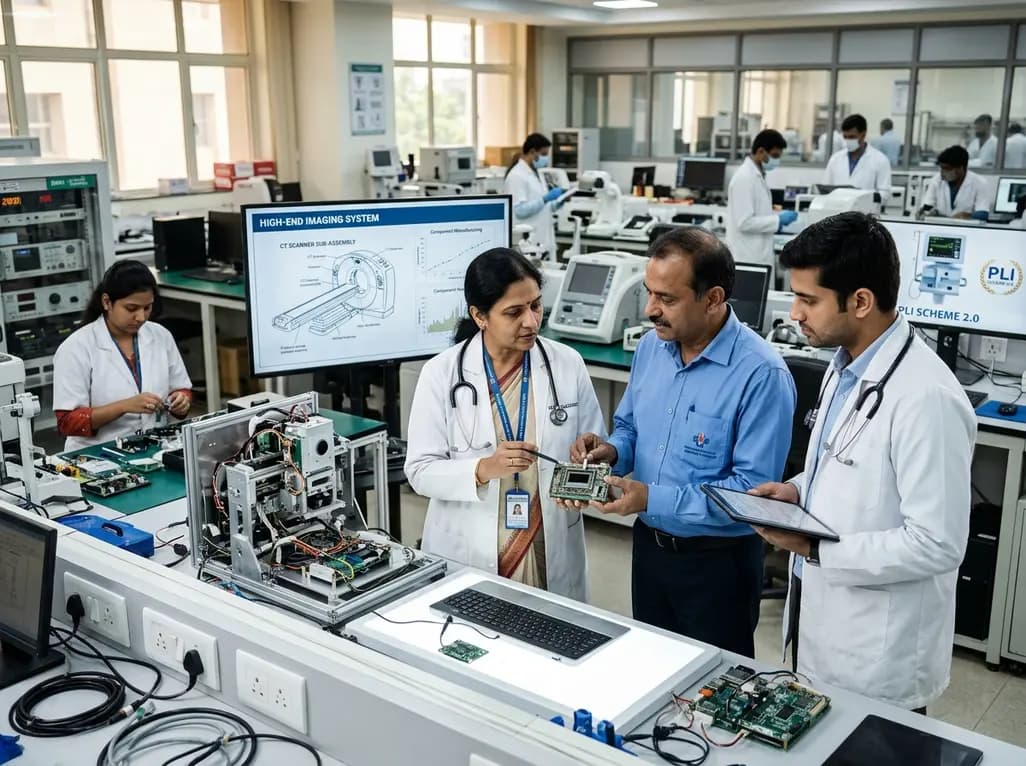
The Department of Pharmaceuticals has extended the medical devices PLI scheme to 2035-36 with a Rs 2,700 crore outlay. Featuring relaxed investment barriers and eliminated sales thresholds, the revised framework targets deep manufacturing, high-end diagnostics, critical MedTech components, and supply resilience.
Today

A metabolomic study reveals that aging delays glutathione synthesis and gamma-glutamylcysteine accumulation following muscle injury. Although precursor supplementation targets this enzymatic bottleneck, in vitro tests show no immediate effect on myogenesis, highlighting the complexity of muscle repair in older adults.
Today
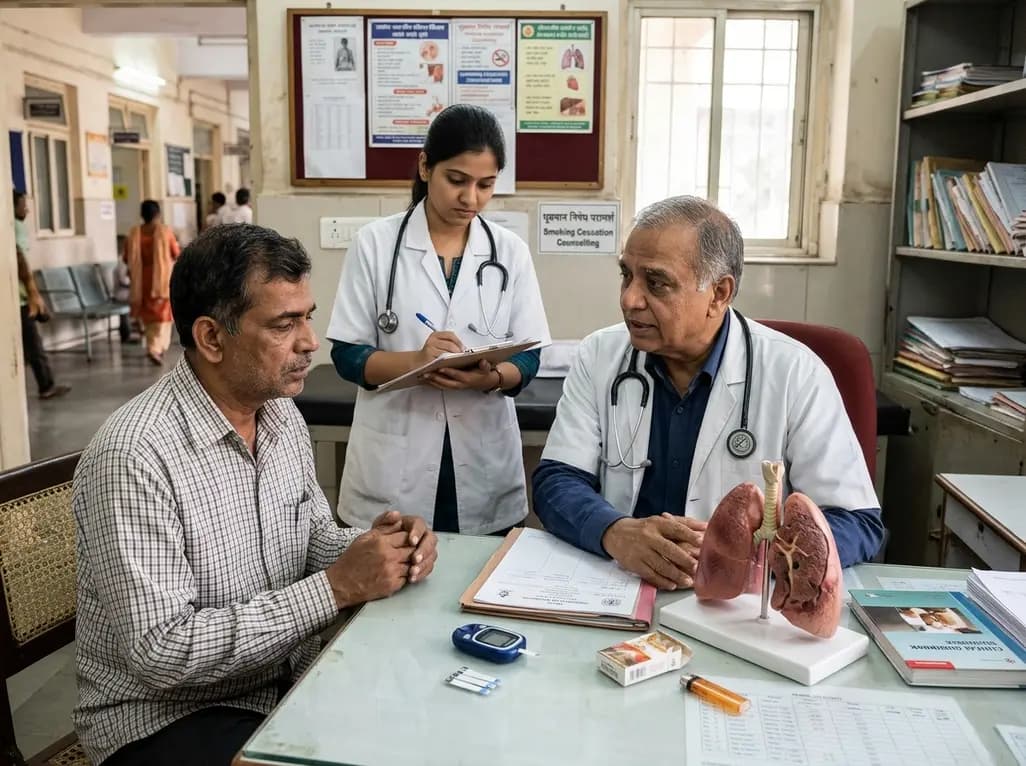
A systematic review evaluates psychological interventions for smoking cessation in diabetes, showing short-term success but highlighting challenges in long-term abstinence.
Today
