.webp&w=384&q=75)

Loading, please wait...
Loading, please wait...
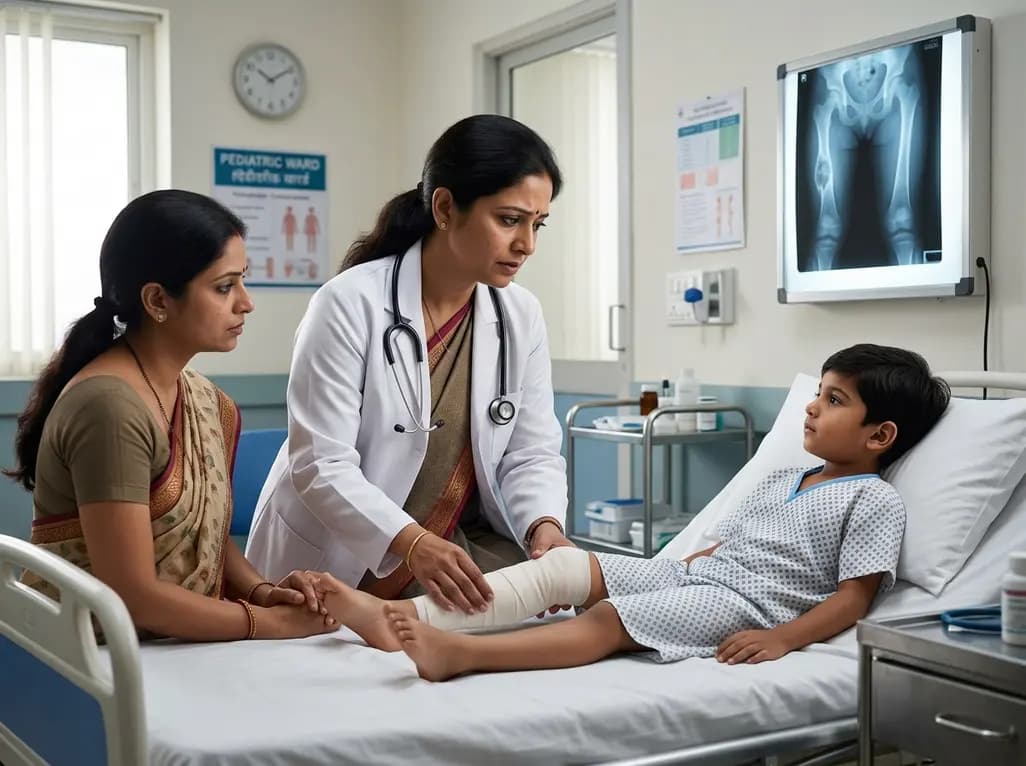
Clinicians frequently encounter bone cysts as benign lesions in children and adolescents. While surgery often treats these cases, practitioners must identify specific wound healing risk factors to optimize outcomes. Consequently, understanding these variables allows surgeons to minimize complications during the recovery phase.
A recent cohort study analyzed 99 children to determine which factors led to poor healing. Specifically, researchers found that inadequate antibiotic prophylaxis significantly increased risk. Children who received no antibiotics or only a single preoperative dose struggled more with recovery. Therefore, surgical teams should prioritize robust multi-dose protocols to safeguard their patients.
Lesion characteristics also dictate the success of the procedure. For instance, lesions involving the physis (growth plate) correlate with higher complication rates. Furthermore, operative times lasting 90 minutes or longer independently predict poor results. Consequently, surgeons must refine their techniques to maintain efficiency and protect sensitive growth plates during the intervention.
To enhance patient safety, hospitals should implement standardized perioperative guidelines. This strategy includes ensuring proper antibiotic timing and recognizing high-risk anatomical features during preoperative planning. Moreover, improving operative speed through experience and teamwork helps reduce the overall duration of the surgery, further lowering the risk of wound complications.
The main risk factors include inadequate antibiotic prophylaxis (receiving no dose or only a single dose), lesions that involve the growth plate (physis), and an operative time of 90 minutes or longer.
Teams can reduce risks by standardizing multi-dose antibiotic protocols, identifying high-risk patients based on lesion location, and optimizing surgical efficiency to keep the procedure duration under 90 minutes.
Disclaimer: This content is for informational and educational purposes only. It does not constitute medical advice or a professional relationship. Always seek the advice of a qualified healthcare provider for any medical concerns. Refer to the latest local and national guidelines for clinical practice.
References
Yu M et al. Analysis of risk factors for postoperative wound healing in children with bone cysts. Ann Med. 2026 Dec undefined. doi: 10.1080/07853890.2026.2679358. PMID: 42247256.
Indian Academy of Pediatrics Consensus Statement on Diagnosis and Management of Bone and Joint Infections in Children. 2024.
National Guidelines for Antimicrobial Prophylaxis in Surgery. Government of India. 2022.

Read summarized clinical updates, watch expert medical content, and earn CME certifications right from your smartphone.
Open your smartphone camera to scan and install.





A study identifies inadequate antibiotic prophylaxis and prolonged operative time as key risk factors for poor wound healing in pediatric bone cyst surgery....
4 months ago

A retrospective cohort study of 7,716 ICU patients from the MIMIC-IV database demonstrates that Gradient Boosting Decision Trees significantly outperform traditional SOFA scores in predicting in-hospital mortality among patients with sepsis and diabetes, with SHAP analysis providing clinical interpretability.
Today

Occult maternal malignancy accounts for 3.82% of persistent unreportable NIPT results with genomic noise. Multiple chromosomal aberrations, notably on chromosome 18, warrant thorough oncological evaluation and whole-body MRI to ensure timely maternal diagnosis while preserving fetal care.
Today

This article reviews the forensic and clinical complexities of acute myocarditis arising on left ventricular hypertrophy in children, highlighting early diagnostic red flags and multidisciplinary postmortem autopsy protocols.
Today

This comparative study evaluates posterior labral tears with and without glenohumeral instability, highlighting distinct demographic patterns, MRI underestimation in stable shoulders, and successful arthroscopic repair outcomes.
Yesterday

A clinical study demonstrates that early intervention with tocilizumab, either as monotherapy or bridged with corticosteroids, achieves significant proptosis reduction and resolves active inflammation in treatment-naive thyroid eye disease.
Yesterday
