

Loading, please wait...
Loading, please wait...

Critical care units represent some of the most demanding, unpredictable clinical settings in modern medicine. Within these high-acuity environments, registered nurses provide continuous physiological monitoring, administer life-sustaining pharmacological therapies, and make time-critical decisions for unstable patients. Consequently, preserving the quality of nursing care is paramount to preventing preventable adverse events, mitigating nosocomial complications, and reducing inpatient mortality. However, recent evidence highlights that intensive care unit staff face mounting operational pressures, persistent staffing deficits, and destructive behavioral dynamics. When interpersonal tension and emotional friction infiltrate the intensive care setting, professional morale erodes rapidly. Therefore, understanding how workplace friction compromises clinical performance is essential for multidisciplinary intensive care teams, nursing supervisors, and hospital administrators striving to maintain rigorous standards of patient safety.
Workplace incivility encompasses low-intensity deviant behaviors characterized by ambiguous intent to harm the target, violating established workplace norms of mutual respect. In intensive care wards, these behaviors manifest through condescending remarks, public humiliation, deliberate non-cooperation, eye-rolling, and withholding vital clinical data. Furthermore, interpersonal hostility does not merely emerge from within healthcare hierarchies; external stakeholders frequently generate substantial psychological friction. A multicenter cross-sectional study examining Jordanian critical care nurses evaluated these destructive forces across several acute hospitals. By deploying validated psychometric instruments, including the Nursing Workplace Incivility Scale, investigators captured the precise sources of interpersonal mistreatment. Notably, the study revealed that patient and visitor incivility represented the single largest contributor to workplace friction, exhibiting an alarming mean score of 41.11. Consequently, bedside clinicians frequently absorb the displaced terror, grief, and agitation of distraught relatives while simultaneously managing complex life-support systems. Furthermore, internal horizontal friction among colleagues exacerbates this emotional exhaustion, fracturing multidisciplinary communication when seamless collaboration is most urgent.
Critical care environments inherently generate acute occupational strain due to the unyielding burden of clinical acuity and complex therapeutic decisions. Investigators employed the Nurses' Occupational Stress Scale to evaluate baseline professional strain among bedside staff. The findings revealed remarkably elevated aggregate job stress levels, recording a severe mean score of 64.17 among participants. When analyzing discrete subdomains, inadequate peer support emerged as a prominent operational failure, registering an elevated score of 9.45. Conversely, nurses reported that their responsibility for high-stakes decision-making and task delegation constituted their heaviest operational burden, scoring 20.11. In contrast, structured nursing care organization ranked lowest at 7.14, demonstrating that procedural workflows often lag behind clinical obligations. Consequently, intensive care nurses often operate in isolated clinical silos, bearing profound diagnostic and therapeutic accountability without adequate peer reinforcement. Therefore, this sustained psychological demand depletes cognitive reserves, increases emotional exhaustion, and amplifies the risk of clinical burnout across critical care units.
Statistical evaluations from the study uncovered intriguing, divergent dynamics regarding clinical performance. Most importantly, researchers identified a statistically significant negative correlation between workplace incivility and the quality of nursing care (r = -0.625, p = 0.002). This powerful inverse relationship indicates that interpersonal mistreatment directly undermines vigilance, disrupts handover protocols, and degrades patient care standards. When nurses encounter hostility from colleagues or visitors, their psychological safety collapses, increasing their vulnerability to cognitive distraction and diagnostic errors. Intriguingly, researchers also observed a moderate positive correlation between reported job-related stress and nursing care scores (r = 0.551, p = 0.001). This phenomenon reflects the Yerkes-Dodson human performance curve, wherein acute clinical accountability and high perceived responsibility compel nurses to apply extreme vigilance. However, this compensatory coping mechanism remains unsustainable over prolonged operational shifts. Because chronic psychological strain inevitably transitions into clinical exhaustion, sustained organizational neglect will eventually compromise both caregiver well-being and clinical outcomes.
These findings offer vital lessons for healthcare systems worldwide, particularly within high-volume tertiary intensive care units in developing nations like India. Indian critical care units frequently confront severe patient-to-nurse imbalances, often exceeding recommended critical care nurse staffing ratios. Furthermore, overcrowding, financial distress among families, and intense emotional strain often trigger verbal hostility against bedside providers. When staff members endure unmanaged horizontal hostility from colleagues alongside external incivility from agitated visitors, patient safety margins deteriorate precipitously. In addition, unaddressed workplace friction drives talented bedside nurses to leave hospital employment or seek overseas opportunities. Consequently, healthcare organizations suffer crippling turnover costs and persistent workforce shortages. Addressing these systemic vulnerabilities requires institutional leadership to recognize that nurse psychological safety directly dictates clinical outcome quality. Therefore, hospital leadership must actively protect bedside clinicians from external hostility while dismantling lateral toxicity within medical teams.
Hospital executives, clinical directors, and nurse managers must execute structured, multipronged interventions to preserve bedside care excellence. First, medical centers should enforce transparent, zero-tolerance policies regarding patient and visitor hostility, deploying trained liaison security staff to de-escalate volatile encounters. Second, clinical departments must institute structured communication frameworks, such as the Situation-Background-Assessment-Recommendation tool, to eliminate ambiguous, passive-aggressive clinical handovers. Furthermore, healthcare organizations should launch dedicated conflict resolution training, assertiveness workshops, and peer mentorship initiatives for newly inducted critical care nurses. Establishing structured clinical debriefing sessions following traumatic resuscitation events can also alleviate acute emotional distress and foster interprofessional solidarity. In addition, administrators must recalibrate nurse-to-patient staffing ratios to ensure equitable workload distribution, thereby preventing decision-making fatigue. By intentionally constructing an institutional culture grounded in mutual dignity and psychological safety, healthcare systems protect their nursing workforce and ensure clinical excellence.
Workplace incivility disrupts open interprofessional communication, erodes team collaboration, and causes severe cognitive distraction among bedside caregivers. When nurses face hostility or condescending behaviors, they often hesitate to clarify ambiguous orders, report subtle clinical deteriorations, or request assistance. Consequently, this breakdown in psychological safety increases medication errors, delays emergency interventions, and directly jeopardizes bedside clinical outcomes.
In high-stakes intensive care environments, acute occupational stress often reflects heightened clinical vigilance, deep personal accountability, and rigorous adherence to complex clinical protocols. Consequently, conscientious nurses frequently exert extra cognitive effort to protect fragile patients under high pressure. However, while acute stress prompts short-term vigilance, unaddressed chronic occupational strain ultimately triggers emotional burnout, physical exhaustion, and long-term care degradation.
Healthcare institutions should establish transparent visitor behavioral codes, deploy trained patient-liaison personnel, and optimize structured daily family counseling updates to alleviate family distress. Furthermore, hospitals must implement rapid security response mechanisms to protect staff from verbal intimidation. Providing dedicated waiting areas and transparent clinical communication substantially diminishes visitor anxiety, effectively preventing aggressive confrontations at the patient bedside.
Disclaimer: This content is for informational and educational purposes only and should not be taken as professional medical advice. Always consult a qualified healthcare provider regarding clinical concerns. Refer to the latest local and national guidelines for clinical practice.
References

Read summarized clinical updates, watch expert medical content, and earn CME certifications right from your smartphone.
Open your smartphone camera to scan and install.





Critical care nurses endure extreme occupational stress and workplace incivility that directly threaten clinical outcomes. Explore recent findings on how peer hostility and visitor friction impact the quality of nursing care, along with practical institutional strategies to protect bedside healthcare professionals.
Today

Depemokimab offers twice-yearly dosing for severe eosinophilic asthma and chronic rhinosinusitis with nasal polyps, significantly cutting exacerbations and hospital admissions.
Today
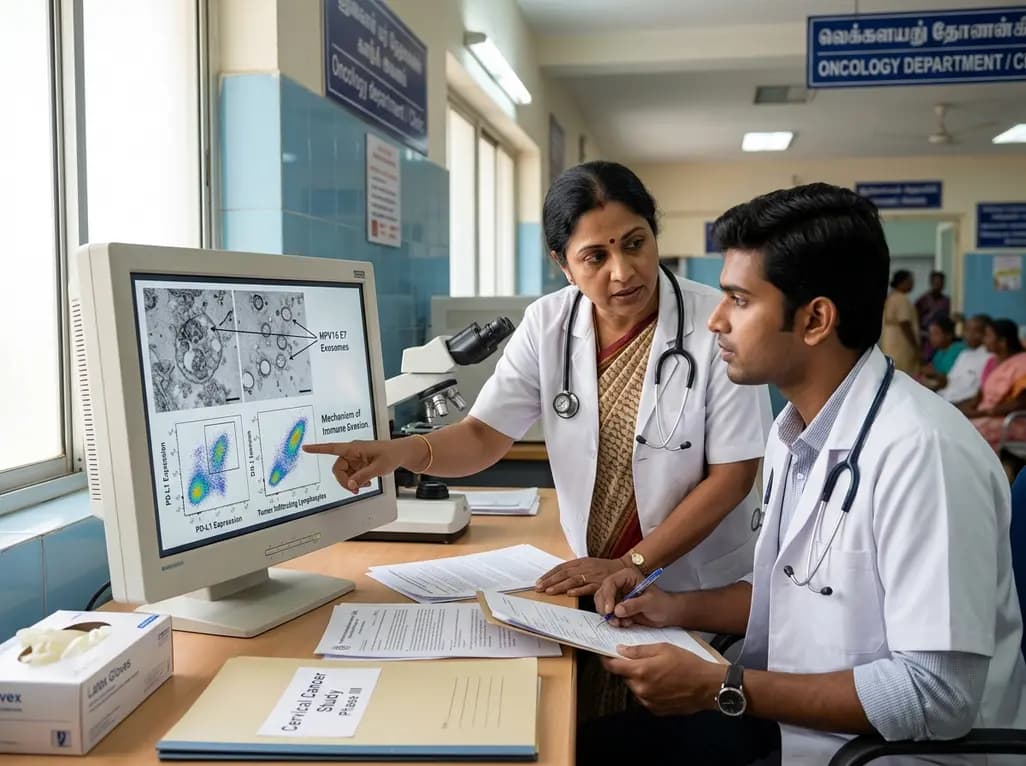
New research reveals that HPV16 E7 exosomes significantly upregulate PD-L1 on tumor-infiltrating lymphocytes in cervical cancer, driving local immune suppression and correlating with poorer patient survival. These findings expose key mechanisms of immune evasion with direct relevance to checkpoint blockade therapies.
Today

Partial heart transplantation offers living, growth-capable cardiac valve replacements for children. While orthotopic heart transplantation faces severe logistical barriers in low-resource settings, partial transplantation presents lower graft ischemia sensitivity and simplified immunosuppression protocols.
Today
Evaluating artificial intelligence for simplifying pediatric orthopaedic discharge instructions reveals significant readability gains, dropping reading levels by nearly four grades, but demands surgeon oversight to prevent safety omissions.
Today
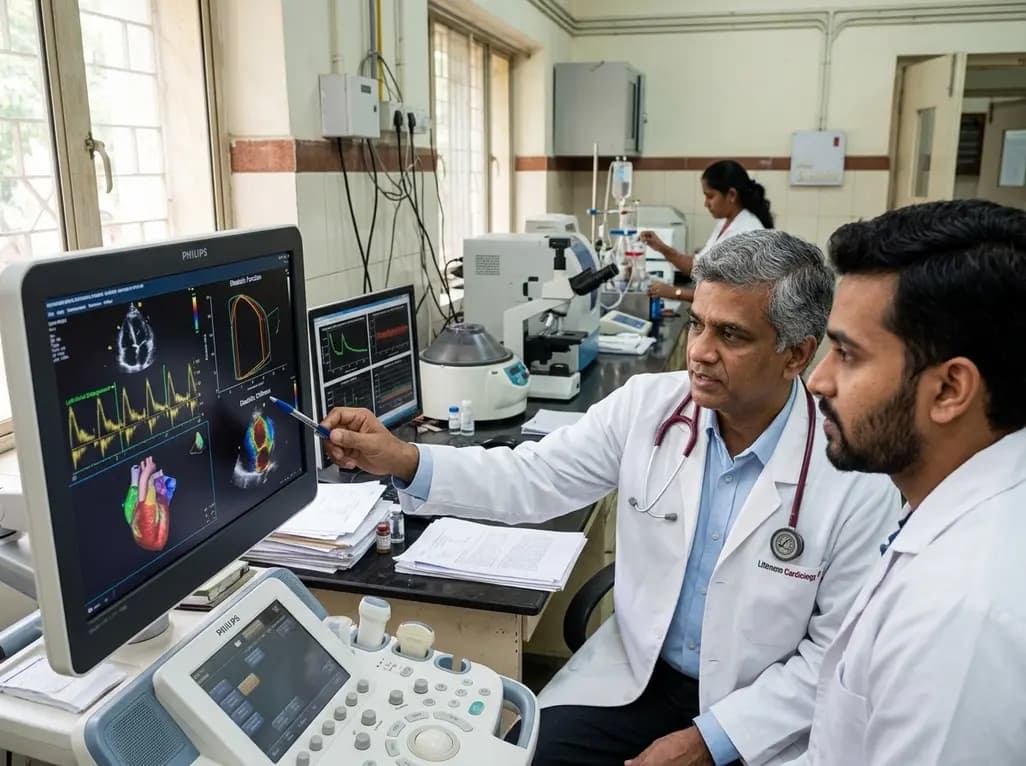
A study evaluates a cardiometabolic HFpEF model combining metabolic stress with chronic mineralocorticoid excess. The findings reveal profound diastolic stiffness, endothelial dysfunction, and pulmonary hypertension, illuminating key pathophysiological mechanisms for targeted cardiopulmonary therapies.
Today
