.webp&w=384&q=75)

Loading, please wait...
Loading, please wait...
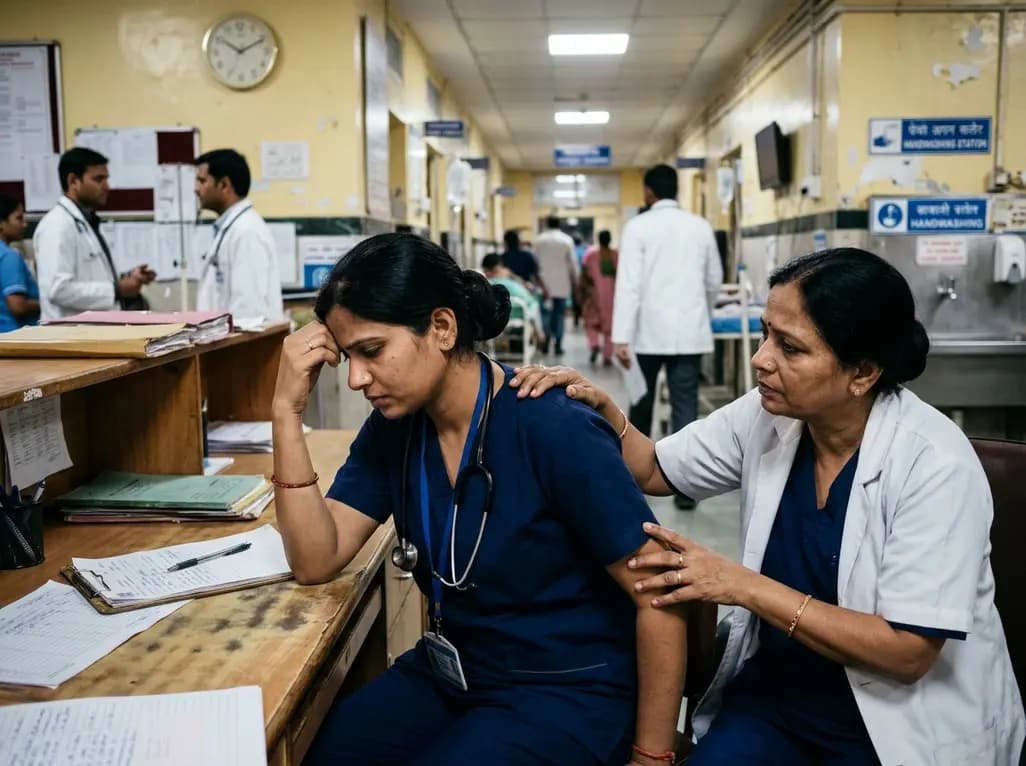
Workplace bullying in nursing represents a widespread occupational challenge that damages professional morale and patient outcomes. Healthcare institutions often operate under intense pressure, which unfortunately fosters interpersonal friction and institutionalized hostility. While previous investigations primarily evaluated on-duty performance metrics, recent evidence demonstrates that psychological mistreatment reverberates far beyond hospital corridors. Specifically, negative interactions deplete personal emotional reserves and systematically disrupt domestic functioning. Understanding these pervasive dynamics allows healthcare organizations to implement meaningful structural protections for clinical personnel.
Organizational culture profoundly shapes how clinical teams interact during daily hospital shifts. In many clinical environments, hierarchical structures inadvertently normalize exclusionary behaviors, unreasonable task allocations, and chronic verbal hostility. Nurses frequently encounter covert or overt mistreatment from senior colleagues, administrative supervisors, or interdisciplinary peers. When toxic behaviors become embedded in institutional routines, victims experience heightened occupational vulnerability. Furthermore, targeted clinicians frequently struggle to find safe reporting avenues due to fears of retaliation or administrative indifference. Consequently, persistent hostility erodes mutual trust and compromises team communication during critical bedside procedures. When institutions fail to acknowledge these systemic patterns, hostile behaviors become culturally normalized rather than treated as preventable safety hazards. Therefore, leaders must recognize that horizontal violence and administrative bullying reflect organizational dysfunction rather than isolated personal disputes. Addressing these systemic antecedents requires proactive governance, robust anti-harassment policies, and transparent mediation pathways. By dismantling toxic hierarchies, healthcare facilities foster psychological safety and support sustained workforce retention.
Chronic mistreatment exacts a profound emotional and physical toll on healthcare workers. When nurses endure persistent hostility, their psychological equilibrium deteriorates rapidly. Victims frequently report severe anxiety, depressive symptoms, sleep disturbances, and acute psychosomatic manifestations. In addition, constant interpersonal conflict generates chronic hyperarousal, leaving clinicians emotionally depleted before their shifts even conclude. According to occupational health frameworks, sustained stress drains vital cognitive and affective resources. As a result, nurses experience debilitating emotional exhaustion, which serves as a core driver of professional burnout. This relentless depletion impairs cognitive focus and heightens clinical error rates during complex patient care interventions. Moreover, feelings of professional inadequacy often emerge when colleagues systematically undermine a clinician's competence. Over time, psychological erosion destroys self-efficacy, prompting talented nurses to consider leaving the healthcare workforce entirely. Healthcare leaders must therefore treat staff psychological well-being as an essential pillar of patient safety and institutional integrity. Providing accessible mental health support and confidential counseling helps clinicians recover from chronic occupational trauma.
The damaging consequences of professional mistreatment rarely remain confined within hospital walls. Instead, psychological exhaustion systematically spills over into personal and domestic spheres. Bullied nurses frequently return home with depleted emotional reserves, making meaningful engagement with family members exceptionally difficult. Consequently, many clinicians exhibit emotional withdrawal, irritability, and diminished communication with their partners and children. Furthermore, family systems theory explains how stress crosses over from the affected nurse to their significant other. Partners frequently experience secondary strain, which triggers household tension, marital distress, and unexpected shifts in family roles. In some instances, partners adopt protective postures, yet prolonged interpersonal distress often overwhelms household coping mechanisms. Conversely, strong spousal empathy can temporarily buffer negative emotional impacts, although it cannot fully neutralize persistent workplace toxicity. Therefore, the relational footprint of occupational bullying fundamentally alters family stability and domestic harmony. Recognizing these domestic repercussions highlights why healthcare organizations must view workplace well-being through an ecological lens that encompasses both professional and personal domains.
The Conservation of Resources framework provides valuable insights into how sustained mistreatment degrades clinical performance. According to this model, individuals strive to obtain, retain, and protect valuable personal resources, including energy, status, and emotional resilience. However, workplace bullying in nursing triggers rapid resource loss without providing sufficient opportunities for psychological recovery. As clinicians continuously defend against interpersonal hostility, their cognitive capacity for complex decision-making decreases significantly. Consequently, depleted nurses find it challenging to sustain empathy, resulting in reduced emotional availability during patient interactions. This dynamic directly threatens the delivery of person-centered care, which relies heavily on compassionate communication and active listening. Furthermore, resource-depleted staff members often disengage from collaborative teamwork, creating dangerous gaps in clinical handoffs and emergency interventions. Therefore, unaddressed bullying compromises both caregiver health and patient clinical outcomes simultaneously. Healthcare systems must actively replenish staff resources through manageable workloads, adequate rest intervals, and structured peer debriefing opportunities. Preserving these emotional assets ensures that nurses maintain the high levels of empathy required for optimal patient care.
Eliminating interpersonal toxicity requires decisive multi-level interventions across healthcare organizations. First, hospital leadership must enact clear, zero-tolerance anti-bullying policies that define impermissible behaviors unambiguously. Administrative protocols must guarantee confidential reporting mechanisms so that junior nurses can report harassment without fearing retribution. Additionally, institutions should implement comprehensive conflict resolution and assertive communication training for all clinical staff. Such educational programs empower healthcare professionals to de-escalate horizontal violence and support targeted peers effectively. Moreover, nurse managers must undergo leadership development that emphasizes emotional intelligence, equitable workload distribution, and fair appraisal systems. Establishing independent ombudsman offices provides another vital layer of psychological safety and objective mediation. Healthcare systems should also conduct regular organizational culture audits to identify toxic departmental dynamics before they cause severe harm. Furthermore, offering accessible Employee Assistance Programs ensures that affected staff receive prompt psychological support and trauma-informed counseling. Ultimately, cultivating an institutional climate rooted in dignity, transparency, and mutual respect protects staff well-being while elevating patient care standards across the entire healthcare ecosystem.
Workplace bullying severely disrupts domestic life through psychological spillover and crossover mechanisms. Mistreated nurses frequently experience profound emotional depletion, which causes withdrawal, irritability, and communication barriers at home. Furthermore, persistent occupational stress often crosses over to partners, generating domestic conflict and altering family roles. While strong spousal support provides a partial buffer, chronic mistreatment consistently undermines relational harmony and family well-being.
Researchers frequently utilize the Conservation of Resources theory and spillover-crossover frameworks to explain bullying-induced burnout. These models demonstrate that interpersonal hostility continuously depletes vital psychological, cognitive, and emotional assets. When healthcare workers cannot replenish these depleted resources, they experience severe emotional exhaustion and depersonalization. Consequently, this continuous drain compromises their clinical functioning and significantly diminishes their capacity for delivering compassionate, person-centered care.
Hospital administrators can prevent institutional bullying by implementing transparent zero-tolerance policies and safe, anonymous reporting systems. In addition, leadership must provide regular communication training, active bystander workshops, and emotional intelligence development for supervisors. Conducting routine workplace culture evaluations and establishing independent mediation pathways also help identify toxic patterns early, thereby creating a psychologically secure, collaborative working environment for all clinical staff.
Disclaimer: This content is for informational and educational purposes only and does not constitute formal psychological, legal, or medical advice. Refer to the latest local and national guidelines for clinical practice.
References

Read summarized clinical updates, watch expert medical content, and earn CME certifications right from your smartphone.
Open your smartphone camera to scan and install.





A qualitative study highlights how workplace bullying in nursing causes severe emotional depletion, spills over into family relationships, and strains domestic dynamics, emphasizing the urgent need for organizational support and anti-hostility policies.
last month
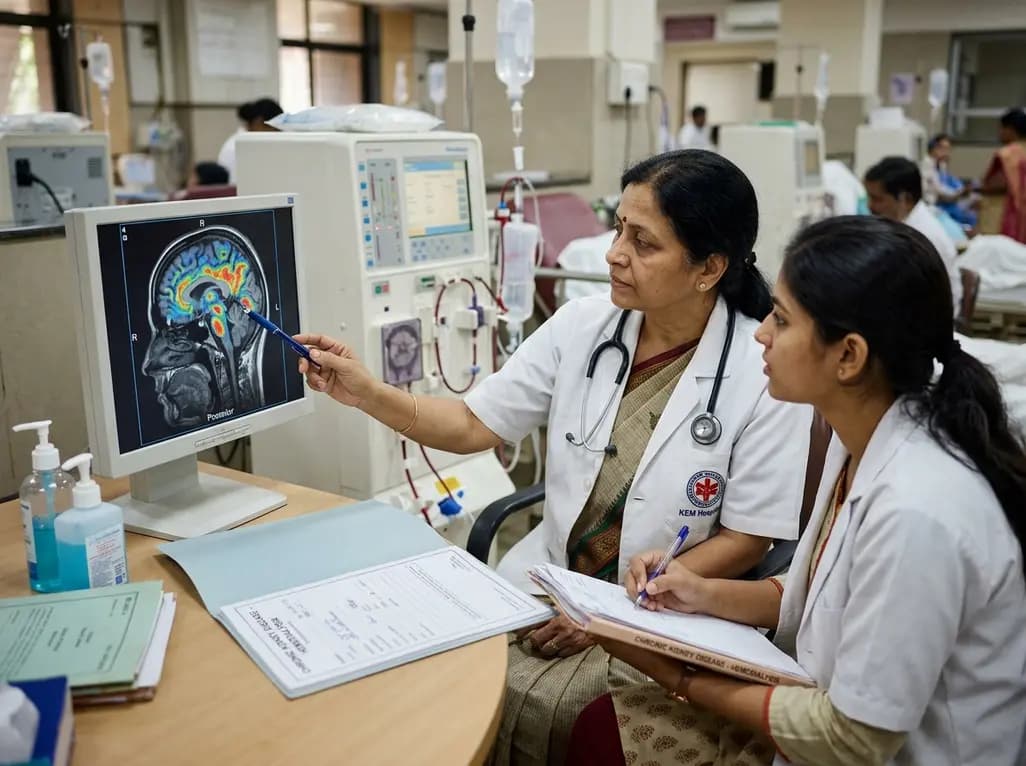
A retrospective clinical analysis reveals that hemodialysis-associated cognitive dysfunction arises from synergistic pathological mechanisms, including severe chronic anemia, worsening renal clearance, abnormal regional brain iron deposition, and an imbalance between neuroinflammatory and neurotrophic factors.
Today
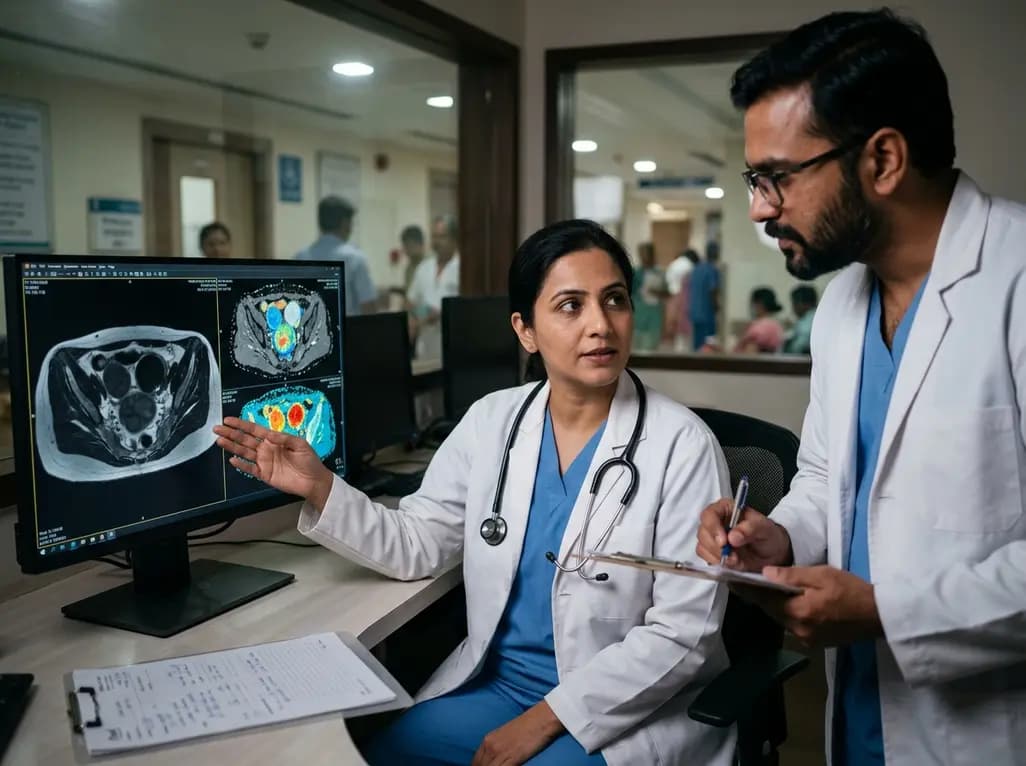
A multiparametric MRI approach combining quantitative T2 shading, apparent diffusion coefficient (ADC) measurements, and morphological signs provides superior diagnostic accuracy over subjective evaluation to differentiate ovarian endometriomas from benign hemorrhagic cysts.
Today
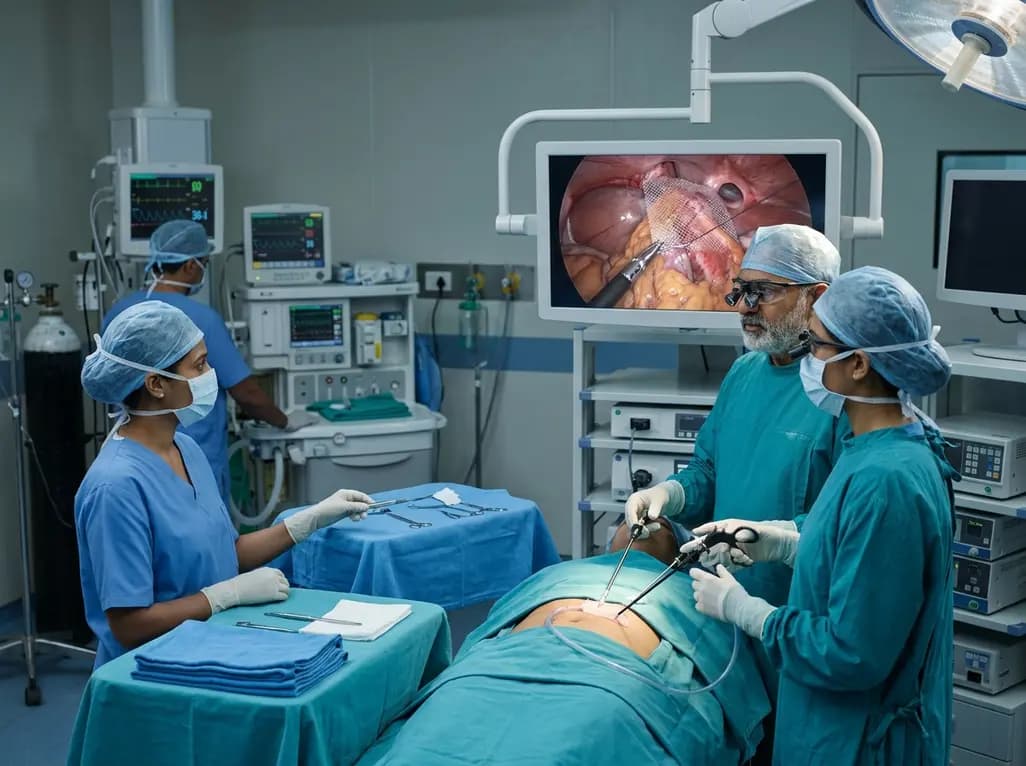
Discover a novel laparoscopic approach for iatrogenic diaphragmatic hernia repair following pedicled omentoplasty. This modified Sugarbaker technique integrates dorsal pedicle lateralization and round ligament reinforcement to secure the diaphragmatic defect while preserving vital omental vascularity.
Today
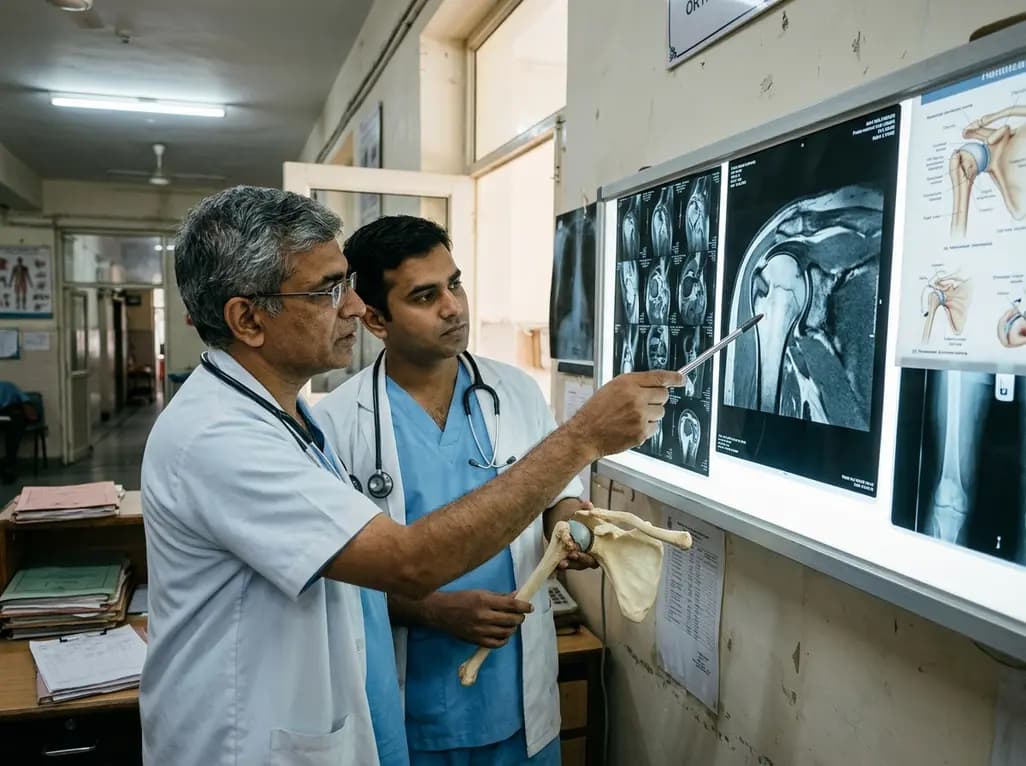
Evaluating Hill-Sachs lesion size and the distance to dislocation is critical in recurrent shoulder instability. As bone loss concepts shift from binary on-track classifications to continuous risk assessment, clinicians must identify when isolated Bankart repair is insufficient and supplementary procedures are needed.
Today
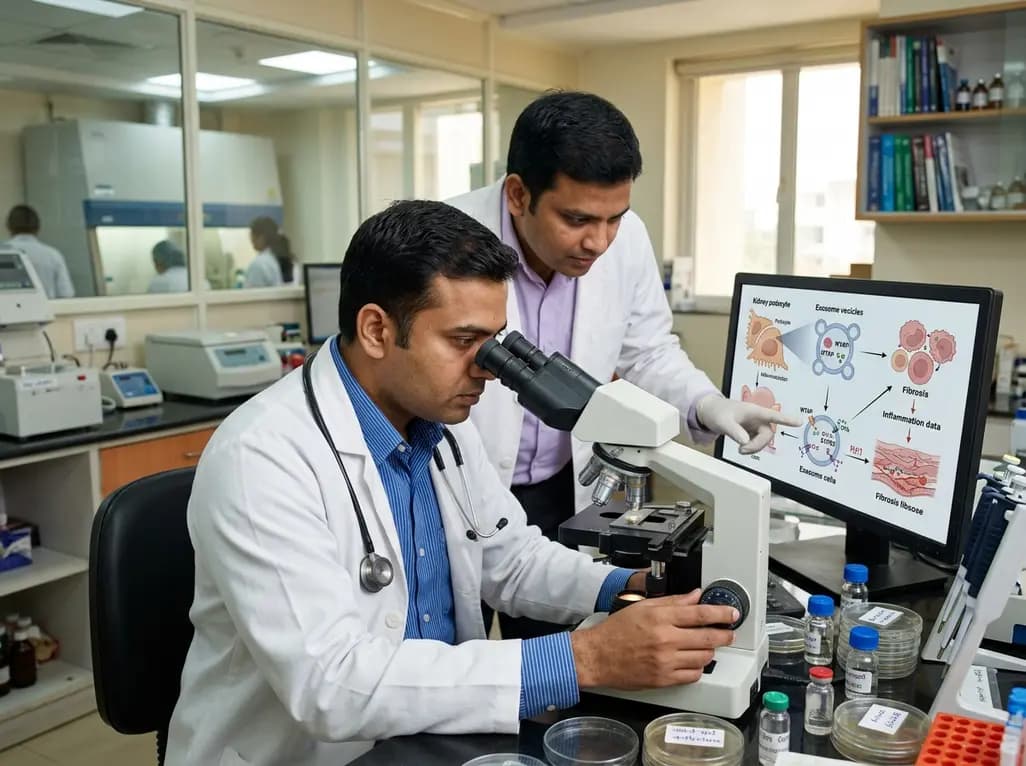
New research reveals that M1 macrophage-derived exosomes aggravate diabetic nephropathy by transferring WTAP to stabilize S1PR2 mRNA. Silencing WTAP in these vesicles attenuates endothelial injury and renal fibrosis, pointing toward innovative nanomedicine therapies.
Today
